




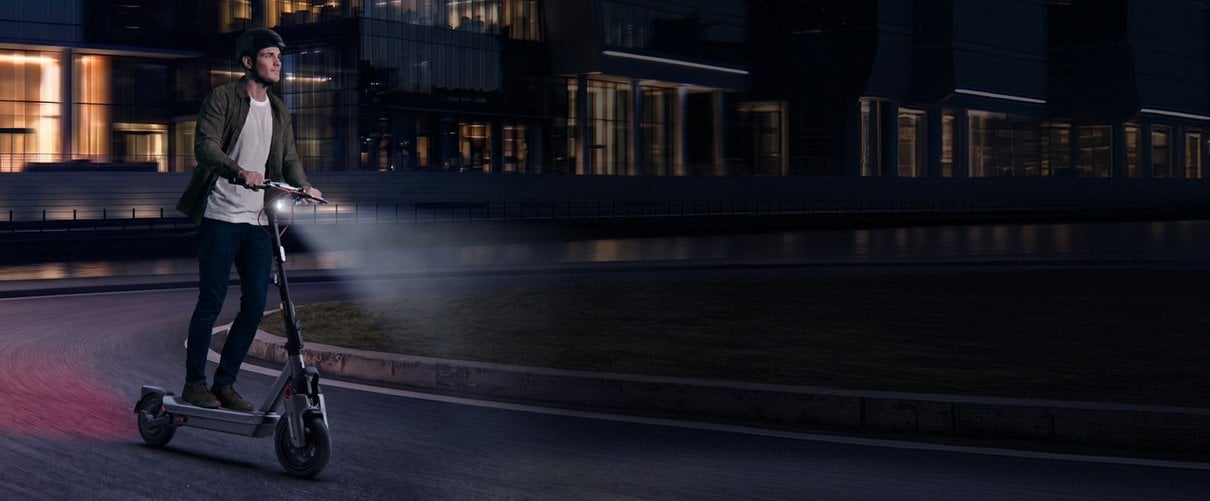
We trace Segway’s move from personal transport pioneer to a broad electric-mobility brand, with practical context on the products first-time readers should know.
- Segway connects personal transport with practical electric design
- Ninebot S2 shows Segway’s self-balancing heritage in a compact format
- Segway e-bikes widen the range beyond short urban trips
- GoKart Pro 2 gives the brand a recreational centre of gravity
- Segway Lumina brings portable power into the same ecosystem
- Segway also builds entry points for younger riders
- The honest verdict
Segway is often associated with self-balancing transport, but the brand’s US store now presents a much wider picture. Its catalogue moves from everyday electric kick scooters to e-bikes, kids models, go-karts and portable power stations.
That breadth is useful for a first-time reader, but it also creates a simple question: where does Segway fit if you are not already shopping for one particular scooter? We looked at the brand’s own store structure, product descriptions and stated specifications to explain the story behind the range and the decisions that matter before browsing.
Heads-up: we earn a commission from some links in this article. It never changes the price you pay.
The short version: Segway has grown into a broad electric-mobility catalogue rather than a single-product brand. Its store is strongest when you match the product line to the job: a compact commuter scooter, a longer-format e-bike, a recreational GoKart or a portable power unit. Current pricing, stock, included equipment and regional terms should be checked on the exact product page.
Segway connects personal transport with practical electric design
The brand’s store describes Segway as a company focused on personal transportation, and that idea still gives the range its shape. The core products are designed around moving a person, a child or a recreational driver through a defined environment, with specifications such as speed, range, rider fit and portability helping shoppers compare the options.
What has changed is the number of ways Segway interprets that brief. The store groups products into eKickScooters, e-bikes, self-balancing scooters, kids scooters, GoKarts and electric dirt bikes. A separate power-station section extends the same electric theme into backup and outdoor use.
- Urban movement: kick scooters focus on portable, short-to-medium trips.
- Longer rides: e-bikes add a larger frame and a different riding position.
- Recreation: GoKarts and dirt bikes move the range toward controlled leisure riding.
- Household utility: portable power stations give the brand a role beyond transport.
This structure is why the brand is worth understanding at range level. The right Segway product depends less on a general reputation and more on the distance, surface, rider, storage space and use pattern you actually have.
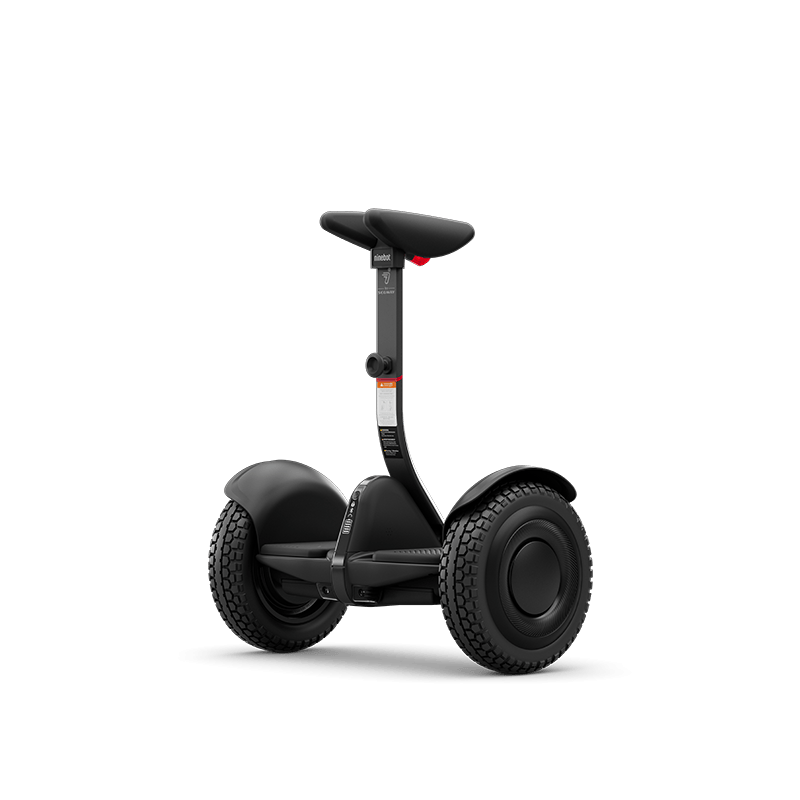
Ninebot S2 shows Segway’s self-balancing heritage in a compact format
The Segway Ninebot S2 is the clearest example of the self-balancing category. The store lists a 30 lb product weight, 10.5-inch air-filled tires, a stated range of 21.7 miles and a maximum speed of 11.2 mph. Those figures explain the model’s role better than a broad label: it is a compact personal device for readers interested in balance-based riding rather than a standing kick-scooter deck.
The product page also gives the S2 a relatively contained footprint, which may matter to someone thinking about storage or carrying the device between uses. We would treat the published range as a brand-stated figure that depends on conditions, rider weight, terrain and riding style. The same caution applies to every performance number in this category.
For a first-time shopper, the useful checks are straightforward:
- Confirm that a self-balancing control style suits the intended rider.
- Compare the stated range with the real journey, including a reserve.
- Check tire construction, rider guidance and the store’s current support information.
The Ninebot S2 product page is therefore a good place to understand how Segway turns its early identity into a current, compact model. It is also a reminder that brand heritage does not mean every product serves the same rider.
Segway e-bikes widen the range beyond short urban trips
Segway’s e-bike section changes the conversation from compact portability to frame size, ride position and broader terrain. The Segway Xyber Electric Bike is one of the store’s more distinctive examples, while the wider range includes models such as MUXI and Xafari.
The Xyber matters editorially because it shows Segway is not simply repeating the same scooter idea with a larger wheel. An e-bike asks a different set of questions: how the rider sits, how the bike is stored, what kind of road or trail it suits and whether the available equipment matches the intended route. The product page should settle the current configuration, battery information, included equipment and availability before a decision.
- Choose the e-bike route when a bicycle-style setup makes more sense than a standing ride.
- Compare the frame and use case rather than assuming every model is aimed at the same terrain.
- Check the live listing for configuration, delivery, support and any region-specific restrictions.
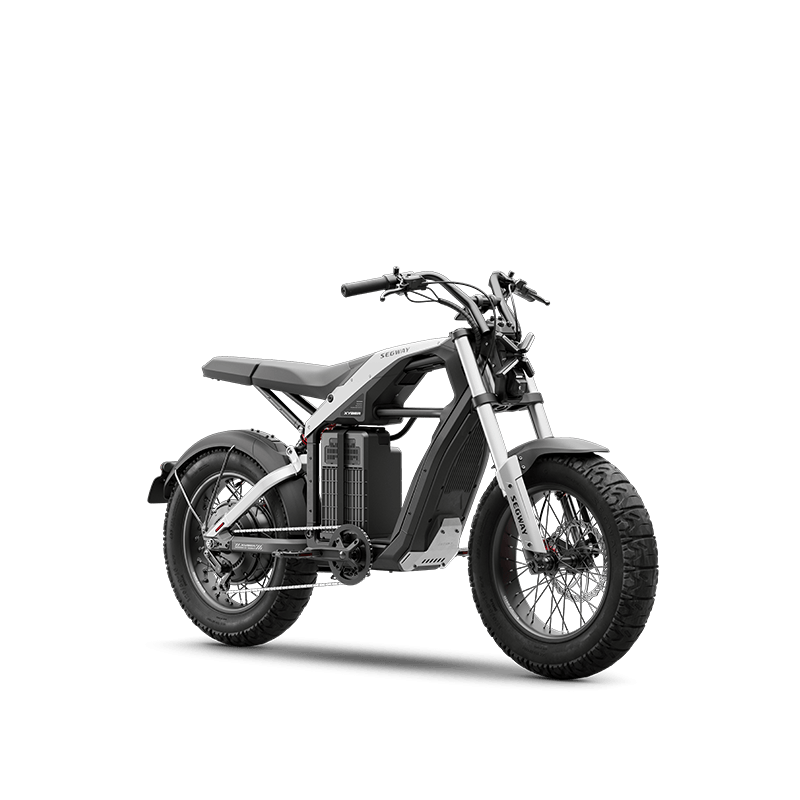
That broader choice is part of Segway’s appeal, but it is also a limitation for casual browsing. A catalogue spanning commuters, leisure riders and utility-minded owners can feel less obvious than a specialist store. The answer is to start with the journey and riding position, then use the Xyber listing or the store’s e-bike category as a comparison point.
GoKart Pro 2 gives the brand a recreational centre of gravity
The Segway GoKart Pro 2 shows how far the brand extends from everyday transport. The store lists a maximum speed of 26.7 mph, a stated range of 15.5 miles, up to 4,800 watts of power and a maximum slope figure of 15 percent. These are concrete indicators of a recreational product built around performance and controlled driving rather than commuting.
That makes the model relevant to a different reader: someone looking for a family or leisure experience with a defined place to ride. It is not a substitute for a compact scooter, and its size, storage needs, riding area and safety requirements deserve more attention than the headline performance figures.
- Use case: recreational driving in an appropriate private or permitted setting.
- Practical check: confirm space, storage, supervision and local riding rules.
- Product check: review the live page for included components, setup information and support terms.
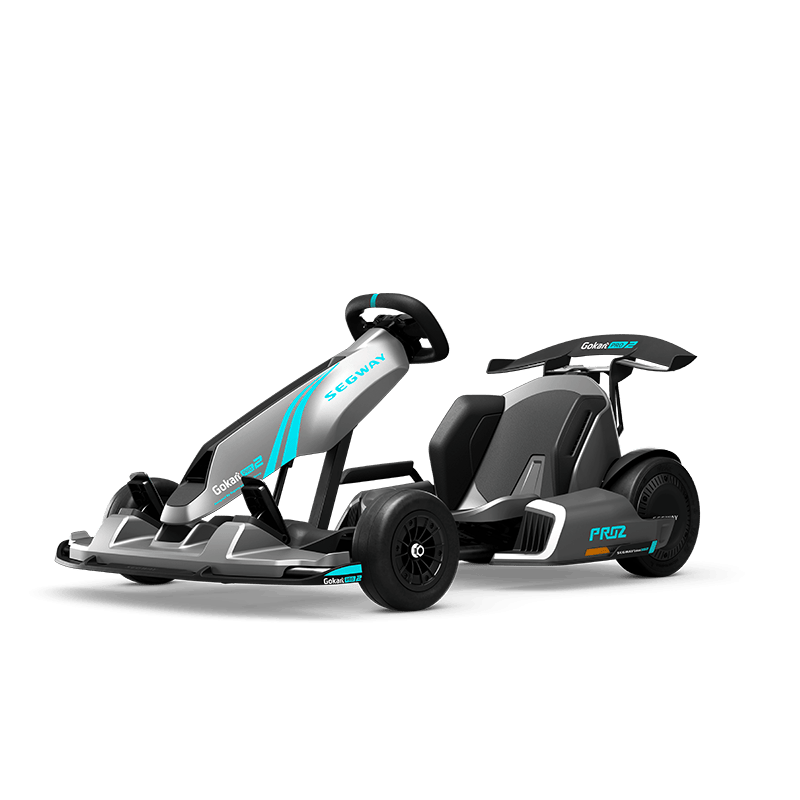
For readers who encounter Segway only through commuter scooters, the GoKart Pro 2 page is a useful correction. It shows the brand’s range is organised around several forms of electric movement, not one universal vehicle.
Segway Lumina brings portable power into the same ecosystem
The store’s Segway Lumina 500 Portable Power Station takes the brand in a different direction. It is not a mobility product, but it fits the same practical electric theme: stored power that can be carried, used outdoors or kept available for defined household and travel needs.
Portable power is a category where model capacity, output, charging options, weight and compatible devices matter more than brand familiarity. Segway’s Lumina listing gives first-time readers a reason to inspect those details rather than assuming a power station is interchangeable with another model. Check the exact ports, operating guidance and intended load on the current page.
The product also changes the way we read Segway’s range. The company is presenting electricity as an everyday tool, whether it is moving a rider, supporting a leisure activity or providing power away from a wall outlet. That is a coherent story, although the products still need to be judged within their separate categories.
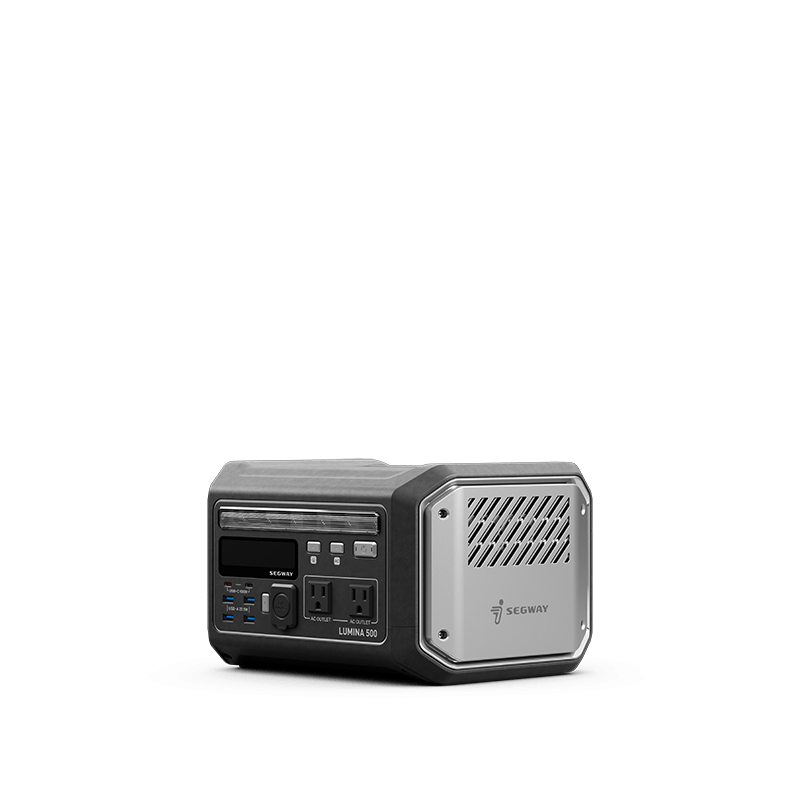
Readers comparing the Lumina 500 with other Segway products should resist comparing unlike specifications. A station’s meaningful questions are output and compatibility; a scooter’s are range, ride control and portability. The store’s category pages are most useful when they are treated as separate decision paths.
Segway also builds entry points for younger riders
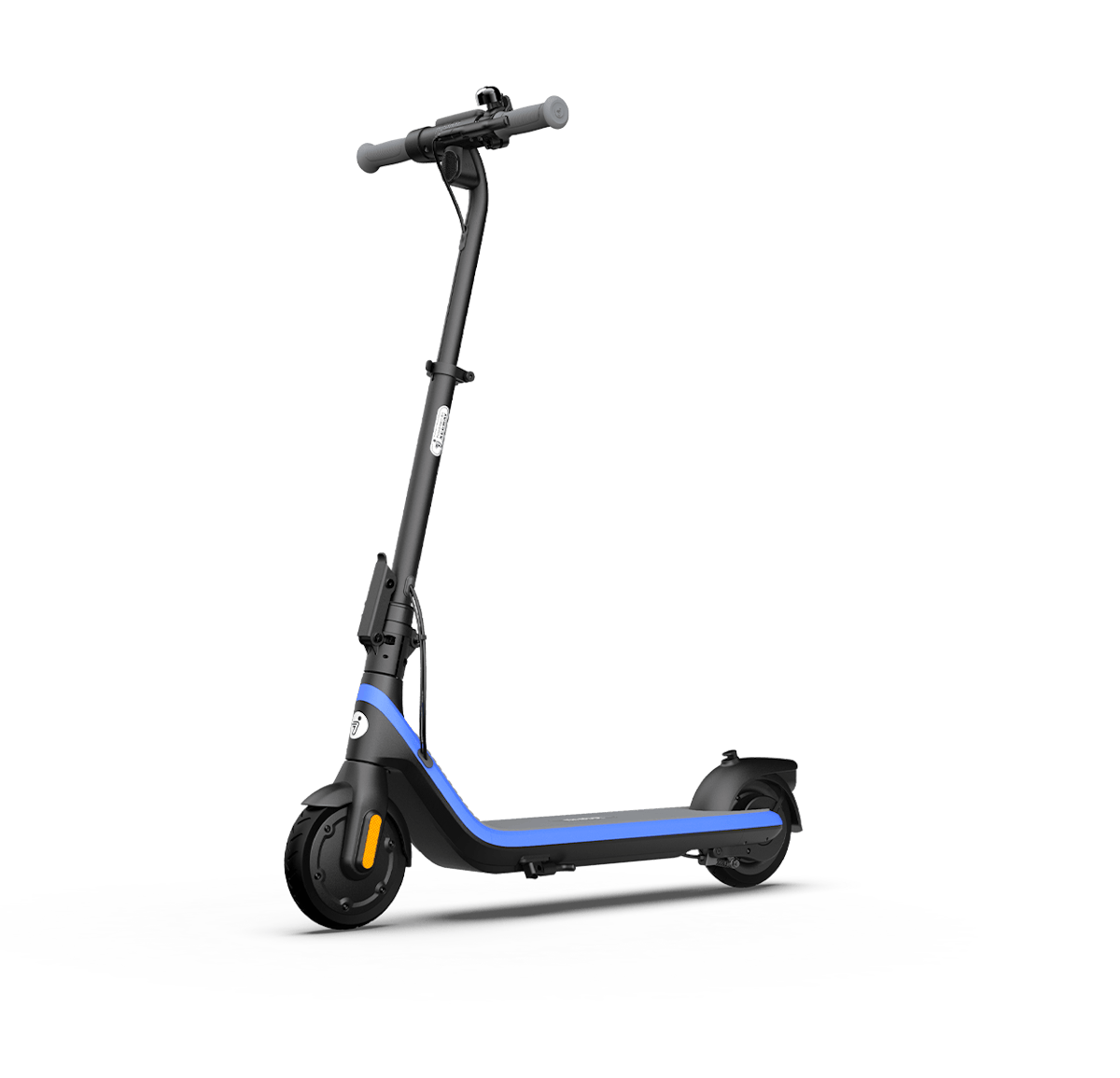
The Segway C2 Pro shows how the brand adapts its mobility language for children. The store lists a maximum speed of 12.4 mph, a stated range of 9.3 miles, a 2.8-inch screen and a stated rider fit from 3 feet 8 inches to 5 feet 6 inches. Those details make age, height and supervision central to the decision.
That is a useful distinction from simply buying a smaller adult scooter. A kids model should be considered through the rider’s fit, confidence, protective equipment, route and supervision plan. The C2 Pro listing is the place to confirm current guidance and availability rather than relying on a general category description.
- Fit first: use the stated height range as a starting check.
- Route second: consider where the scooter will actually be used.
- Safety always: follow the product guidance and use appropriate protective equipment.
Across the range, Segway’s useful differentiator is not one feature shared by every product. It is the attempt to put specific electric formats around recognizable use cases, then support them with product pages, accessories and service information. The trade-off is that buyers must do more category-specific research.
The honest verdict
Segway deserves attention from first-time readers because its US store tells a bigger story than the familiar scooter association. The Ninebot S2 represents compact self-balancing transport, Xyber represents a larger e-bike format, GoKart Pro 2 adds recreation and Lumina 500 broadens the story into portable power.
The honest limitation is range complexity. Segway is not one simple buying decision, and published performance figures are not guarantees for every rider or environment. Start with the job, compare the exact model page, check current price and stock, and read the support and safety information before ordering.
Segway is worth exploring when you want several electric product paths in one store, provided you match the model to the actual use case.