





We examine the Segway MAX G3 Plus Electric Scooter’s range, ride hardware, safety features and ownership fit for everyday commuting.
Choosing an electric scooter is less about collecting the longest specification sheet and more about matching the machine to the route. A short, flat trip has different needs from a mixed commute with rough pavement, hills, traffic and limited charging time.
That is where the Segway MAX G3 Plus Electric Scooter becomes an interesting single-product review. The store positions it around long range, a fast top speed, suspension and commuter-oriented controls. We are looking at what those details establish, who can use them and where they may be more scooter than a casual rider needs.
Heads-up: we earn a commission from some links in this article. It never changes the price you pay.
The short version: The MAX G3 Plus is the clearest Segway choice for a rider who wants a serious daily scooter with substantial stated range, suspension and road-focused equipment. Its size, speed and performance orientation make less sense for occasional short hops or anyone prioritising the simplest, lightest machine. Check the live store listing for current price, availability and configuration.
The MAX G3 Plus is built around longer commutes
The product page gives the MAX G3 Plus a stated range of 56 miles, a top speed of 28 mph and peak motor output of 2,200W. Those figures make the scooter’s purpose fairly clear: it is designed for riders who want more headroom than a basic last-mile model provides. Real-world range will depend on rider weight, terrain, temperature, speed and riding mode, so the headline figures should be treated as store-listed benchmarks rather than a promise for every route.
- Long-route focus: the listed range supports longer commutes and fewer charging stops.
- Performance reserve: the stated peak output is aimed at more demanding starts, inclines and riding conditions.
- Road equipment: suspension and turn-signal features address the uneven, visible and stop-start nature of urban travel.
- Daily practicality: the integrated display keeps key ride information in the same place as the controls.
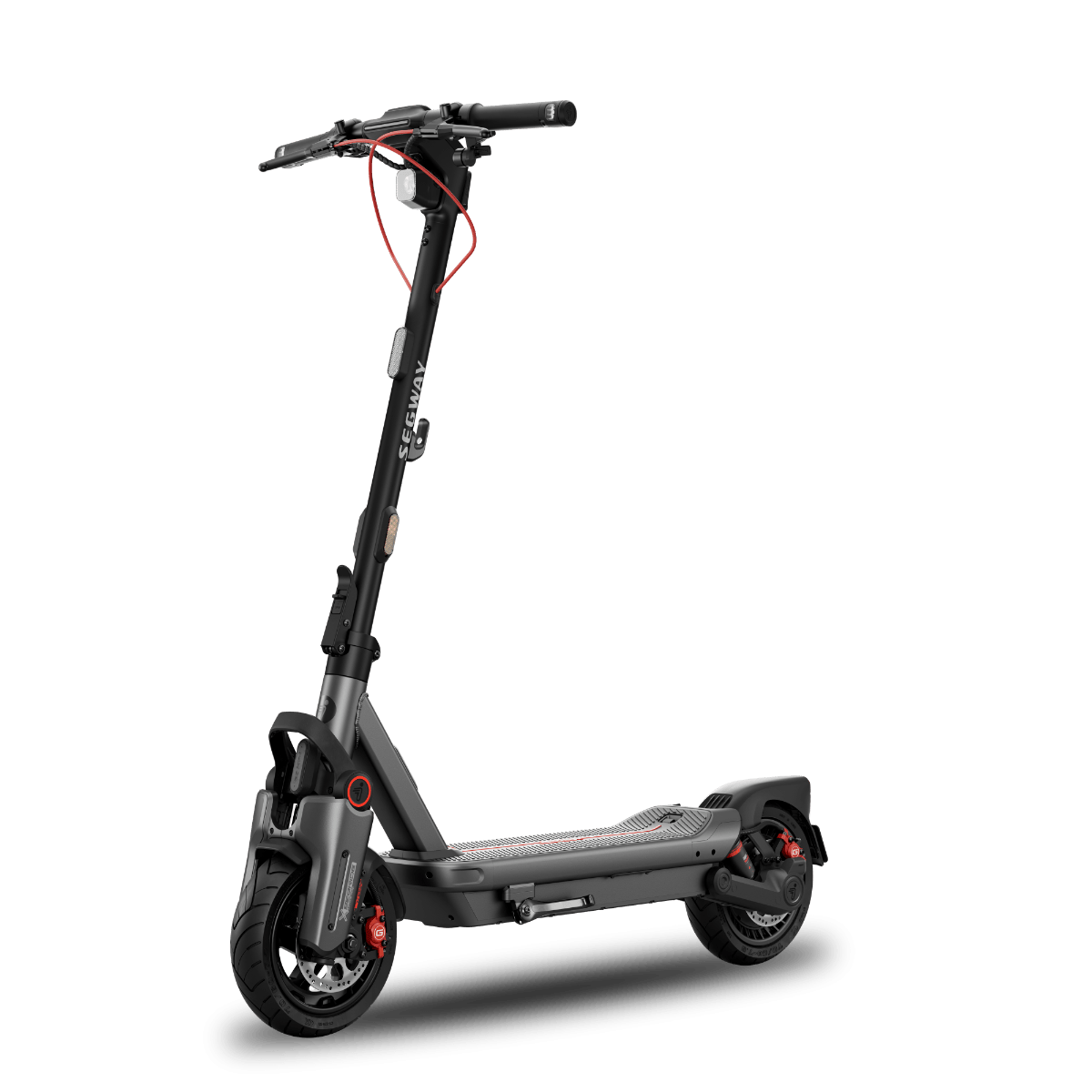
For someone travelling across a city or combining bike paths with ordinary roads, this package is coherent. A rider who only needs a brief trip to a station may not use enough of the MAX G3 Plus to justify its larger performance envelope. The store’s current Segway listing is the useful place to confirm what is included, which configuration is available and whether delivery applies to your address.
Suspension and controls make the commute more manageable
The strongest case for the MAX G3 Plus is not one isolated specification. It is the way the ride features work together. Suspension can make imperfect pavement less tiring, while traction control is relevant when grip changes between dry asphalt, painted markings and damp surfaces. Turn signals and an integrated display also speak to repeated road use, where communication and information matter every day.
- Suspension for a more controlled feel over ordinary road imperfections.
- Traction control listed for added confidence when surface grip varies.
- Turn signals to make changes of direction clearer to surrounding road users.
- An integrated display for speed and ride information without adding a separate device.
- A performance-oriented frame and motor package that needs a suitable storage and charging plan.
These features do not remove the responsibilities of riding. Local rules, helmet use, lighting, route legality and safe speed still matter. The MAX G3 Plus product page can confirm the current equipment description, and the store’s scooter details are worth checking before ordering. Readers should also consider whether their regular route allows a scooter with this stated top speed.
Segway’s other products clarify the MAX G3 Plus choice
Segway’s store is useful context because it shows how sharply the MAX G3 Plus is aimed at commuting. The MUXI Pro eBike is described with a 750W motor, 80Nm torque, a 716Wh battery, auto-shifting and traction control, making it a more practical direction for carrying people or goods. It is not a direct substitute, but it shows when a seated cargo format may be the better answer.
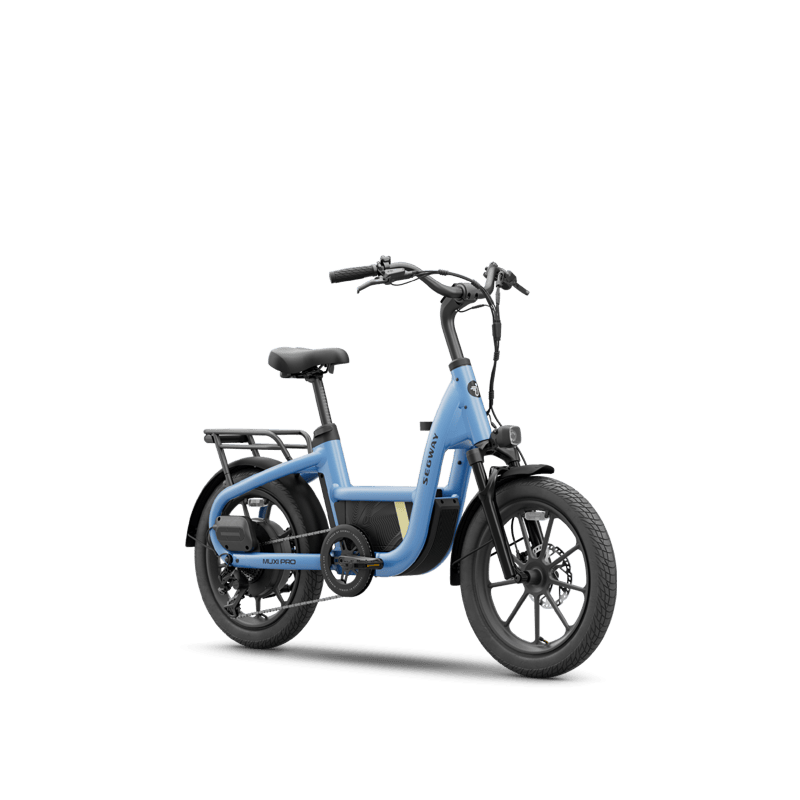
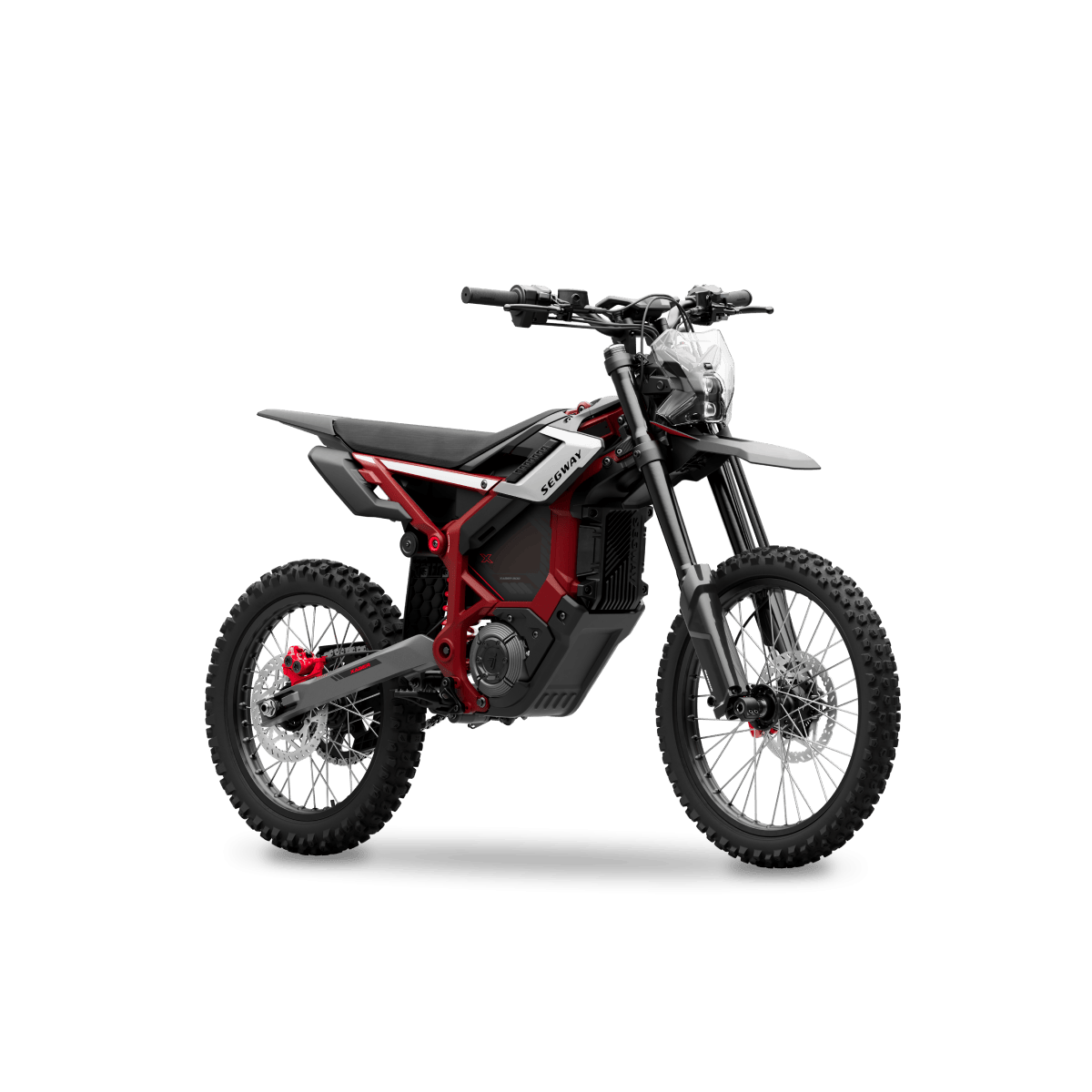
At the other end, the Xaber 300 is an electric dirt bike for off-road use, while the ZT3 Pro sits closer to the scooter category with a more rugged visual identity. Readers comparing terrain can view the Xaber 300 details alongside the MAX G3 Plus listing. These products help define the MAX G3 Plus as the middle ground for paved mobility: more road-ready than a basic model, but not intended to replace a cargo bike or trail machine.
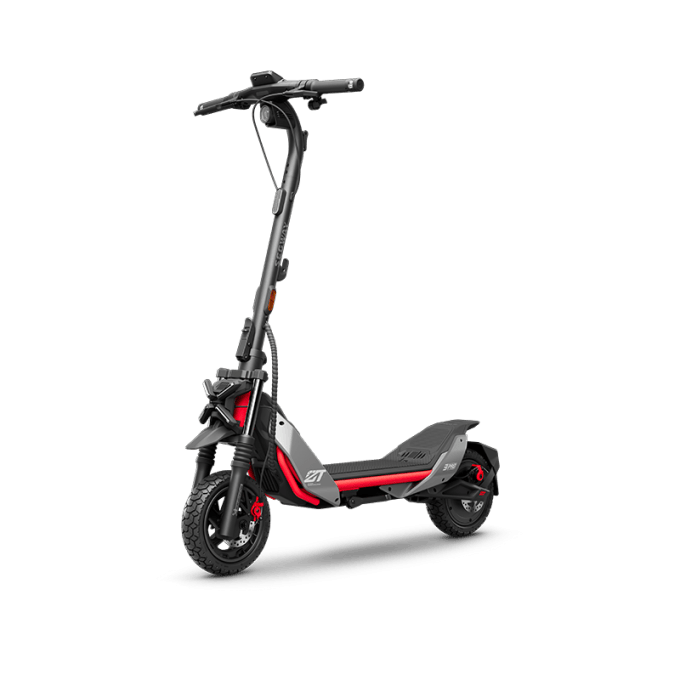
- Choose the MAX G3 Plus when your route is long, varied and primarily paved.
- Consider the MUXI Pro when cargo capacity, a seated position or passenger-focused utility matters more.
- Look at the Xaber 300 when the main use is off-road recreation rather than a city commute.
- Use a smaller Segway scooter when storage, portability and short trips outweigh range and output.
The buying decision depends on route, storage and support
A performance scooter should be judged as part of a routine. Before ordering, we would check the route, charging point, storage location and local riding rules. The live Segway MAX G3 Plus listing is also where to verify current price and availability, while the official store route keeps the buying path in one place. Those details can change and the article is not a maintained price sheet.
- Route: confirm that the distance, surface and permitted roads fit the scooter’s intended use.
- Storage: plan for a full-size scooter, charging access and protection from weather.
- Rider fit: make sure the stated speed and performance are useful rather than unnecessary.
- Ownership: review Segway’s support, parts and app information before committing to a long-term routine.
Buying from the official store keeps the product page, accessories, parts and support context together. That does not make every ownership question disappear, and readers should still check delivery, returns, warranty terms and service coverage in the current store information. It does make the MAX G3 Plus purchase path easier to evaluate in one place, with the product page as the reference point.
The MAX G3 Plus suits committed commuters more than casual riders
The best match is a rider who can use the product’s stated range and road equipment several times a week. That might be a long urban commute, a mixed route with hills or a rider who wants one scooter to cover more than a station connection. The combination of suspension, controls and performance gives the MAX G3 Plus a credible everyday role.
It is less convincing for a buyer who wants to carry a scooter up stairs, store it in a tight apartment or use it only for occasional short trips. A lighter, simpler option may be easier to live with. Segway’s Ninebot S2 self-balancing format and E2 Plus scooter show that the wider range includes different priorities, even though neither is a like-for-like substitute for the MAX G3 Plus.
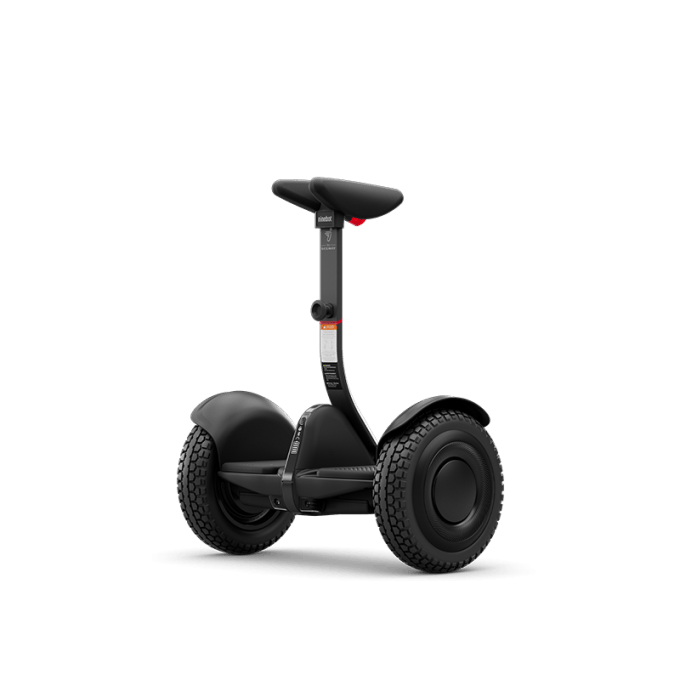
Our recommendation is therefore conditional but clear. If the route is long and paved, the rider values stability and controls, and there is a sensible place to store and charge a larger scooter, the MAX G3 Plus is the Segway offering to investigate first. If portability is the main concern, start elsewhere in the store and compare the smaller formats.
The honest verdict
Segway’s MAX G3 Plus makes a strong case as a long-range commuter scooter because its stated range, speed, output, suspension and road controls all point toward repeated, demanding use. We would recommend checking the live listing if those features match your route and you want more capability than an entry-level model.
The limitation is equally important: this is not the obvious choice for every rider. Its performance focus can mean more size, cost and responsibility than a short-trip buyer needs, and store-listed range figures will vary with conditions.
The MAX G3 Plus is worth checking first when your commute is long enough to justify a full-size, performance-focused scooter.