





We examine what REHAB Your Hair’s wash-day products and targeted oils promise, where the range is most convincing, and what shoppers should verify before choosing.
REHAB Your Hair takes a step-by-step approach to haircare: a milky wash, a rinse-out conditioner, and more targeted leave-in or oil treatments. That makes the range straightforward to browse, but it also leaves a practical question: are the product roles specific enough to help shoppers build a routine without buying more than they need?
We reviewed the brand’s UK product information and descriptions. The clearest case is for readers looking to address one routine step at a time, especially cleansing, conditioning or adding an oil. Its product claims are brand descriptions, so they should be read as positioning rather than independent proof of results.
Heads-up: we earn a commission from some links in this article. It never changes the price you pay.
The short version: The range is easiest to recommend when you have a defined need: Shampoo Milk for a gentler-feeling cleanse, Conditioner Milk for detangling and softness, or a capsule oil matched to your hair type. The trade-off is that shoppers still have to judge suitability from product descriptions, and should check ingredients, directions and current options on the store before ordering.
- Wash: Shampoo Milk is the cleanser-led choice.
- Condition: Conditioner Milk targets softness and detangling.
- Treat: Dose 1.0 and Dose 1.1 divide by format and hair-type positioning.
Shampoo Milk gives the range a clear cleansing starting point
The brand describes Shampoo Milk as a milky cleanser that removes dirt, sweat, pollution and product buildup without stripping moisture. That is a useful distinction for someone who finds conventional cleansing steps leave lengths feeling dry, though the listing does not establish that every scalp or hair type will respond the same way. The Shampoo Milk product details give its current directions and ingredient information.
In practical terms, this is the most recognisable entry point in the range. It is designed for the wash step rather than positioned as a multipurpose treatment, and the brand also says the formula is intended to soften, detangle and soothe the scalp while cleansing. Those are several benefits attached to one step; shoppers with sensitive scalps or known ingredient sensitivities should read the full Shampoo Milk label before deciding.
- Best fit: a routine that needs a dedicated cleanser.
- Useful cue: the brand highlights buildup removal and moisture retention.
- Check: ingredients and wash directions if scalp sensitivity is a concern.
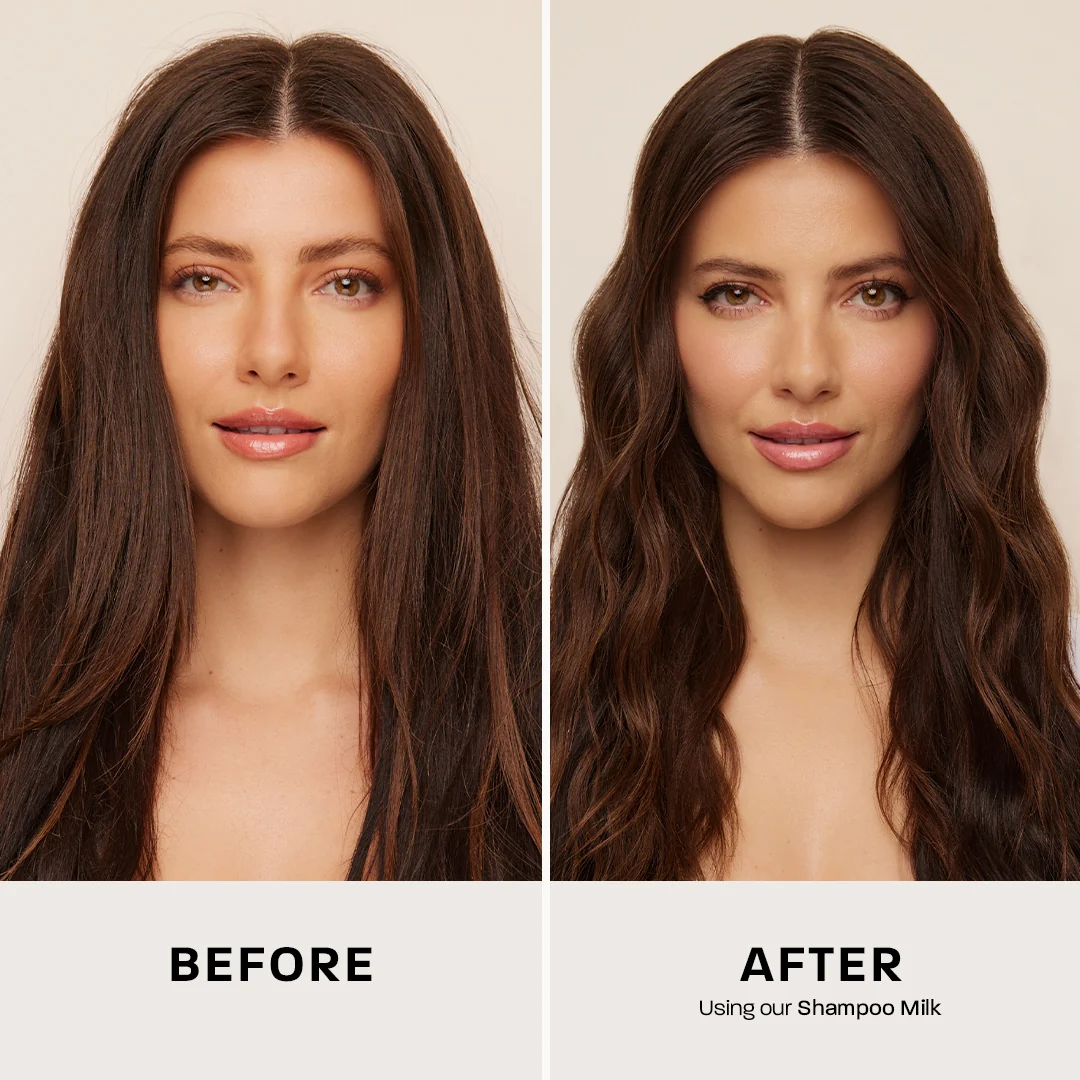
We see a sensible strength here: a defined job and a clear explanation of the problem it is meant to address. The limit is equally clear. “Without stripping” is the brand’s description, not a guarantee for all wash routines, water conditions or styling habits. If you use heavy styling products, check the wash instructions and whether the frequency suits your routine rather than assuming a single cleanser will cover every need.
- Consider it if you want a cleanser described around buildup removal and moisture retention.
- Check first if scalp sensitivity, fragrance or a particular ingredient is a deciding factor.
- Keep expectations measured: the product page explains intended benefits, not comparative clinical evidence.
Conditioner Milk focuses on slip and manageability
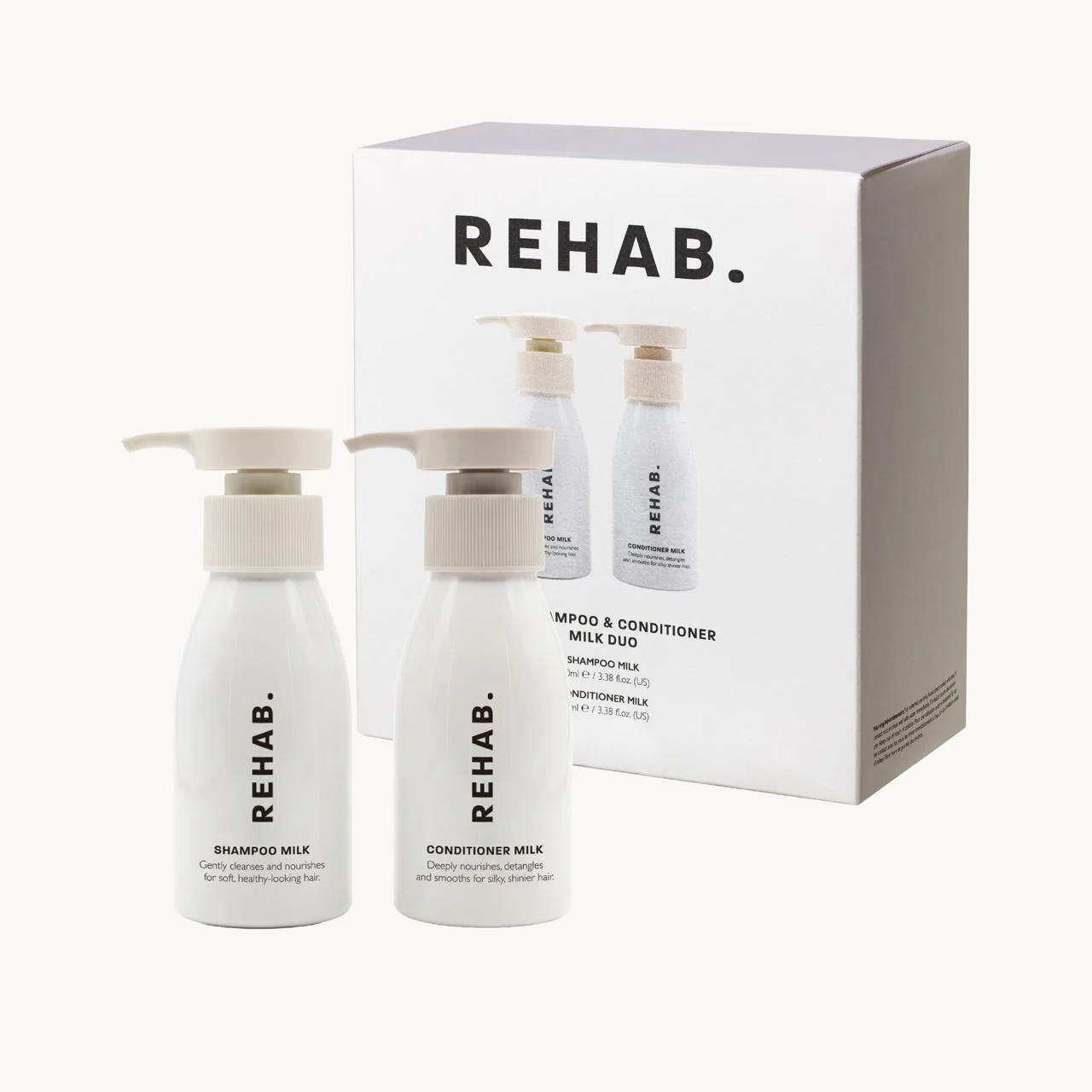
Conditioner Milk is the natural partner for people who want a rinse-out conditioning step after cleansing. The brand lists argan oil, hydrolysed plant proteins and shea butter, and describes the formula as helping to smooth, detangle and soften without weighing hair down. The Conditioner Milk listing makes that combination more concrete than a generic “nourishing conditioner.”
The promise is most relevant to lengths that tangle or feel rough after washing. A lighter feel may matter to shoppers who avoid richer conditioners, but weight and finish depend on hair density, amount used and application. The directions and formula notes do not offer a robust hair-type comparison, so it is worth choosing conservatively at first.

As a pair, Shampoo Milk and Conditioner Milk create a coherent wash-day foundation. That does not mean both are necessary for everyone: a shopper already happy with their cleanser may only be looking for conditioning, while someone prioritising scalp cleansing may not need another step. A compact travel-format Shampoo Milk option and the separate Conditioner Milk details help clarify the two jobs; the mini duo is a smaller format, not a separate formula.
- Choose the shampoo when cleansing and buildup are the unresolved step.
- Choose the conditioner when detangling and softness matter more.
- Consider the duo if you want both wash-day steps in a smaller format.
Dose oils separate the general option from the fine-hair version
The oil range is more specialised. Dose 1.0 Hair Oil is supplied in biodegradable capsules, which makes the format distinctive and suggests a measured, single-use approach. That can appeal to someone who prefers portioned application and a compact format. It may be less attractive if you prefer a conventional bottle, want to vary the amount freely, or are trying to minimise single-use packaging; the brand’s biodegradable description does not remove the need to check how the packaging should be disposed of locally.
Dose 1.1 Fine Hair Oil is presented as the option for fine hair. This is a useful bit of range segmentation: fine hair can be easily weighed down by products designed for richer application. Still, “for fine hair” is a positioning cue, not a promise that every fine-haired shopper will like the finish. The product details should guide whether its instructions and ingredients fit your routine.
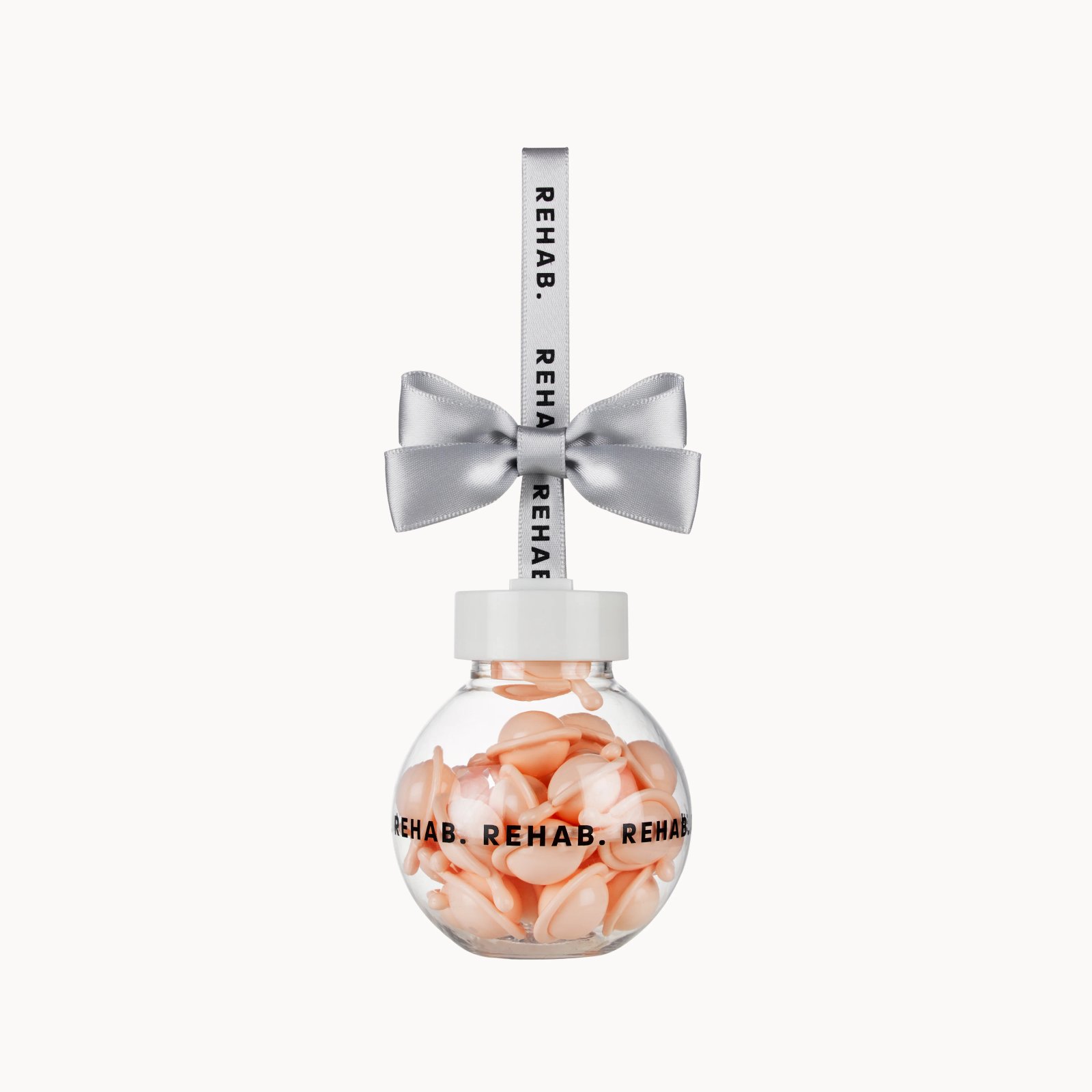
The distinction is clearest when you decide based on application and hair type rather than treating the oils as interchangeable. Review the Dose 1.0 Hair Oil page for the standard capsule option and the Dose 1.1 Fine Hair Oil listing for the fine-hair positioning. For either one, check the Dose 1.0 directions or Dose 1.1 directions and whether the amount per capsule fits your length and styling habits.
- Dose 1.0 is the clearer fit if portioned capsules are appealing.
- Dose 1.1 is the more relevant starting point if your hair is fine and you want a specifically positioned option.
- Neither is automatic if you dislike capsule packaging or need a highly adjustable amount.
The range works best when you buy for a specific routine gap
Across the products, the strongest organising idea is functional clarity. The brand separates cleansing, rinse-out conditioning and oil treatment, then gives the oils distinct formats or audience cues. A shopper can map those roles to a routine without needing to decode a complicated system. That is a practical strength for people who already know whether their main concern is buildup, tangling or finishing with oil.
The weaker point is the evidence layer. Product pages explain intended use and feature ingredients, but the information reviewed here does not provide independent comparisons, detailed test results or enough tailored guidance to settle every question about performance. Hair texture, scalp condition, styling habits and ingredient tolerance all affect whether a formula is a match. A product description can help narrow a choice; it cannot guarantee an outcome.
Before choosing, we would keep the decision narrow:
- Write down the routine step you want to improve.
- Open that product’s UK listing and read the full ingredients and directions.
- Compare the product format with your preferences, especially capsules versus a bottle.
- Check current availability and product details on the brand store, since listings can change.
This approach helps avoid turning a simple need into a full routine overhaul. If your current wash and condition steps are working, there is no reason in the product information alone to replace them both. A targeted addition can be the more proportionate choice.
The honest verdict
REHAB Your Hair is a considered option for shoppers who want haircare with distinct routine roles and a few focused formula cues. Shampoo Milk and Conditioner Milk form the clearest wash-day pairing, while the capsule format and fine-hair positioning make the Dose oils easier to differentiate. Start with the Shampoo Milk, Conditioner Milk, Dose 1.0 or Dose 1.1 listing that addresses a real gap in your routine.
Our reservation is the limit of the available evidence: the brand’s descriptions are useful for narrowing a shortlist, but they do not establish how every formula performs across different hair and scalp types. Check the current UK product pages for ingredients, directions and availability before choosing.
We recommend REHAB Your Hair for readers who can match a specific product to a specific routine need and are comfortable checking suitability from the store’s product information.