


A clear introduction to the Lit Farms catalog, its flower tiers, and the product-page details that help new readers make sense of the range.
When a hemp flower store carries a long list of cultivar names, the first challenge is not choosing a favorite. It is understanding how the seller organizes the range and what information can help a newcomer compare one listing with another. That is the useful starting point for Lost In Translation, Inc and its Lit Farms storefront.
We reviewed the store’s product information and brand materials for this feature. The catalog puts named flower profiles at the center, adds tier labels, and points shoppers toward batch documentation. Those are practical signals, though the reader still needs to check the live listing and local rules.
Heads-up: we earn a commission from some links in this article. It never changes the price you pay.
The short version: Lit Farms is easiest to understand as a cultivar-led flower store, with Essential, Preferred, and Supreme tiers adding a second way to browse. Its named listings and linked COAs give readers useful starting points, while stock, batch details, and state restrictions still require a check before purchase.
Lost In Translation, Inc puts Lit Farms around named flower profiles
The public-facing shop is Lit Farms, operated by Lost In Translation, Inc. For a first-time reader, that distinction helps: the company name identifies the business, while Lit Farms is the storefront and product experience. Readers can browse the Lit Farms catalog to see how listings are grouped. The catalog is not presented as a generic commodity shelf. Individual THCA flower listings carry cultivar names and descriptions, which makes the act of browsing closer to comparing profiles than scanning a single undifferentiated product.
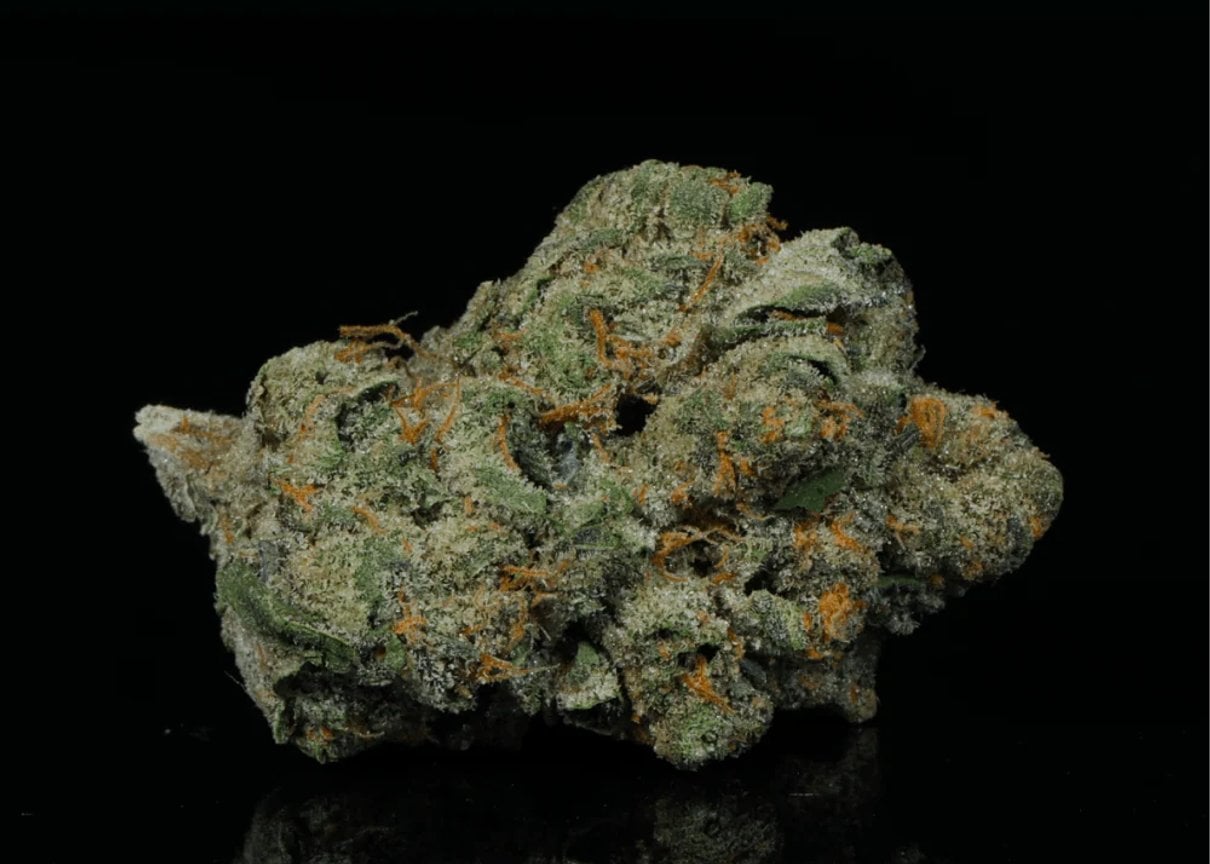
This structure suits readers who arrive with a flavor or lineage preference, or who want to read about one cultivar at a time. The listing for Mochi THCA Flower describes a hybrid cross of Sunset Sherbet and Thin Mint Girl Scout Cookies, with a dessert-leaning aromatic direction. That Mochi product page detail gives a shopper a concrete reference point, though it remains the brand’s description rather than a guarantee of how any individual batch will present.
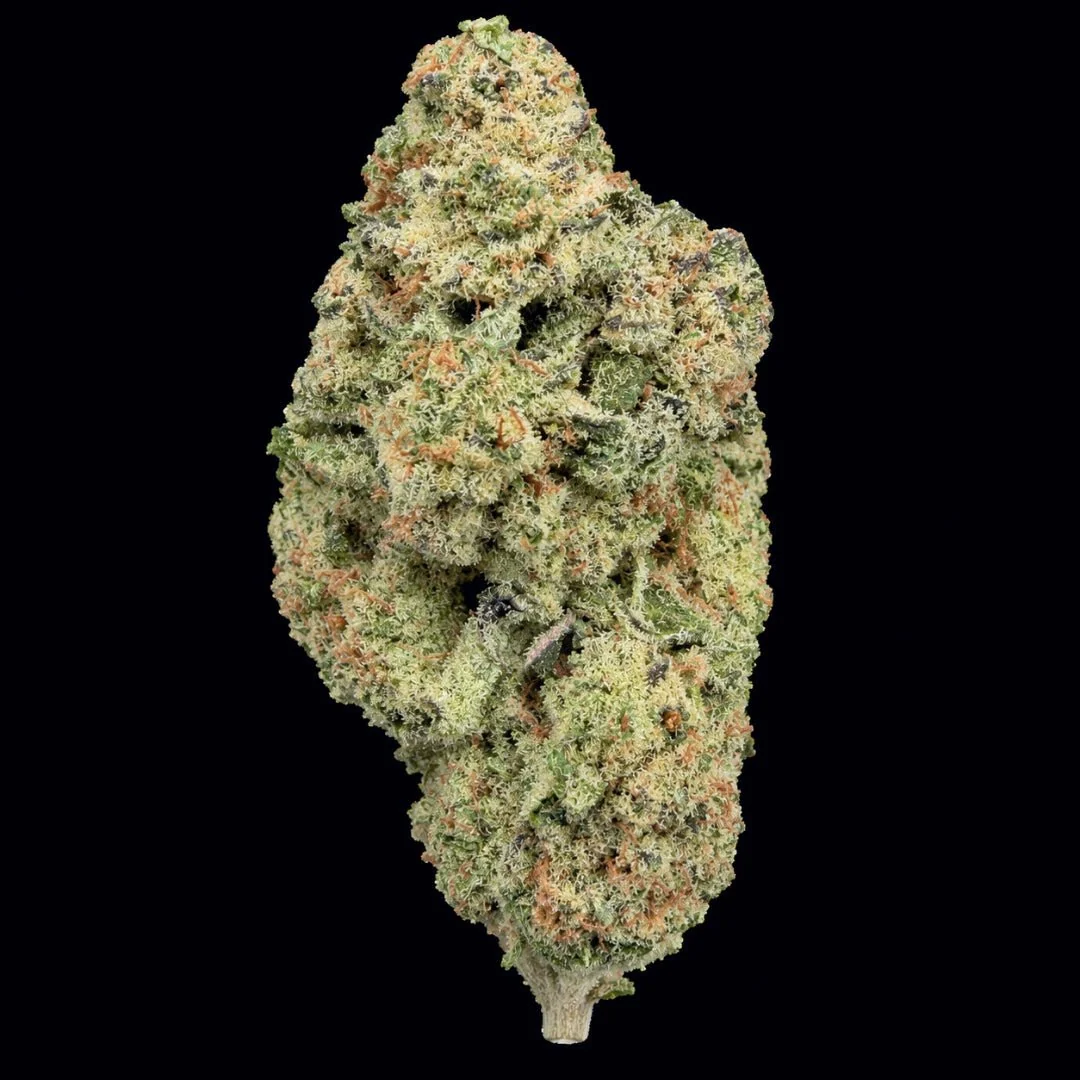
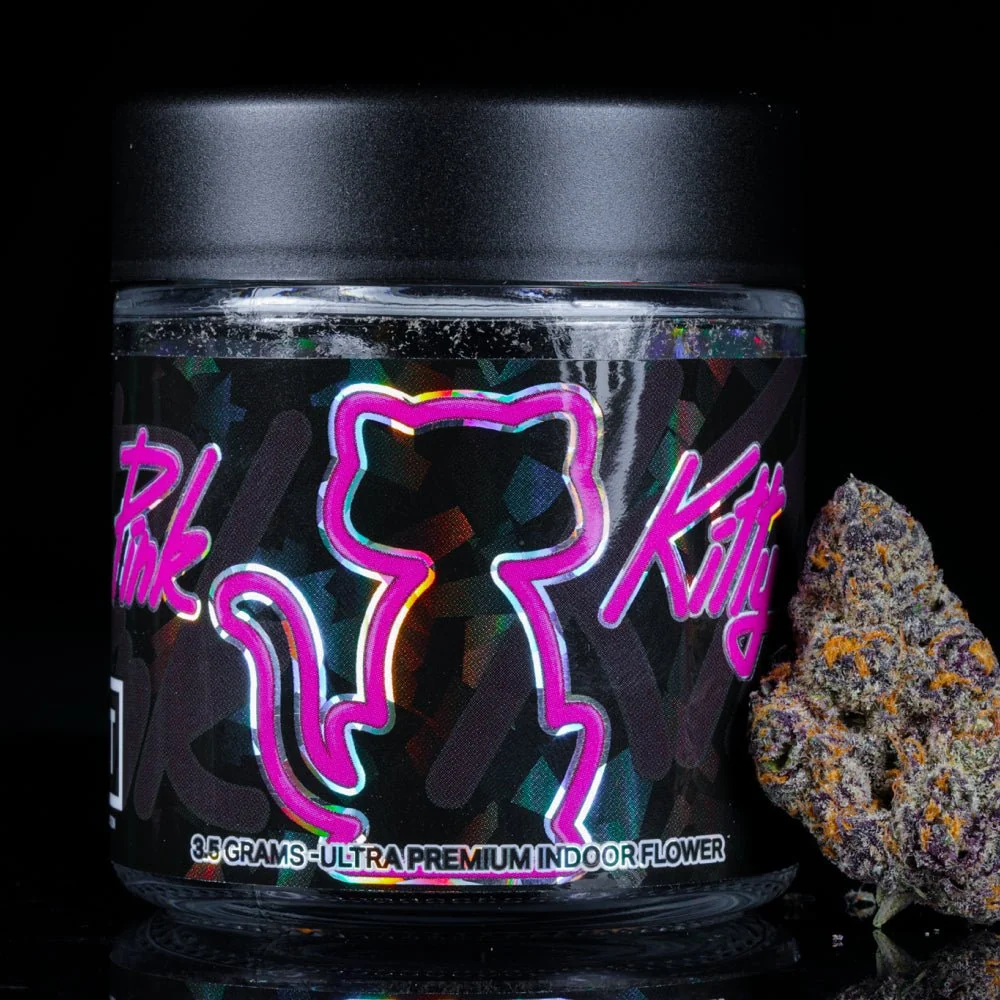
Another example is Pink Kitty THCA Flower. The store describes it as an in-house hybrid bred from WAP and Zoap, with a balanced sativa-indica profile and a flavor-forward presentation. A reader can open Pink Kitty’s listing and compare its description with another cultivar. Comparing those descriptions shows the value of named listings: shoppers can begin with lineage, aroma language, and the seller’s classification instead of relying on tier labels alone.
For readers new to the site, a sensible first pass is to:
- Choose two or three cultivar pages that sound relevant, rather than trying to assess the whole catalog at once.
- Read the listed lineage and aroma notes as descriptions, not promises of effects.
- Check whether the current page identifies a batch and links its supporting documents.
- Confirm that the product can ship to the destination state before narrowing the choice.
Lit Farms uses three tiers to add another browsing lens
The store groups flower into Essential, Preferred, and Supreme tiers. The flower collection makes these groups visible while browsing. These labels are useful as a navigation layer: they distinguish selection and presentation within the catalog, according to the store. They do not replace the cultivar name, the listing details, or the documentation. Someone comparing two profiles should still look at the individual page rather than assuming that the tier alone answers which one is the better fit.
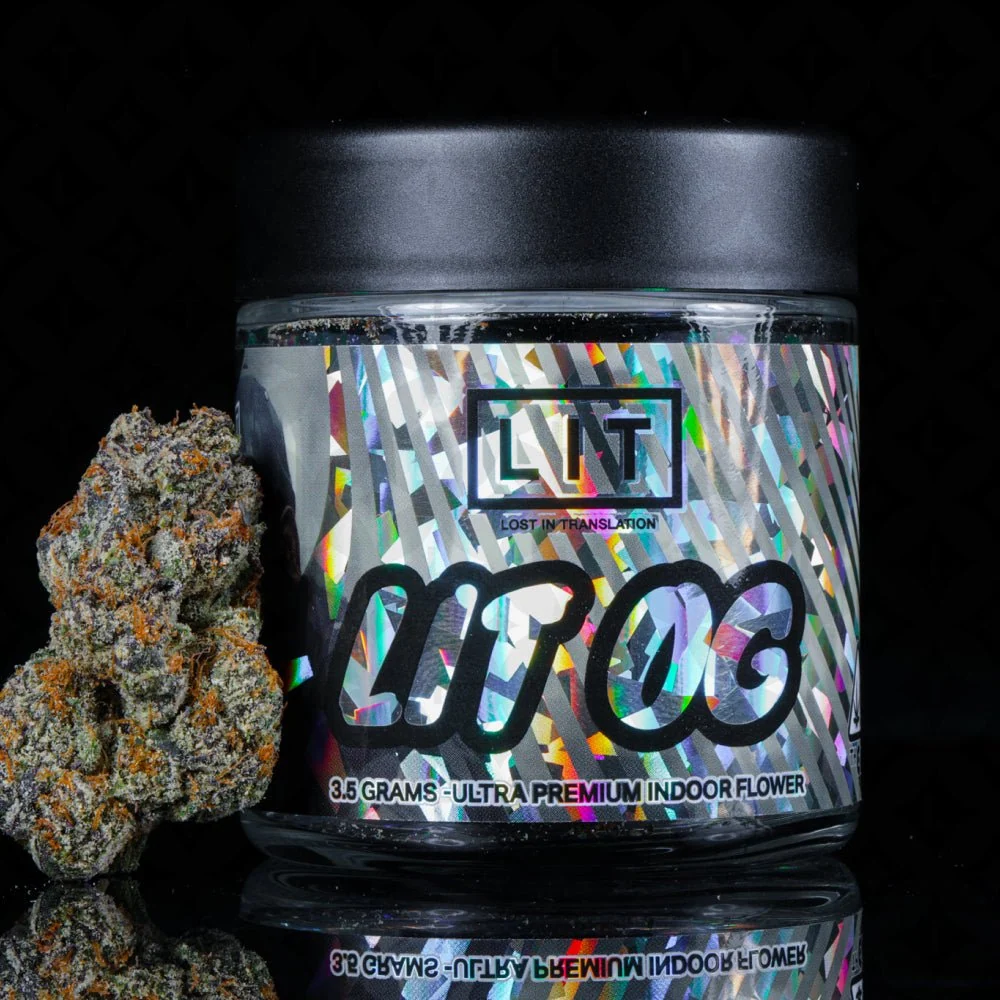
A tier can be a helpful first filter when a catalog feels large. Then the cultivar details can do the more personal work. For example, a shopper curious about a Tahoe OG and Runtz cross can look at LIT OG THCA Flower, whose page identifies those parent cultivars. The LIT OG listing makes that product detail visible. That is a different kind of detail from the tier: one identifies the product’s stated lineage, while the other describes how the store organizes its offer.
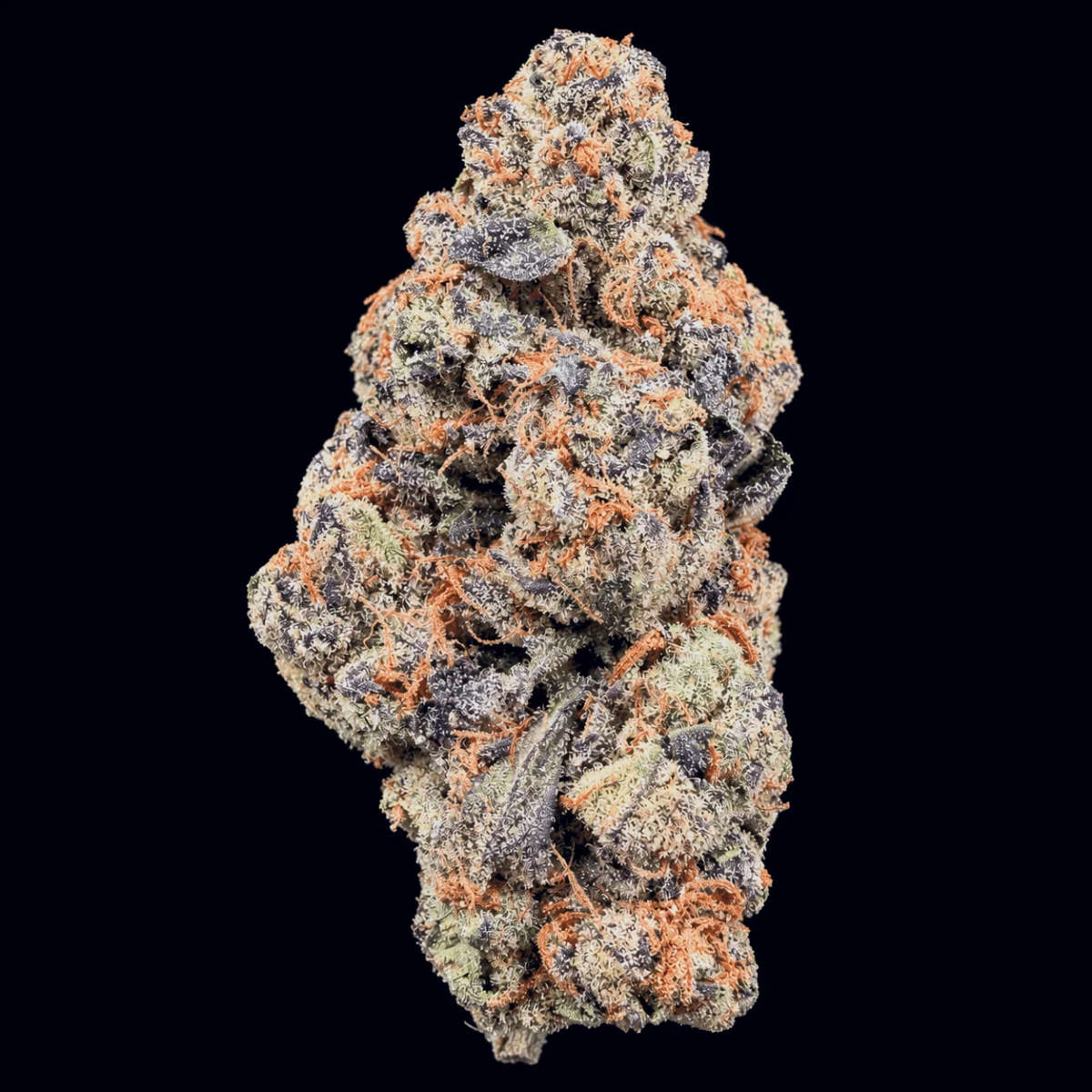
It helps to hold the distinction in mind:
- Cultivar name: the specific listing and the profile the store describes.
- Tier: the store’s selection or presentation grouping.
- Batch record: the documentation connected to a particular product run.
This framework makes the store easier to browse without pretending that every shopper values the same attributes. One reader may start with a familiar cultivar family; another may care more about documentation and availability. Lit Farms gives both readers a path through the range, but they need to use the listing details to make the comparison meaningful.
Product pages make batch documentation part of the decision
One of the more useful features noted across the store is the presence of batch-specific third-party certificates of analysis on product pages. Readers can check the live product pages for the current reports. The linked documents cover categories such as cannabinoids, terpenes, residual solvents, pesticides, and heavy metals. That gives a careful shopper something verifiable to inspect alongside the marketing description, especially when the reader wants to understand what the page says about a particular batch.
A shopper can review the Mochi page as one example of a cultivar listing. Documentation is most helpful when it is read with its context intact. Check that the linked report matches the product or batch shown, note the date or identifier if supplied, and look at the categories the report actually includes. A certificate is not a substitute for understanding applicable rules, and it does not establish that a product is suitable for a particular person. Readers exploring the Lit Farms range should treat the documents as product-specific information. These are hemp-derived THCA products, so readers should also understand the legal and health considerations that apply to them before deciding whether to proceed.
For anyone scanning a product page, this short checklist can keep the research grounded:
- Read the current product description and confirm the cultivar name.
- Open the available COA and verify its batch connection and listed test categories.
- Review the current shipping eligibility and any age requirement stated by the store.
Readers can start with a specific listing such as Mochi THCA Flower, then use its live page to check whichever documents and selection details are currently attached. The same process works for Pink Kitty THCA Flower, LIT OG THCA Flower, or another live listing: the product page is the reference, and the report should be read as a report, not as a broad endorsement.
A first visit works best with a few practical checks
Lit Farms’ strongest introduction is its combination of individual cultivar pages, tiered browsing, and product documentation. That combination rewards a reader willing to compare information. It may feel less direct to someone who wants a single universal recommendation, since product descriptions, current batches, and availability can change and the best starting point depends on what that reader prioritizes.
Before moving from research to a cart, it is worth checking these practical points:
- Availability: the store’s live page is the source for current stock and options.
- Eligibility: the cache and store information indicate 21+ eligibility and restrictions on shipping to some states; confirm the current store terms directly.
- Product specifics: use the individual listing for its description and batch documents.
- Cost drivers: selection tier, product size, and available options can affect what a shopper sees, so check the current listing rather than relying on old figures.
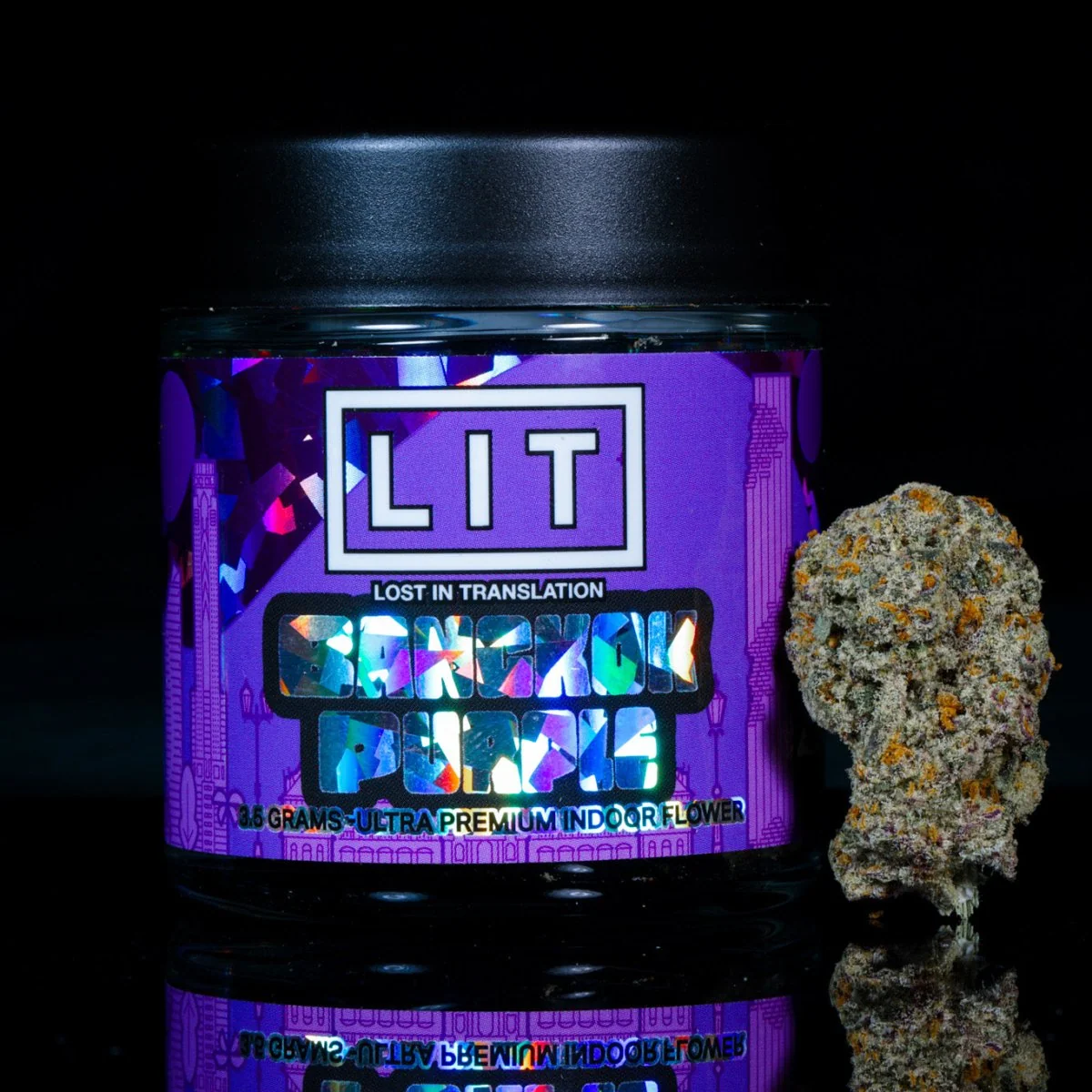
The store also sells non-flower branded items, but flower is the clearest expression of its catalog structure. Readers interested in a broader browsing session can move from a named cultivar to adjacent listings, then compare what each page actually provides. Browse the Lit Farms flower range to see the live selection, and use the store’s own product pages for current details. Review the shipping information before assuming a listing is available in a particular state.
The honest verdict
Lost In Translation, Inc gives Lit Farms a recognizable structure: named cultivars establish the choice, tiers help organize it, and batch COAs add a layer of product-specific information. That makes the brand worth a look for a first-time reader who prefers to compare profiles and verify listing details instead of choosing from a bare category label.
The limitation is that the catalog does not remove the work of checking. Tier labels cannot tell every shopper which cultivar suits them, while stock, batch records, and shipping eligibility can vary. We recommend starting with a small number of listings, reading their current documentation, and confirming the store’s terms for your location. View the Lost In Translation, Inc collection to examine the current range.
For profile-led shoppers who will check the batch details and local eligibility, Lit Farms offers a readable place to start.