



A research-led look at the UK catalogue’s specialist machines, practical strengths and space or routine trade-offs.
Home gym shopping often starts with a simple question: will one machine help make training easier to repeat, or will it become another object to store? Home Fitness Code has a broad UK catalogue, but its equipment is organised around distinct activities rather than a single do-everything station.
We reviewed the UK store’s product information and policies. The clearest way to assess the range is to look at the routines its products support, then weigh that against setup, space and how narrowly each machine is designed.
Heads-up: we earn a commission from some links in this article. It never changes the price you pay.
The short version: Home Fitness Code is most compelling for people who already know what kind of home training they want and are choosing a machine for that job. Specialist options such as a lateral stepper, cable station or dance pole give the range character, but those same focused designs are a poor fit if you need one compact, versatile answer to every workout.
The catalogue covers defined training jobs
The UK store groups its offer across cardio, strength and movement equipment, from treadmills and bikes to cable stations, reformers and dance fitness. That breadth is useful when you want to compare different kinds of home setup in one place. It also means the brand is better understood as a catalogue of individual solutions than as one coherent gym system.
That distinction matters. A cardio device can help establish a repeatable movement habit, while a resistance station needs the user to choose exercises and manage setup. Equipment with a specialist movement pattern may be exactly right for a committed user, but less useful as a speculative purchase. The range rewards clarity about your routine before you start browsing. A person comparing treadmills can start with the Home Fitness Code treadmill range, while a strength-focused buyer may prefer the Lat Pulldown & Row Cable Machine.
- Cardio: treadmills, bikes and steppers for indoor movement.
- Strength: pulley machines, benches and bodyweight stations.
- Focused practice: products such as reformers and dance fitness equipment.
For shoppers comparing categories, the Home Fitness Code catalogue is a starting point, but product-page details matter more than category labels. Check dimensions, adjustment range, assembly notes and any stated user or room requirements before treating two machines as interchangeable.
The U-Shaped Rock Stepper makes cardio more specific
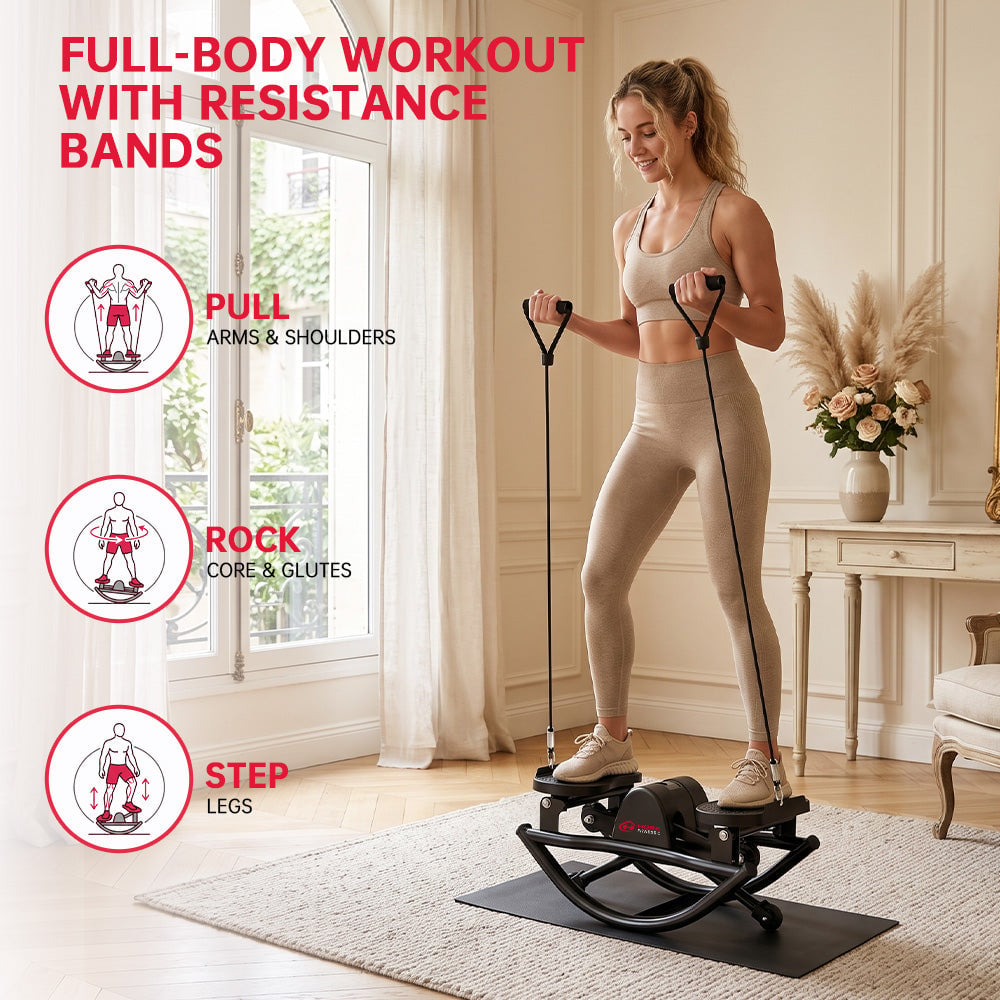
The U-Shaped Rock Stepper is described as a lateral rocking step machine and is listed with resistance bands and a non-slip mat. Those details position it as a focused indoor cardio choice with an additional way to involve the upper body, rather than a substitute for a treadmill or exercise bike.
The appeal is straightforward: its side-to-side pattern offers variety for someone who wants something different from forward walking or pedalling. The limit is equally clear. If your preferred routine depends on running, long continuous rides or measurable progression through a familiar movement, this design may not be the natural fit. Its listing language also cannot tell a buyer whether the movement feels comfortable or sustainable for their individual needs.
Before choosing the U-Shaped Rock Stepper, consider where it will live and whether you will actually use its movement pattern. The listing’s included bands and mat are useful context, yet they do not make it a complete strength setup. For a smaller home, measure the footprint and clearance against the product specification rather than assuming that a stepper is automatically easy to tuck away.
The cable station suits planned strength sessions
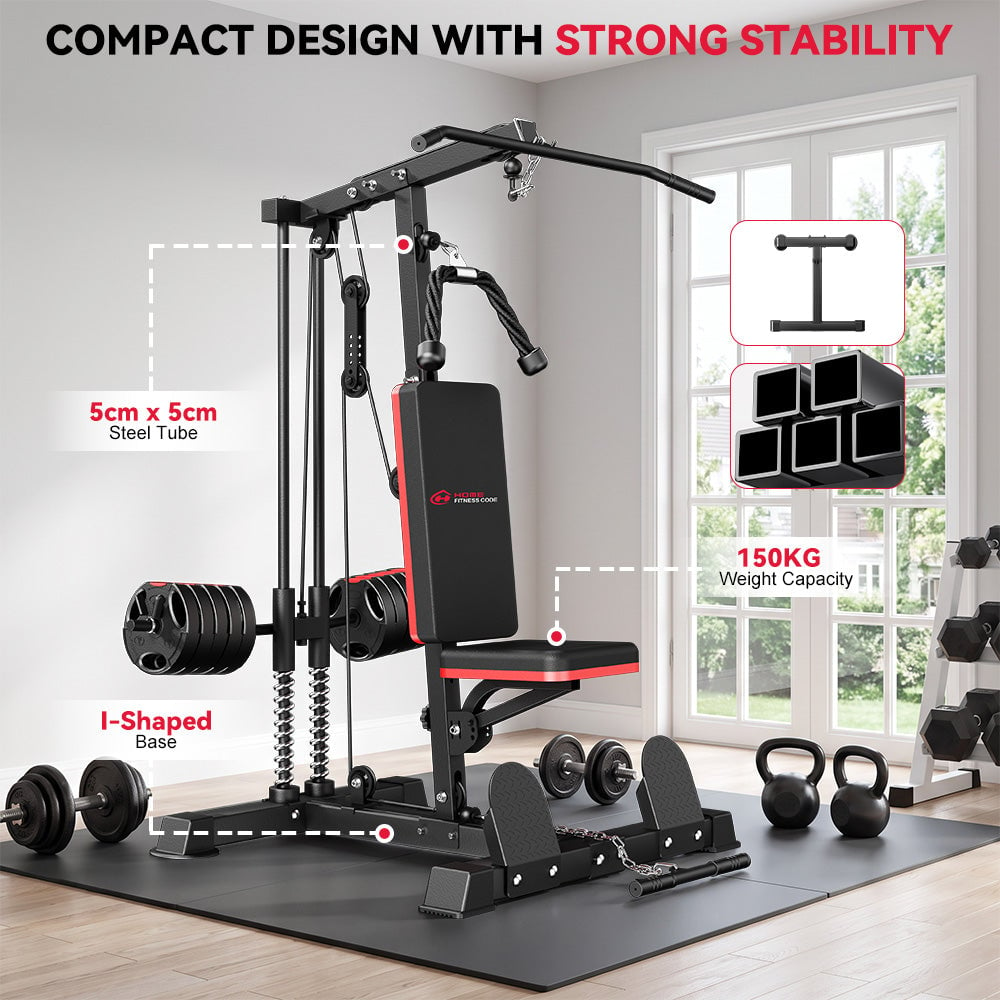
The Lat Pulldown & Row Cable Machine is a more dedicated proposition. Its product name and listing describe high and low pulley positions, making it relevant for people who want cable-based pulling exercises at home. Compared with buying small accessories, a fixed station gives a workout a clear anchor and may reduce the friction of setting up each strength session.
That focus comes with real demands: a station needs a suitable place, space to move around it, and a plan for using the available pulley positions. We would not treat it as a compact all-body solution simply because the listing mentions two pulley heights. Check the product page for dimensions, supplied components and assembly information, and compare those details with your own training plan.
For the right user, the Lat Pulldown & Row Cable Machine is more purposeful than a general collection of bands and handles. For someone without a settled strength routine, it may be an expensive and space-hungry way to begin. Read the listing as a piece of equipment for a chosen programme, not a programme in itself.
The dance pole is a specialist choice with setup checks
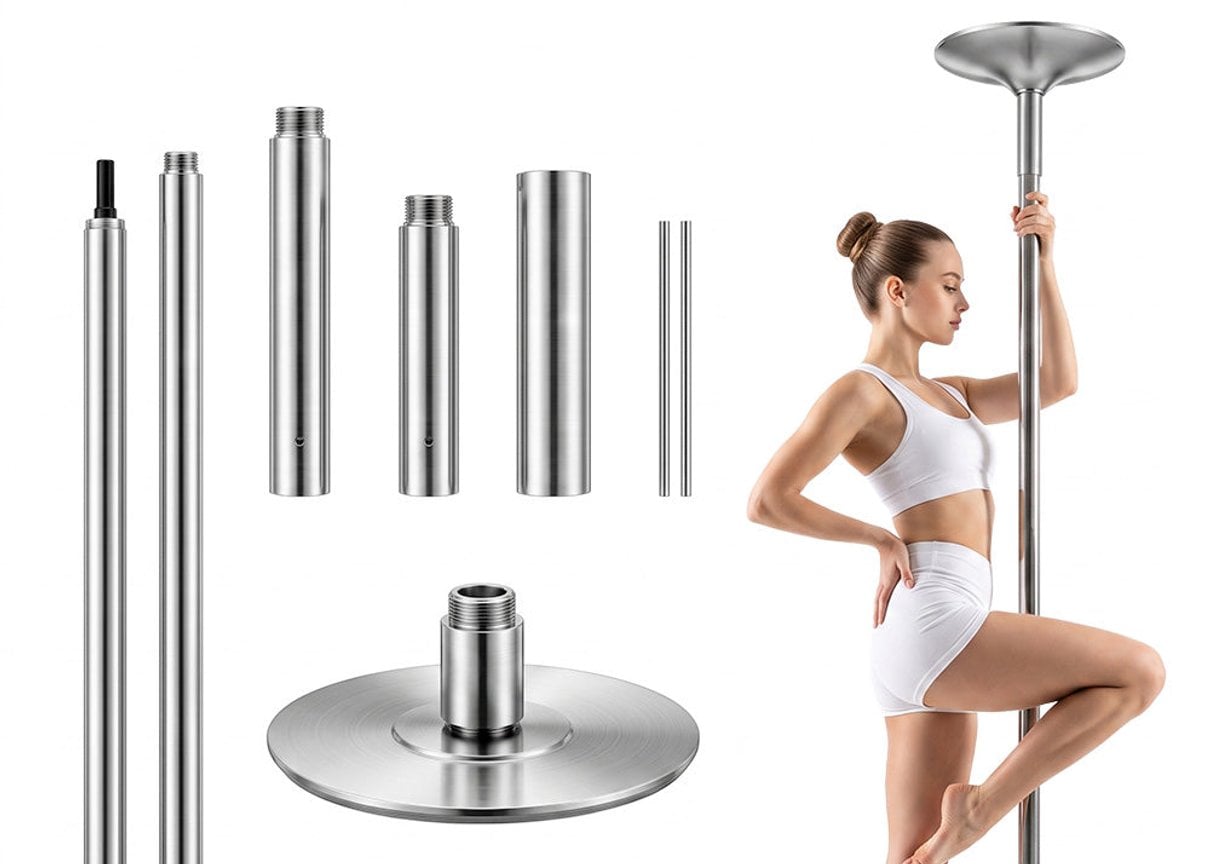
The Height Adjustable Fitness Dance Pole Kit is perhaps the clearest example of the store’s specialist end. The height-adjustable design speaks to dance fitness and pole practice, not to general cardio. For an experienced enthusiast looking for dedicated home practice equipment, that clear purpose is a strength.
It is also a purchase where product-page checks deserve extra care. Confirm the stated height range, installation method, compatible ceiling or floor conditions and safety guidance for the intended room. The word adjustable does not establish that a pole will suit every ceiling or space. If your training interests are still broad, a specialist installation may narrow your options before you know what routine you will keep.
- Choose the pole when dance or pole practice is already part of your routine.
- Choose the stepper when lateral movement sounds more appealing than walking or cycling.
- Choose the cable station when you have a strength plan that uses pulley exercises.
The Height Adjustable Fitness Dance Pole Kit is not a shortcut to a varied workout, but it may be more relevant than multipurpose equipment for someone who practises this discipline consistently. The Height Adjustable Fitness Dance Pole Kit should therefore be considered on its own installation requirements, not as a general fitness purchase. That is the central trade-off across much of the catalogue: closer fit for a known activity, less flexibility when your needs change.
Store policies help, while product checks remain essential
The store states that it offers free delivery, a 30-day returns period and a one-year warranty. These are helpful headline assurances, but they are not a replacement for reading the relevant terms for the exact item. Returns conditions, delivery arrangements and warranty coverage can have details that matter for bulky equipment, so review the current UK policy pages before purchase.
A practical pre-purchase check can reduce avoidable mismatch:
- Measure the machine’s footprint and the space needed to use it safely.
- Check assembly, installation and any ceiling or floor requirements.
- Confirm what accessories are included and which are separate products.
- Read the current delivery, returns and warranty terms for the product.
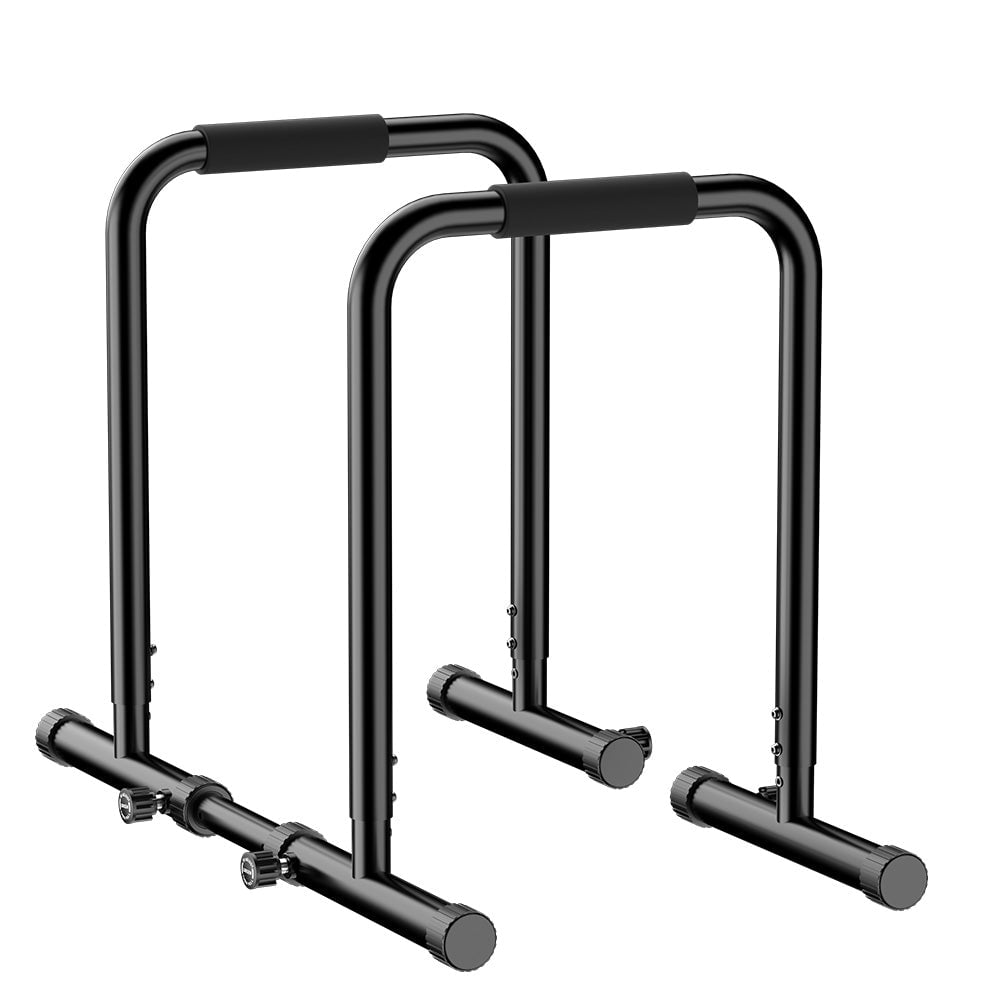
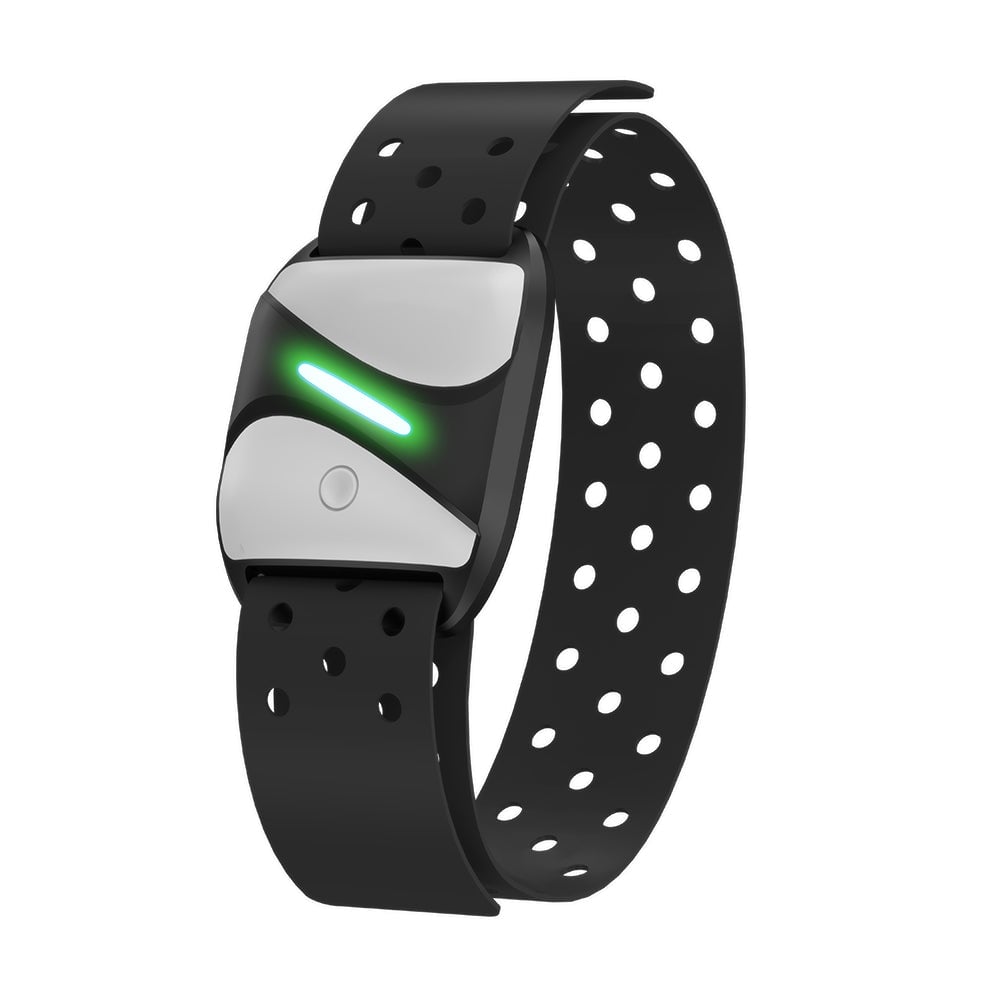
There are also smaller accessories and narrower strength devices in the catalogue. A heart rate monitor armband, for example, is a different kind of decision from a full machine: its value depends on whether it fits the way you track training. The point is to start with the routine, then decide if a product adds a useful function rather than browsing by novelty. Those who use connected training data may want to read the monitor product information carefully before choosing an accessory.
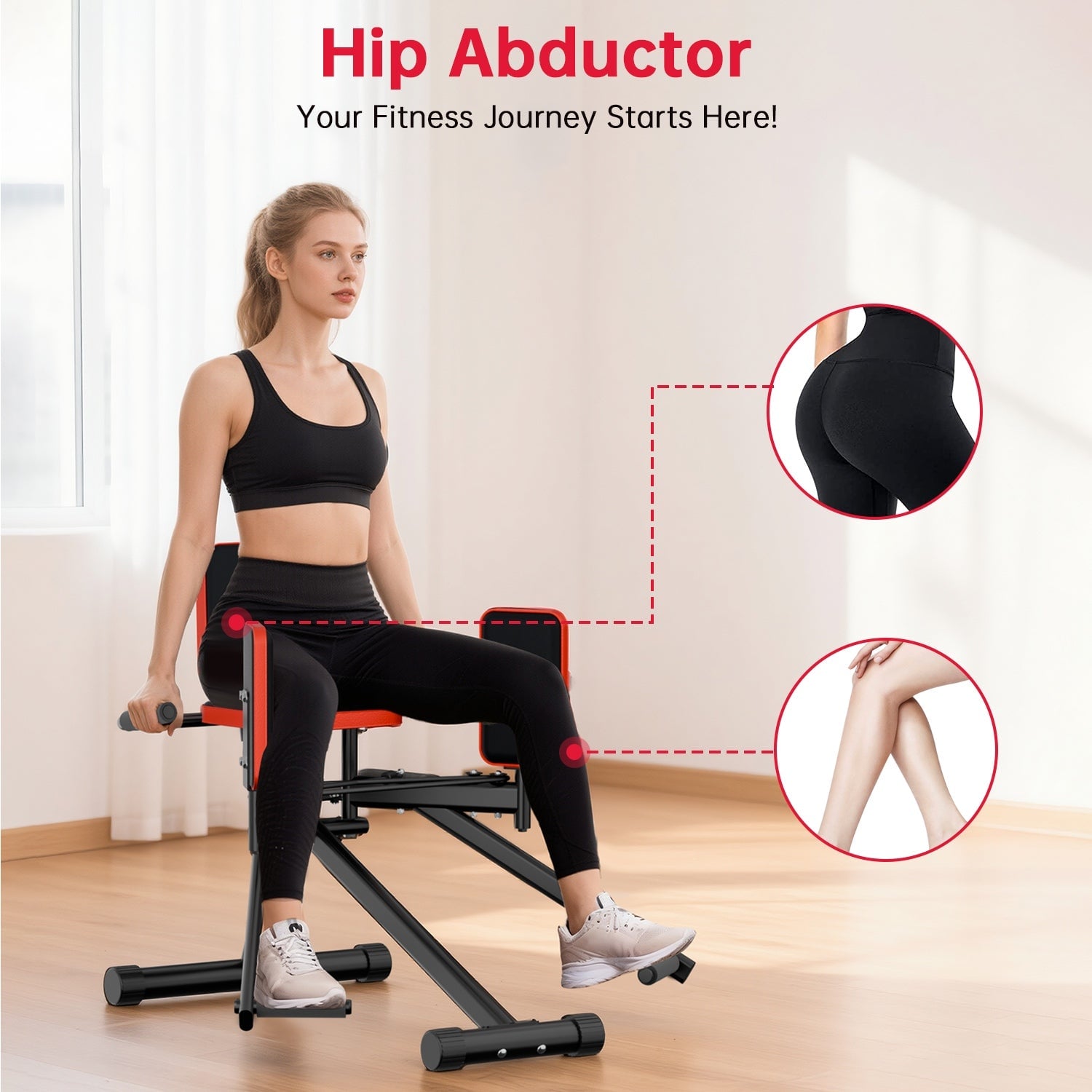
The honest verdict
Home Fitness Code makes most sense for UK shoppers who can name the type of exercise they want to do and have a realistic place to do it. Its range includes recognisable, purpose-built options: the U-Shaped Rock Stepper for lateral cardio, the Lat Pulldown & Row Cable Machine for pulley-based strength, and the Height Adjustable Fitness Dance Pole Kit for a more specialised practice.
The limitation is the other side of that focus: not every machine will suit a beginner still deciding what they enjoy, and product pages cannot settle questions of comfort, fit or room suitability for you. Our recommendation is to shortlist by routine, compare dimensions and setup requirements, then check the current UK listing and terms before committing.
Choose Home Fitness Code when a specific machine matches a routine and space you already have.