





A closer look at Happy V’s product philosophy, its mix of intimate care and supplements, and how first-time shoppers can read the range with care.
A women’s wellness shelf can quickly become difficult to navigate: similar claims, different formats and products aimed at needs that may overlap. Happy V gives its store a more specific map, grouping intimate care and supplements around vaginal, urinary, gut and hormone health. That organization is a useful starting point for readers who want to understand the brand before choosing a product.
We reviewed Happy V’s US storefront and product information for this feature. Its public pages show how the company frames its range, but they do not establish that a supplement will produce a particular result for every person. The more useful question is how clearly each product’s stated purpose, ingredients and directions fit the reader’s own priorities.
Heads-up: we earn a commission from some links in this article. It never changes the price you pay.
The short version: Happy V organizes a broad wellness range by concern and format, from external intimate care to daily supplements and multi-product kits. First-time readers may find it easiest to start with one specific question, then compare the product page’s ingredients and directions rather than treating a broad bundle as a default.
Happy V makes specific wellness concerns the organizing principle
The clearest part of Happy V’s brand story is visible in the way its catalog is arranged. Instead of centering one hero product, the US store connects product families to distinct areas of women’s wellness. That gives shoppers an initial route through a category that can otherwise feel generalized: identify the concern, check the product type, then read the details attached to that item.
This matters because the range spans unlike things. A wash is an external-care product; a capsule is a supplement; a kit brings several items into one routine. They are not interchangeable, even if product names appear under neighboring categories. Format is part of the proposition, and it changes what a customer is agreeing to maintain.
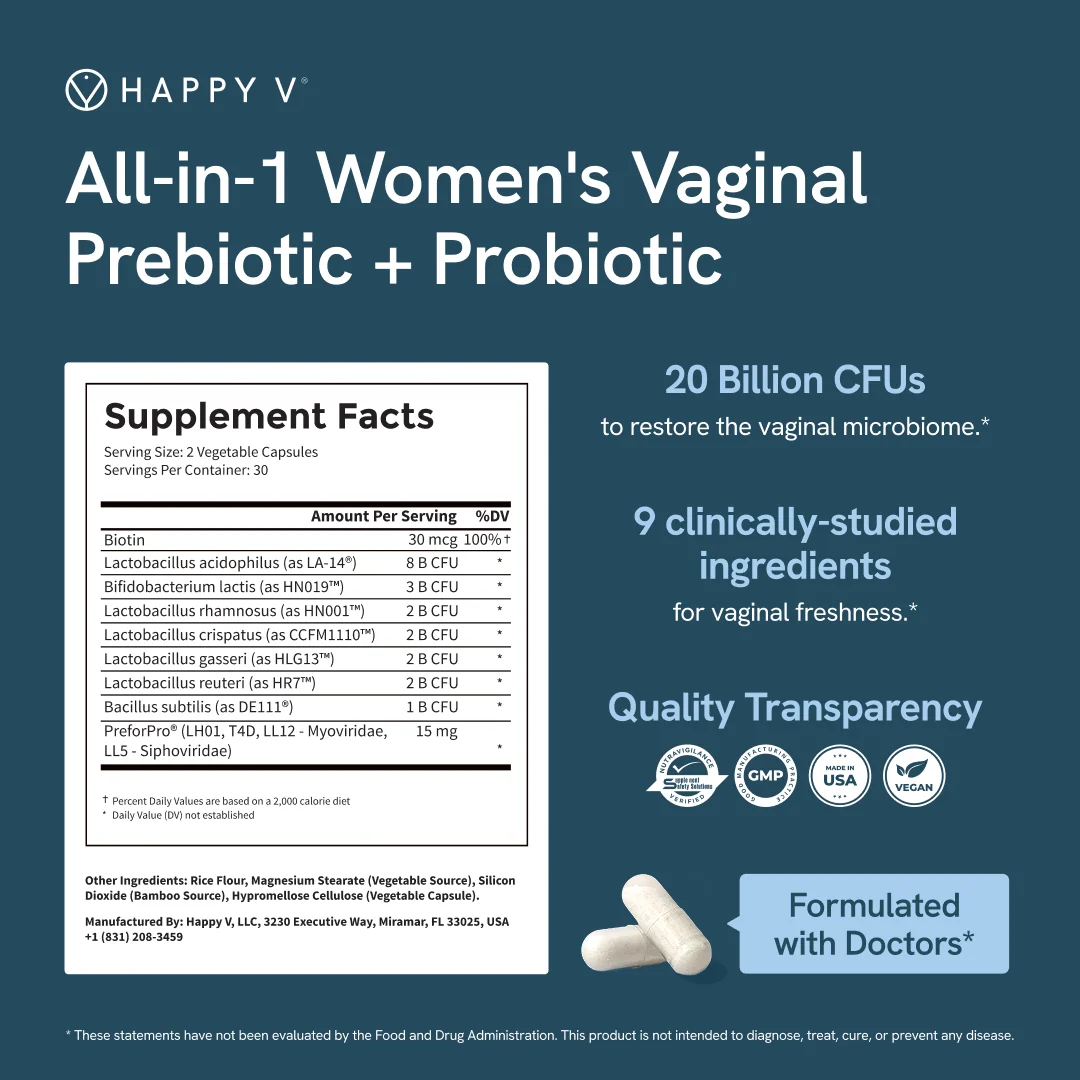
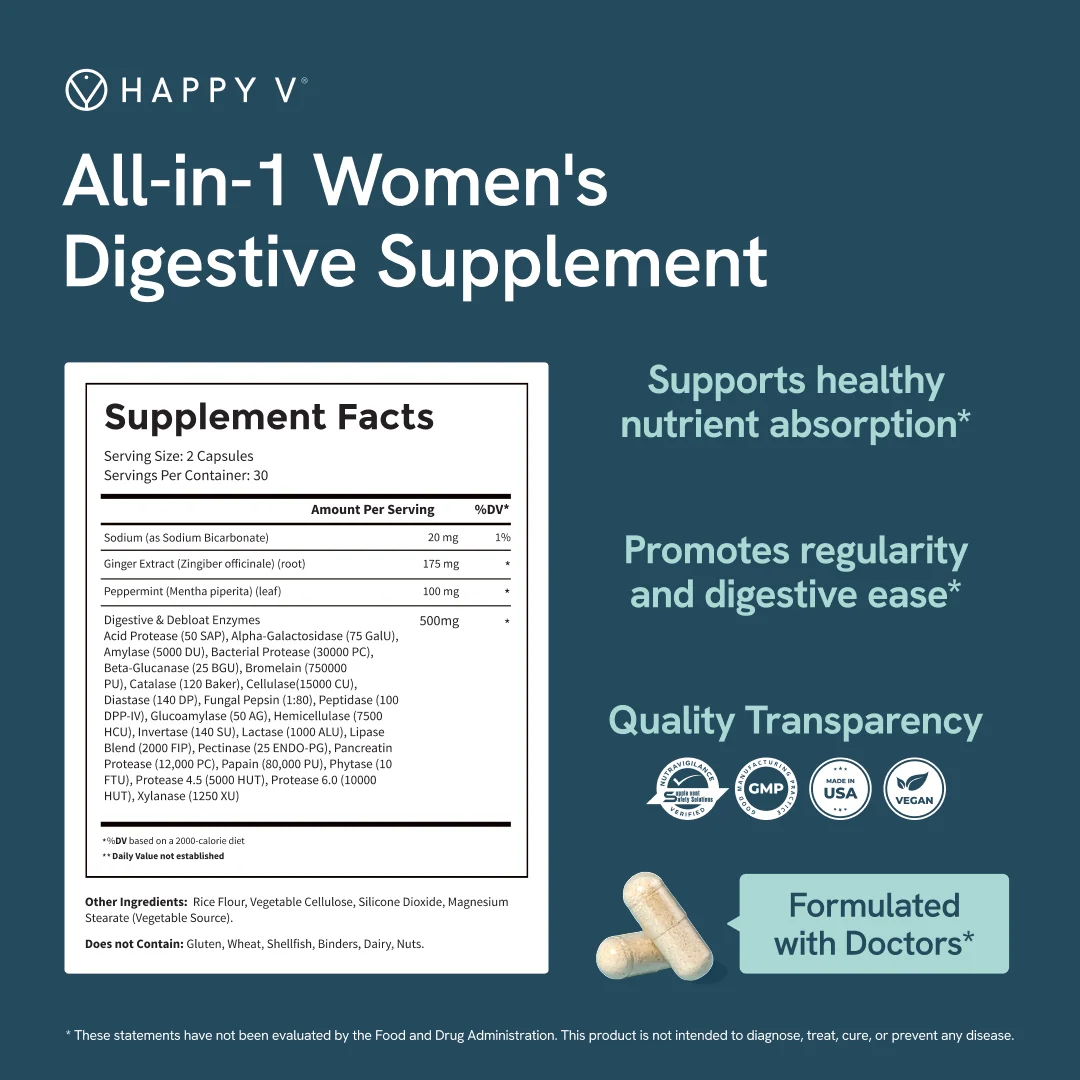
The store’s product pages are therefore central to the brand’s presentation. For example, Prebiotic + Probiotic is positioned as a daily supplement, while Debloat + Digest signals a narrower digestive focus in its name. A reader can compare how the daily formula listing and digestive product listing describe their intended use and ingredients, rather than assuming that a general wellness label means the same thing across the range.
That editorial clarity is helpful, though the categories should not be mistaken for diagnoses. A product page can explain what the brand intends a product to support; it cannot determine what is causing an individual symptom or whether a supplement is appropriate in a particular health situation. Specific labels aid navigation, but personal health questions still deserve suitable professional guidance.
A mixed catalog gives customers more than one way to build a routine
Happy V’s range brings together individual formulas and multi-item options. The Total Care Kit is the broadest example in the cached store lineup: a bundle for people considering several parts of a routine together. The kit’s product page is where shoppers can check what is included. Individual products such as Prebiotic + Probiotic or Debloat + Digest make the brand’s more focused route visible. The distinction is practical: a kit asks the buyer to assess several products at once, while a single formula keeps the decision narrower.
- Choose a single product when one clearly defined use case is the priority.
- Consider a kit only when each included item makes sense as part of the same routine.
- Compare directions and ingredients across product pages before combining products.
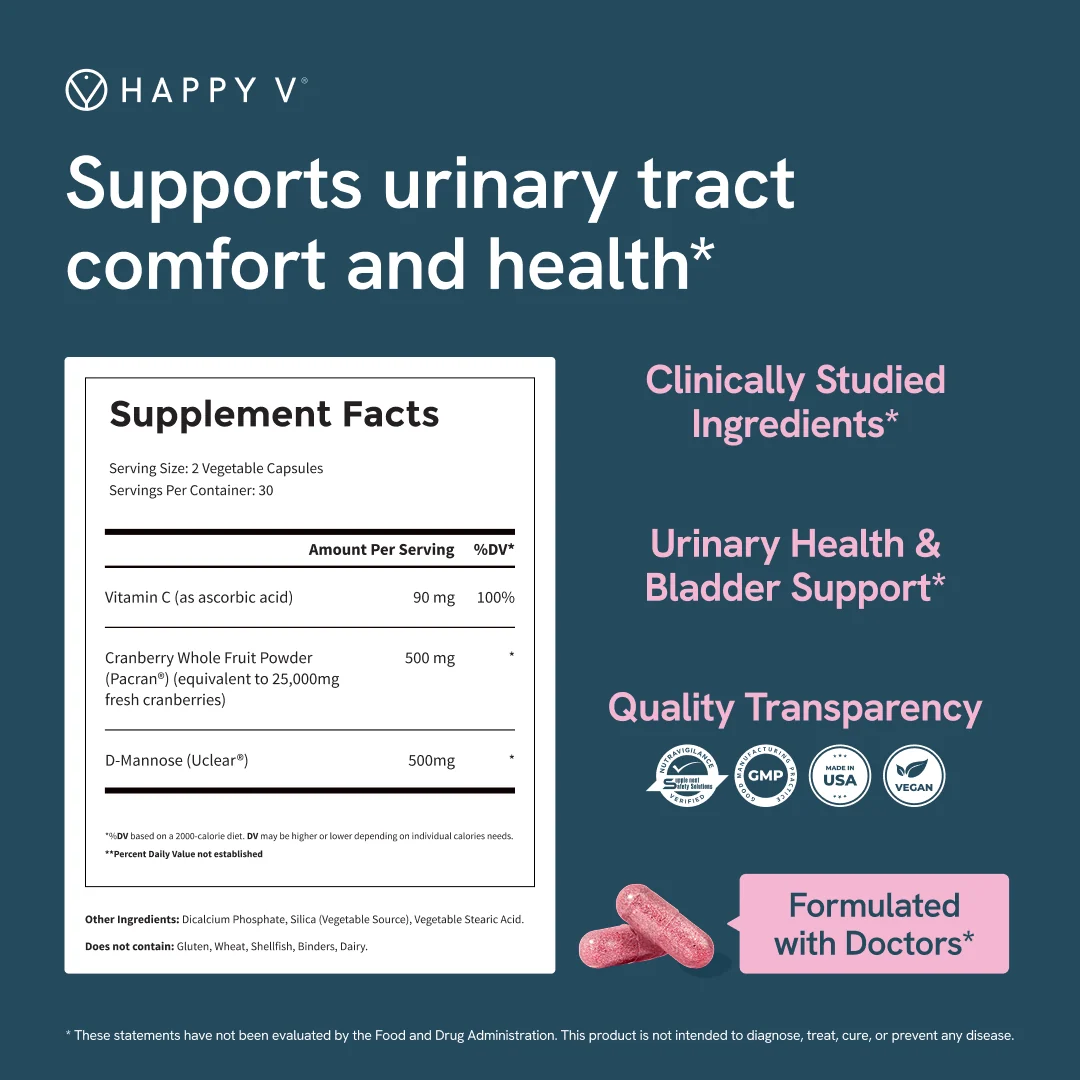
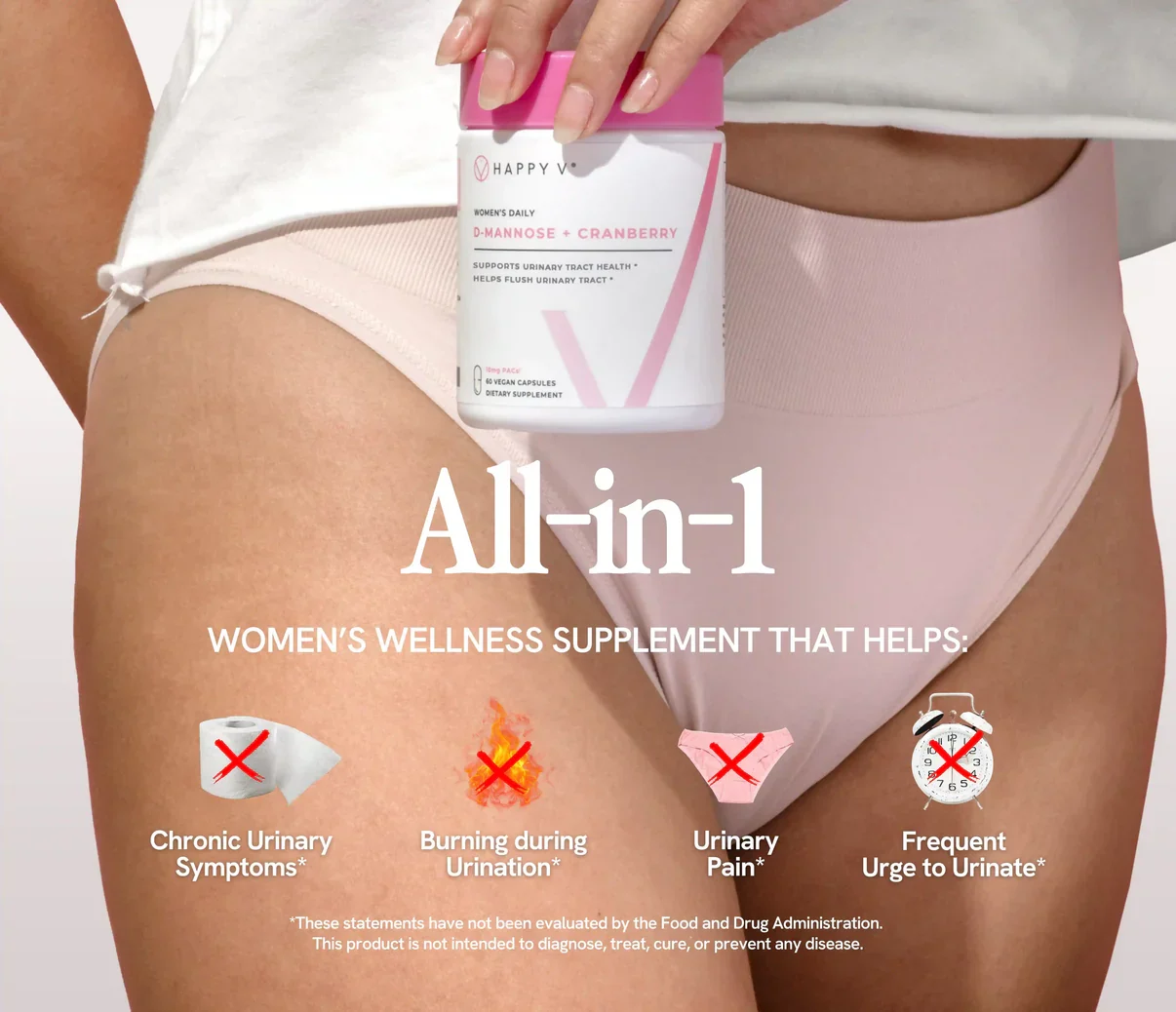
The product range also uses different formats. The D-Mannose + Cranberry Stick Packs are presented as portable individual servings, which may suit someone who values a take-along format. That convenience is a format feature, not evidence that it is more effective. A customer should still read the current directions and ingredient information on the product page and check whether a single-serve format is practical for their routine.
This breadth gives the brand room to serve shoppers who prefer a single-purpose option and those looking to assemble a larger routine. The trade-off is more decision work. Names can suggest a use case, but the product page needs to answer the operational questions: what the formula contains, how it is meant to be used, and whether the format fits a repeatable daily habit.
Product pages carry the detail behind the brand’s wellness language
For a first-time reader, Happy V’s strongest trust signal is the opportunity to inspect item-level information. Its product pages state ingredients, directions and intended use. Those are the details that turn a concern-led catalog into something a shopper can evaluate. The Prebiotic + Probiotic listing and Debloat + Digest listing can be read side by side for their respective product descriptions. Look for the full current listing, including any cautions or use guidance, before deciding that an item belongs in a routine.
There is a useful distinction between the company’s language and an independent health conclusion. A listed intended use tells readers how the brand describes its product; it is not a promise of an outcome. We would read claims proportionately, especially when choosing a supplement for an ongoing or disruptive concern. If a symptom is persistent, severe or uncertain, a product page is not a substitute for medical advice.
A quick reading routine can make comparison less impressionistic:
- Check the ingredient list and the stated serving or use directions.
- Ask whether the product is external care, a supplement, or a bundle.
- Look for cautions and consider how the product fits alongside anything already used.
- Revisit the store listing for current product details before making a decision.
For shoppers who want a broad routine, the Total Care Kit offers an obvious point of comparison; the current kit listing can clarify its included products. For a more contained starting point, the Prebiotic + Probiotic page or Debloat + Digest page lets the reader assess one named formula at a time. These are different entry points rather than a ranking. A good choice depends on whether the shopper values breadth, specificity or a format they can realistically keep up with.
The range makes most sense when the starting question stays narrow
A broad wellness catalog can be inviting, but it can also encourage overbuying. Happy V’s categories make it easier to browse, yet the sensible first step is still to identify the question a product is meant to address. If there is no clear reason for a multi-item routine, a kit may add complexity without improving the decision. If portability is the draw, the stick-pack format is the relevant feature to weigh.
Customers should also account for the ongoing nature of many supplements. Before selecting one, consider whether the directions are manageable, whether the product overlaps with other items, and whether the claims match a realistic expectation. A routine should be understandable before it is extensive. That principle suits a brand whose product architecture is already divided into recognizable areas of focus.
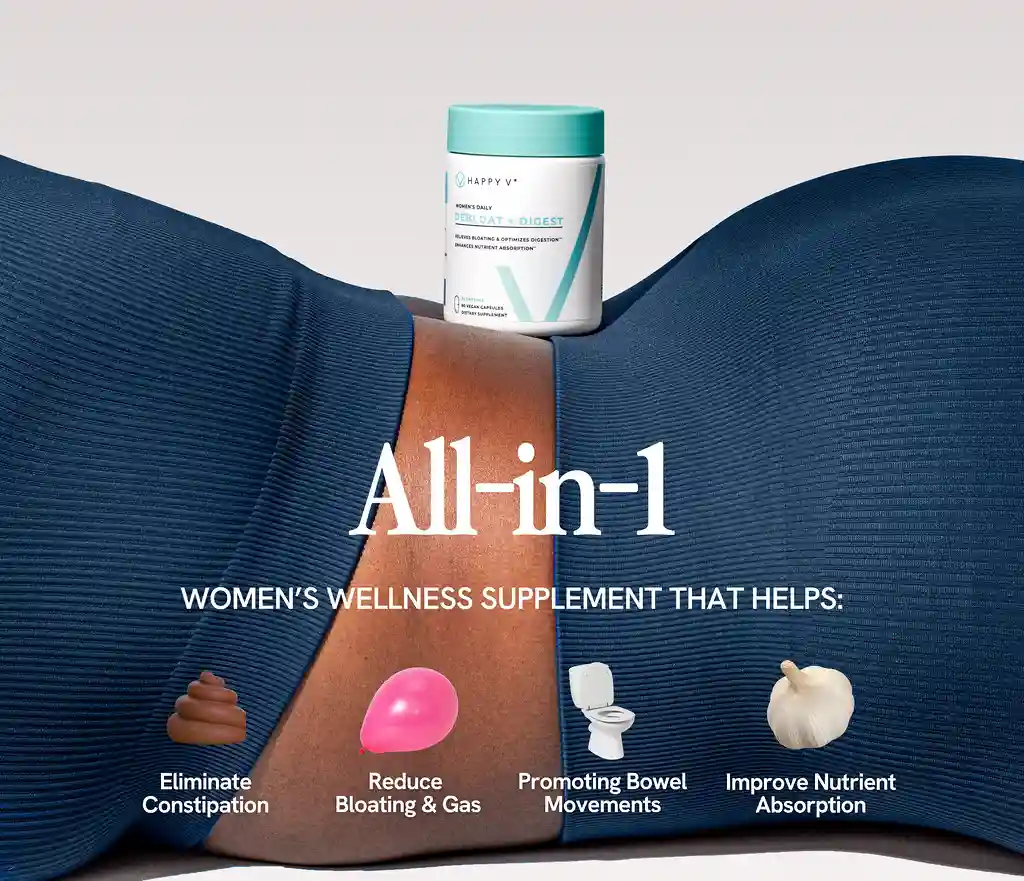
The store’s current listing is the place to confirm product details, availability and cost, since those can change. Comparing the factors that drive the decision, such as single formula versus kit and capsule versus stick pack, is more durable than relying on a remembered listing. The D-Mannose + Cranberry Stick Packs page is a useful example of how format can be part of the product’s appeal; check its live product details before deciding. The Debloat + Digest page represents a more specifically named formula.
The honest verdict
Happy V’s range is easiest to understand as a concern-led catalog: intimate care, supplements and kits are grouped to help shoppers begin with a defined question. The strongest reason for a first-time reader to pay attention is that the storefront gives several ways to compare scope and format, with ingredients and directions attached to product pages.
The limitation is that category language and a polished product lineup cannot establish personal suitability or guarantee results. We would begin with one clearly relevant product page, read the directions and ingredient details carefully, and choose a bundle only when every item earns a place. Readers seeking the brand’s wider perspective can browse its current collection and compare the live listings.
Happy V is worth exploring when you want a clearly categorized range, provided you choose by a specific need and keep expectations measured.