



A practical winter guide to Merino Tech’s 165, 190 and 250-weight layers, plus the accessories that close coverage gaps.
- Choose a winter layer by activity and coverage
- The 165 long sleeve leaves room for adjustable layers
- The 190 V-neck adds coverage without a high neckline
- A lighter cut can work when a full winter top is too much
- Socks and a gaiter close smaller coverage gaps
- Compare the pieces before building a winter kit
- The honest verdict
Cold mornings raise a practical question: should your winter outfit start with a lighter base layer, a warmer long sleeve, or an accessory for an exposed area? Merino Tech organizes much of its apparel by fabric weight, with product pages describing Australian merino wool and a 17.5-micron fiber. That gives shoppers comparison points, though the right choice depends on activity and outer layers.
We reviewed the brand’s United States product listings for this guide. They describe a range from lightweight 165 pieces to 190 and 250 options, alongside socks and neckwear. We use the listed garment details to explain where each item may fit in a winter kit; check the linked store pages for current sizing, availability and care guidance.
Heads-up: we earn a commission from some links in this article. It never changes the price you pay.
The short version: Start with the layer that will sit closest to your skin and choose weight around your normal activity and outerwear. The 165 long sleeves suit lighter layering plans, the 190 V-neck offers a warmer coverage option, and socks or a gaiter can address specific cold spots without adding another full top.
- 165: lighter first-layer coverage.
- 190: a V-neck option for cool-weather layering.
- Socks or gaiter: targeted coverage for feet or neck.
Choose a winter layer by activity and coverage
The number in a product name is a useful starting point, not a complete warmth guarantee. Merino Tech lists 165, 190, 250 and heavier weights across the range, but fit, knit construction, wind exposure and what you wear over the garment all affect comfort. A close-fitting base layer under a shell has a different job from a standalone top for a mild day.
Before choosing a garment, decide what your winter routine looks like. A commute can alternate between cold outdoors and heated rooms; a trail day may call for coverage that adapts as effort changes. Think in terms of layers you can regulate, rather than assuming that the heaviest option is automatically the most useful. The brand’s pages make the weight labels easy to find, and its size charts help translate those choices into a fit.
- For frequent movement: consider a lighter next-to-skin layer if you tend to warm up quickly.
- For slower or colder outings: compare midweight tops and leave room for a wind-blocking outer layer.
- For changing conditions: prioritize coverage you can add or remove without rebuilding the outfit.
- For everyday wear: check neckline, sleeve length and how the fabric works beneath your usual clothes.
This framework helps narrow the store’s options before color or matching sets enter the picture. You can browse the Merino Tech winter layer selection and compare garment pages by weight, cut and listed material. The product descriptions also state the brand’s intended benefits, including moisture management, thermoregulation and odor resistance; treat these as brand claims rather than a guarantee for every wearer or condition.
The 165 long sleeve leaves room for adjustable layers
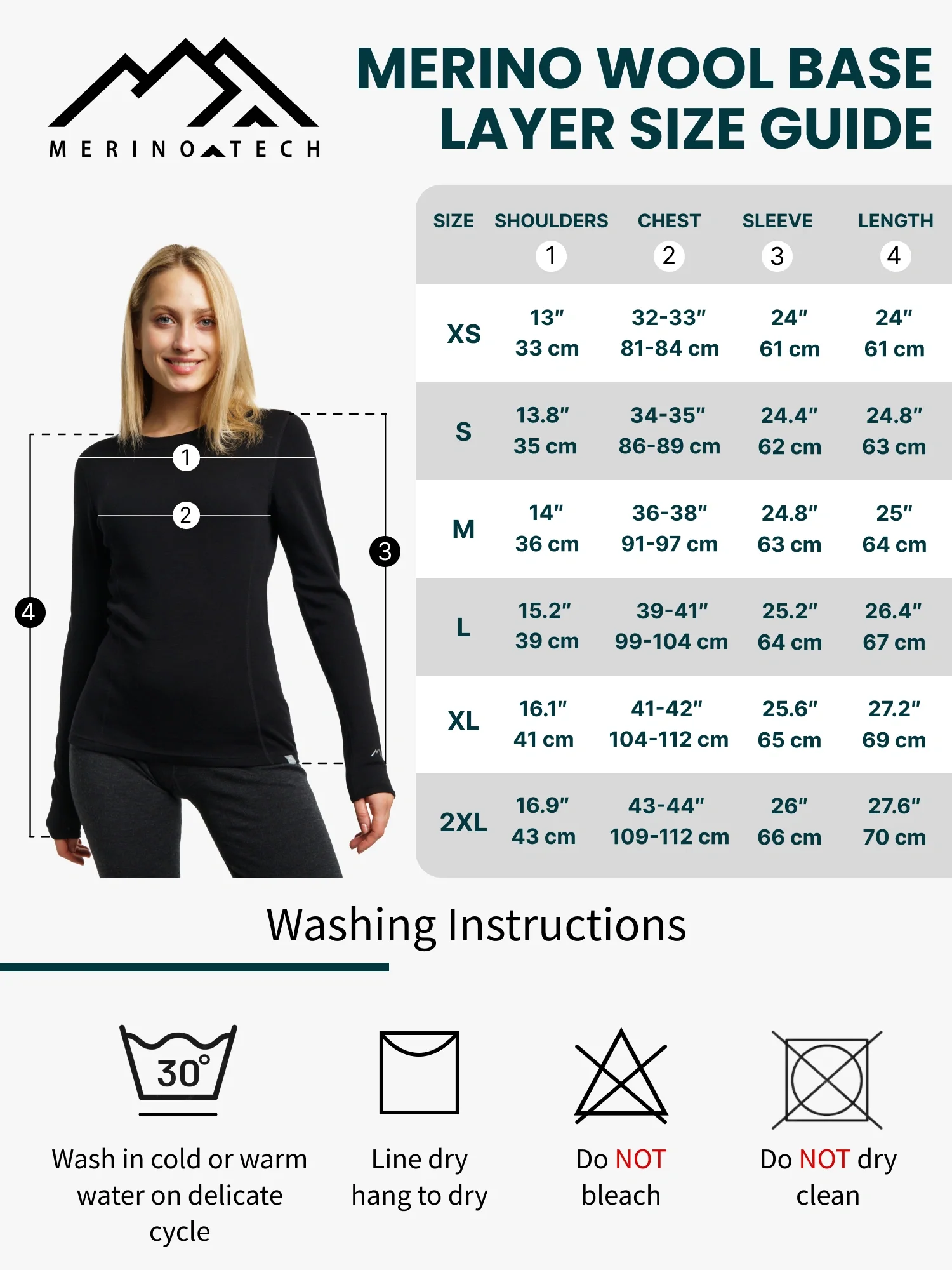
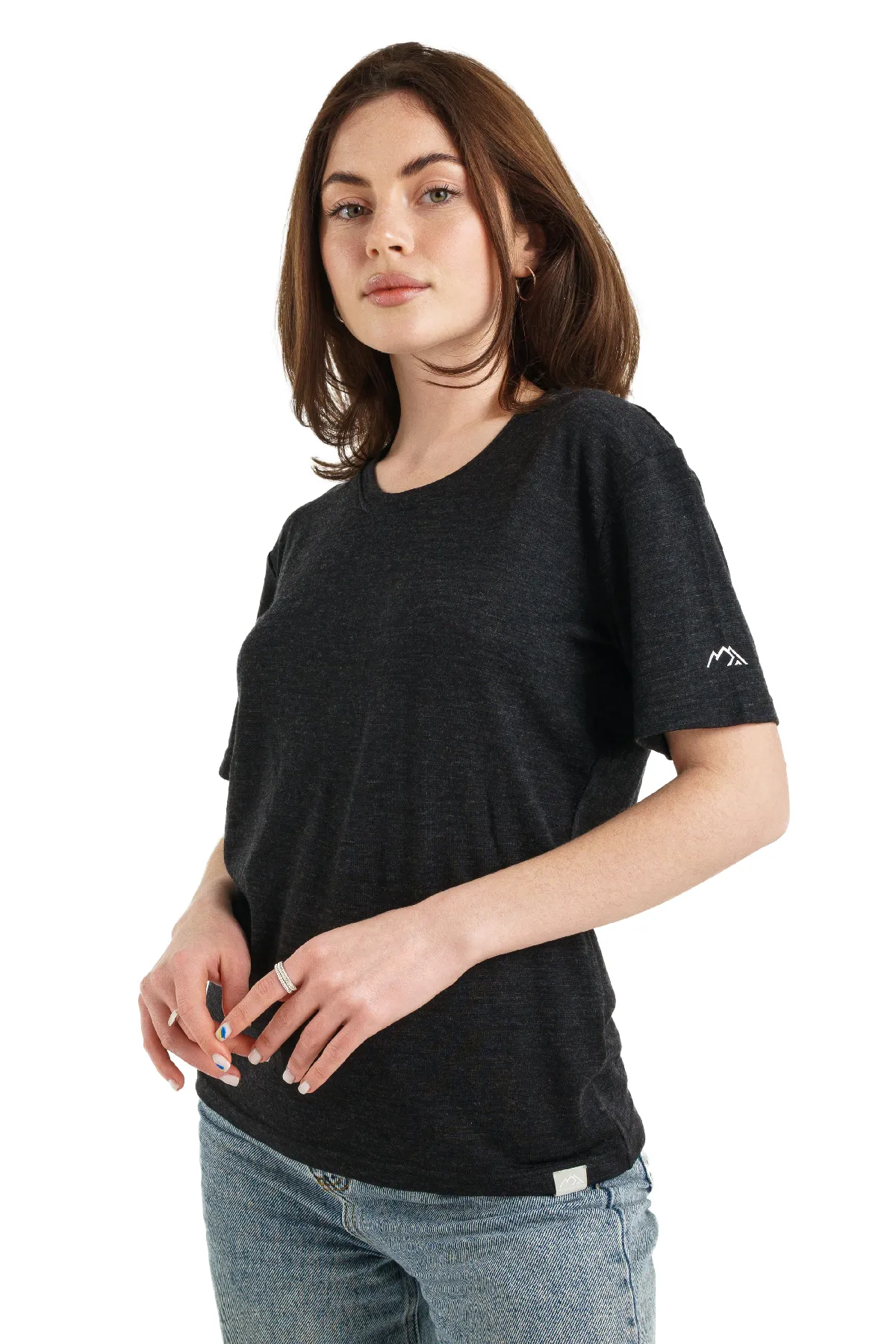
The Women’s Merino Long Sleeve 165 Cream White is the lighter long-sleeve option highlighted here. Its 165 designation and long-sleeve cut make it a reasonable starting point for layering beneath a sweater, fleece or shell when a bulky first layer would be inconvenient. The lighter weight can also make sense for people who move between indoor and outdoor settings, although warmth remains personal and conditions vary.
The cream color works beneath lighter clothing, and the page includes size guidance and a fabric description. Read the listing for fit and care details before deciding; a base layer that bunches at the shoulder or sleeve is less useful beneath another garment. The linked Women’s Merino Long Sleeve 165 Cream White page is the exact product listing, and the store’s broader 165-weight layer options can help if another cut or color suits your wardrobe better.
- Choose 165 when you want a lighter first layer.
- Choose 190 when you want more fabric and a lower neckline.
- Add insulation according to wind, activity and time outdoors.
The 190 V-neck adds coverage without a high neckline
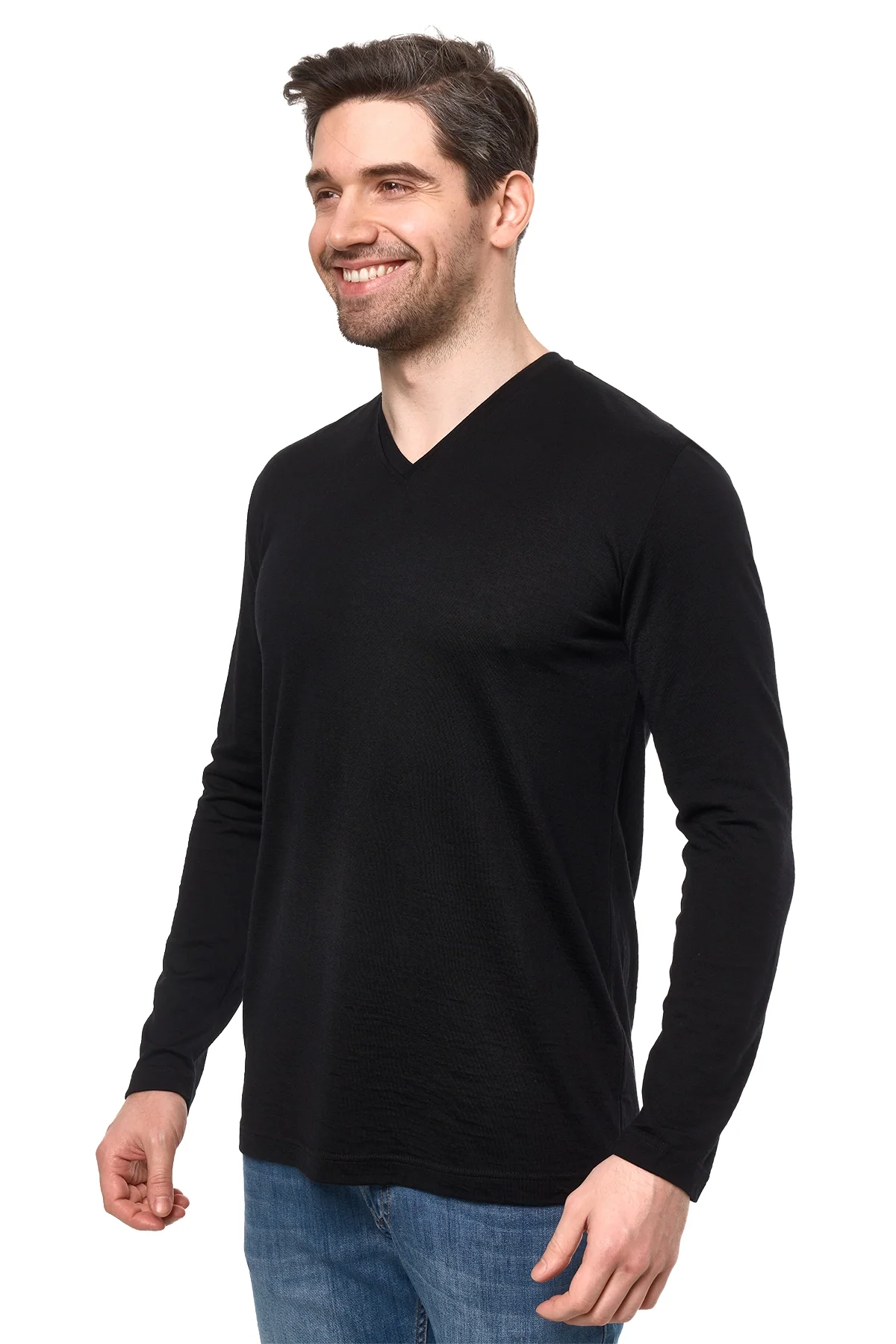
The Men’s Merino Long Sleeve 190 Black V-Neck sits between the lighter 165 layer and the brand’s 250 options by its listed weight. Its V-neck changes the styling more than the basic layering role: it can be less visible beneath an open shirt or sweater than a crew neck. The black color also suits wardrobes that favor darker base layers.
This is the option to compare if you want a long sleeve but prefer a lower neckline. The listing identifies merino wool and presents the product as a base layer; shoppers should check the current sizing information and care instructions on the page. Open the 190 V-neck product details for its full description, then use the broader Merino Tech long-sleeve range to compare neckline and weight before choosing.
A lighter cut can work when a full winter top is too much
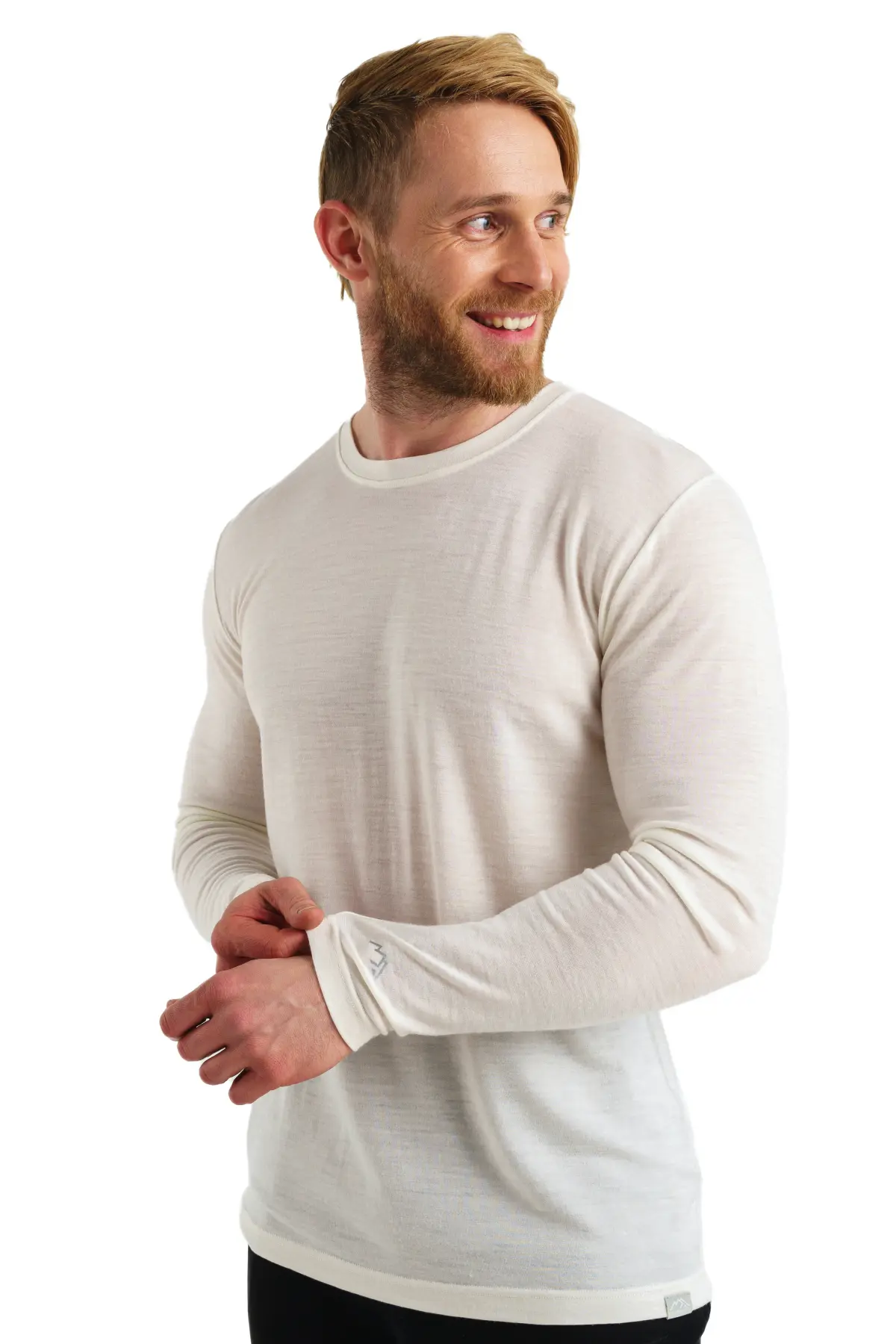
The Men’s Merino Long Sleeve 165 Creamy White gives the range a lighter option in a men’s cut. It can suit a mild winter day, a high-output walk or a layered outfit where another insulating piece provides most of the warmth. A lighter base can suit changing temperatures, while a heavier top may be simpler in steady cold.
Compare the Men’s Merino Long Sleeve 165 Creamy White listing with the 190 V-neck rather than deciding from color alone. Check the available size information and garment details, and consider whether the long sleeve will sit under your regular midlayer without restricting movement. A white base works beneath pale clothing.
Socks and a gaiter close smaller coverage gaps
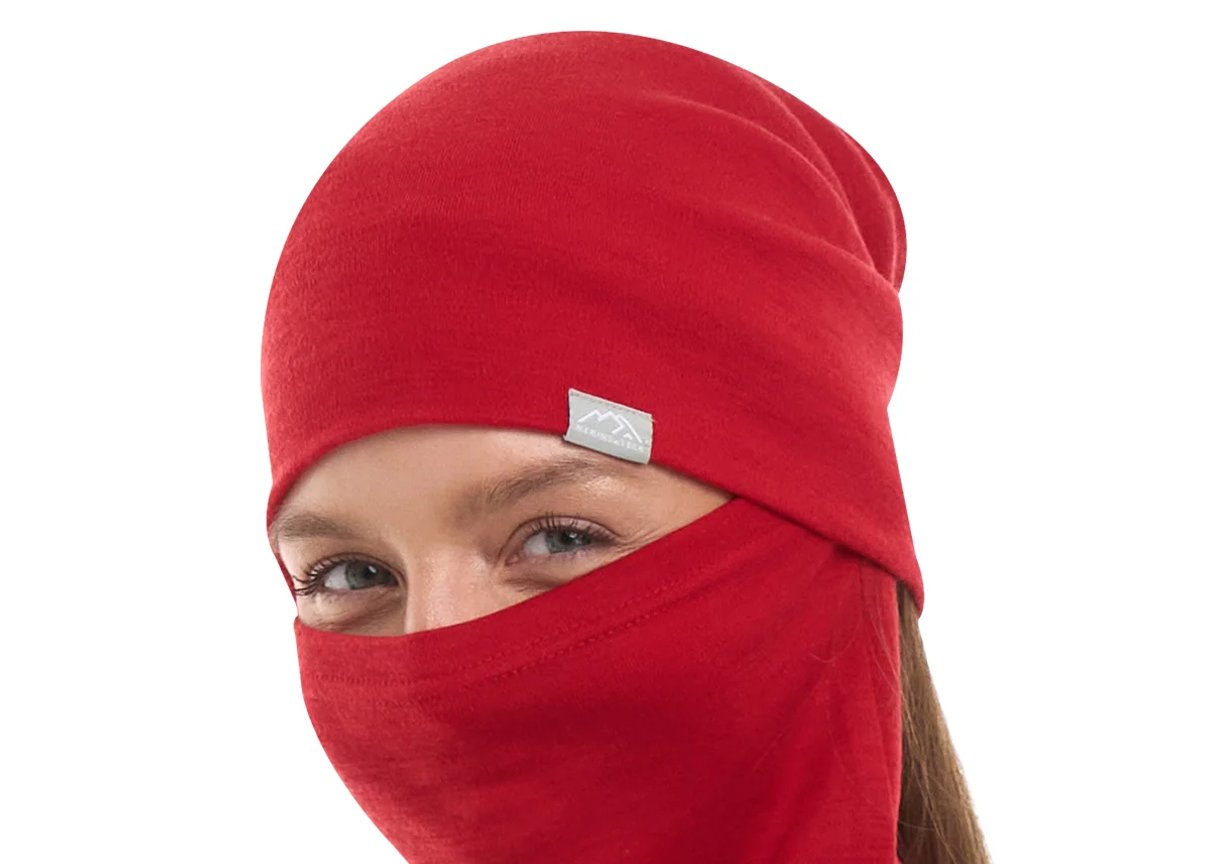
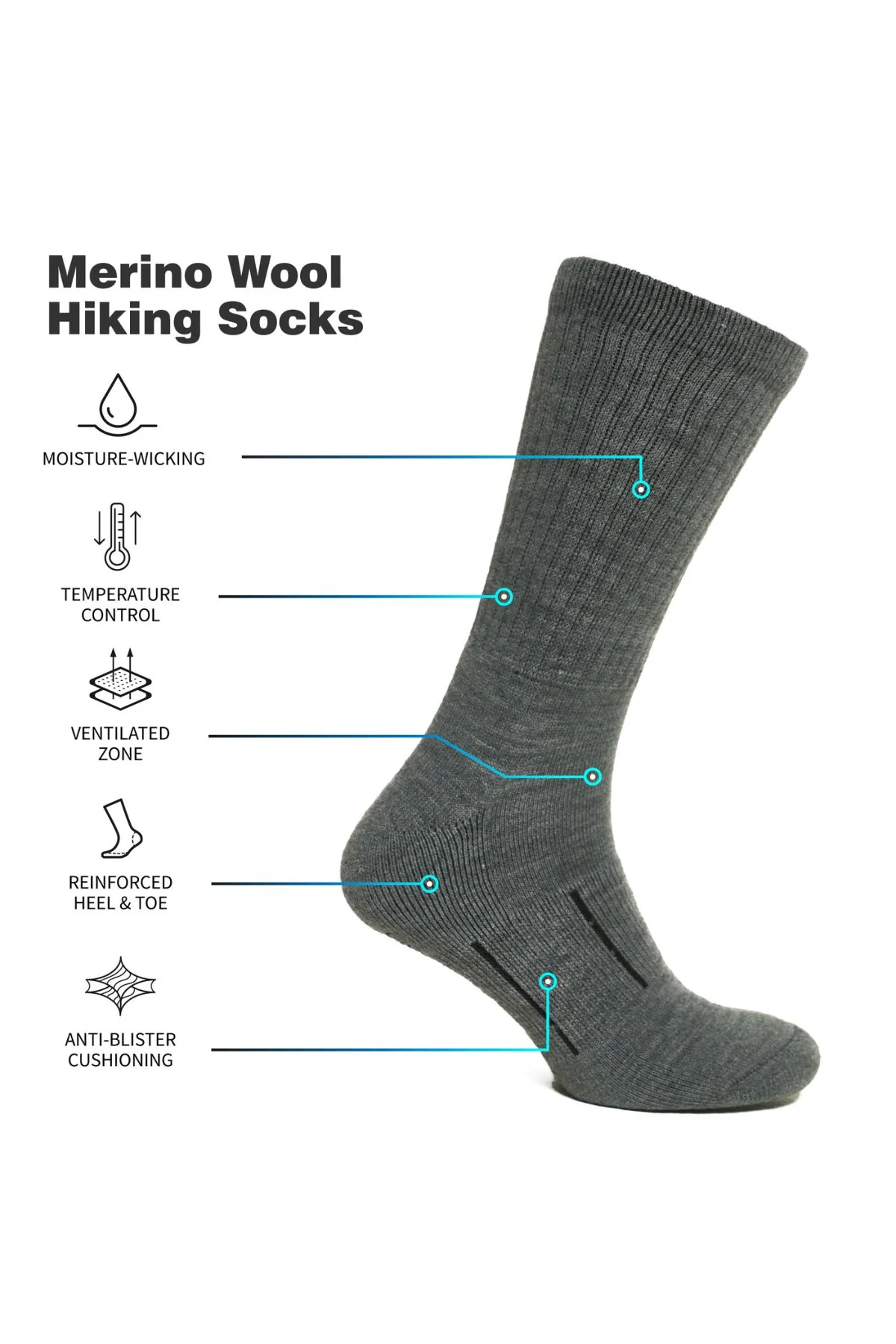
Cold feet or an exposed neck can undermine an otherwise sensible layering plan. The Merino Wool Hiking Socks (Pack of 3) Dark Grey are a focused option for footwear and outdoor use, while the Merino Neck Gaiter 165 Army Green adds coverage around the neck and lower face. These accessories let shoppers target a specific discomfort without automatically stepping up to a heavier top.
Look at the Dark Grey hiking socks listing for the product’s stated pack format and material details, then compare it with your footwear and activity. Socks are fit-sensitive, so consider the room available in your shoes. Merino Tech’s hiking sock options should be reviewed alongside your intended footwear rather than treated as a universal upgrade.
The 165 neck gaiter offers a compact way to add fabric around an area that a V-neck leaves open. Review the 165 Army Green neck gaiter page for its current description and sizing or care notes. A gaiter will not replace a windproof face covering in harsh conditions, and comfort around the face is personal. It is most useful when the rest of your outfit works and you want a removable layer for the neck.
Compare the pieces before building a winter kit
A small comparison keeps the choice tied to what each piece does. The fit depends on whether you need a foundation layer, lower neckline, foot coverage or neck warmth. Product names link to US listings.
| Product | Listed weight or format | Best suited to | Consideration |
|---|---|---|---|
| Women’s Merino Long Sleeve 165 Cream White | 165 long sleeve | Lighter base layering | May need a warmer midlayer in colder conditions |
| Men’s Merino Long Sleeve 190 Black V-Neck | 190 V-neck | Midweight coverage under open collars | Neckline leaves more skin exposed |
| Merino Wool Hiking Socks, Dark Grey | Pack of 3 | Footwear and outdoor use | Check boot fit with thicker socks |
| Merino Neck Gaiter 165 Army Green | 165 accessory | Adding removable neck coverage | Does not replace weather protection |
- Pick the base layer weight around effort and the clothes you will wear over it.
- Check the product’s size chart and the fit of your midlayer or footwear.
- Add socks or neckwear only if those areas need extra coverage.
- Confirm current availability and care instructions on the United States product listing.
The 250-weight garments and sets are worth comparing when colder conditions call for a warmer starting layer, while 165 and 190 pieces offer alternatives for different routines. Merino Tech identifies Australian merino and 17.5-micron fiber across product information, and says the material supports moisture management and temperature regulation. These are relevant claims, but they do not remove the need to dress for weather, activity and personal comfort. Use the current winter collection listings to check which weights and colors are available.
The honest verdict
Merino Tech’s weight labels make it relatively easy to form a winter shortlist: the 165 long sleeves are the lighter foundation, the 190 V-neck brings another coverage and neckline option, and the socks or gaiter solve narrower needs. We recommend choosing by activity and fit first, then using the 165 long sleeve, 190 V-neck, hiking socks and neck gaiter pages to confirm which piece belongs in your own kit.
The limitation is that weight labels and brand-stated merino benefits cannot predict warmth for every body or winter condition. Some shoppers will prefer synthetic or blended layers, and the merino range requires attention to care and fit. Check the current product information before committing, especially if you need a specific size or a close fit beneath outerwear.
For winter layering, choose the Merino Tech weight and coverage that match your activity, then add accessories only where the cold gets through.