



A product-page review of Lit Farms shows where its strain detail and batch documents help, and where eligibility, availability and personal fit still need checking.
Choosing hemp-derived THCA flower online asks readers to trust more than a strain name. The useful questions are practical: does the listing explain what distinguishes each option, can shoppers inspect batch documentation, and do the store’s rules leave a realistic path to checkout?
We reviewed the information on the US Lit Farms store and its product pages. We did not test or purchase the products, so this assessment is about the clarity and usefulness of the information the store publishes.
Heads-up: we earn a commission from some links in this article. It never changes the price you pay.
The short version: Lost In Translation, Inc gives shoppers a more useful starting point than a bare strain list: its pages describe profiles, outline tier differences and link batch-specific COAs. The limitations are material, though: legal shipping eligibility and live stock vary, and aroma descriptions cannot establish how a product will suit an individual.
Lit Farms makes strain descriptions a real shopping aid
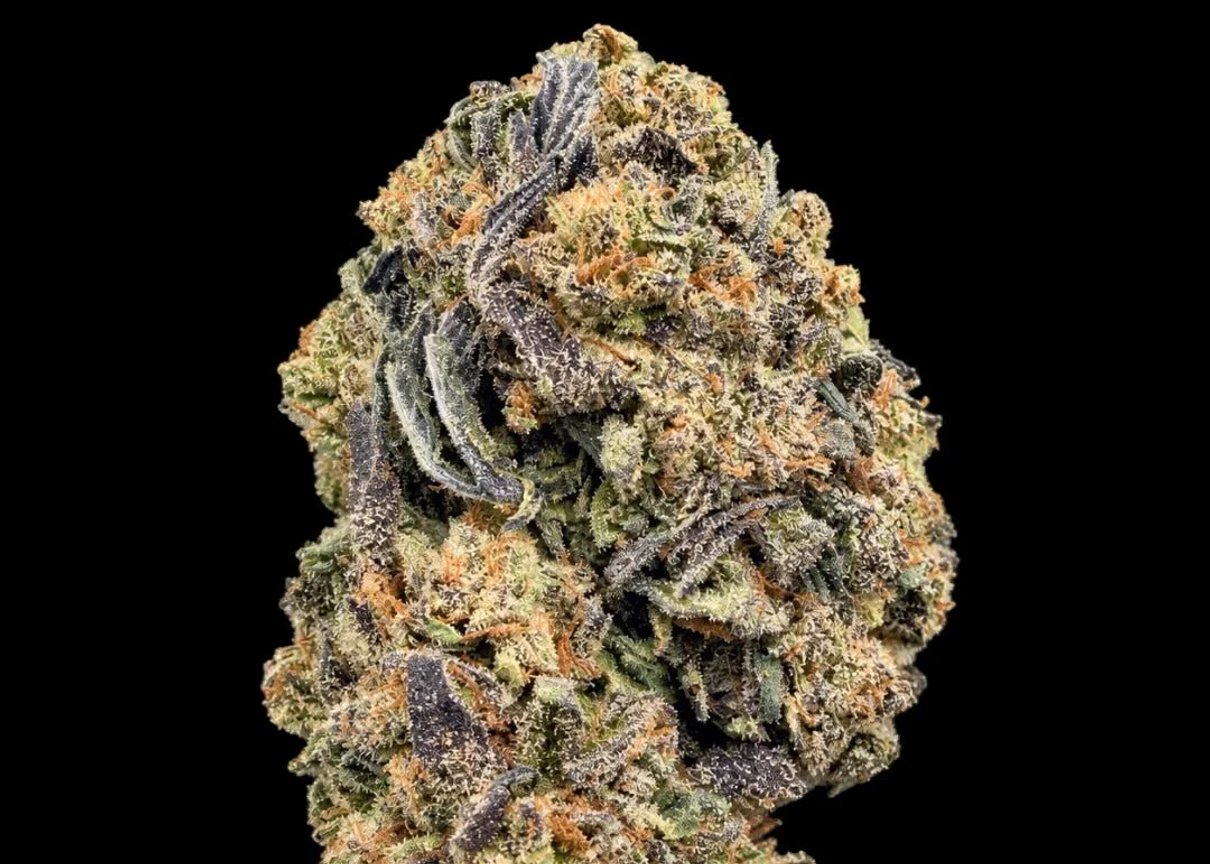
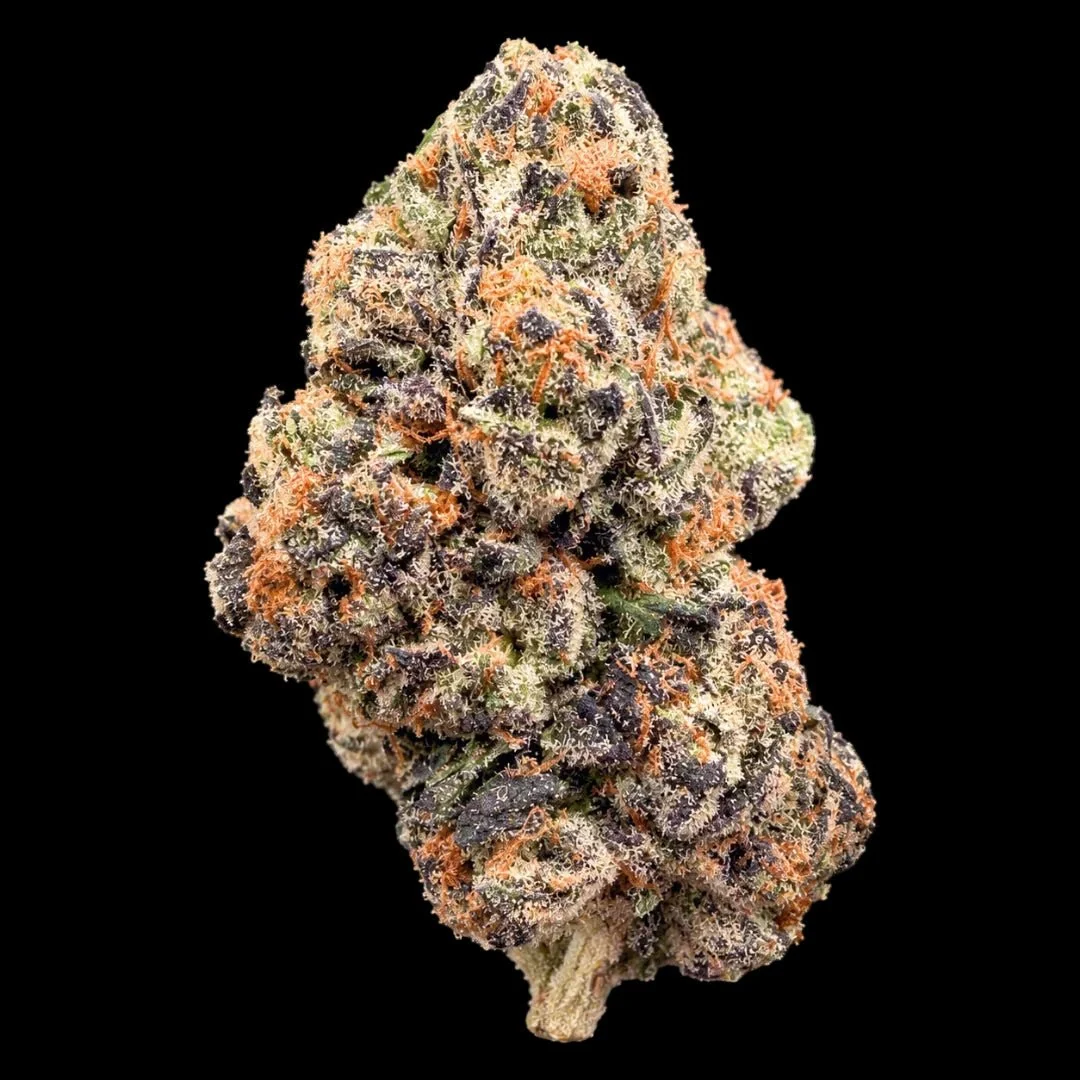
The store’s strongest editorial feature is the way individual listings try to distinguish one cultivar from another. Blue Andies THCA Flower, for example, is described as a balanced hybrid with blueberry, cool mint and creamy vanilla notes. The page also gives a lineage and a narrative profile, so a reader can make a more informed shortlist than a name alone permits.
That detail is most useful for comparing the store’s own listings. It is not a reliable prediction of a particular person’s response. Flavor and aroma descriptions are the seller’s descriptions, while the current batch’s linked documentation is the better place to examine measured cannabinoid and terpene information.
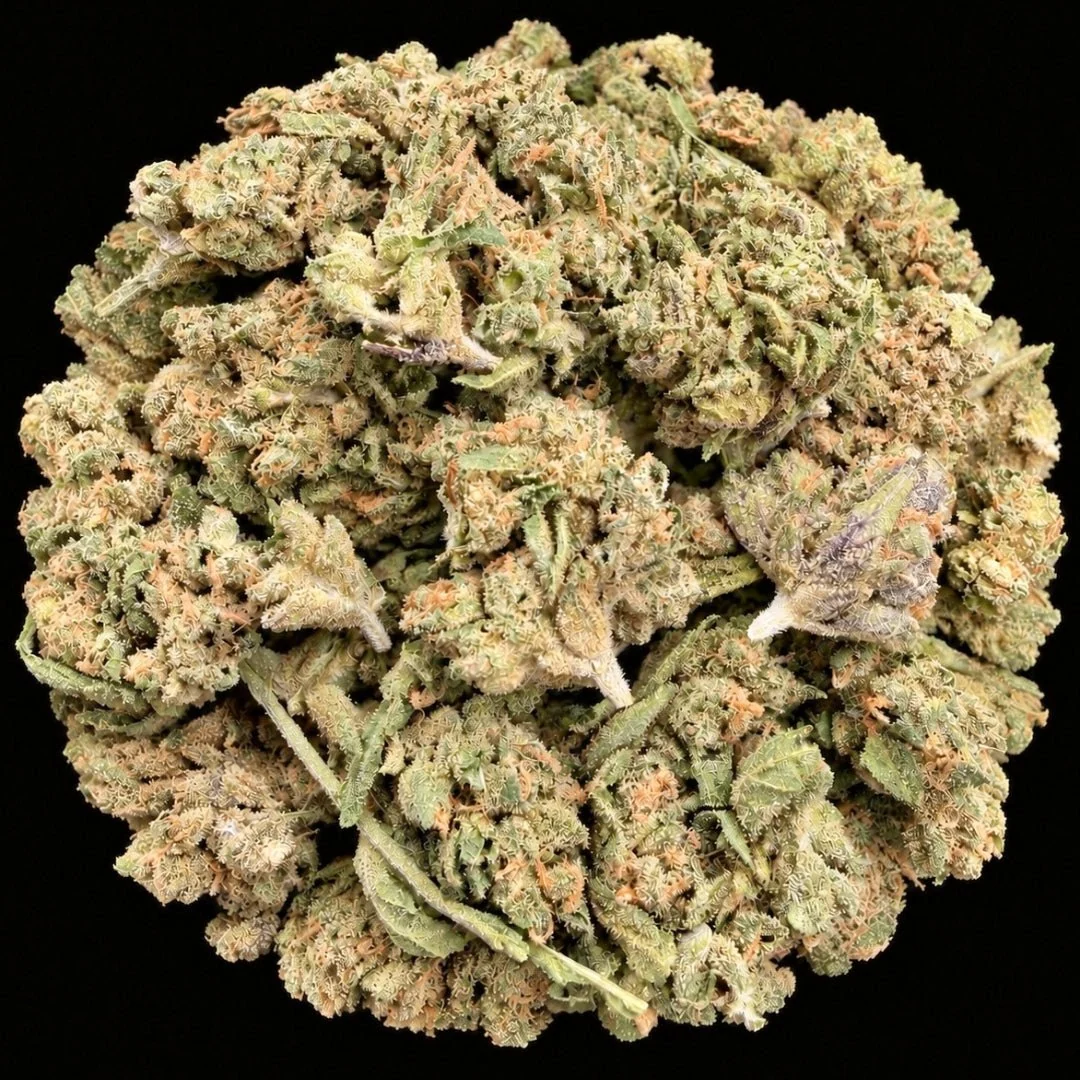
Other listings use different profiles to orient the decision. Rocket Fuel THCA Flower is presented as an indica-dominant hybrid with diesel and earthy notes. Gas Face THCA Flower is described with gas, cookie-cream and mint character. These are concrete distinctions, not evidence that one listing is objectively better.
- Use the description to decide which product pages deserve a closer read.
- Look for batch-specific documentation before treating profile copy as sufficient evidence.
- Check whether the product is available for delivery to your location before settling on a favorite.
Readers can compare Blue Andies’ published profile against the Rocket Fuel listing and the Gas Face page. A careful comparison stays within what the pages state: named cultivar, seller-described profile, batch document and listed options.
View Blue Andies product details to see how the store presents a particular flower page and its current selection.
Batch COAs add detail that marketing copy cannot
A notable strength is the store’s stated practice of linking a certificate of analysis to each product listing. The pages say third-party testing covers cannabinoid content, terpenes, residual solvents, pesticides and heavy metals. That gives a motivated shopper a clearer path from a broad product description to batch-level information.
For example, the Gas Face product page describes its own COA access alongside the product details. Readers should open the current document and check that its batch corresponds to the product they are viewing. A linked PDF is useful access, but the buyer still has to read it and decide what the results mean for their priorities.
We would treat this as a meaningful transparency feature rather than a blanket quality guarantee. A lab report can answer measured questions within its scope; it cannot prove that every harvest looks or smells identical, nor does it validate subjective claims such as a perfect flavor match. Product imagery has a similar limit: the store says images represent batch quality, but shoppers should not assume every item will look exactly like a photograph.
Before relying on a COA, check the product and batch name, the report date and the categories the document actually covers. Lit Farms also maintains a store COA library, which can help readers locate reports, although the product page is the most direct starting point for a specific listing.
- Open the product page for the exact flower under consideration.
- Follow its COA link and match the batch details shown in the report.
- Read the reported panels instead of relying on a headline claim or strain description.
- Return to the store listing to confirm the same option remains available.
Readers looking for a profile comparison can also open Blue Andies and Rocket Fuel as examples of how the pages pair seller copy with report links. Product-specific information can change between batches, so current page content matters.
Three tiers help shoppers filter, with some ambiguity
Lit Farms divides its flower into Essential, Preferred and Supreme. Its store describes the tiers as differences in selection and presentation: Essential is the value-oriented option, Preferred offers a broader or more elevated selection, and Supreme is positioned around top-shelf buds and stronger visual or aromatic expression. These labels give the catalog another browsing lens, but the store does not make the tier a substitute for reviewing a specific listing.
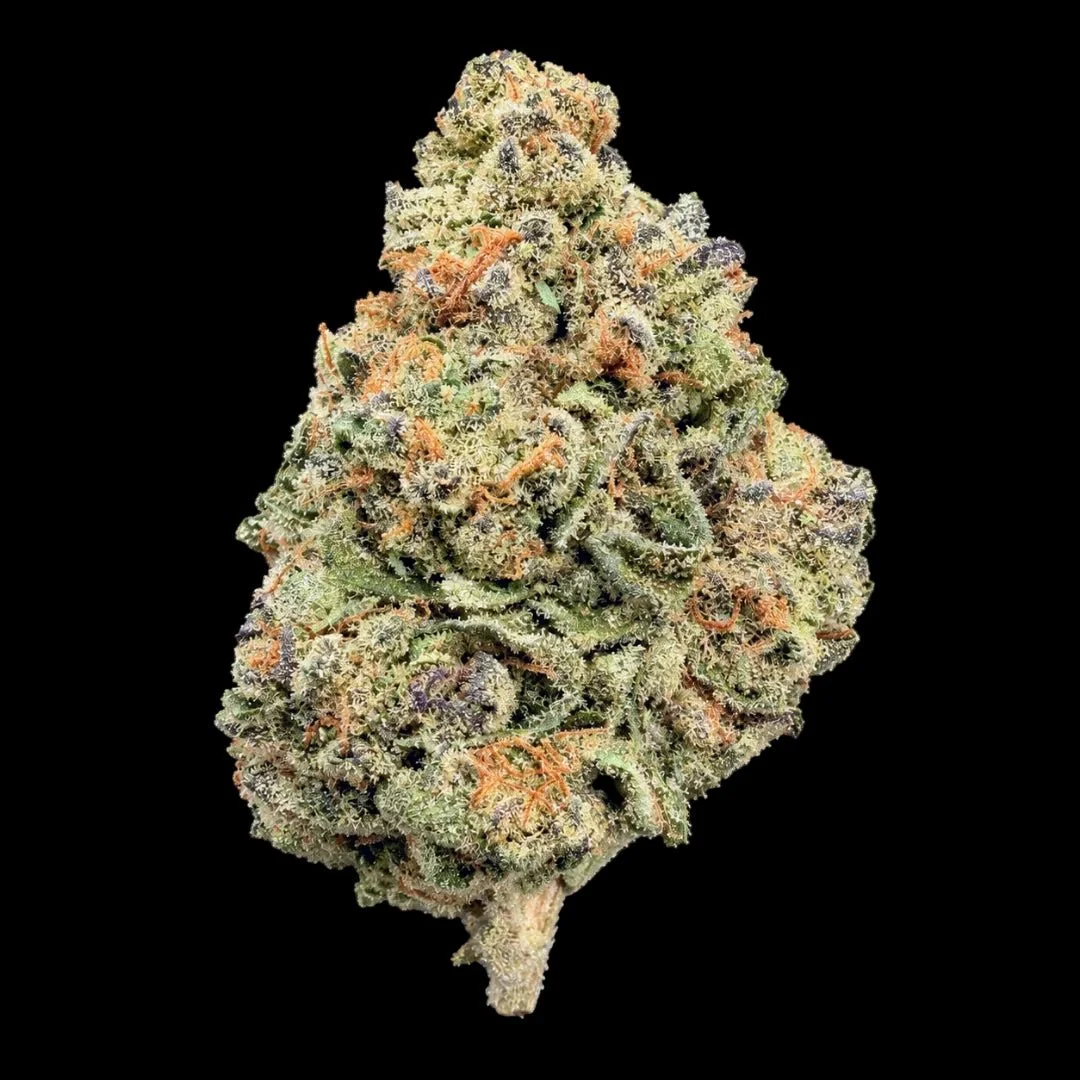
The practical questions are about the exact option displayed on a product page: which tier choices appear, what size formats are offered, whether the product is in stock, and what the current price is. Those live details can shift, so a static review should not promise a particular option or value. Check the live Lit Farms flower listings for today’s selection and current pricing.
Tier language also has a subjective element. A shopper who prioritizes a smaller-bud option may value a different format from someone who prioritizes larger, more visually uniform buds. The store’s descriptions explain its own organizing system; they do not establish a universal ranking or guarantee that one tier’s profile will be more enjoyable.
- Essential may suit readers who prioritize entry into a strain listing and its available smaller-bud formats.
- Preferred gives shoppers a middle tier to compare when available for a chosen cultivar.
- Supreme is aimed at readers seeking the store’s most selective presentation, subject to stock and listing detail.
For an example of a catalog image outside the three featured strain pages, Gas Face’s listing makes the product and its options the central point of comparison. Other available examples include Gruntz and Sunset Sherb, although the live store should be checked for current tier and inventory details.
Eligibility and stock are the store’s main constraints
The largest drawback is that a compelling product page does not guarantee that a reader can order it. Lit Farms states that customers must be at least 21 and that it restricts shipping to certain states. Because the applicable rules and the store’s shipping list can change, prospective shoppers should read the current notice on the product page and confirm their location’s rules before checkout.
Inventory is another moving part. A product may be listed while some tiers, sizes or variants are sold out. That matters more here than a minor preference between profile descriptions: if the preferred option is unavailable, a similar cultivar is not necessarily an equivalent replacement. Check the selection that can actually be added to cart rather than relying on a catalog card or an older article.
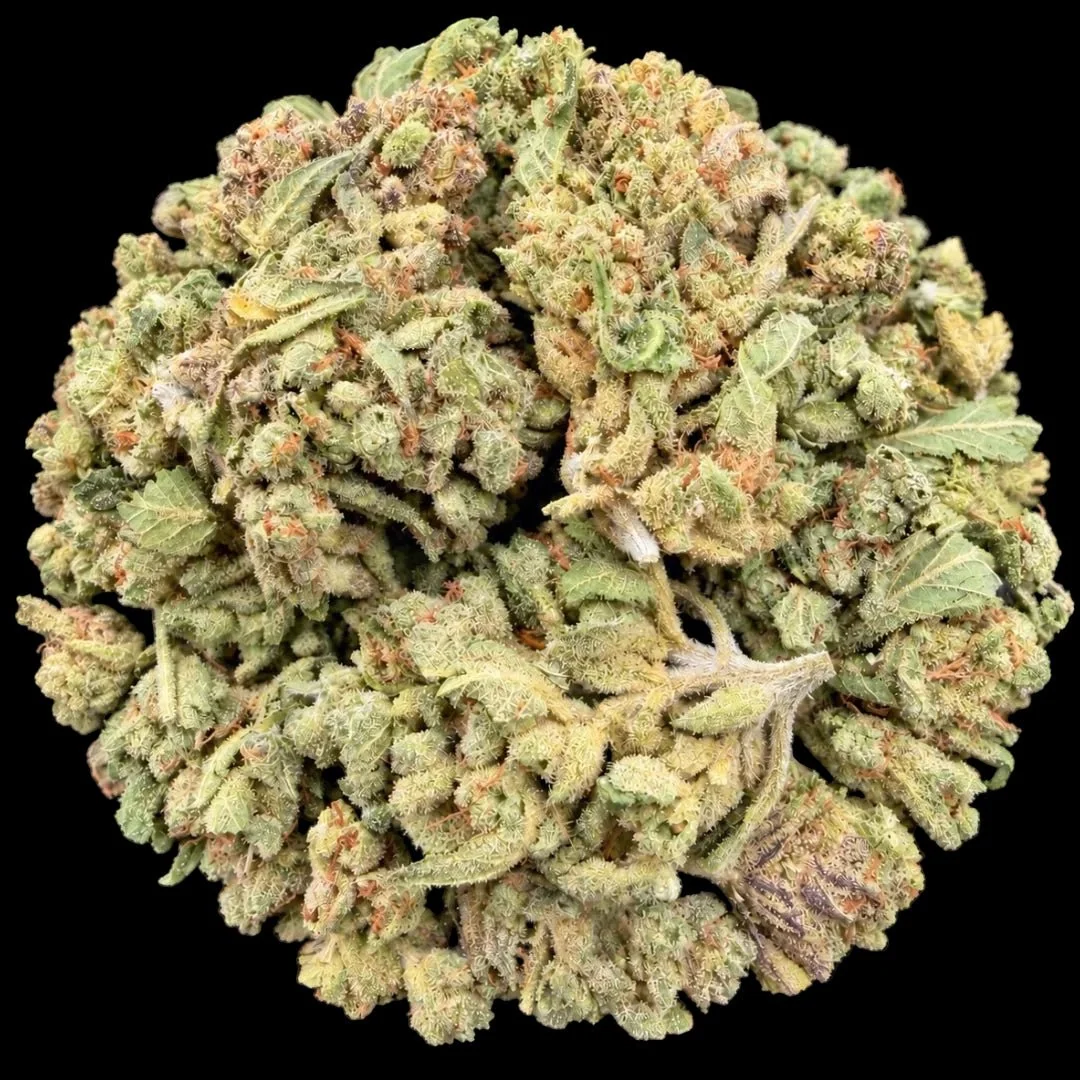
A cautious store visit follows a short sequence:
- Confirm that you meet the store’s age requirement and that delivery is permitted where you live.
- Compare product descriptions and open the current batch COA for the exact listing.
- Review the live tier, size and stock choices, then check the current price and shipping terms.
The store also warns that products can contain THC and may affect drug-test results, and carries health and regulatory disclaimers. That is relevant context for readers who face workplace testing, are pregnant or nursing, or have health questions. The store’s labeling is not a substitute for professional advice or local legal guidance.
For a current view of restrictions and inventory, readers can check Lit Farms’ available products and review the linked store policies before deciding. A smooth-looking product page does not eliminate those checks.
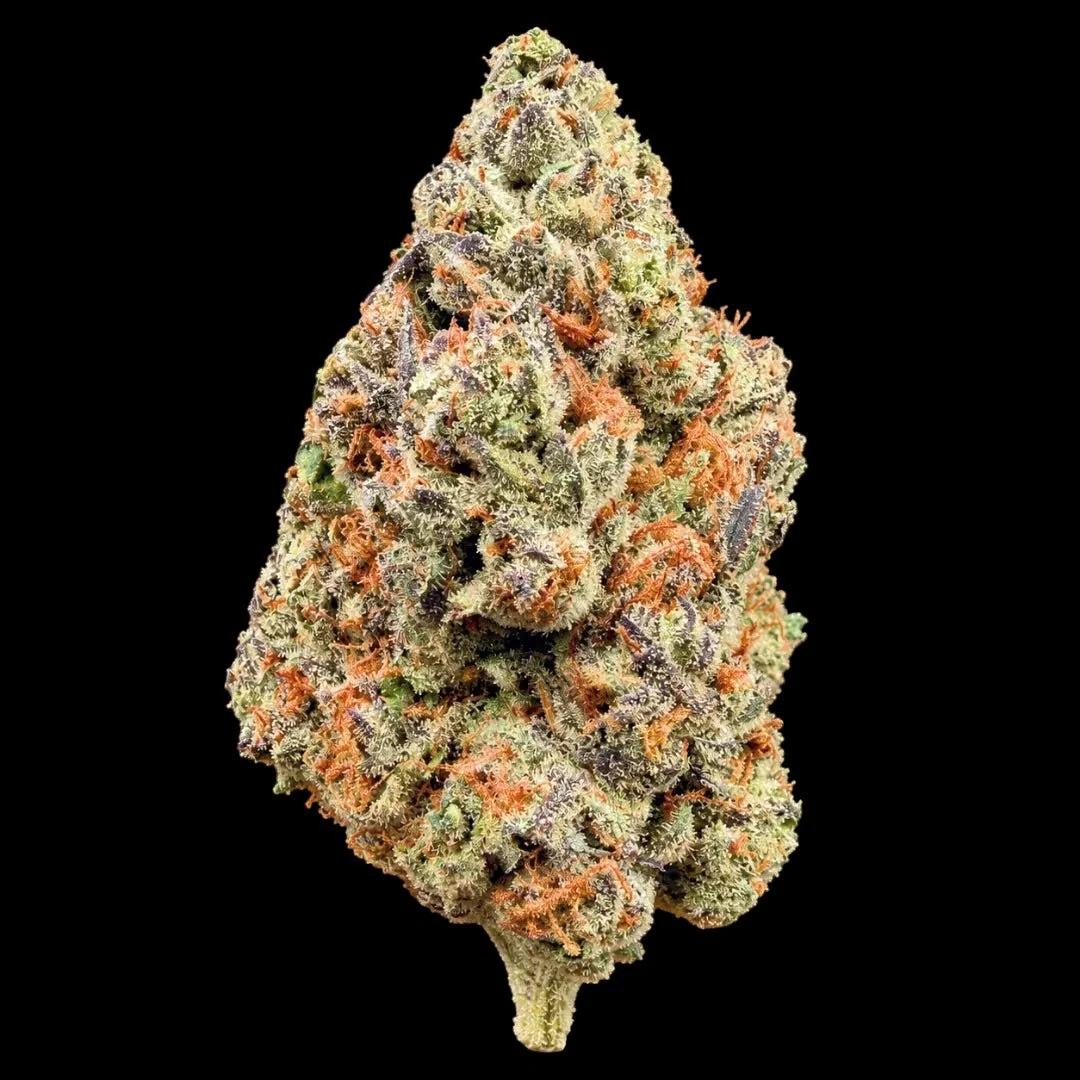
The honest verdict
Lost In Translation, Inc is a stronger fit for informed adult shoppers who want named flower profiles, tier choices and batch documentation in one catalog. The product pages make it easier to compare what the store says it is selling, and COA links add a useful layer of scrutiny.
The caveat is material: legality, shipping eligibility and stock can decide the outcome before profile preference does. The descriptions remain seller-provided, and availability and price are live details. We recommend using Lit Farms as a researchable shortlist, then checking the current page, COA and local rules before making any decision.
Lit Farms is worth considering for shoppers who read batch documents and verify local eligibility before relying on a strain description.