




Choose the equipment that fits a routine you will repeat and a space you have measured.
| Option | Best matched routine | Listing detail to verify |
|---|---|---|
| Foldable Pilates Reformer Machine | Floor-based resistance practice | Open footprint, folding method and included accessories |
| U-Shaped Rock Stepper | Lateral cardio movement | Working stability, band setup and mat inclusion |
| Vibration Plate F1 | Standing vibration sessions | Available status, operating guidance and controls |
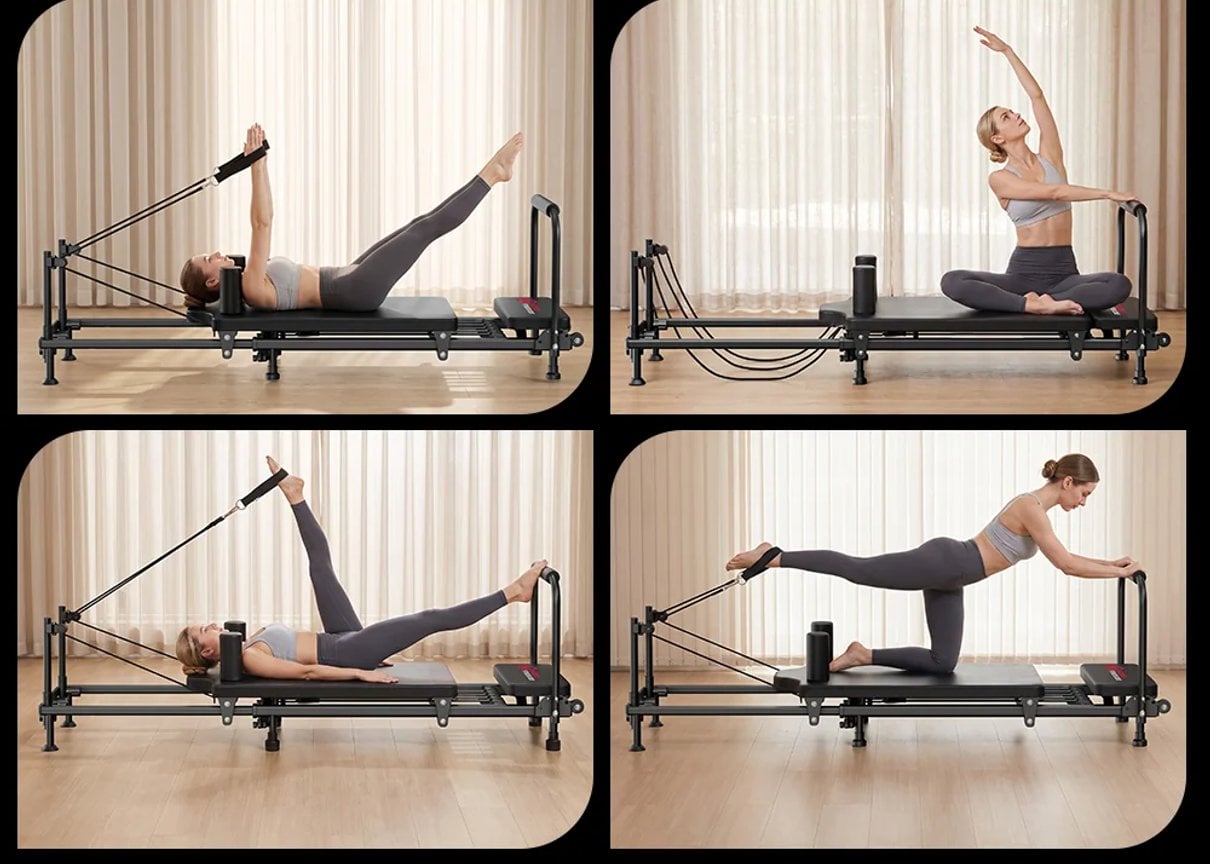
The Foldable Pilates Reformer Machine is the most focused pick here for someone seeking a carriage-based, floor-level practice. Its foldable design is relevant when storage matters, but the listing’s folded size and the space needed to extend it should decide whether it fits. Read what the product page says about included components rather than assuming a reformer arrives with every accessory used in photos. The reformer listing is the reference for the exact model.
- Adjustability matters when it changes everyday use
- Store details complete the buying decision
- A short plan makes browsing more useful
- The honest verdict
- A repeatable routine gives the shortlist a purpose
- The room sets the real equipment limit
- Three Home Fitness Code options serve different sessions
- Adjustability matters when it changes everyday use
- Store details complete the buying decision
- A short plan makes browsing more useful
- The honest verdict
The U-Shaped Rock Stepper, with Resistance Bands & Non-Slip Mat is aimed at a different preference: lateral rocking movement, with bands and a mat named in the product title. This makes it a plausible shortlist item for buyers who want a compact cardio station rather than a long walking belt. Check the listing for the machine’s footprint, how the bands attach and whether the stated package matches your intended setup.
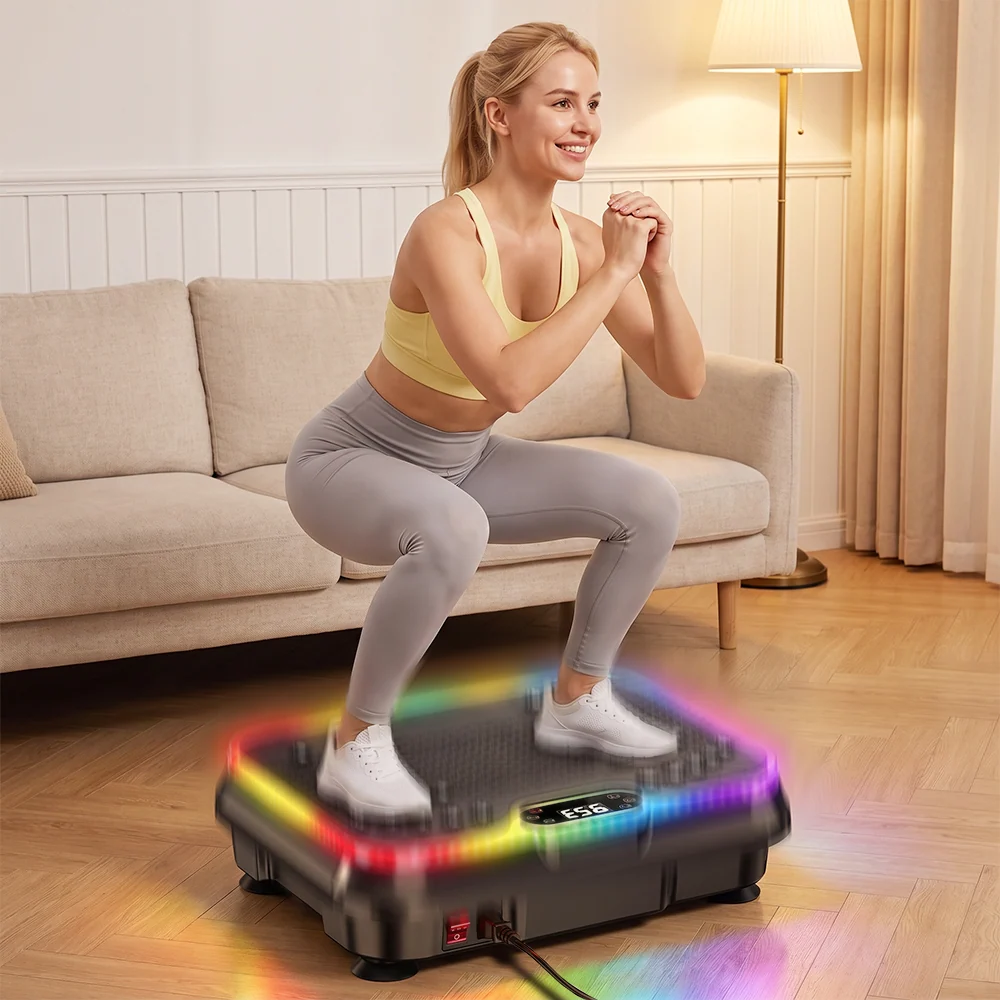
The Vibration Plate F1, with LED Lighting is a standing platform option. The UK product title lists 250 adjustable speed levels and LED lighting. Those controls are product information, not a promise of a particular training outcome. Since listings and stock can change, check the page for current availability and read the manufacturer’s usage guidance before deciding that this style fits your routine.
Adjustability matters when it changes everyday use
More settings can be useful when they solve a real difference between users or sessions. They can also add controls to learn without changing the basic movement. Compare the adjustment that affects your workout, the way it is selected, and whether the equipment can be adjusted without interrupting a session.
For each shortlisted machine, record:
- Resistance or speed range: identify the adjustment the listing actually names.
- User changes: note how quickly settings can be reset between household members.
- Feedback: see whether a display or control panel shows information you will use.
- Included extras: distinguish supplied accessories from items shown only for illustration.
This is especially useful when comparing an entry point with a more feature-rich model. A monitor is valuable if it helps you structure a session; lighting is a design feature unless it has a role in your space. Home Fitness Code’s catalogue spans different formats, so apply the same questions to a walking machine or rowing machine rather than comparing specification counts across unrelated types. Consider a resistance product when it serves your planned session.
Store details complete the buying decision
Product fit is only part of the decision. Before placing an order, review the individual page and the UK store’s relevant policies. Confirm the precise model name, what is included, whether assembly is required, how delivery is arranged and how returns or warranty claims work. The store may state general terms, but a product listing can carry details that matter to a larger item.
A final pre-order check can be short:
- Recheck dimensions, weight and clearance against your measurements.
- Confirm the listing’s stock status, package contents and assembly instructions.
- Read the current delivery, return and warranty terms that apply to the UK purchase.
- Review the current product page for the cost and any model changes before committing.
These checks are particularly important for equipment that needs a permanent place or careful assembly. A compact claim does not answer whether the item is easy to move, and an included mat or band does not settle every question about setup. If a detail affects safety or compatibility, find it on the product page or ask the retailer before purchase.
Use the UK store’s delivery information, returns information and warranty terms as part of the comparison. Those pages are the appropriate place to confirm current policies; broad catalogue descriptions cannot establish the exact terms for every order. Revisit the UK store information before you decide.
A short plan makes browsing more useful
With the movement, room and product checks in place, browsing can become a series of clear decisions instead of an open-ended search. Keep one preferred option and one alternative, and explain why each qualifies. If the reasons are only extra features or a product photograph, return to the routine question before you buy.
For a final comparison, write one sentence for each candidate:
- “I would use this for…”
- “It fits because…”
- “I still need to confirm…”
That note makes the trade-off visible. A reformer may be the stronger fit for a planned Pilates-style session, while a stepper may make more sense for brief cardio intervals. A vibration platform offers another distinct movement format, but the listing and guidance must support the way you intend to use it. If none clearly fits your routine and room, waiting or choosing a simpler alternative is a reasonable outcome. Compare against the available equipment range only when the need is clear.
The honest verdict
Home Fitness Code is a useful place to compare home cardio, strength and studio-style equipment when you already know the kind of workout you want. The reformer, U-shaped stepper and vibration plate each serve distinct routines, which makes product-level comparison more helpful than shopping the catalogue by headline features.
The limitation is that a compact or foldable design does not remove the need to measure, plan setup and review the exact UK listing. We recommend choosing by repeatable movement first, then verifying room fit, inclusions and store terms on the product page. For a more focused range of candidates, start with the Home Fitness Code home fitness equipment options.
Choose the equipment that fits a routine you will repeat and a space you have measured.
A practical route from a repeatable workout to the measurements, product details and UK store terms worth checking.
Choosing home gym equipment is easier when the first question is not which machine has the most settings. It is which kind of session you can picture doing regularly, and where that session will happen. The right purchase supports a habit; the wrong footprint or setup can turn an appealing listing into an obstacle.
Home Fitness Code has options across cardio, strength and studio-style training, including equipment designed to fold or adjust. We reviewed the UK store’s product information for this guide. Treat each listing as the source for the exact specification, included parts and current store terms, because details vary between models.
Heads-up: we earn a commission from some links in this article. It never changes the price you pay.
The short version: Decide on the movement you want to repeat, measure its working and storage area, then compare only equipment that serves that routine. For a floor-based resistance practice, the foldable reformer is a focused option; for lateral cardio, the U-shaped stepper is more specific. Check dimensions, setup and current availability on each UK product page before choosing. See the reformer listing for its model details.
A repeatable routine gives the shortlist a purpose
Write down the session in plain terms before browsing: walking while listening to a podcast, short cardio intervals, controlled resistance work, or bodyweight strength. Then consider the way the equipment will be used on an ordinary day. A treadmill may suit a daily walking habit, while a reformer asks for deliberate sessions and clear floor space. A piece of equipment that matches the routine is easier to evaluate than a broad promise of “full body” exercise. Start with the UK equipment range once you can name that routine.
Use these prompts to keep the shortlist practical:
- Movement: name the action you want to repeat, rather than a general fitness goal.
- Session length: decide whether you expect brief movement breaks or longer planned workouts.
- Shared use: note whether other household members need quick adjustments or different resistance settings.
- Alternatives: ask whether walking, a mat routine or existing equipment already meets the need.
This step matters because equipment categories do different jobs. In the Home Fitness Code cardio range, treadmills, bikes, rowers and steppers imply different movement patterns and storage needs. Compare the relevant category with the strength equipment selection only after the intended use is clear. That simple filter keeps features from distracting from fit. The Home Fitness Code product pages can then answer model-specific questions.
The room sets the real equipment limit
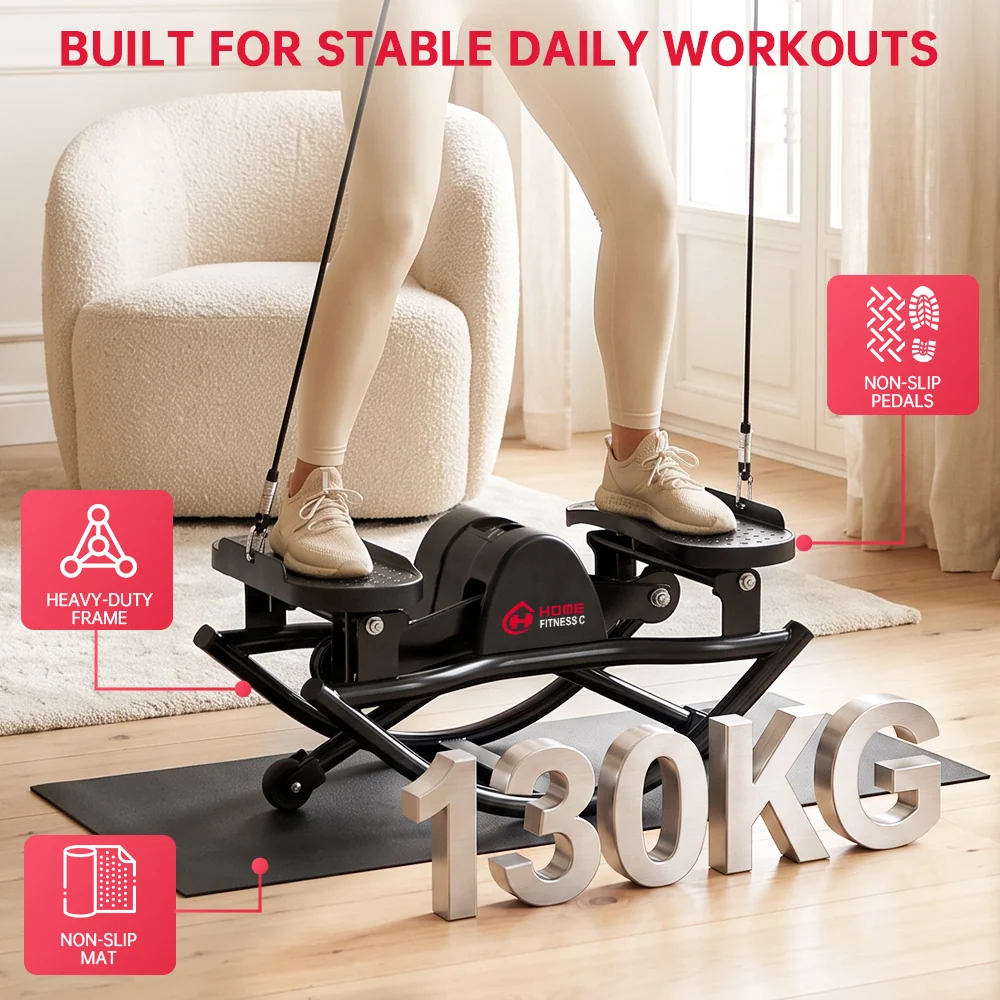
Measure the space where the workout takes place, not just the spare corner where equipment might be parked. Check width and length with enough clearance to mount, move safely and use any handles or accessories. If the product folds, check both its open working footprint and the folded storage dimensions. “Foldable” reduces storage demands only if there is a suitable place to put the folded machine. Check each product listing for both configurations.
Before comparing products, make a quick room note:
- Measure the available floor area and doorways on the route into the room.
- Mark the clearance needed for movement, including space beside and behind the machine.
- Identify a dry, level surface and consider the flooring beneath moving equipment.
- Choose a storage spot that remains accessible enough to support regular use.
For bigger or heavier items, also plan delivery access and assembly. Look for the listing’s package dimensions, assembly guidance and any stated tools or second-person recommendations. If a product page does not answer a practical question, check the UK store’s help pages before ordering rather than assuming that every product shares the same delivery or return arrangement. Start with the UK store help pages.
The Home Fitness Code equipment listings can be filtered against this room plan. A clear measurement is more useful than guessing from a photograph, and it can help eliminate a machine whose movement area conflicts with furniture or a doorway. Use the UK product details to compare your notes.
Three Home Fitness Code options serve different sessions
Once the routine and room are clear, compare the equipment by its central job and the questions that remain. The examples below are not interchangeable: each points toward a different session, and the product page should settle the detailed fit.
| Option | Best matched routine | Listing detail to verify |
|---|---|---|
| Foldable Pilates Reformer Machine | Floor-based resistance practice | Open footprint, folding method and included accessories |
| U-Shaped Rock Stepper | Lateral cardio movement | Working stability, band setup and mat inclusion |
| Vibration Plate F1 | Standing vibration sessions | Available status, operating guidance and controls |
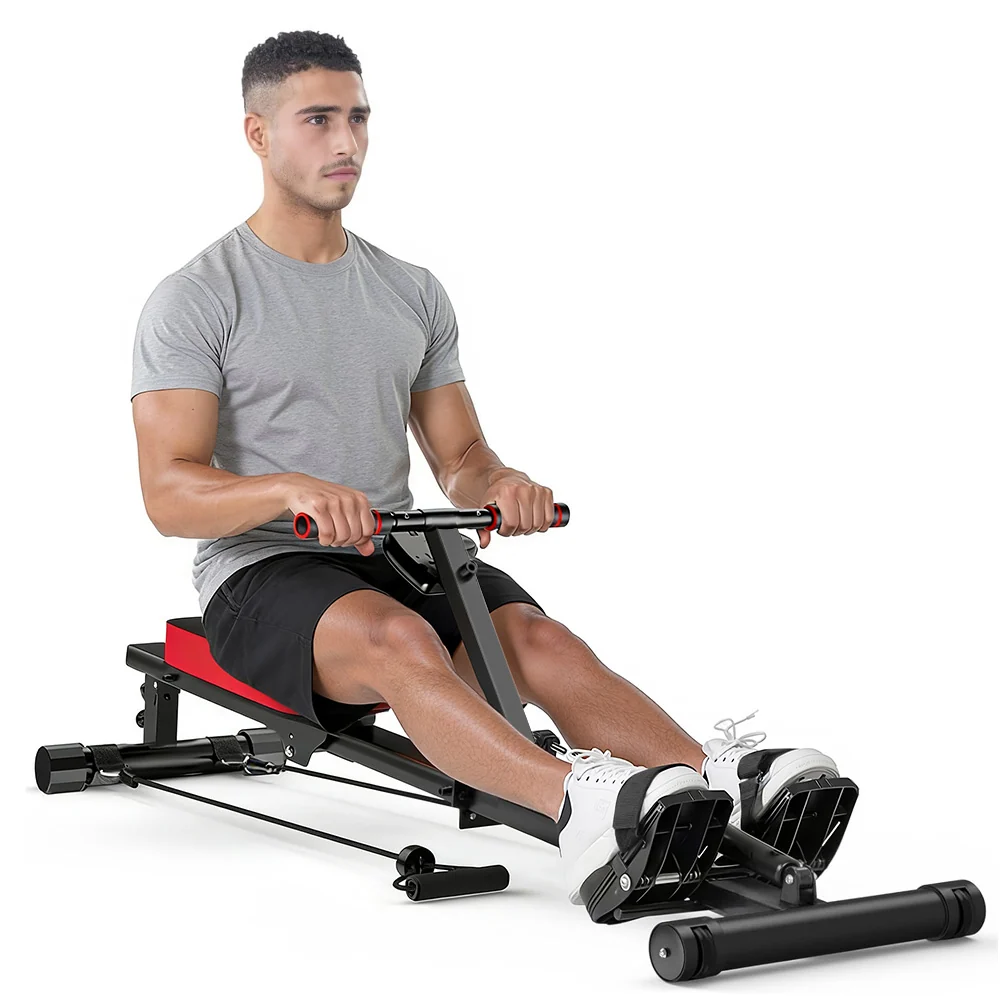
The Foldable Pilates Reformer Machine is the most focused pick here for someone seeking a carriage-based, floor-level practice. Its foldable design is relevant when storage matters, but the listing’s folded size and the space needed to extend it should decide whether it fits. Read what the product page says about included components rather than assuming a reformer arrives with every accessory used in photos. The reformer listing is the reference for the exact model.
The U-Shaped Rock Stepper, with Resistance Bands & Non-Slip Mat is aimed at a different preference: lateral rocking movement, with bands and a mat named in the product title. This makes it a plausible shortlist item for buyers who want a compact cardio station rather than a long walking belt. Check the listing for the machine’s footprint, how the bands attach and whether the stated package matches your intended setup.
The Vibration Plate F1, with LED Lighting is a standing platform option. The UK product title lists 250 adjustable speed levels and LED lighting. Those controls are product information, not a promise of a particular training outcome. Since listings and stock can change, check the page for current availability and read the manufacturer’s usage guidance before deciding that this style fits your routine.
Adjustability matters when it changes everyday use
More settings can be useful when they solve a real difference between users or sessions. They can also add controls to learn without changing the basic movement. Compare the adjustment that affects your workout, the way it is selected, and whether the equipment can be adjusted without interrupting a session.
For each shortlisted machine, record:
- Resistance or speed range: identify the adjustment the listing actually names.
- User changes: note how quickly settings can be reset between household members.
- Feedback: see whether a display or control panel shows information you will use.
- Included extras: distinguish supplied accessories from items shown only for illustration.
This is especially useful when comparing an entry point with a more feature-rich model. A monitor is valuable if it helps you structure a session; lighting is a design feature unless it has a role in your space. Home Fitness Code’s catalogue spans different formats, so apply the same questions to a walking machine or rowing machine rather than comparing specification counts across unrelated types. Consider a resistance product when it serves your planned session.
Store details complete the buying decision
Product fit is only part of the decision. Before placing an order, review the individual page and the UK store’s relevant policies. Confirm the precise model name, what is included, whether assembly is required, how delivery is arranged and how returns or warranty claims work. The store may state general terms, but a product listing can carry details that matter to a larger item.
A final pre-order check can be short:
- Recheck dimensions, weight and clearance against your measurements.
- Confirm the listing’s stock status, package contents and assembly instructions.
- Read the current delivery, return and warranty terms that apply to the UK purchase.
- Review the current product page for the cost and any model changes before committing.
These checks are particularly important for equipment that needs a permanent place or careful assembly. A compact claim does not answer whether the item is easy to move, and an included mat or band does not settle every question about setup. If a detail affects safety or compatibility, find it on the product page or ask the retailer before purchase.
Use the UK store’s delivery information, returns information and warranty terms as part of the comparison. Those pages are the appropriate place to confirm current policies; broad catalogue descriptions cannot establish the exact terms for every order. Revisit the UK store information before you decide.
A short plan makes browsing more useful
With the movement, room and product checks in place, browsing can become a series of clear decisions instead of an open-ended search. Keep one preferred option and one alternative, and explain why each qualifies. If the reasons are only extra features or a product photograph, return to the routine question before you buy.
For a final comparison, write one sentence for each candidate:
- “I would use this for…”
- “It fits because…”
- “I still need to confirm…”
That note makes the trade-off visible. A reformer may be the stronger fit for a planned Pilates-style session, while a stepper may make more sense for brief cardio intervals. A vibration platform offers another distinct movement format, but the listing and guidance must support the way you intend to use it. If none clearly fits your routine and room, waiting or choosing a simpler alternative is a reasonable outcome. Compare against the available equipment range only when the need is clear.
The honest verdict
Home Fitness Code is a useful place to compare home cardio, strength and studio-style equipment when you already know the kind of workout you want. The reformer, U-shaped stepper and vibration plate each serve distinct routines, which makes product-level comparison more helpful than shopping the catalogue by headline features.
The limitation is that a compact or foldable design does not remove the need to measure, plan setup and review the exact UK listing. We recommend choosing by repeatable movement first, then verifying room fit, inclusions and store terms on the product page. For a more focused range of candidates, start with the Home Fitness Code home fitness equipment options.
Choose the equipment that fits a routine you will repeat and a space you have measured.