





A practical introduction to Segway’s mobility roots, current store range and the product details that matter when you are choosing where to start.
- Segway’s mobility story now spans several ride formats
- MAX G3 Plus makes the commuter scooter the clearest entry point
- MUXI Pro turns eBike utility into family transport
- Myon and Xafari split everyday tech from trail-ready comfort
- S2 Kids extends self-balancing design to a younger audience
- Your first Segway should match the route before the feature list
- The honest verdict
Segway is often associated with the self-balancing products that made its name recognizable, but the current US store is much broader. It brings together commuter scooters, eBikes, kids products, off-road models, GoKarts, accessories and even portable power.
That breadth is useful, but it can also make a first visit feel like a catalogue rather than a clear brand story. We are looking at what Segway builds, how its range is organized and which concrete models explain the brand best. View the current Segway collection while you read.
Heads-up: we earn a commission from some links in this article. It never changes the price you pay.
The short version: Segway has moved from a single personal-mobility idea into a wide ecosystem of electric rides. The sensible first step is to match the vehicle format to your routine, then compare the current store listing for specifications, availability, local restrictions and price.
Segway’s mobility story now spans several ride formats
The brand’s official store describes Segway as a personal-transportation company, and its menu makes that positioning visible. Electric scooters sit alongside eBikes, self-balancing scooters, kids scooters, eDirt bikes and GoKarts. That is more than a collection of adjacent products: it is a practical map of different distances, surfaces, riders and reasons to ride.
There is also a support layer around the products. The store links to parts, service, warranty information, a dealer locator and a test-ride pathway for eBikes. For a first-time buyer, those details matter because an electric vehicle is a long-term ownership decision, not just a color or shape preference. Browse Segway’s official US store to see the categories currently available, then review the eBike range and open the scooter category as separate starting points.
- Short urban trips: start with the adult eKickScooter range.
- Pedal-assisted errands: compare the eBike models and their carrying options.
- Family riding: look at the S2 Kids self-balancing format and kids scooter category.
- Recreation and rougher terrain: examine eDirt bikes, fat-tire eBikes and GoKarts.
MAX G3 Plus makes the commuter scooter the clearest entry point
The Segway MAX G3 Plus shows how the brand translates its commuter heritage into a more capable modern scooter. The store lists a claimed maximum range of up to 56 miles at 10 mph, a 28 mph maximum speed, 2200 watts of maximum power, boost mode and full hydraulic suspension. It also lists 11-inch self-sealing tires and an intelligent braking system.
Those specifications point to a rider who wants more comfort and range context than a basic last-mile scooter. They also create limits: the store notes a New York shipping restriction for this model because its top speed exceeds 20 mph. Read the Segway MAX G3 Plus listing for the current technical details and shipping information, then compare the broader scooter range and view Segway’s commuter models if your local rules or route do not suit this model.
The MAX G3 Plus is therefore a useful introduction to Segway’s design priorities: suspension, stability, integrated controls and practical commuting equipment. It is not the automatic choice for every rider. Weight, storage, speed limits and local regulations should be part of the decision.
- Strength: a high-spec commuter brief with suspension, range information and self-sealing tires.
- Useful detail: the listing includes smart display and rear turn-signal features.
- Limitation: speed-related restrictions can affect shipping and legal use in some places.
MUXI Pro turns eBike utility into family transport
The Segway MUXI Pro gives the range a different center of gravity. It is presented as a cargo eBike, so the relevant question is not simply how fast it goes. It is whether the frame, carrying setup and available accessories fit errands, family trips or the everyday load that a scooter cannot carry comfortably.
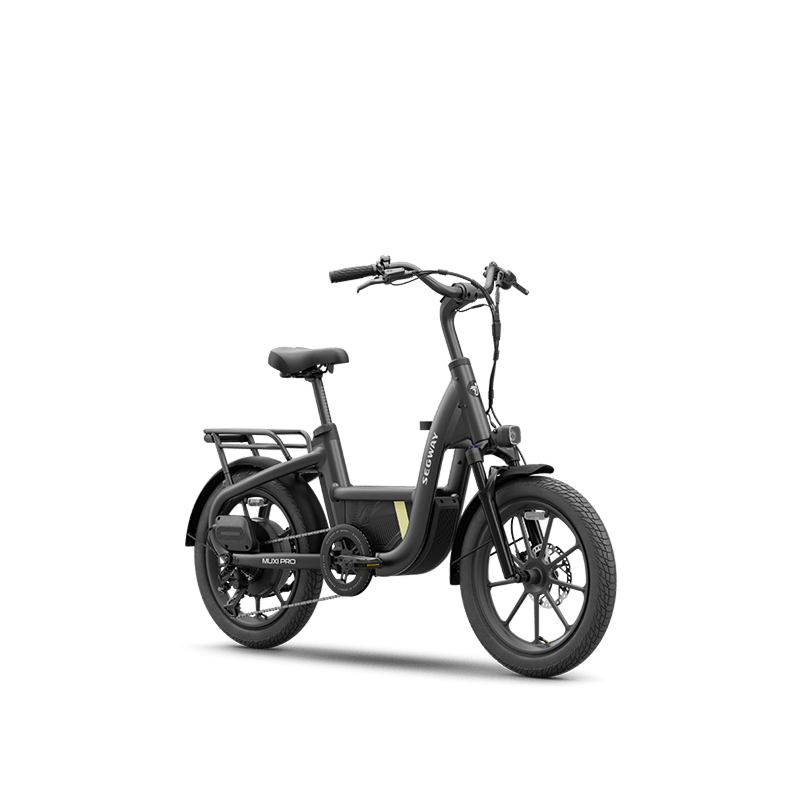
The store also lists a MUXI middle basket, fender set and passenger kit, which makes the accessory ecosystem part of the product story. See the Segway MUXI Pro page for the current configuration, and review MUXI accessories if carrying capacity is central to your decision. You can also check Segway’s parts and accessories before treating the base bike as the complete setup.
This is where Segway’s range becomes more interesting than a simple scooter brand. The same store can serve a commuter seeking a compact ride and a household looking for a more useful replacement for short car trips. The tradeoff is that a cargo eBike needs more storage space and a more careful fit check than a foldable scooter.
Myon and Xafari split everyday tech from trail-ready comfort
The Segway Myon and Segway Xafari help explain the differences inside the eBike category. Myon is positioned as an everyday electric bike with an integrated, technology-led design. Xafari takes a more adventure-oriented path with fat tires, suspension and an adaptive power system described on the store page.
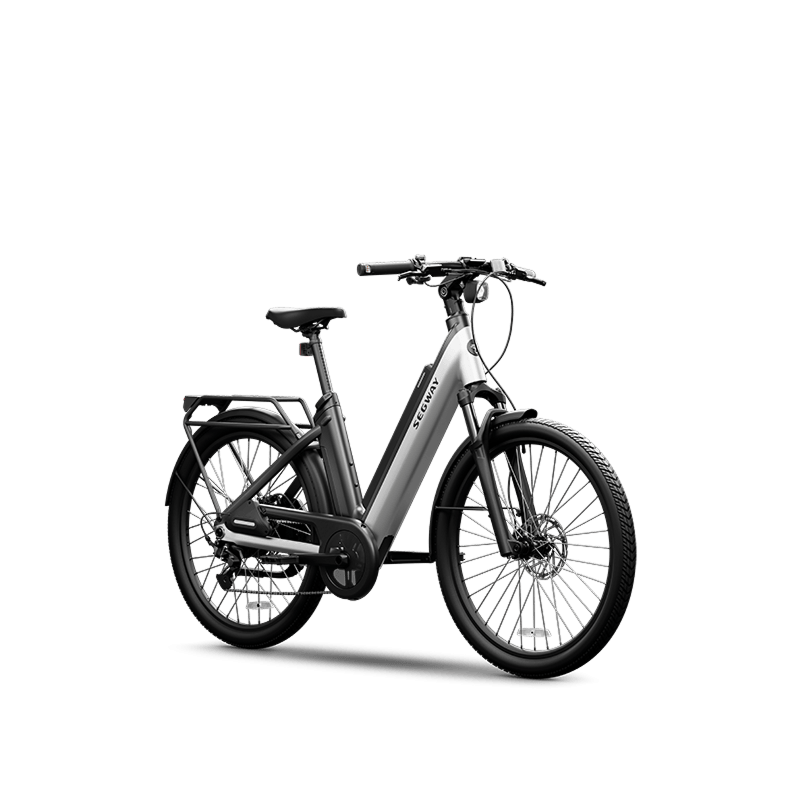
Myon makes sense as the page to inspect when you want a more conventional daily eBike format with connected features. View the Segway Myon listing and read the current sizing, equipment and delivery details. You can compare everyday eBike options before choosing a frame. Xafari is the more specialized proposition: the store lists an 88-mile maximum range claim, 80/70 mm suspension, smart cockpit, app access and fat-tire construction. See Segway’s current eBike options before deciding whether that extra capability fits your roads.
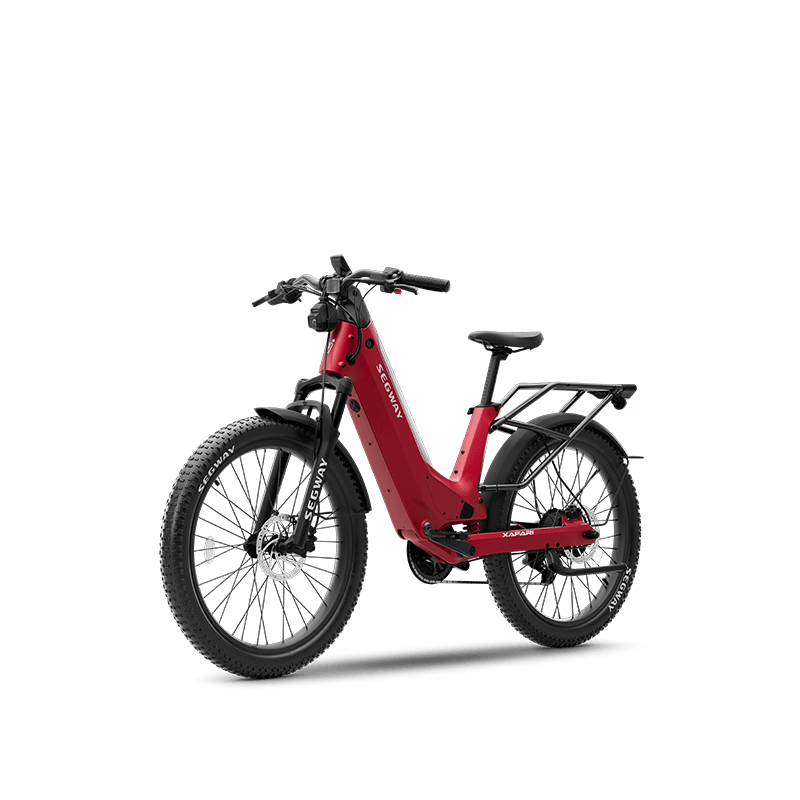
The honest distinction is use case. Myon is easier to place in a daily routine; Xafari earns attention when comfort over mixed surfaces and longer recreational rides are more important. Both still require local classification, battery, fit and delivery checks.
S2 Kids extends self-balancing design to a younger audience
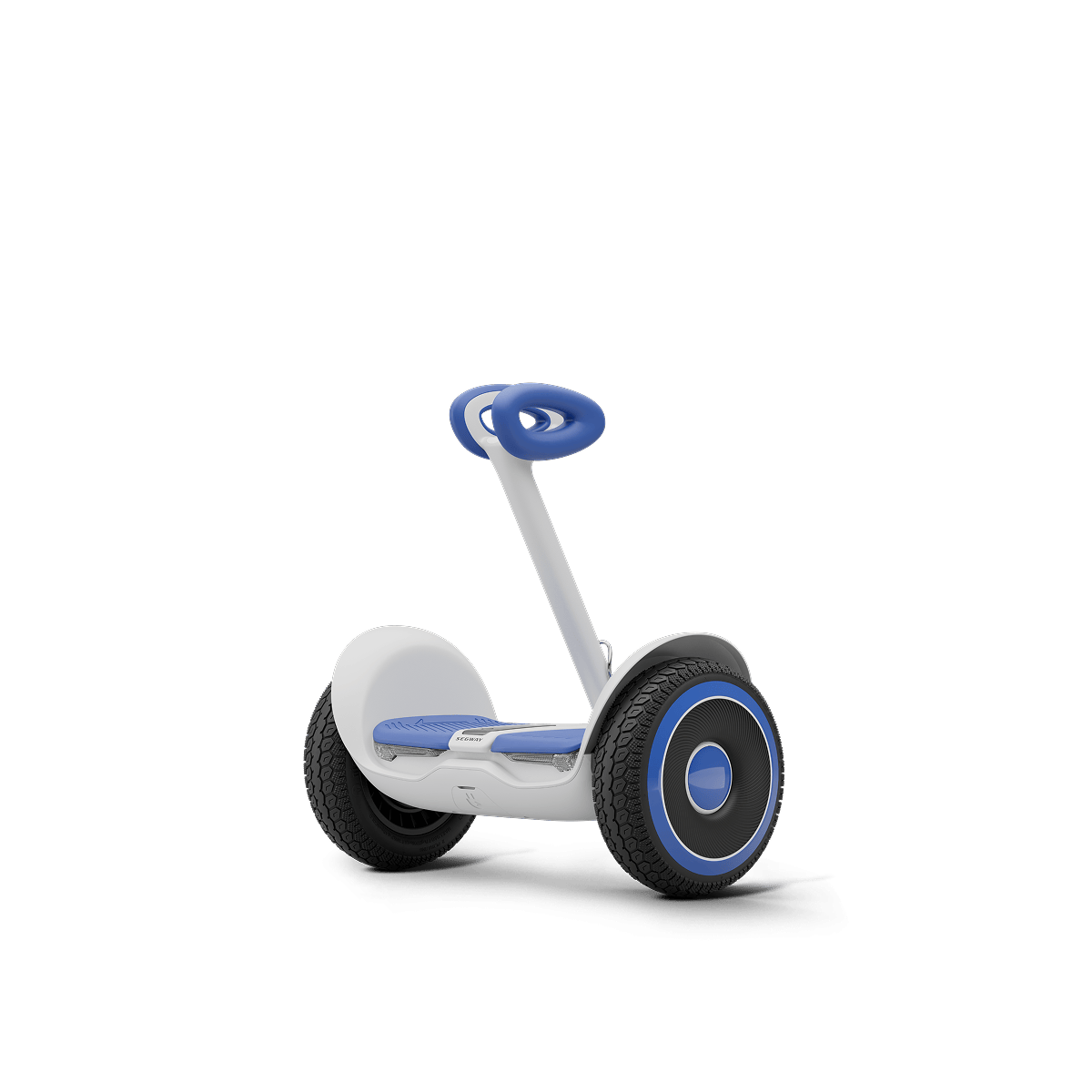
The Segway S2 Kids shows how the self-balancing side of the brand is being adapted for a younger rider. The store presents it as a self-balancing scooter rather than an adult commuter product, and its compact form makes the audience distinction clear. Read the S2 Kids product details for the current age, height, safety and operating guidance. Compare Segway’s self-balancing products if you are still deciding between formats.
That page is worth treating as a family decision rather than an impulse purchase. A parent should look at supervision, protective equipment, riding surface, storage and the child’s readiness. Explore Segway’s kids range if a conventional kids scooter is a better fit than self-balancing technology.
- Confirm the current recommended rider measurements and operating guidance.
- Plan a flat, controlled practice area away from traffic.
- Use appropriate protective equipment and adult supervision.
- Check local rules, charging needs and storage before ordering.
Your first Segway should match the route before the feature list
The range is easiest to navigate when the decision starts with the journey. A short urban commute points toward a scooter. Groceries, passengers or regular loads point toward a cargo eBike. Mixed surfaces may justify fat tires and suspension. A family purchase needs a different safety conversation from an adult daily ride.
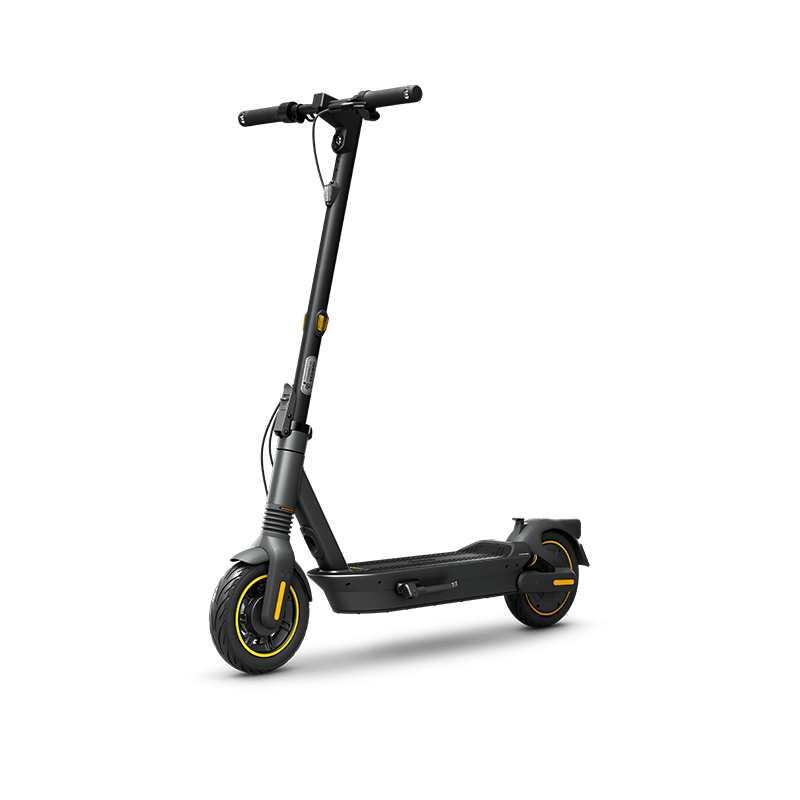
Before opening a product page, we would narrow the choice with four checks: storage space, intended route, rider fit and local restrictions. Then compare the current listing for battery, range conditions, weight, included equipment, delivery and warranty. Start with Segway’s current product categories and use the official store pages for the final details. Check the current store availability once you have a shortlist.
- Choose the format: scooter, eBike, self-balancing product or recreational ride.
- Check the route: pavement, hills, mixed surfaces and trip length change the sensible specification.
- Check the rider: fit, experience, supervision and comfort matter as much as motor output.
- Check ownership: charging, storage, service, parts and local rules should all be workable.
The honest verdict
Segway is worth a closer look because its store now covers several distinct kinds of electric mobility rather than one narrow use case. MAX G3 Plus explains the high-spec commuter scooter, MUXI Pro shows the utility eBike direction, Myon and Xafari separate daily riding from adventure comfort, and S2 Kids carries the self-balancing idea into a family context.
The limitation is range complexity. A broad catalogue makes comparison more important, and specifications, availability, shipping restrictions and pricing can change by model. We recommend beginning with the route and rider, then checking the exact current product page before making a decision.
Segway makes the most sense when you choose the ride around your routine, not the other way around.