



A closer look at the UK brand’s home-fitness range shows how its compact cardio and strength equipment serves different routines and spaces.
- Home Fitness Code brings several training styles under one roof
- The Foldable Exercise Bike keeps cardio seated and straightforward
- The Mini Hydraulic Stepper adds a small-space cardio option
- The Power Tower Dip Station A1 makes strength more station-based
- The range is strongest when each product has a clear job
- Product pages and store details complete the brand picture
- The honest verdict
Home workouts are easier to plan when the equipment fits the activity, available space and the amount of setup a person is willing to manage. Home Fitness Code is a UK-facing retailer whose catalogue brings together cardio machines, strength stations and smaller tools for low-impact movement.
For someone meeting the brand for the first time, the useful question is not whether one machine can do everything. It is how the range divides into practical training jobs, and what a product listing can tell you before you decide whether it belongs in your home.
Heads-up: we earn a commission from some links in this article. It never changes the price you pay.
The short version: Home Fitness Code is built around accessible home training, with options ranging from foldable cardio to more dedicated strength equipment. Its range is most useful when you begin with a routine and then check each listing for dimensions, resistance details, storage and included accessories.
Home Fitness Code brings several training styles under one roof
The brand’s UK store covers a broad, recognisable set of home-gym needs: cardio, strength and lower-impact exercise. That breadth is useful for browsing, but it does not make every item interchangeable. A foldable bike supports seated pedalling; a stepper creates a short, upright cardio session; a power tower is aimed at bodyweight strength.
That distinction is the clearest way to read the catalogue. Think of Home Fitness Code as a collection of specific tools rather than a single training system. Product pages describe the model’s features, while the buyer still needs to judge whether those features match the planned routine and the room available.
- Cardio includes bikes, treadmills, steppers, rowers and cross trainers.
- Strength includes benches, weight sets, cable machines and power towers.
- Compact movement includes folding formats and smaller equipment for shorter sessions.
A practical first pass is to write down the activity you expect to repeat, how long a session might be, and where equipment will live between workouts. That makes browsing Home Fitness Code more purposeful than choosing by product category alone. View the Home Fitness Code collection to see how the categories are organised.
The Foldable Exercise Bike keeps cardio seated and straightforward
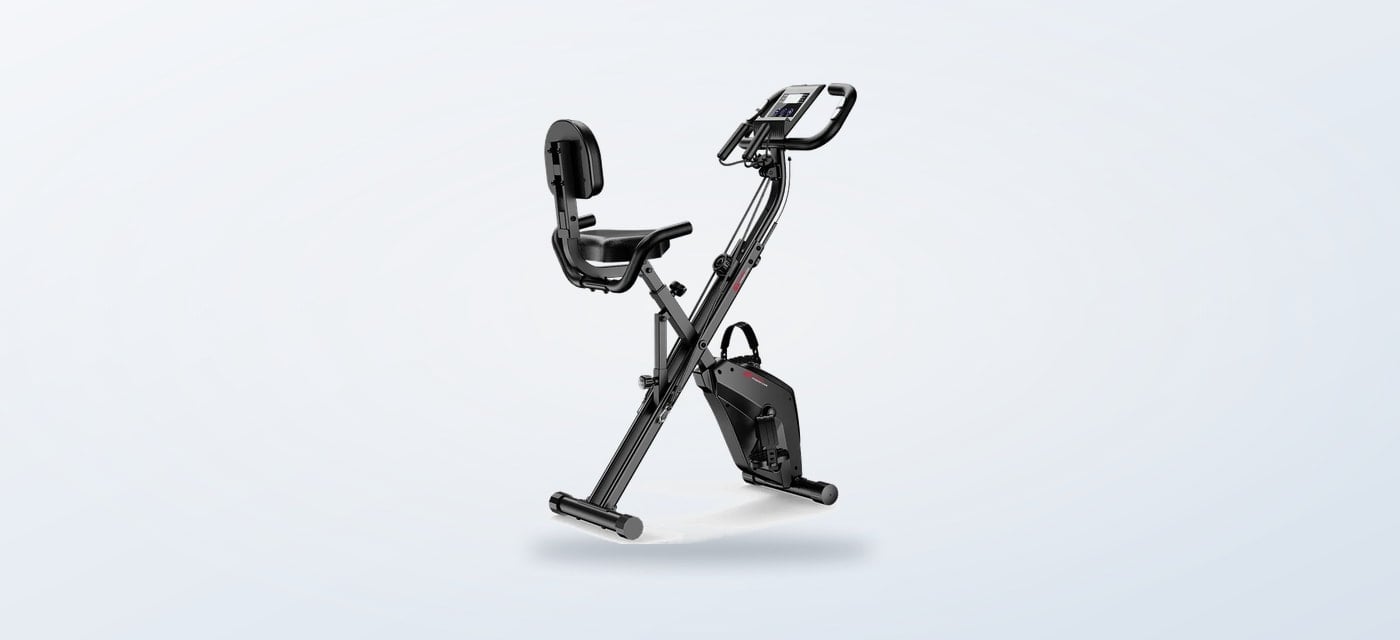
The Foldable Exercise Bike, Magnetic Resistance is a straightforward entry point to the catalogue. Its product name identifies two important details: a folding design and magnetic resistance. That combination points toward indoor cycling where storage and a familiar seated position matter.
Readers can inspect the Foldable Exercise Bike, Magnetic Resistance listing for the machine’s current dimensions, adjustment points and assembly information. A folding frame may help after a session, but it still needs a suitable place to unfold and use. Check the footprint in both positions and confirm that the seat and handlebar settings can accommodate the intended rider.
The Foldable Exercise Bike, Magnetic Resistance is one of the clearer examples of the brand’s practical, routine-led offer. For an expert-style assessment, resistance type is only part of the decision. A buyer should also consider whether the bike’s listed range of adjustments supports comfortable posture, whether the display provides the information they want, and how often they would realistically move it. If the routine is short, regular seated cardio, this category is easy to understand. If the goal is a more immersive training setup, compare the listing with other cardio formats such as a rower or treadmill. View the foldable bike listing for its current specifications.
The Mini Hydraulic Stepper adds a small-space cardio option
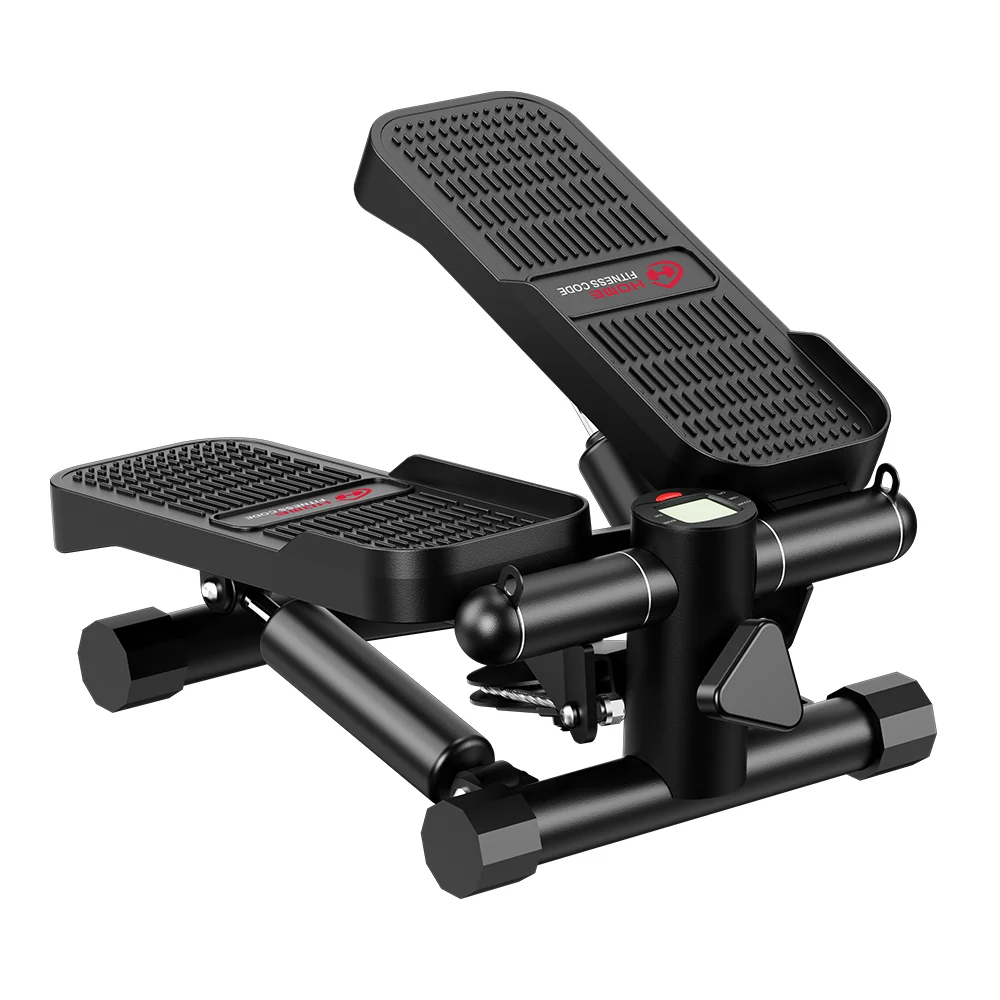
The Mini Hydraulic Stepper with Resistance Bands represents the range’s compact end. Stepping gives the session a different rhythm from cycling, while the included bands can bring the arms into simple resistance movements. The important distinction is that the machine is intended for short, repeated movement, not a full-body strength station.
On the Mini Hydraulic Stepper with Resistance Bands page, check the stated dimensions, maximum user capacity, resistance mechanism and what the display tracks. The bands may widen the movements available, but buyers should understand how they attach and whether their length suits the exercises they have in mind. The listing is the source for those specifics.
The Mini Hydraulic Stepper with Resistance Bands sits in a category where storage and access can matter as much as the exercise itself. A compact piece of kit can be a good fit where floor space is limited, yet compact should not be read as effortless. Stepping still needs a stable, clear area, and a regular workout depends on having enough room to move safely. Consider the storage spot and the route from storage to use before treating a small footprint as a decisive advantage. Check the stepper’s current product details before deciding whether its format suits your room.
The Power Tower Dip Station A1 makes strength more station-based
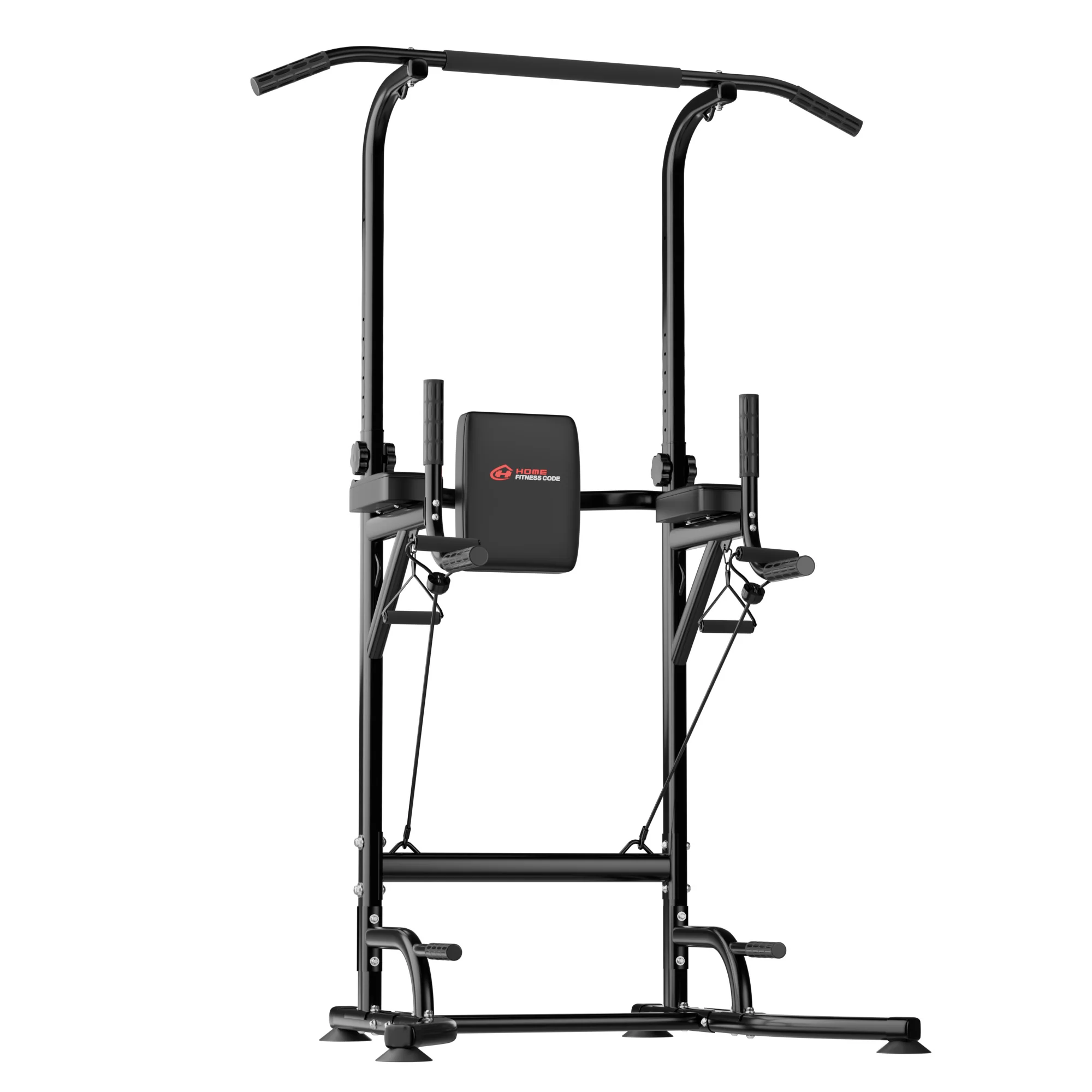
For bodyweight work, the Power Tower Dip Station A1, with Resistance Bands is a more dedicated choice. The listing describes a station with pull-up and dip functions plus resistance bands, giving it a different role from portable cardio equipment. It makes most sense for someone who already knows which bodyweight movements they want to practise.
Review the Power Tower Dip Station A1, with Resistance Bands page for height settings, overall dimensions, floor requirements and assembly notes. A freestanding frame needs clear space around it and a stable surface. The bands can add assistance or resistance depending on the movement, but they do not replace checking the frame’s intended use or the product’s stated limits.
The Power Tower Dip Station A1 makes sense when pull-up and dip practice are actual goals. The trade-off is visible in the format: a station can keep several exercises in one place, but it is less likely to fold away as neatly as a small stepper. For a household that can dedicate a corner to strength training, that arrangement may support consistency. For a shared room, a bench or compact free weights may be easier to accommodate. See the Power Tower product listing for setup and dimension information.
The range is strongest when each product has a clear job
For product-level specifics, revisit the bike listing, the stepper listing and the power tower listing. These examples show the brand’s organising idea: one catalogue, several distinct routines. The Foldable Exercise Bike supports seated cardio; the Mini Hydraulic Stepper adds upright stepping and band work; the Power Tower Dip Station A1 sets aside space for bodyweight strength. Each choice is easier to evaluate once the intended session is clear.
Before opening a product page, decide which of these conditions matters most:
- Routine: name the movements you want to do regularly, not just a broad goal such as getting fitter.
- Room: measure the usable floor area and account for the user moving around the machine.
- Storage: check whether the model folds or needs a permanent position.
- Setup: read the assembly and maintenance notes and confirm what accessories are included.
This approach helps keep a wide catalogue legible. A shopper focused on low-impact cardio can compare the Foldable Exercise Bike and Mini Hydraulic Stepper by session style. Someone building a strength corner can start with the Power Tower Dip Station A1 and compare it with benches or weights according to the exercises they will actually perform.
It is also sensible to separate a product’s headline feature from its day-to-day usefulness. Resistance levels, adjustment options and included bands matter when they change the session you can do. They matter less if the equipment will be difficult to set up, store or use comfortably in the available space.
Product pages and store details complete the brand picture
Home Fitness Code describes its offer as home fitness equipment at accessible prices and presents categories spanning cardio and strength. That positioning is broad; the product pages do the more useful work of explaining an individual model’s features. We have reviewed the UK store’s product information, not used or tested the equipment, so a careful reader should treat specifications as listing details and confirm them before ordering.
Make the last checks on the exact item page: dimensions, user limits, delivery information, warranty or return terms, and the full list of included parts. Store policies can vary in how they apply to bulky equipment, and the current UK listing is the appropriate place to confirm the terms for a particular model. Compare the bike details with the stepper details if you are choosing between seated and upright cardio.
It can also help to compare the product’s storage and assembly demands with the activity itself. A more involved machine may be reasonable when it supports a routine you already plan to follow. A smaller option may be the better fit when convenience and quick access are what will make a session repeatable.
The honest verdict
Home Fitness Code is worth exploring for first-time home-gym shoppers who want distinct choices across cardio, compact movement and strength. Its range has practical variety, from the foldable bike to the mini stepper and power tower, and the UK product listings let readers inspect model-specific features.
The limitation is that range breadth can make a quick browse feel like a decision in itself, while compact formats still require real floor space and product-level checks. Start with a repeatable activity, verify the measurements and terms, then compare the current options on the store.
Choose Home Fitness Code equipment by the routine and room it needs to serve, then confirm the exact listing details before deciding.