




A research-led look at the film sets, ticket structure and optional guide tools that determine whether this indoor Tokyo attraction fits your day.
Warner Bros. Studios Japan operates the Studio Tour Tokyo, a behind-the-scenes attraction centered on the making of the Harry Potter films. For visitors deciding whether to commit a substantial part of a Tokyo itinerary, the useful question is less whether the franchise is familiar and more whether the tour’s scale and detail justify the time.
The official site presents an indoor, timed-entry experience: sets, props, costumes, creature effects, food and retail are all part of the visit. We reviewed those official details and the ticket and enhancement pages to assess what the visit offers, where extras add value, and what should be checked before booking.
Heads-up: we earn a commission from some links in this article. It never changes the price you pay.
The short version: This is a strong fit for Harry Potter fans who enjoy production design and want a structured, behind-the-scenes day. The depth is the draw, but it also means this is not a quick photo stop; timed entry, travel and optional extras all call for advance planning.
The film sets reward visitors who like detail
The most persuasive reason to choose the Studio Tour is its subject. Instead of rides or a broad theme-park roster, the official experience focuses on how screen worlds were built: sets, props, costumes, creature work and effects. That makes the visit legible even to fans who would rather inspect craft than chase attractions.
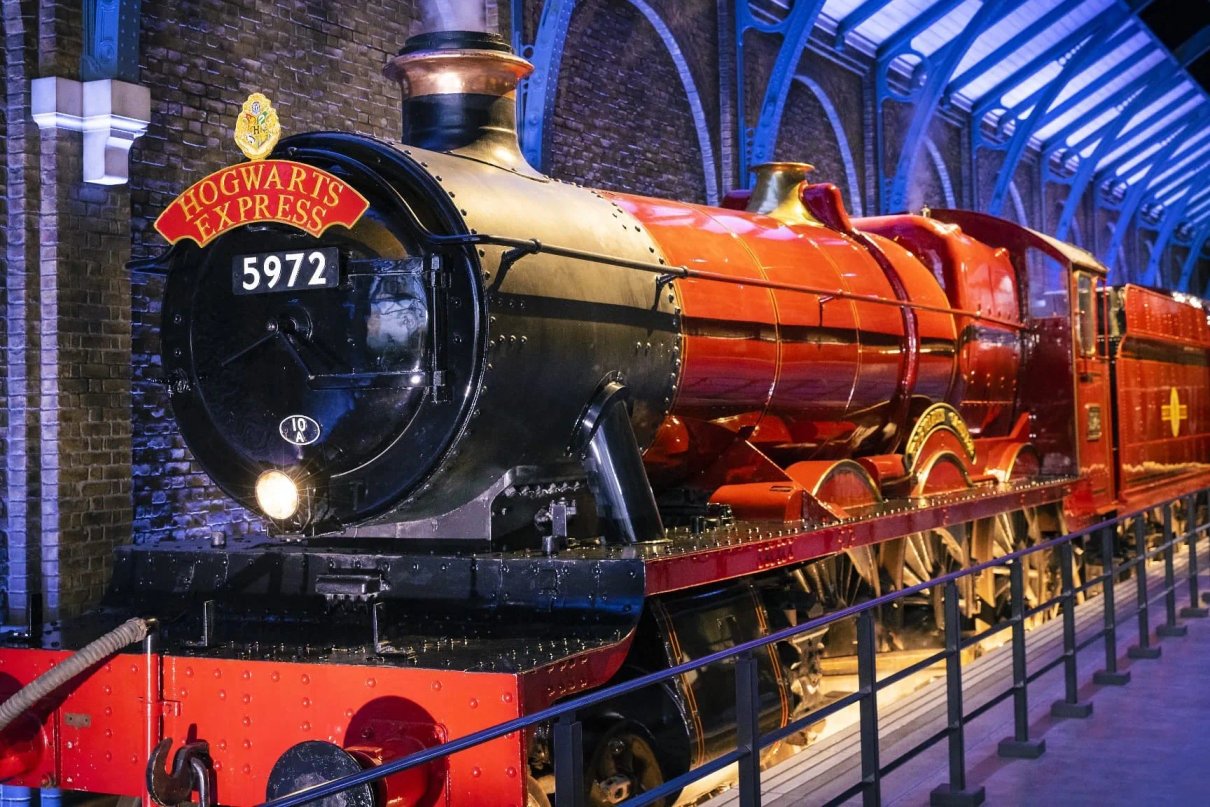
Large environments such as Diagon Alley show how production design creates a convincing street from individual facades and shop details. The Diagon Alley scene is a good example of the tour’s close-looking appeal; visitors can move through a constructed world and notice how its details work together. The Hogwarts Express and creature displays bring different parts of the filmmaking process into view, from iconic locations to practical effects.
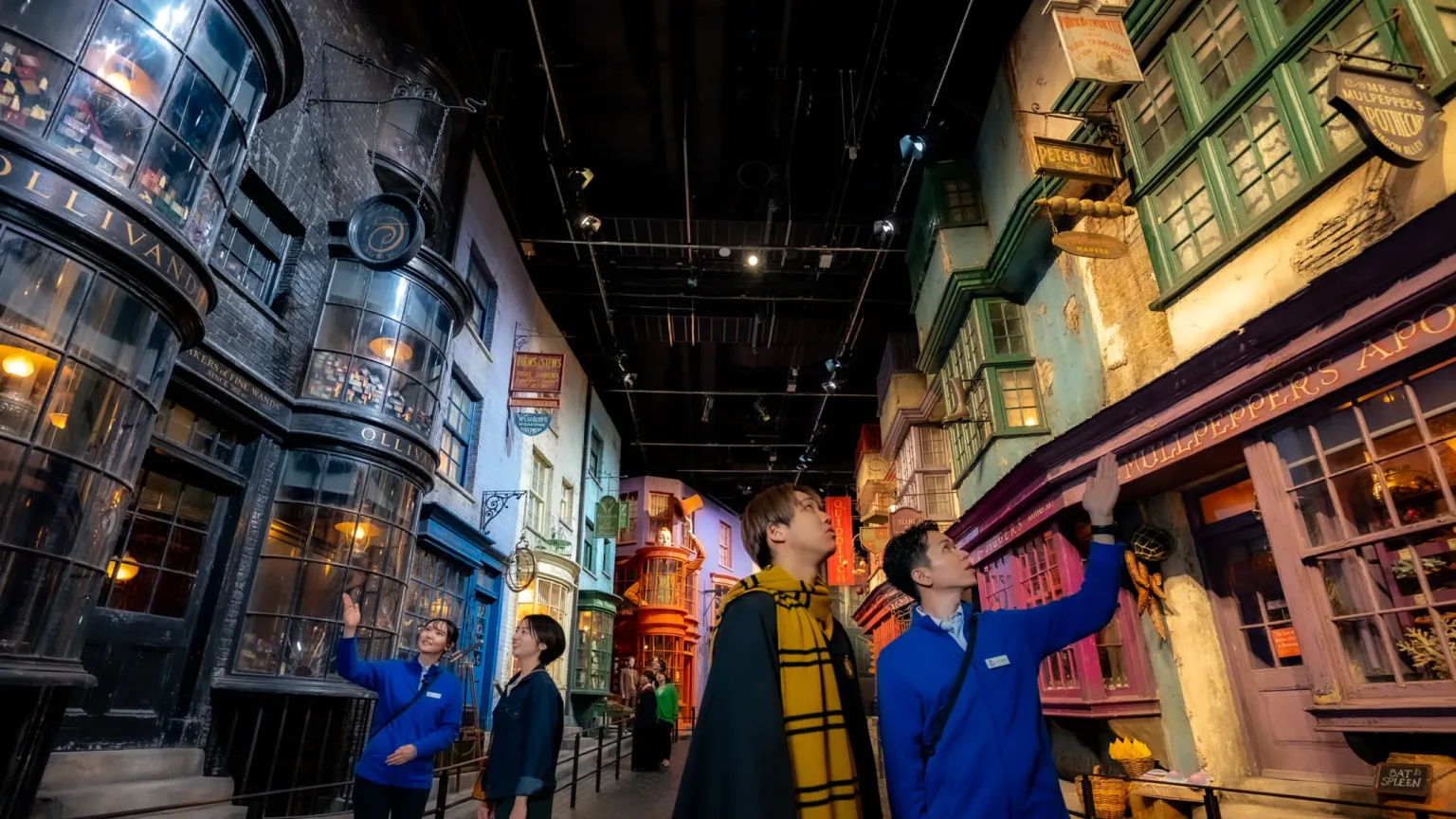
The range helps the attraction sustain interest beyond one famous set. A visitor can shift from architecture to creature fabrication, then to costume or visual effects. The official experience pages describe these themed areas as part of a wider tour, so it is sensible to expect a sequence of exhibits rather than a free-roaming park day. See the official Studio Tour overview and its sets and production design for context before deciding how much time to reserve.
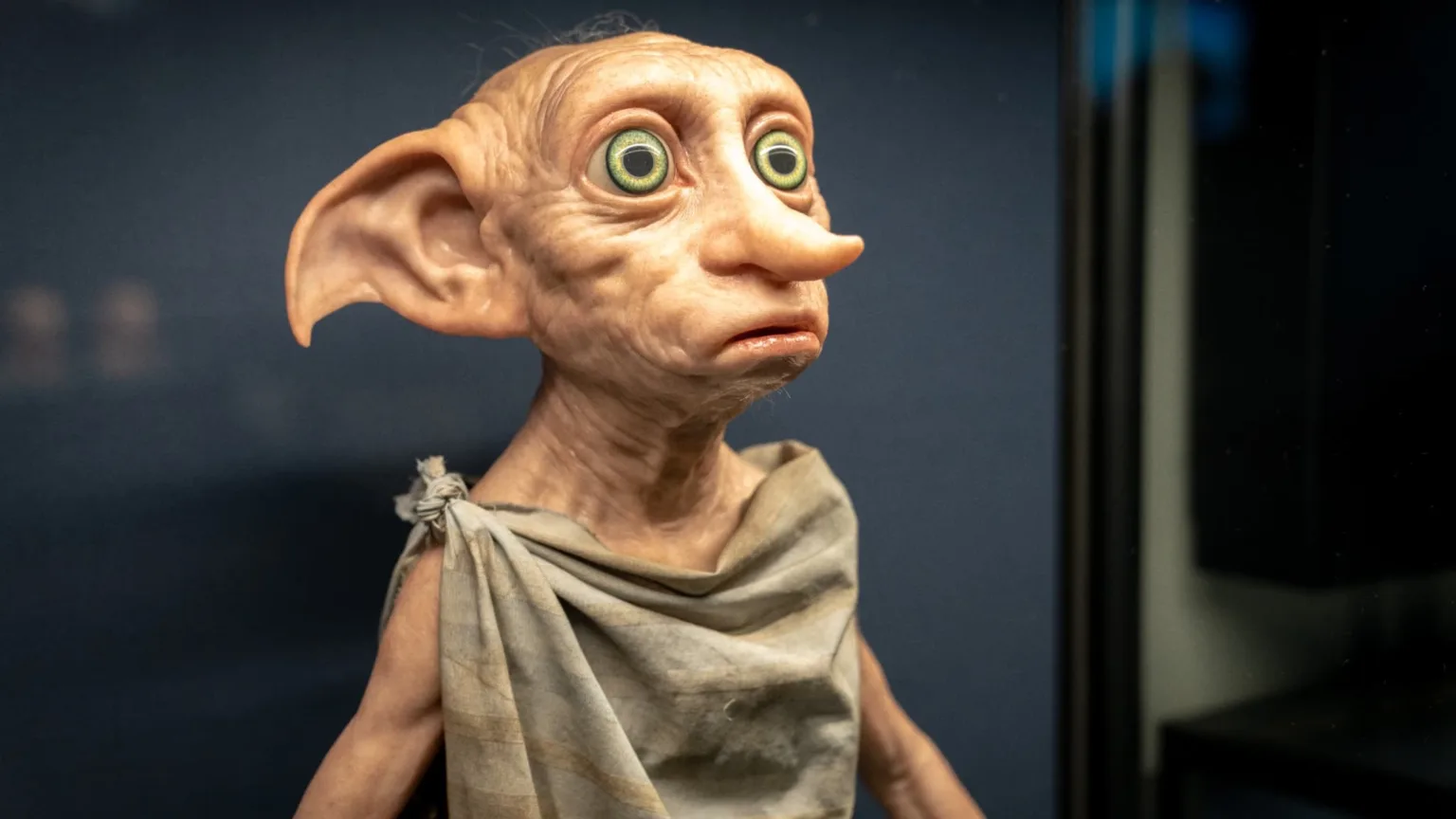
Creature work is another distinctive strand. The tour’s Dobby display gives fans a tangible look at character-making and practical effects. For readers interested in how a screen character is built, the Dobby creature effect is more than a photo backdrop; for visitors seeking rides or constant interaction, it may feel static. The official creature effects section and props display help set that expectation.
- Best reason to go: seeing film craft and full-scale environments in one place.
- Best pace: leave room to pause at details rather than treating it as a checklist.
- Likely mismatch: visitors who want rides, a fast attraction or a broad range of thrill experiences.
Timed admission makes planning part of the experience
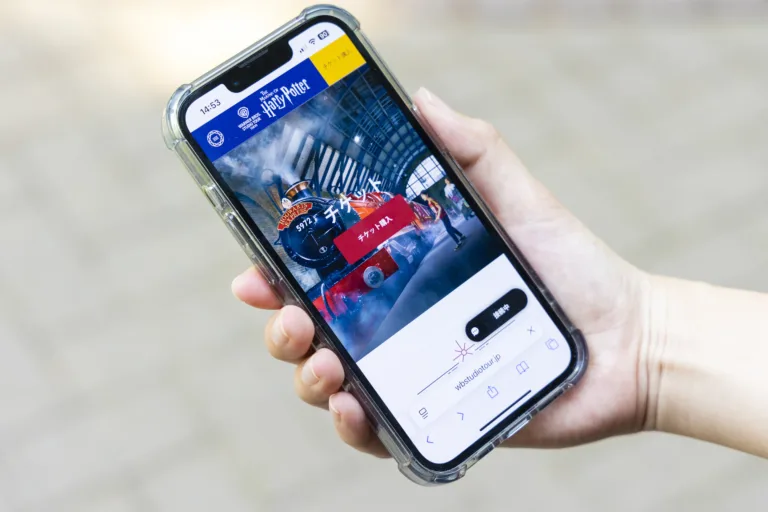
The Studio Tour admission ticket is the essential offering. The official ticket page organizes entry around a selected date and time, and current cost depends on the date and ticket category shown during booking. We would check availability before building the rest of a Tokyo day around it, since the timed start makes this a planned outing rather than a drop-in stop.
Review the official ticket information for the live calendar and terms, then check the available admission options and entry details before purchase. Date, category and any selected extras are the relevant price drivers, so an old quoted amount is less useful than the current booking screen. The official ticket booking page is also where readers can confirm which dates suit their itinerary.
The format has an upside: a set arrival time encourages visitors to plan transport and meals instead of losing time on the day. The trade-off is reduced spontaneity. Allow for the journey to the venue and for a long indoor visit, and avoid stacking a tightly timed second attraction immediately afterward. Details on arrival and location and opening times belong in the same planning check as tickets.
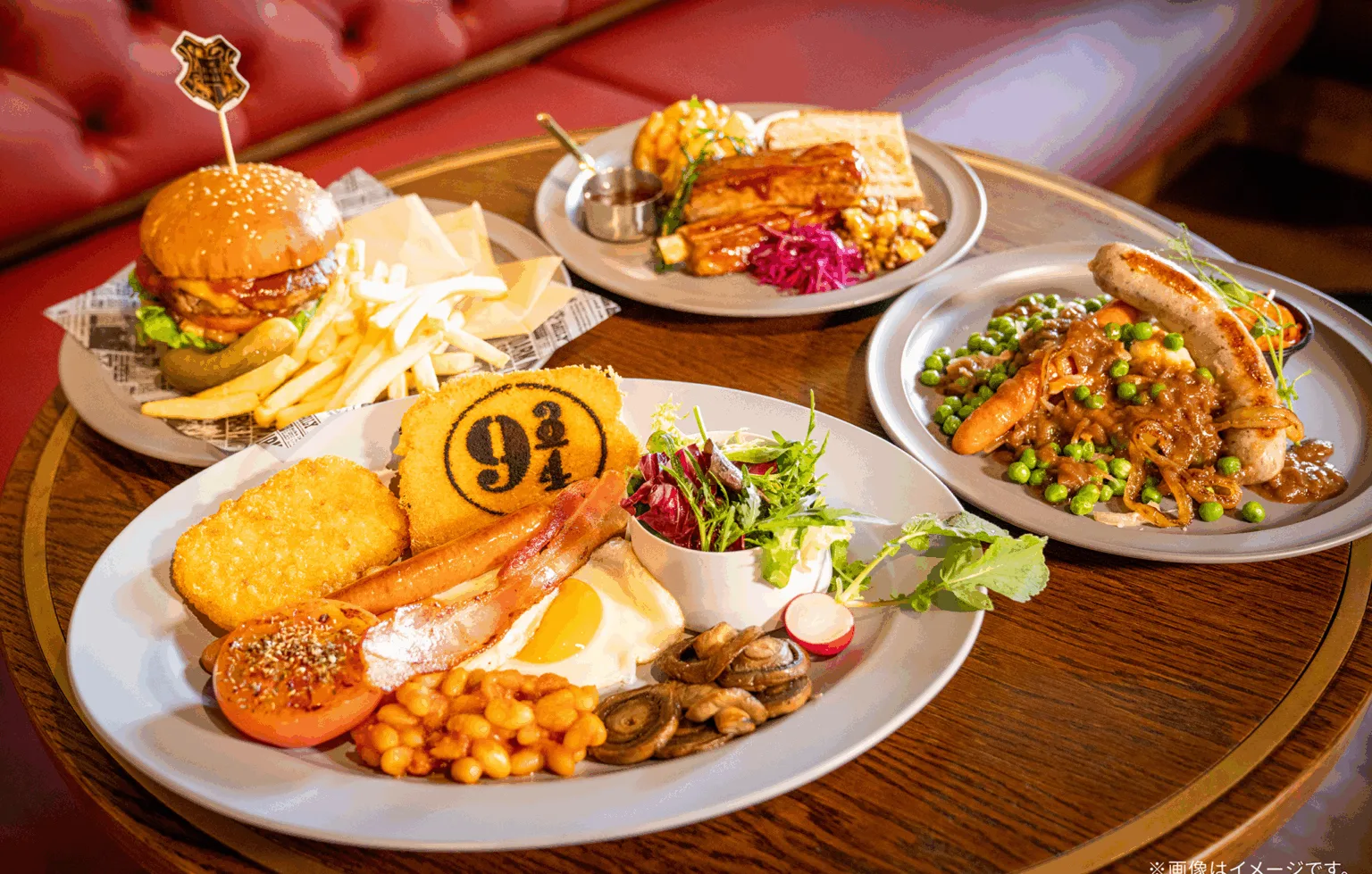
Food and drink are available within the experience, which can make the day more self-contained. The official site highlights themed dining and refreshments, including Butterbeer; menus and availability can change. Treat these as convenient parts of the visit rather than assuming a particular meal or seasonal item will be available on your date. Check food and drink options and visitor facilities if a meal break is important to your plan.
The Digital Guide adds context without changing the route
The Digital Guide is the most practical enhancement for visitors who want additional explanation as they move through the tour. It supports a slower, more informative visit, particularly for fans who like production notes and background alongside the physical sets. The official enhance-your-visit page describes it as an optional extra; check current availability and format before booking.
It is not essential for everyone. Visitors who prefer to read displays, talk through scenes together or keep their attention on the environment may get enough from the exhibits themselves. The guide is most defensible when someone in the group actively wants more commentary, rather than as a default add-on. Review the Digital Guide details, the official visit enhancements and guide options before adding it.
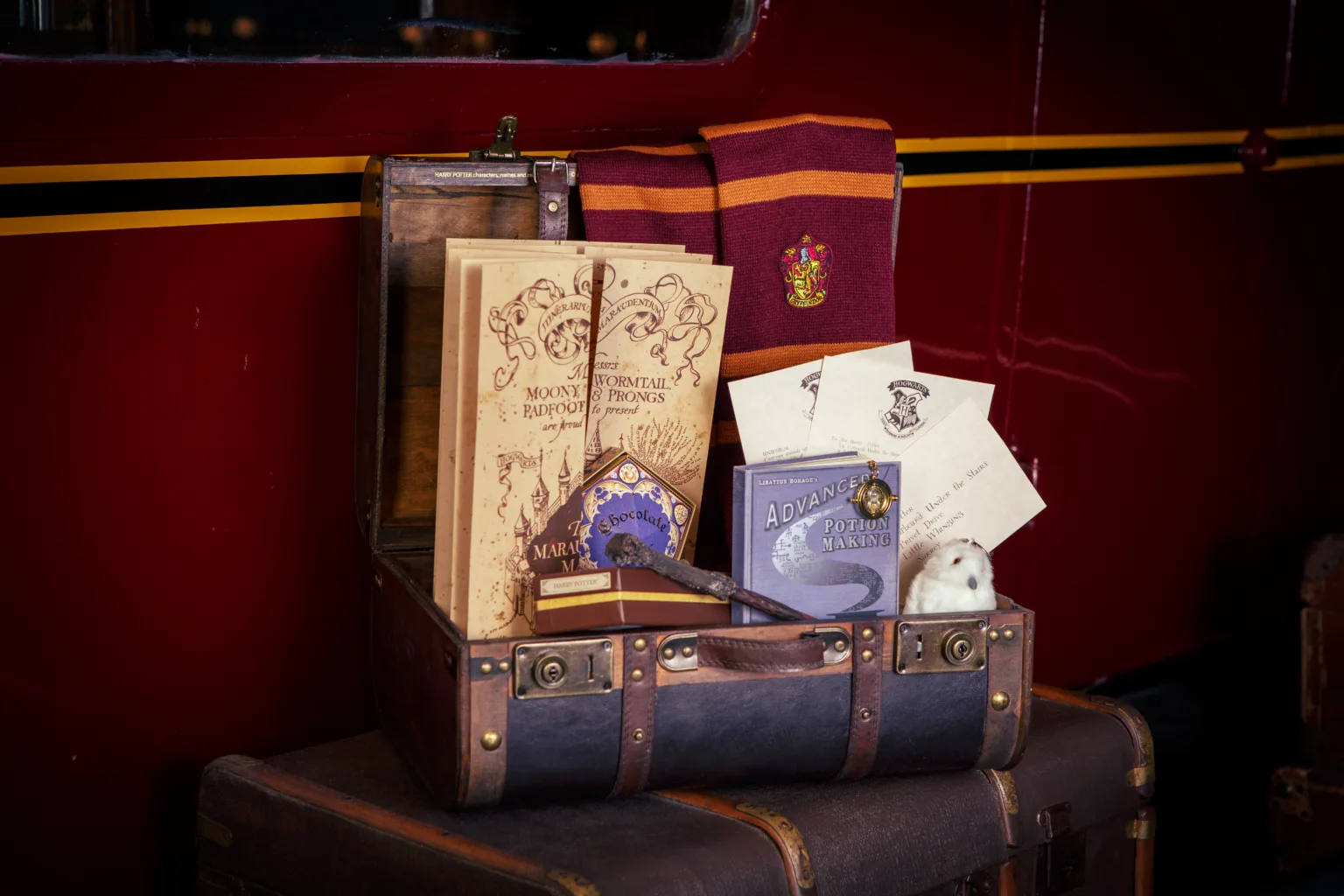
For a lasting reference, the Official Guidebook is the more tangible choice. The official retail pages position the guidebook among Studio Tour merchandise, giving visitors something to revisit after the trip. It is a souvenir and reference, not a substitute for the live experience, and it adds a purchase to an already planned day. See the Official Guidebook and retail selection and official shop information for current details.
- Choose the Digital Guide if you want more context while walking through the sets.
- Choose the Official Guidebook if a take-home reference matters more than audio or screen-based commentary.
- Skip both if your group is happiest exploring at its own pace and keeping add-ons limited.
Dining and shopping extend the visit, with extra trade-offs
The Studio Tour’s food and retail give visitors ways to pause and take a piece of the experience home. They also make it easy for a visit to stretch longer, and for optional spending to accumulate. Seasonal menus, themed refreshments and merchandise depend on current operations, so the brand’s own pages are the reliable place to check what is offered when you go.
That breadth is useful for a fan-focused outing or a family day where different people want breaks, browsing or a keepsake. It matters less to visitors who mainly want to see the sets efficiently. The most balanced plan is to decide in advance whether food, shopping or the guidebook is part of the day’s purpose, then leave enough time without treating every add-on as necessary. Consult official food and drink details, retail information and the current visit guide as your date approaches.
The honest verdict
Warner Bros. Studios Japan makes its clearest case to visitors who want an immersive look at how the Harry Potter films were made. Detailed environments, props and creature work form a coherent indoor experience, and optional guide material can deepen it. We recommend it to committed fans and curious film-making enthusiasts who can give it generous time.
The limitation is the same focus that gives the tour its identity: it is a long, exhibit-led visit, not a ride-driven theme park, and the timed ticket requires planning. Check the live date options first, then add a Digital Guide or guidebook only if that format suits how you like to explore. The official ticket page and enhancement details are the right final checks.
Plan a full, unhurried visit if film craft is the appeal; skip it if you need a quick, ride-focused stop.