





Match Segway’s scooters and e-bikes to the way you travel, carry things and store a vehicle before you compare features.
Segway sells several kinds of electric rides through its US store, and choosing among them starts with the trip rather than a spec sheet. A short last-mile commute, an everyday city ride with bags, and a longer paved route place different demands on a vehicle.
The range includes commuter scooters, cargo and urban e-bikes, and recreational models. We focus here on four distinct options: E2 Plus II, MAX G3 Plus, MUXI and Myon. Their product pages describe different intended uses, so compare the route, storage and carrying needs you actually have.
Heads-up: we earn a commission from some links in this article. It never changes the price you pay.
The short version: The E2 Plus II is the compact entry point for simpler trips, while the MAX G3 Plus is the more commute-focused scooter. If you want bicycle ergonomics or regular carrying capacity, compare the MUXI and Myon e-bikes. Check the live store listing for the current price, availability and full specifications before choosing.
The Segway store separates short rides from daily transport
The most useful first filter is how you plan to ride. Scooters take less space than conventional bicycles and suit riders who can manage standing posture and local rules. E-bikes provide a seated format and can make more sense for longer routine rides or when you want to carry everyday items. A cargo design adds utility but can also change how much room you need to park and turn.
- Short, uncomplicated trips: look at the E2 Plus II and its portable, beginner-oriented positioning.
- Longer scooter commutes: compare the MAX G3 Plus, whose listing emphasizes range, speed and hydraulic suspension.
- Errands and carrying: consider the MUXI cargo e-bike and the accessory setup you would actually use.
- Seated urban rides: compare Myon’s commuter positioning with your fit and route requirements.
The four models below are examples, not interchangeable versions of one vehicle. The store listing is the place to confirm current configuration, stock and the details that may vary by model or region.
Segway scooters suit different distances and expectations
The E2 Plus II is described by Segway as portable and lightweight, with front suspension, RGB lighting and an advertised range estimate of up to 16 miles. That combination points toward a straightforward local ride and a rider who values a compact format. Range figures are manufacturer estimates; load, terrain, temperature, speed and riding style affect real-world distance. Review the product details and local riding rules before relying on a scooter for a fixed commute.
See the Segway E2 Plus II listing for its live specifications and availability. The small scooter category has practical limits: carrying groceries can be awkward, standing for the full ride may not suit everyone, and you need a secure place to store and charge it. A compact model makes less sense if your journey routinely pushes its range estimate or includes rough surfaces. Compare the E2 Plus II listing directly with the more commute-oriented MAX G3 Plus details if you are between scooter tiers.
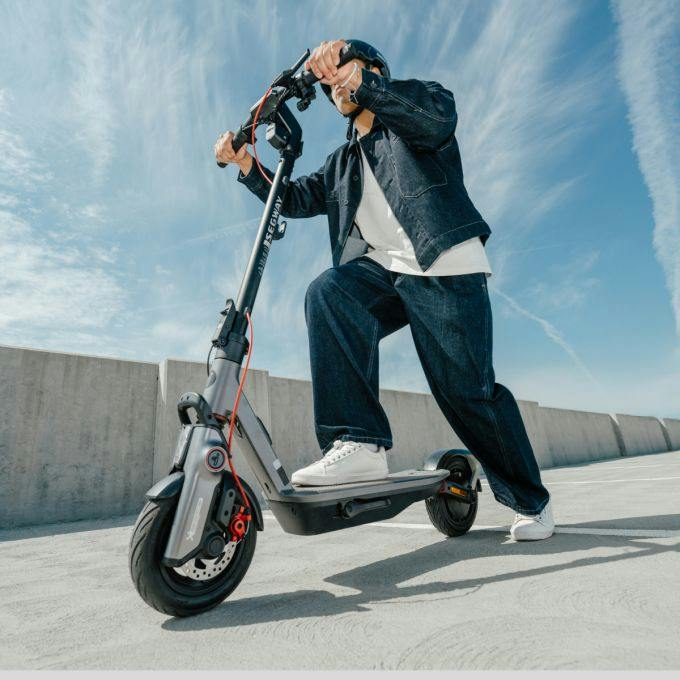
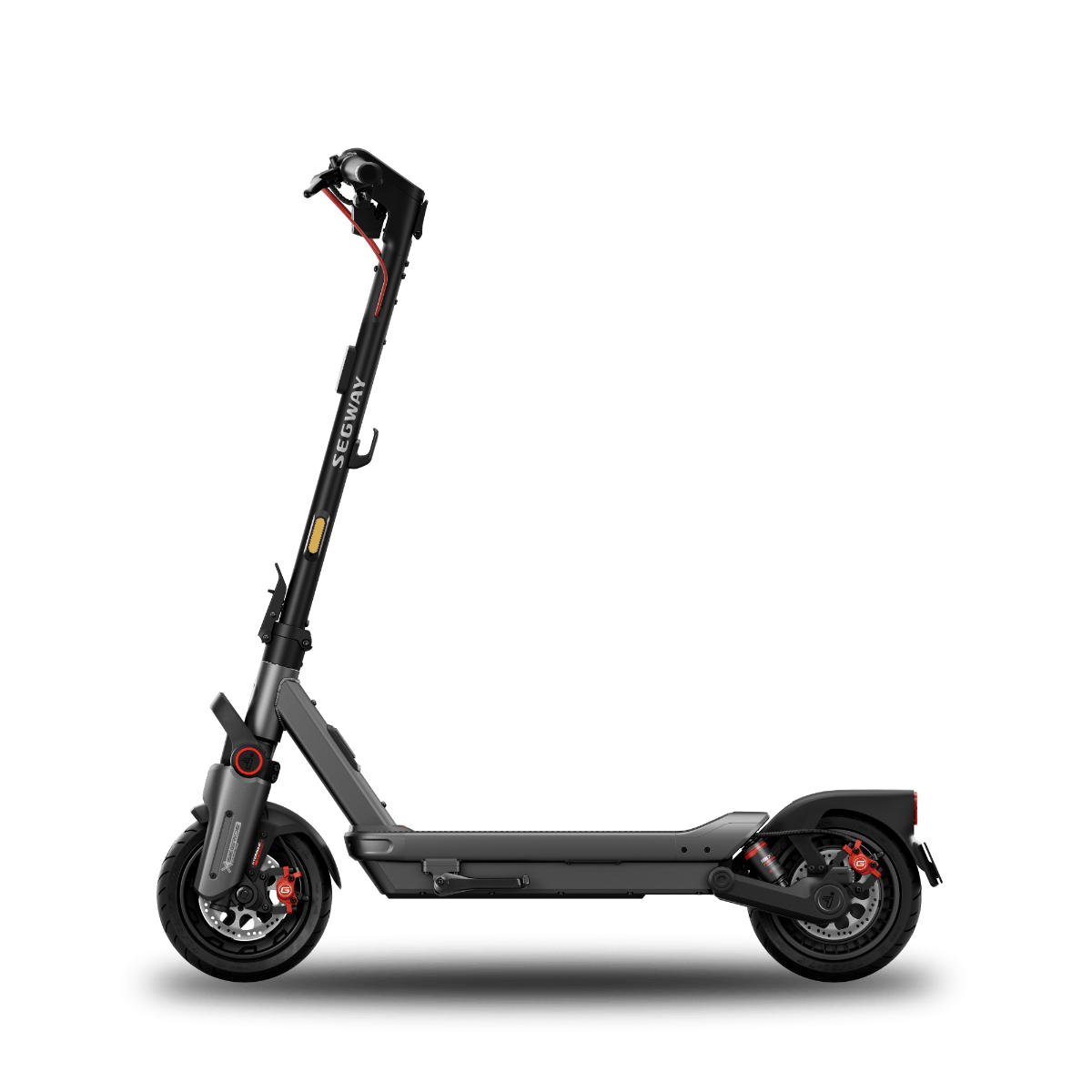
The MAX G3 Plus is positioned for a more demanding commute. Its product page lists an estimated range of up to 56 miles, a top speed of 28 mph and full hydraulic suspension. Those figures describe the model as specified by Segway, not a promise of what every rider will achieve. Suspension and a larger performance envelope are relevant when a daily route is longer or its surface varies, but they do not remove the need to check local speed rules, charging access and the scooter’s dimensions.
Open the Segway MAX G3 Plus product page to confirm current specifications. The higher-capability category typically asks more of a buyer in storage space, handling and budget than a basic short-trip scooter. Measure where it will live, think through stairs or transit connections, and compare the listed weight and folding details before treating a range claim as the deciding factor. The MAX G3 Plus specifications page is the right place to confirm those details, while the E2 Plus II page sets out the smaller scooter option.
Segway e-bikes add seated comfort and carrying options
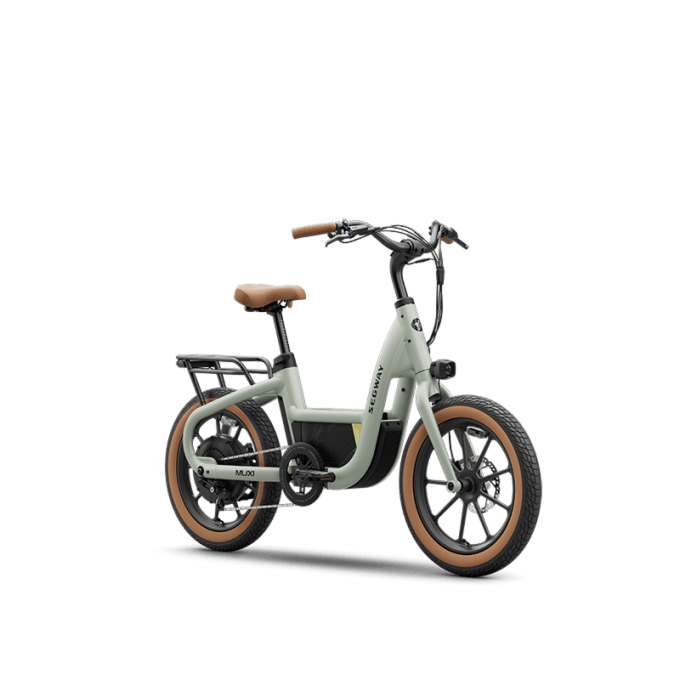
The MUXI Cargo Electric Bike gives the range a utility-oriented direction. Segway describes MUXI as a lightweight city commuter cargo e-bike and its store ecosystem includes passenger and cargo accessories. The real question is whether that added flexibility matches your regular load. A passenger setup, rack or other add-on can affect the total configuration and should be checked for compatibility and included contents on the product page.

Review the Segway MUXI Cargo Electric Bike page alongside any accessories you expect to use. Cargo capacity is valuable only if the frame size, load arrangement and parking space work for the household. Check the MUXI listing for the cargo format, then compare the seated urban positioning of the Myon listing. Compare the bike’s listed limits and included equipment, and account for the total cost of add-ons rather than judging the base bike in isolation.
The Myon Electric Bike is described on its store page as an urban commuter e-bike, with the page title advertising an 80-mile range estimate. Treat that as a stated maximum under specified conditions and review the detailed range notes. Myon is worth comparing if you want a conventional seated ride for regular trips and do not need the MUXI’s cargo-led format. Fit, riding position, battery charging and storage can matter more than a headline range.
See the Segway Myon Electric Bike page for the current configuration. Its advertised range is not directly comparable with another model unless the test conditions match. Use the product page to check the frame and equipment details, then compare those against your own route and the practical distance between charging opportunities. The Myon specifications should be read alongside your commute length, while the MUXI details help assess a carrying-focused setup.
Compare fit and ownership details before comparing price
The table is a shortlist, not a substitute for the live specifications. Prices can change and the total varies with model tier, accessories and configuration, so check the current store listing for each option.
| Model | Best fit | Useful detail | Check before choosing |
|---|---|---|---|
| E2 Plus II | Short local trips | Portable format; stated range up to 16 miles | Real route distance, ride posture and storage |
| MAX G3 Plus | Longer scooter commutes | Stated range up to 56 miles; hydraulic suspension | Local speed rules, weight and charging access |
| MUXI Cargo | Urban errands and carrying | Cargo-focused e-bike with accessory options | Load limits, compatibility and accessory cost |
| Myon | Seated city commuting | Urban commuter e-bike; advertised range estimate | Fit, exact range conditions and included equipment |
Before you commit, work through the practical checks that can change the value of any electric ride:
- Map the full route: include hills, rough patches, return distance and any detours, then leave room below the maximum range claim.
- Confirm the rules: local speed limits, age rules, helmet requirements and where riding is allowed vary by location and vehicle type.
- Plan storage and charging: check measurements, access to an outlet, weather protection and whether you need to carry the vehicle up stairs.
- Read the full listing: verify included accessories, warranty terms, shipping and return conditions, plus the current price.
Those checks help keep the decision grounded in ownership rather than a single headline feature. The same range number can mean very different things on a flat short route and a hilly ride with frequent stops. Likewise, carrying accessories can make an e-bike more useful while adding setup choices and expense.
The honest verdict
Segway’s US store has a clear option for several everyday use cases: the E2 Plus II for simpler local scooter trips, MAX G3 Plus for riders considering a longer scooter commute, and MUXI or Myon when a seated e-bike better matches the routine. We would start with the route and storage constraints, then use the live product pages to compare specifications and current cost.
The limitation is that manufacturer range figures and accessory descriptions cannot settle fit, ride comfort or local legality for an individual buyer. Check the detailed specifications and policies before ordering, especially if you need a vehicle for a fixed daily distance or plan to carry a passenger.
Choose the Segway format that fits your route and storage first, then confirm its current specifications on the store page.