




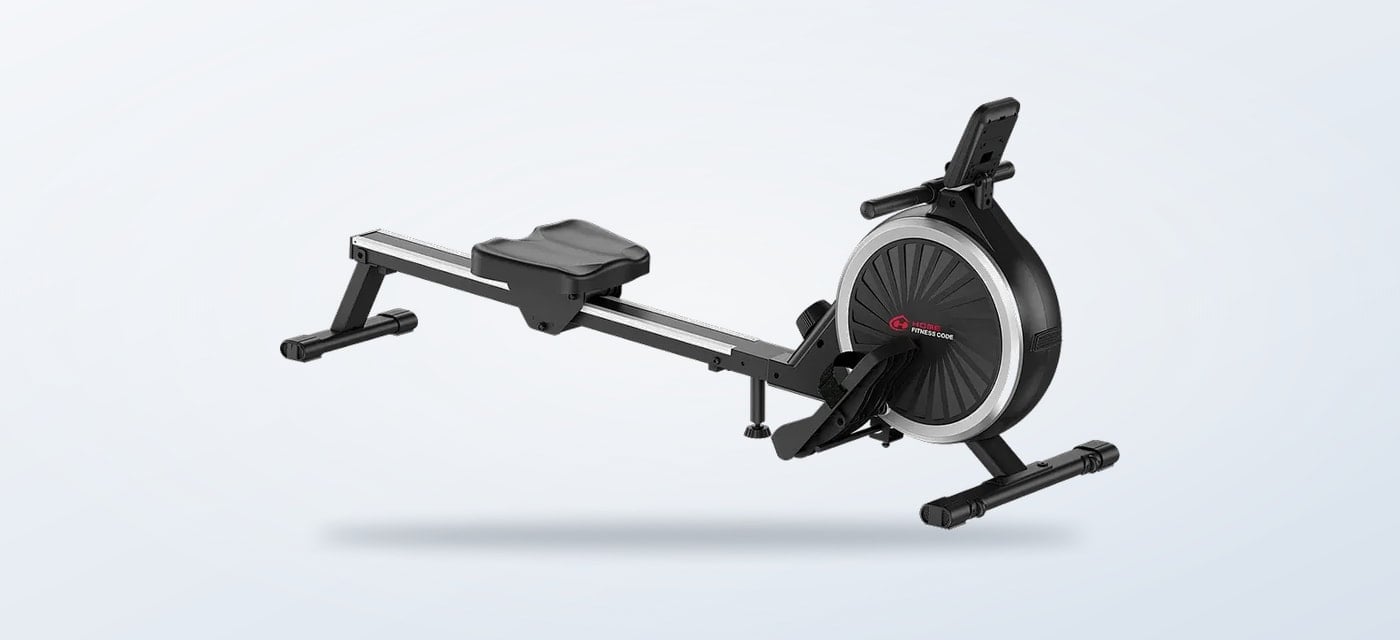
A product-page review of the Magnetic Rowing Machine, its adjustable resistance and the space and routine questions to settle before choosing it.
A rowing machine asks for more than a spare corner: you need enough clear length to move through each stroke, and a routine that makes rowing appealing. The Home Fitness Code Magnetic Rowing Machine is a focused option for people who want seated cardio at home, with a choice of resistance and a rail designed to fold for storage.
We reviewed the UK product listing, which describes the machine’s monitor, resistance settings and foldable rail. The useful question is whether those features match your available space and preferred training style, rather than whether a longer feature list automatically makes it the right fit.
Heads-up: we earn a commission from some links in this article. It never changes the price you pay.
The short version: This rower makes sense for someone who wants repeatable, low-impact cardio and values being able to adjust the effort between sessions. The 16 resistance levels and foldable slide rail are useful on paper, but storage still needs planning and the listing does not replace checking dimensions, assembly details and warranty terms before ordering.
The Magnetic Rowing Machine suits steady, seated cardio
The product page presents the Magnetic Rowing Machine as an indoor rower for full-body, low-impact exercise. Rowing brings the legs, trunk and arms into one repeated movement, so it can suit people who prefer a coordinated session over walking or cycling in place. It is also a format that can be paced gently or made more demanding through resistance and effort.
Its key specification is 16 adjustable resistance levels. That gives the owner a series of settings to choose from, which may help a beginner start conservatively and a more regular user increase the challenge. The listing does not give a training programme or promise a particular fitness outcome, so the number is best read as a range of adjustment rather than a guarantee that every level will feel meaningfully distinct.
An integrated display shows count, distance, calories, time and strokes per minute, according to the store. Those are familiar session markers: time and stroke rate help structure intervals, while distance and count provide a simple way to compare workouts. Calorie readings on exercise equipment are estimates, so they should not be treated as a precise measure of energy use.
- Resistance: 16 selectable levels, for changing the feel of a session.
- Feedback: the integrated LED monitor lists five basic workout measures.
- Storage: the slide rail folds, which can make putting the machine away more convenient.
These features work together for a straightforward home routine: choose a manageable level, keep a consistent stroke and use time or stroke rate to guide the session. For the details as the brand currently lists them, see the Magnetic Rowing Machine product page and confirm the specification before purchase. The machine’s listed resistance and monitor features are the main reasons to consider this model.
A folding rail helps storage, but does not erase the footprint
The foldable rail is the machine’s clearest space-conscious feature. It may help when a dedicated gym room is not available, but a folding design does not mean the rower can be used in any small gap. The full length matters during exercise, and the surrounding area needs to stay clear of furniture, walls and walking routes.
Before deciding, measure the intended training space and the place where the machine will sit when stored. Look for the current listing’s assembled dimensions, folded dimensions and any clearance guidance. Also consider whether moving or folding the equipment regularly is realistic for the person who will use it. A storage feature only helps if the setup remains easy enough to repeat.
- Measure the available floor area for a complete stroke, not just the machine’s stored position.
- Check the product page for folded size, assembled size, user limits and assembly information.
- Decide where the rower will live between workouts and whether it can be moved safely.
This checklist matters more than the word “foldable” alone. Review the foldable rowing machine listing alongside your measurements. The store’s UK listing is the right place to verify dimensions and any included components, since those are the specifics that can affect whether the equipment fits your home.
The monitor is useful for simple session structure
The display’s listed measures are deliberately basic. A simple interval might use time as the work and rest guide, then use stroke rate as a reminder to keep cadence controlled. Distance can give a repeatable target, while total strokes can help you notice when a session changes in length. This is enough for self-directed exercise without assuming the rower includes coaching, app connectivity or advanced workout programming.
For a new rower, technique is the bigger learning curve. Check the product information for this indoor rower for what is included before planning a workout setup. The movement blends leg drive, body position and arm pull, so starting with short, comfortable sessions and learning a smooth sequence is sensible. People managing an injury, a health condition or uncertainty about rowing should seek suitable guidance before beginning a new routine.
The monitor does not appear to make this a connected training platform. Buyers who want guided classes, stored profiles or detailed performance analytics should check the product listing carefully and compare those needs against the actual included functions. For a self-paced workout, the readouts can be sufficient; for a coached programme, they may feel limited. The rower’s feature list is useful for checking that distinction.
The rower has a narrower appeal than general home equipment
A rowing machine is a better match for someone who enjoys a repeated, full-body movement and wants cardio without the impact of running. It is less compelling for a person who mainly wants casual walking, a compact strength tool or a very short setup that can remain out of sight. The rower’s longer operating footprint is part of the decision, as is willingness to practise a coordinated motion.
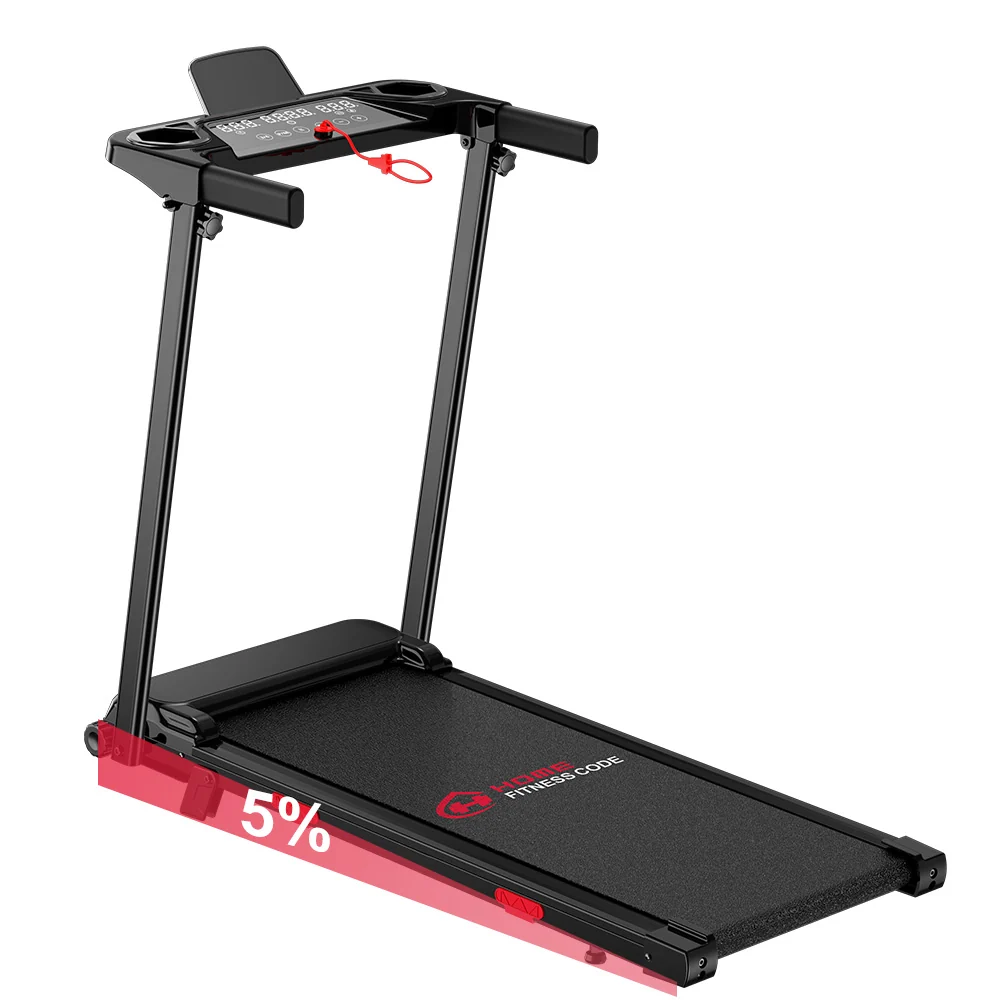
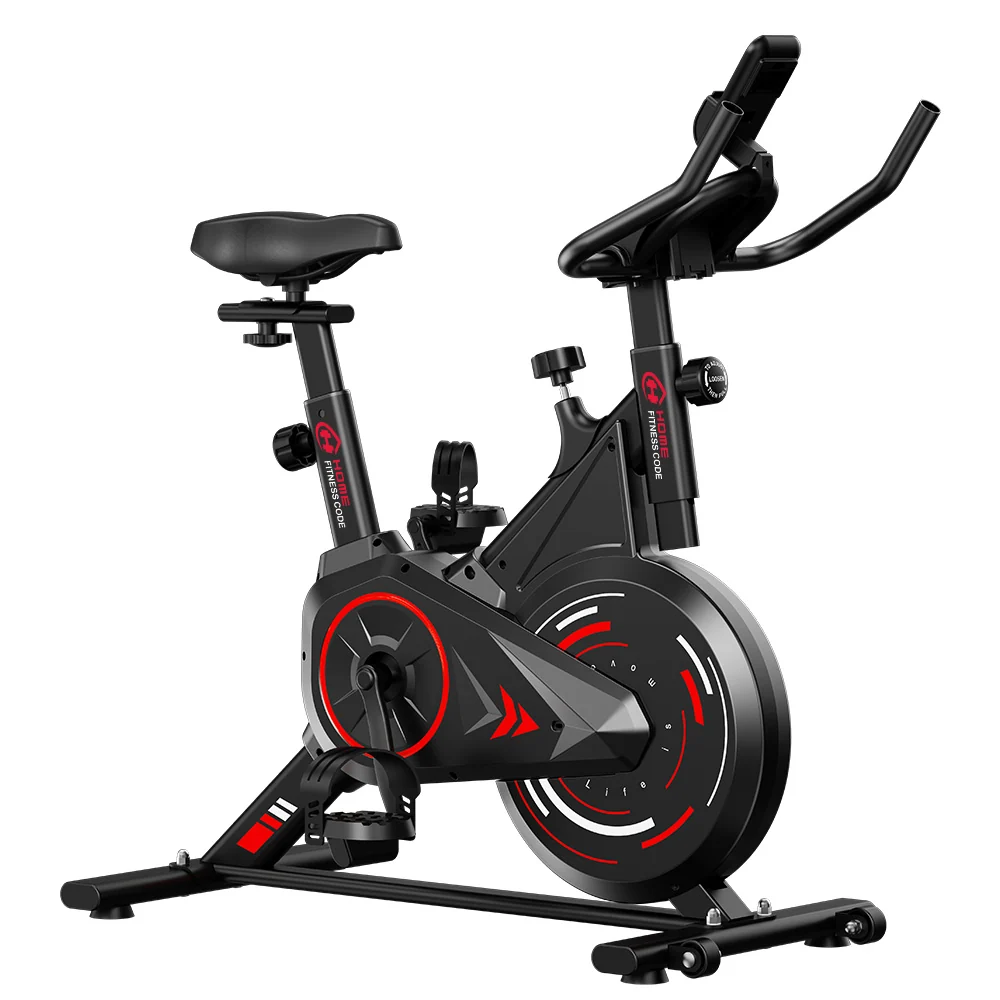
Home Fitness Code’s other equipment helps put that distinction in context. The Stationary Exercise Bike C1 offers indoor cycling as an alternative cardio pattern, while the 4-In-1 Multifunctional Dumbbell Set is aimed at strength movements and convertible weight use. These products support different habits; they are not substitutes for the rowing machine’s specific stroke and seated training position. Compare the rowing machine with the bike and dumbbell set by the workouts you want to repeat.
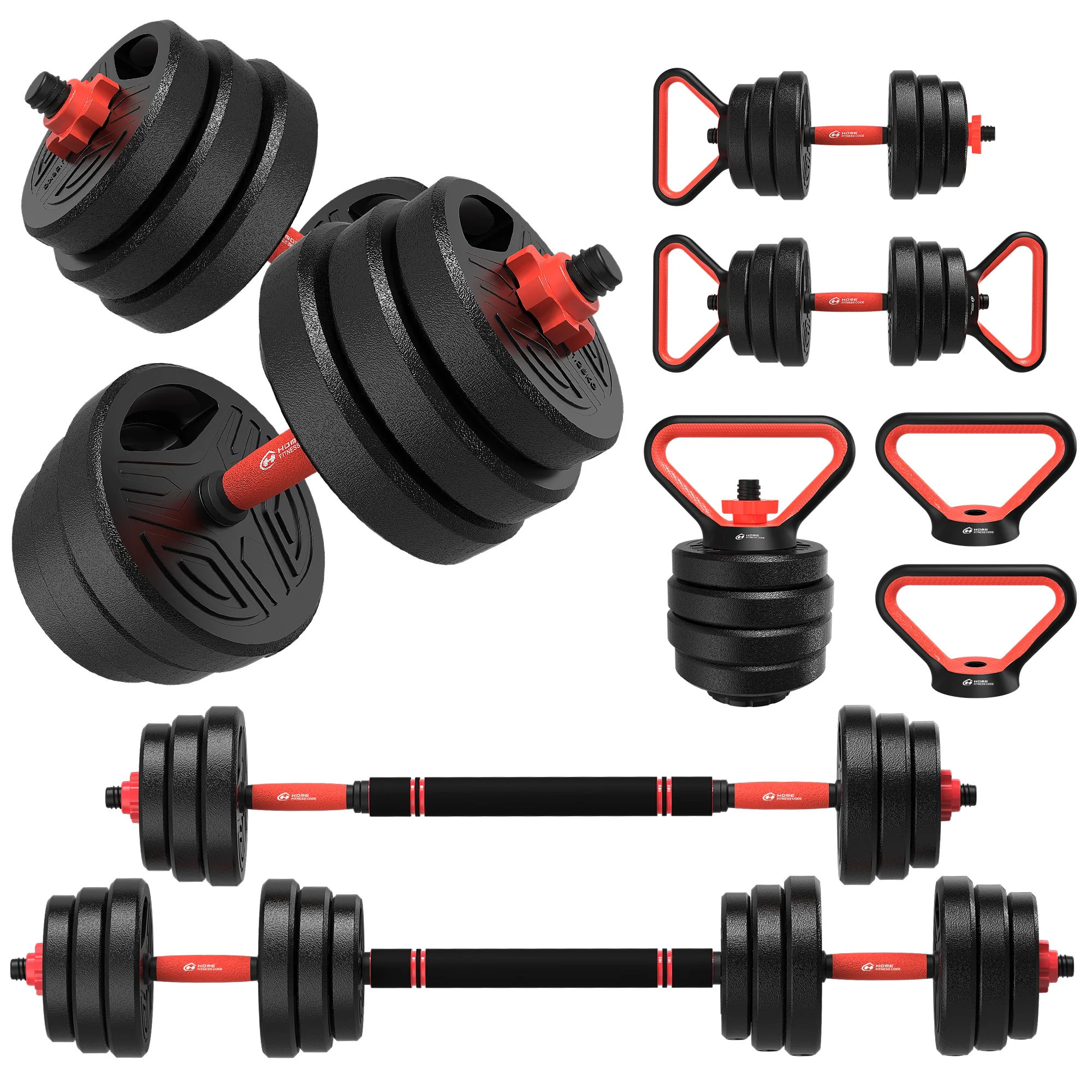
Choose by the activity you are most likely to repeat. If you dislike stationary cycling but want a low-impact cardio option, rowing may be attractive. If you want casual movement with little technique to learn, the bike may be simpler. If your priority is resistance training, a weight set may use less operating space, although it covers a different kind of exercise.
- Consider the rower for seated cardio with adjustable resistance and a repeatable stroke.
- Consider the bike for indoor cycling and a familiar seated movement.
- Consider adjustable weights when strength exercises matter more than cardio.
Check the buying details on the UK listing
Product pages and policies can change, so confirm the current listing before making a decision. In particular, check the machine’s dimensions, user capacity, assembly requirements and exactly what arrives in the box. The page should also clarify delivery arrangements and any conditions attached to returns or warranty coverage.
Home Fitness Code describes its UK store as offering free delivery, a 30-day returns period and a one-year warranty. Treat those as store-stated terms and review the current conditions, exclusions and process on the retailer’s site. Start with the UK product page and read the linked store policies before ordering. For bulky fitness equipment, knowing how returns are handled and whether packaging must be kept can be as practical as comparing the headline features.
There is no need to decide from the feature summary alone. Use the UK product listing to check current availability, product specifications and the current price. If you are comparing routines, it is also useful to look at the listed exercise bike details and convertible dumbbell set details before settling on a cardio or strength direction. The rowing machine listing remains the reference for this review’s featured product.
The honest verdict
The Home Fitness Code Magnetic Rowing Machine is a sensible shortlist option for a buyer who wants a self-paced, seated cardio machine with adjustable resistance and a rail that folds for storage. Its monitor covers basic session tracking, and the rower format can make one piece of equipment relevant to both steady sessions and structured intervals.
The honest limitation is fit: rowing takes practice and the machine still needs substantial room in use. It is not a universal solution for small spaces or for someone who wants coaching and richer connected features. If the movement appeals and the dimensions work, check the product details and current price before choosing it.
Choose the Magnetic Rowing Machine if you want adjustable, low-impact rowing and have room to use and store it.