





A research-led look at Lovetovisit’s range, its useful listing details and the checks that matter before choosing a UK experience.
- Lovetovisit brings varied UK outings into one catalogue
- Safari Skies pairs a park visit with an evening show
- Spilmans makes seasonal activity the centre of the visit
- Freedom of the Line gives the day more than one possible stop
- Listing details help, but they do not replace the final checks
- The honest verdict
A day out is easier to choose when the ticket page answers practical questions as well as selling the idea. Lovetovisit brings a broad selection of UK attractions and events into one catalogue, but the range also means that the useful details differ from listing to listing. Choice is the advantage, while detail varies by event.
We reviewed the current UK store and selected listing pages for this guide; this is an assessment of the information shown online, not a report from attending these events. The practical question is whether the catalogue helps readers match an outing to their group, timing and appetite for planning.
Heads-up: we earn a commission from some links in this article. It never changes the price you pay.
The short version: Lovetovisit is most useful as a discovery and booking starting point when you already have a rough idea of the kind of day you want. Its variety and listing details are real strengths, but availability, access and restrictions remain specific to each experience, so check the individual page before making plans.

Lovetovisit brings varied UK outings into one catalogue
The UK store groups together attractions, theatres, zoos, theme parks, aquariums, seasonal events and trips. That breadth is convenient if the starting point is simply “something to do”, and the site also exposes categories such as indoor activities, outdoor activities, family days out and live events. It can shorten the initial search when several kinds of outing might suit.
The trade-off is that a single catalogue cannot make every listing equally easy to compare. Some pages foreground a particular date or event format; others provide directions, facilities and participation information. Consistency is the limit: readers should treat the main catalogue as a discovery tool, then judge the actual listing for the detail they need. That two-step approach keeps browsing convenient without treating a catalogue card as the full booking brief.
- Start with the location and the likely travel time, not just the attraction name.
- Decide whether the group wants a timed event, an open-ended visit or a day with several stops.
- Look for age guidance, accessibility notes and what the ticket actually includes.
- Check the event’s own dates and arrival instructions before arranging transport.
That approach matters for listings such as Safari Skies Drone Show, which is attached to West Midlands Safari Park and described as combining a daytime family visit with an evening drone display. A reader who expects only a brief show should confirm whether the wider visit is part of the intended plan. Format matters more than the headline. The Safari Skies listing is a better decision page than a generic search result because it ties the event to its venue.
Safari Skies pairs a park visit with an evening show
The appeal of Safari Skies Drone Show is its combination: a daytime visit to the safari park and an evening display make it a fuller outing than a standalone performance. This may suit families who want to build a day around one venue and who are comfortable planning around the show’s schedule. The listing’s event framing gives the reader a clear reason to compare it with a standard park visit.
That combination is also the main condition. A long day can be a plus for visitors who want both elements, but less suitable for anyone looking for a short, flexible stop. Check the event timing, included access and any arrival requirements on the current Safari Skies page; the headline alone does not settle how the visit works in practice.
- Good fit: a group happy to spend much of the day at one venue.
- Check closely: the sequence of daytime access and evening entertainment.
- Potential drawback: less flexibility than a visit without a scheduled show.
As a listing, it communicates a distinctive format rather than just a destination. We would shortlist it for the combined day, then compare the actual schedule against the group’s energy and travel plans. Timing is central here, not an afterthought. Revisit the event details if the schedule is central to the decision.
Spilmans makes seasonal activity the centre of the visit
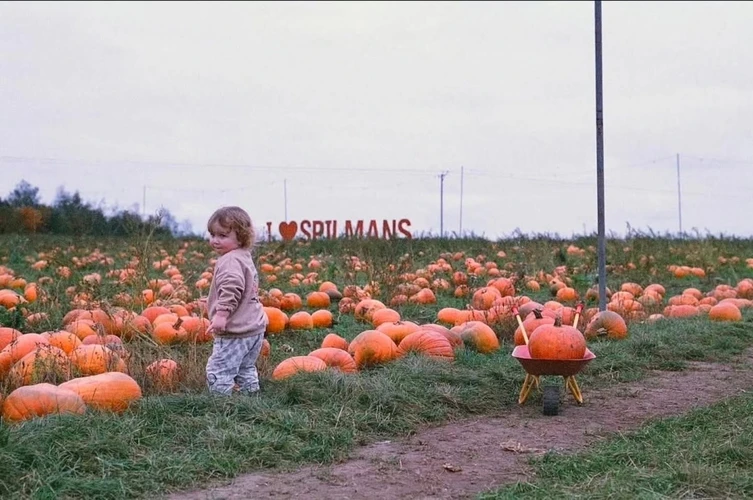
Pumpkin Festival at Spilmans is a farm-based seasonal option, with the cache and listing describing farm activities and pumpkin picking. That makes the experience more hands-on in format than a theatre booking or a simple admission ticket. It is likely to appeal to families who want an outdoor seasonal visit and are happy for the day to revolve around the farm.
The important limitation is that seasonal events are inherently date-bound. Readers need to confirm which dates are available, whether pumpkin picking is included or separately arranged, and what happens if weather changes the experience. Those details should be checked on the Spilmans event page; the title and promotional image cannot answer them.
Compared with the combined venue-and-show structure of Safari Skies Drone Show, Spilmans has a clearer single seasonal theme. That makes the choice relatively straightforward if pumpkin picking is the priority, but less compelling for someone seeking a broad range of attractions during one visit. For family groups, also check age suitability and any practical guidance about outdoor conditions before travelling. Weather and season shape the experience.

Freedom of the Line gives the day more than one possible stop
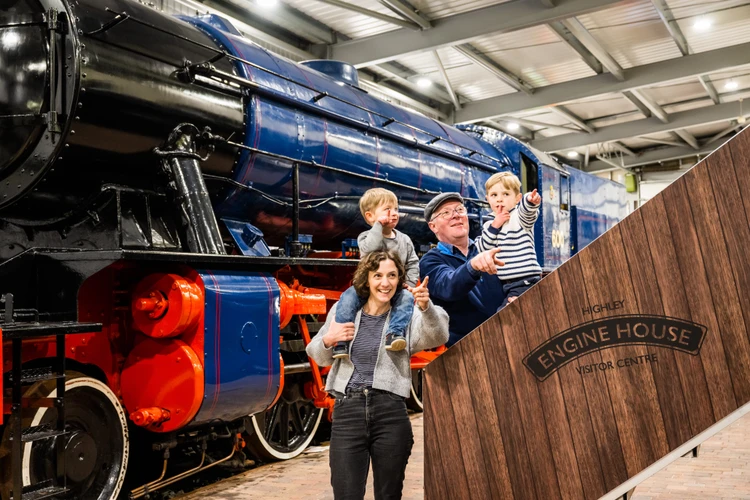
Freedom of the Line offers a different proposition: the Severn Valley Railway page describes all-day hop-on and hop-off travel, letting visitors choose where to stop, how long to stay and how often to reboard. That flexibility can suit a day where the journey is part of the attraction, rather than a fixed point-to-point transfer.
The added choice also means more planning. The listing provides station-by-station arrival guidance and notes that parking arrangements vary, with some stations having no public parking. It also describes wheelchair accommodation on trains, accessible toilets and ramps carried by carriages, while noting limitations for dining carriages. These are useful specifics, but anyone relying on them should confirm current arrangements directly on the Freedom of the Line page.
- Choose a starting station that fits your transport plan.
- Check the service pattern and the time needed between stops.
- Read access and facilities information for the stations you plan to use.
- Leave room for the return journey instead of treating every stop as equally realistic.
In contrast to Spilmans Pumpkin Festival, this is less about one seasonal activity and more about shaping a route. The railway ticket details make that flexibility visible, though the final itinerary still depends on operational information and transport connections. Flexibility has a planning cost. We would favour it for visitors who enjoy heritage rail and want several possible stops, rather than anyone who needs a tightly timed, low-planning outing.

Listing details help, but they do not replace the final checks
Lovetovisit’s strongest practical feature is the way a listing can bring event description, location, date availability, age guidance, inclusions and arrival arrangements together. That gives readers a useful checklist and can make a first comparison easier. For example, a scheduled evening display, a pumpkin-focused farm day and flexible railway travel each make different demands on timing and energy.
But the catalogue is not a guarantee that every experience has the same depth of information or that every date suits a particular group. Read the selected page closely, then check the operator’s current instructions where access, weather, schedules or transport are important. Current operator guidance takes priority for those practical points. Keep an eye on what is included in the selected ticket, whether booking is tied to a specific time, and what flexibility exists if plans change.
- Confirm the exact event or ticket variant you are considering.
- Match its schedule and duration to the people in your group.
- Check location, arrival, accessibility and age information against your needs.
- Review the booking terms and current availability before completing a reservation.
That process also helps separate discovery from decision. A category page can surface a promising idea; an event page should answer the operational questions. The Safari Skies page, Spilmans page and railway page illustrate why checking the exact experience matters more than relying on a general brand description.
The honest verdict
Lovetovisit is worth using as a UK days-out shortlist and booking route if you value choice across attractions and event types, and are willing to read the individual listing carefully. Its range is the strength: readers can move between a family park event, a seasonal farm visit and heritage rail without beginning the search again elsewhere.
Its limitation is equally clear: the marketplace cannot make every experience comparable or remove the need to verify timings, inclusions, access and booking terms. We recommend it to planners who know the kind of outing they want and will check the details; the best fit is a curious planner, readers who need a completely fixed itinerary should verify every operational point before choosing. Specific checks protect the plan.
Use Lovetovisit to find a UK day out, then let the individual listing decide whether it fits your group and plans.