


A research-based look at Merino Tech’s Australian merino range, its layer choices, and the trade-offs to weigh before picking a garment.
Merino Tech sells base layers, everyday tops and accessories, with product pages organized around garment type and fabric weight. The practical question is whether that clear weight system makes it easier to choose the right layer, and whether the product range gives enough information to make a confident decision.
We reviewed the brand’s US store and product information, not garments in person. The pages name Australian merino wool, describe a 17.5-micron fiber, and offer several weights. Those details give shoppers a useful starting point, though they do not answer every question about fit, care or warmth in changing conditions.
Heads-up: we earn a commission from some links in this article. It never changes the price you pay.
The short version: Merino Tech is most compelling for shoppers who want a wool-first layering system with choices for lighter and colder conditions. Its named weights and mix of tops and sets make browsing straightforward, but buyers should check garment-specific fit and care details and should not treat fabric weight as a guarantee of warmth.
- Lighter top: Women’s Merino T-shirt 180 Heathered Black Crewneck.
- Matched base layer: Men’s Merino Wool Thermal Set 250 Black.
- Heavier standalone top: Men’s Merino Half Zip 320 Black.
Merino Tech makes fabric weight the main point of comparison
The clearest strength in Merino Tech‘s range is that the product names put weight up front. In the products reviewed here, the numbers run from 180 to 320. That gives a shopper an immediate way to distinguish a lighter tee from a thermal set or a warmer top, before comparing neckline, coverage and color. The store also identifies Australian merino wool and a 17.5-micron fiber in product information, so the material story is specific rather than simply saying “wool.” For a heavier top, compare the 320 half zip against that lighter role.
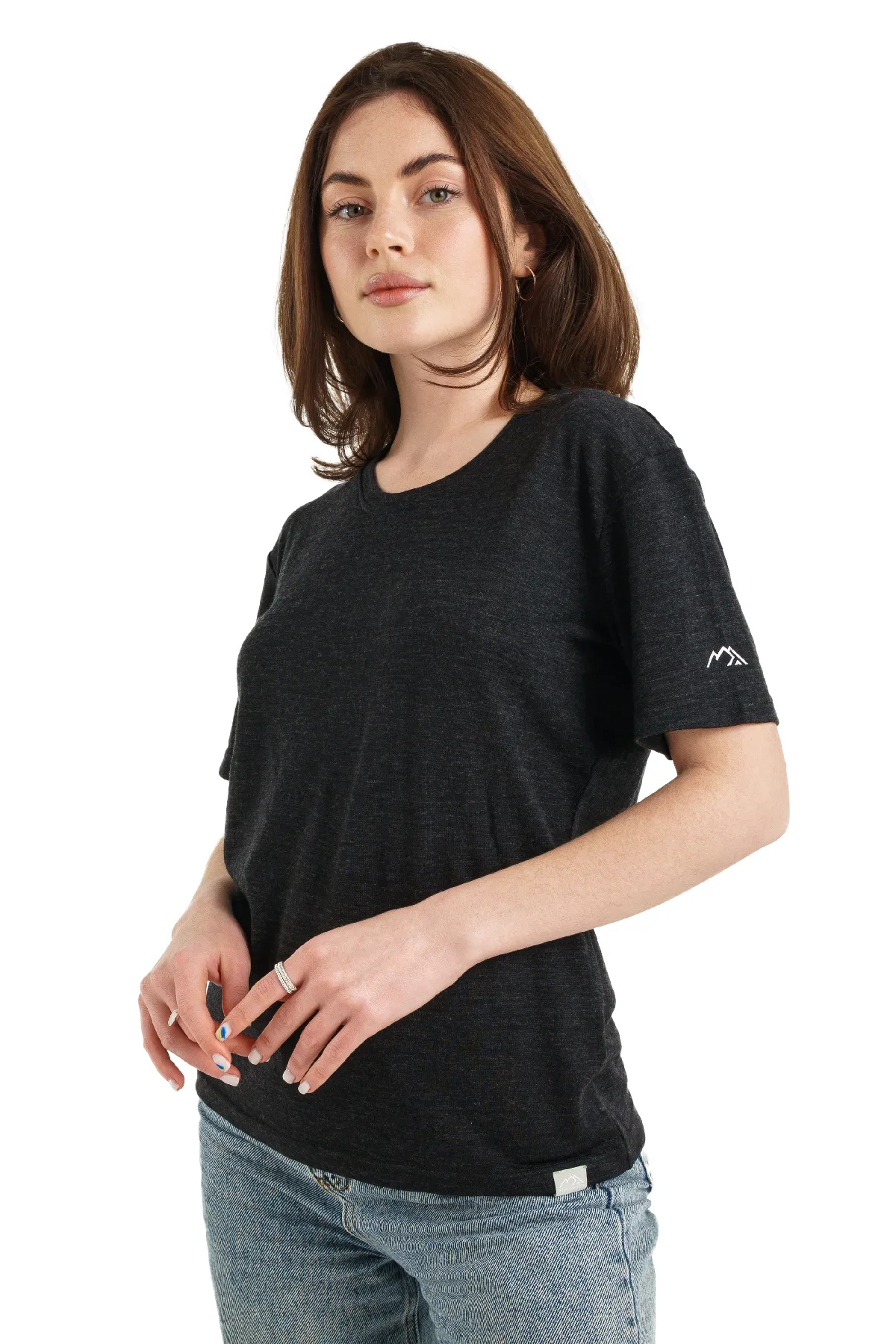
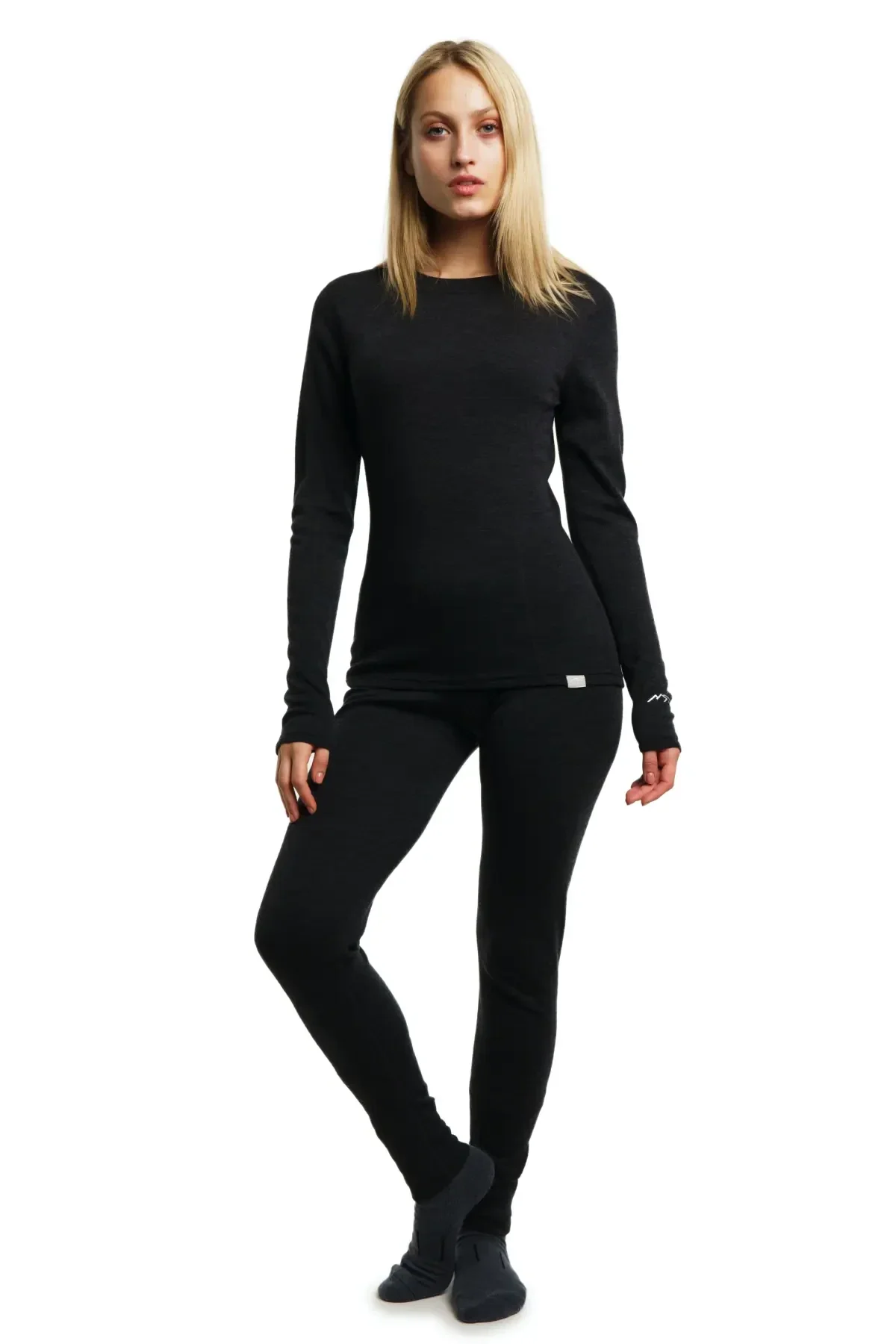
For a lighter layer with everyday potential, the Women’s Merino T-shirt 180 Heathered Black Crewneck is the clearest starting point. The name identifies its 180 weight and short-sleeve crewneck shape, while its heathered black color is less stark than solid black. It is a more plausible pick for mild weather, travel days or indoor wear than a heavy base layer, but the page’s weight alone cannot tell every shopper whether they will find it warm enough.
The weight labels are useful as a comparison tool, not a complete specification. They help narrow the range, but they do not substitute for checking the product page for sizing charts, garment measurements, care instructions and the intended fit. Someone comparing the 180 crewneck with the 250 thermal set should also think about the role of each piece in an outfit rather than assuming that the larger number solves every cold-weather need.
- Start with the layer’s job: next-to-skin base, everyday top or a warmer mid-layer.
- Compare the listed fabric weight within similar garment types.
- Check size guidance and care instructions on the exact product page.
- Plan additional layers for wind, rain and long periods outdoors.
The 250-weight sets make a coordinated base layer simple
For colder outings or a matching top-and-bottom base layer, the Men’s Merino Wool Thermal Set 250 Black is a more complete proposition than buying a single top. The product name specifies a 250 weight and a two-piece thermal set, which is useful for shoppers building a consistent layer under outerwear. The matching format reduces the need to pair pieces from different ranges, while the black color keeps it visually simple.
The store also lists a Women’s Merino Thermal Set 250 Charcoal Grey, showing that this weight is not limited to one cut or color. That is a real range advantage: shoppers can compare coordinated sets rather than treating every garment as a standalone purchase. Before deciding, confirm exactly which pieces are included, how the top and bottoms are sized, and whether the fit works beneath the layers you already own. The charcoal women’s set is another 250-weight option to review.
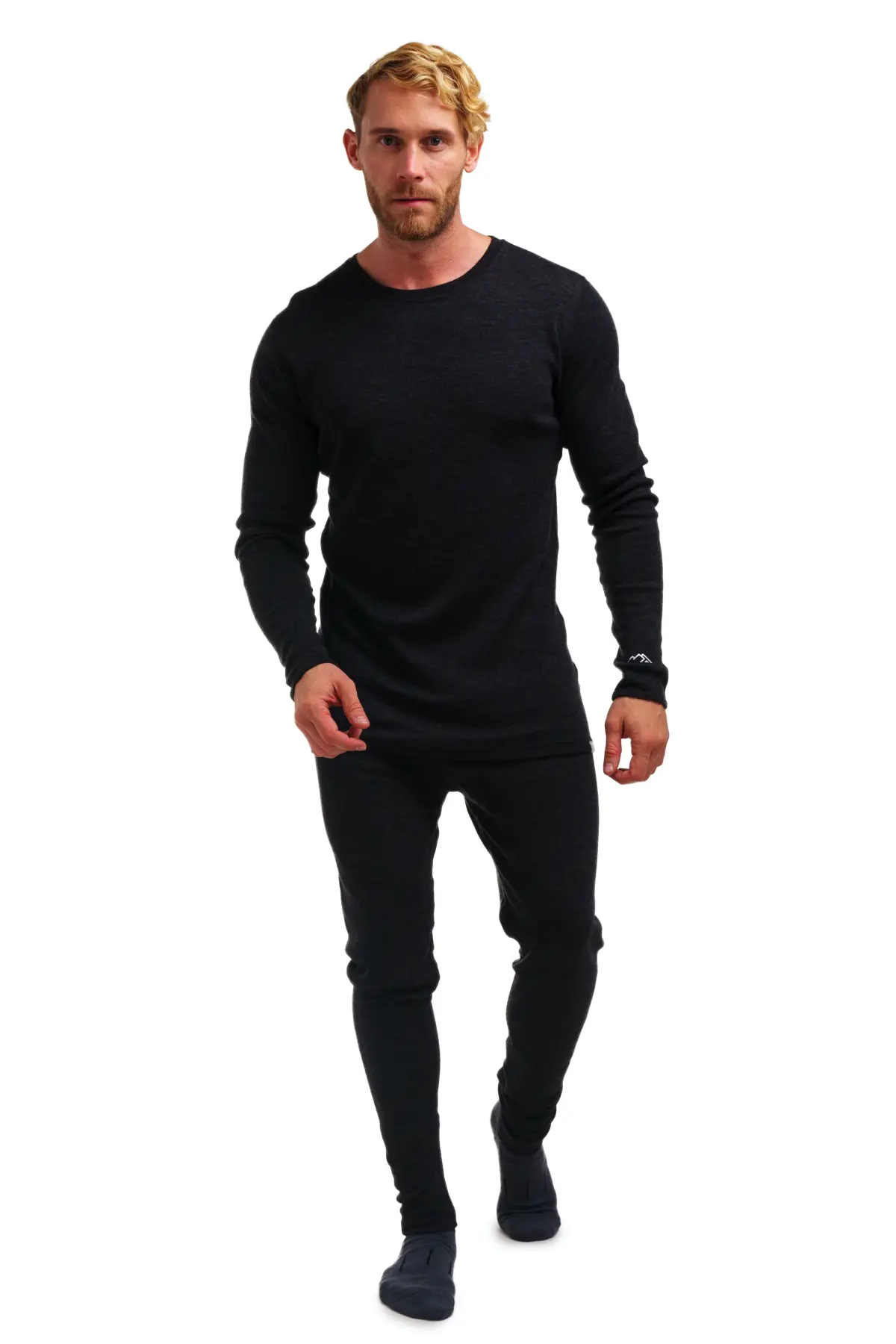
Two-piece coverage is useful when the plan calls for warmth across the torso and legs. It is less useful if you only need a top, already have suitable bottoms, or prefer to choose a different fit for each half. In that case, a separate top such as the Men’s Merino Half Zip 320 Black gives you a more focused option to evaluate. The half-zip opening also offers a different neckline from the crewneck styles, although the product details should be checked for the exact construction and fit.
- Choose a set if you want a matching top and bottom as a base layer.
- Choose a separate top if your existing layers already cover the rest.
- Compare the silhouette if you will wear the piece under a close-fitting shell.
The 320 half zip suits colder layering plans
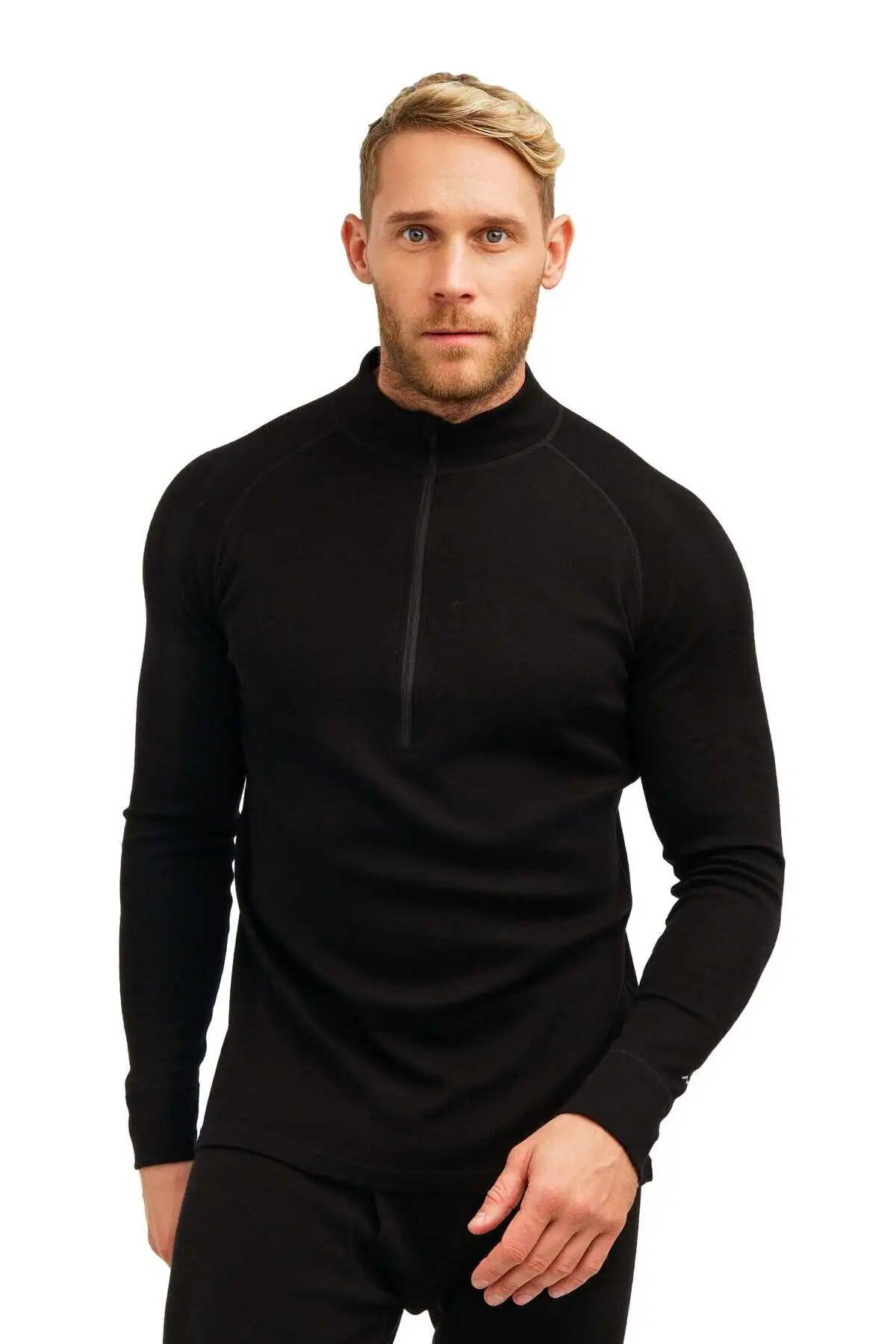
The Men’s Merino Half Zip 320 Black sits at the heavier end of the sampled range. Its 320 weight and half-zip style make it the option to investigate for cooler conditions when a lighter tee is unlikely to provide enough coverage. The zip gives the wearer a neckline choice that a basic crew does not, and a separate top is easier to combine with existing base-layer bottoms than a set.
That heavier label is not an all-purpose advantage. For active use or changing temperatures, a very warm layer can be less comfortable than a lighter base with an insulating layer added or removed as needed. We would compare expected activity, weather and the outer layers already in the kit before treating 320 as an automatic upgrade. Merino fabric can be part of a thoughtful layering system, but it does not replace rain protection or a wind-blocking shell.
The fabric is the strongest reason to consider the brand, but the available evidence has limits. Merino Tech describes moisture management, thermoregulation and odor resistance as benefits of its wool. These are brand-stated properties, not independent performance results in the material we reviewed. The product pages help shoppers understand what the company emphasizes, but do not establish how a specific garment will feel across every activity, climate or wash routine.
That distinction matters when comparing specialist wool apparel with familiar synthetic or cotton layers. Fiber diameter and weight are helpful details, yet fit, seam placement, stretch, durability and care can affect everyday satisfaction just as much. Review the garment’s care directions before buying, especially if the item will be worn on trips where laundry options are limited. A useful product page should make those practical details easy to find; if something important is unclear, that uncertainty belongs in the decision.
The range fits wool-focused layering better than one-size-fits-all shopping
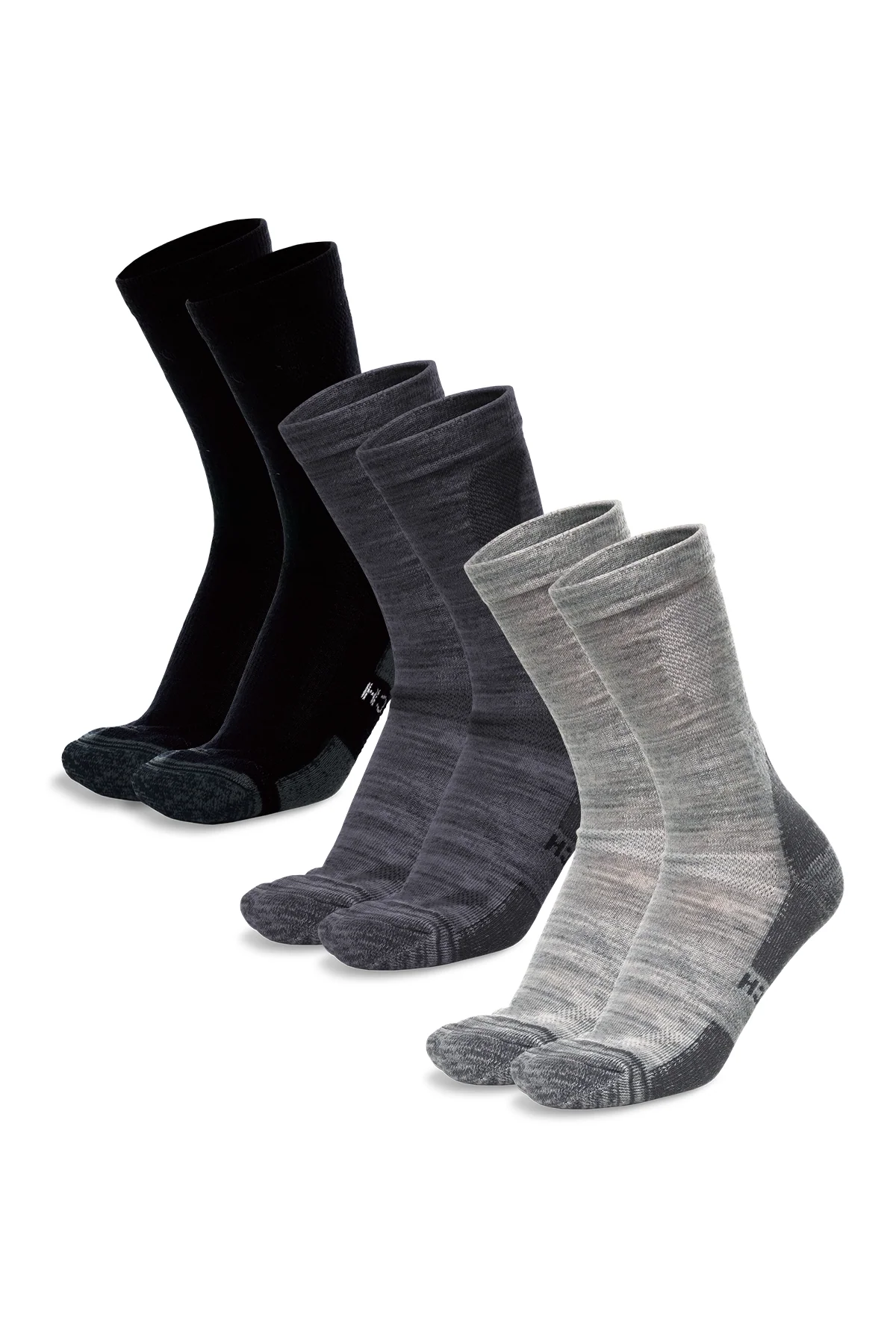
The product lineup gives a few useful routes through the range: a lighter short-sleeve top, coordinated 250 sets, and a heavier half zip. Accessories such as socks, beanies and neck gaiters extend beyond tops and bottoms, which is helpful for shoppers who want to build around one material. The Women’s Merino T-shirt 180 works as the casual point of entry in this selection; the Men’s Thermal Set 250 speaks to matched base-layer use; and the Half Zip 320 targets heavier coverage.
That progression makes the site easier to scan, but it can also overemphasize the number on the label. A shopper needs to weigh garment shape, layering habits, expected exertion and personal sensitivity to temperature. For example, someone commuting between heated interiors and cool streets may prefer the lighter tee over a full thermal set. Someone packing for sustained cold may value matching layers, provided the fit and care requirements make sense.
- Best fit for: shoppers who actively seek merino and want clear garment-weight choices.
- Worth a closer look: travelers who want a versatile top or coordinated base layers.
- Less suitable: buyers who need precise warmth guarantees or have not checked wool care requirements.
- Before choosing: compare size guidance, product construction and care instructions across the exact pages.
For those who want a casual short sleeve first, check the details for the 180-weight crewneck. For matched coverage, compare both the men’s set and women’s set against your own layering needs. And if a heavier standalone top is the priority, the 320 half zip is the clearest product page to evaluate. Those links lead to the specific items, so sizing, availability and current details can be checked at the source.
The honest verdict
Merino Tech earns a qualified recommendation for shoppers who already value merino wool and want a structured range spanning lighter tees, thermal sets and heavier tops. The Australian-wool positioning, stated 17.5-micron fiber and clearly named garment weights give buyers useful product-level clues. The 180 tee, 250 thermal set and 320 half zip make the range easy to understand as a set of different layering roles.
The limitation is that weight and fiber claims cannot settle fit, care or personal comfort in advance. We recommend comparing the exact garment details and choosing based on your actual layering plan, not the highest weight number. If those details match your needs, the range is worth considering; if you need guaranteed warmth or the simplest low-care option, compare alternatives before committing.
Choose Merino Tech for a clearly organized merino layering range, after checking fit and care for the specific garment.