



A look at Home Fitness Code’s compact cardio and strength equipment, with context for choosing a starting point that suits your room and routine.
- Home Fitness Code builds its range around training at home
- The Folding Treadmill Z3 suits walking-focused routines
- The hydraulic rower offers a different cardio rhythm
- The Power Tower Dip Station D1 focuses on bodyweight strength
- The Foldable Squat Assist Trainer serves a narrower purpose
- A few checks make the catalogue easier to navigate
- The honest verdict
A home fitness range has to solve two problems at once: it needs to support the kind of exercise someone will return to, and it has to fit the room that person actually has. Home Fitness Code positions its UK store around that practical mix, with cardio and strength equipment and a visible emphasis on folding and compact options.
That makes the brand worth understanding as a range rather than a single machine. We reviewed the UK product information and store statements, not equipment in person. The useful question is which format matches your training habits, available floor space and tolerance for assembling or moving home equipment.
Heads-up: we earn a commission from some links in this article. It never changes the price you pay.
The short version: Home Fitness Code is a UK home-training retailer with options that span walking, rowing and bodyweight strength, alongside other home gym equipment. Its folding products may help households manage space, but a compact label does not replace checking dimensions, storage and the exercise itself.
Home Fitness Code builds its range around training at home
The catalogue covers two broad jobs: cardio sessions and strength work. That breadth matters for a first-time visitor because home training is rarely one-size-fits-all. Someone looking for regular low-impact movement may want a different setup from someone building a pull-up and dip routine. The store also states free delivery, a 30-day returns period and a one-year warranty. Those are useful shopping considerations, but readers should confirm the current terms and any conditions on the UK site.
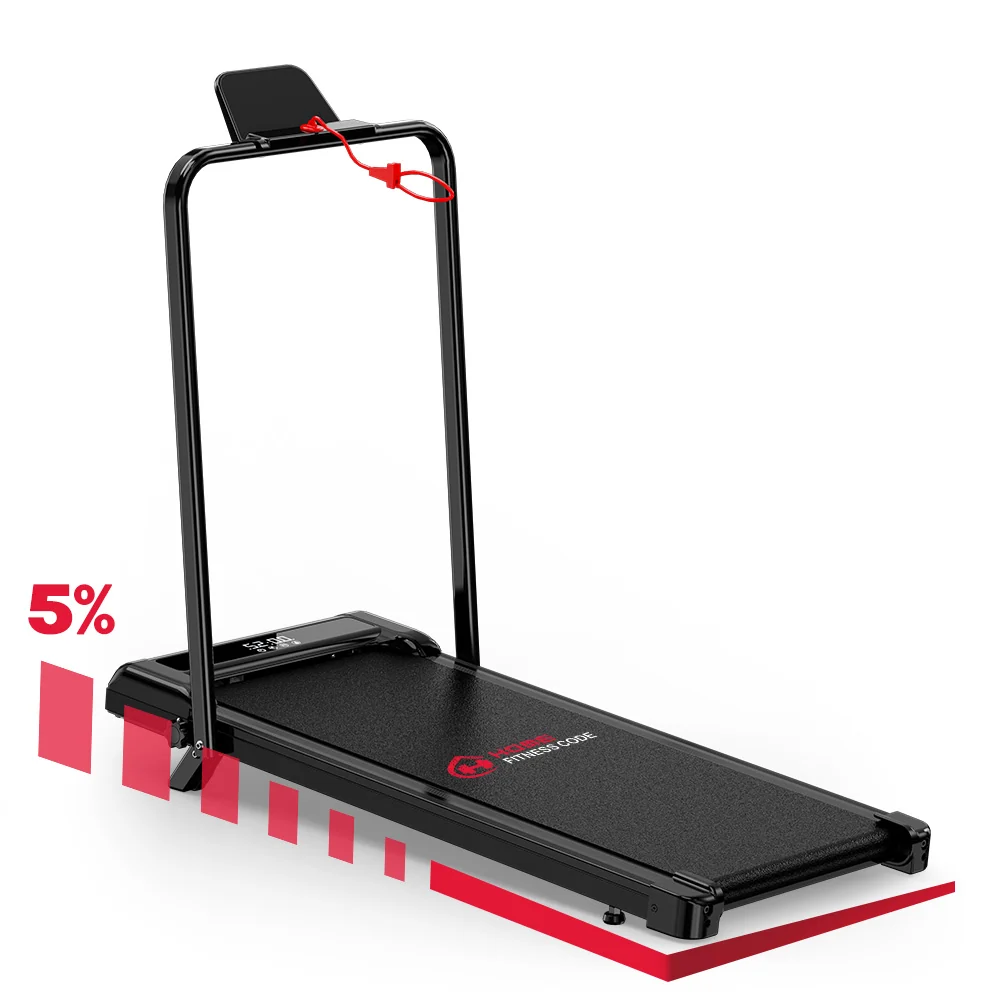
The most distinctive thread in the available product names is space management. The Folding Treadmill Z3 with Brushless Motor is presented as a folding treadmill and walking pad, while the Foldable Squat Assist Trainer signals a strength accessory designed to fold away. These are not interchangeable kinds of compactness: one relates to a cardio machine, the other to a particular lower-body movement.
- Choose by movement first: walking, rowing, bodyweight strength and squat assistance ask for different equipment.
- Measure the working footprint: check the product dimensions in use, not only its stored position.
- Plan the storage route: account for where the machine will live and how it will be moved between sessions.
This framing keeps browsing grounded. A folded machine still needs somewhere to stand, and a space-saving format only helps if it makes the intended exercise easier to do consistently.
The Folding Treadmill Z3 suits walking-focused routines
The product page names a brushless motor and folding format, while its listing title also describes a walking pad. Those details suggest a product to investigate for walking sessions and homes where the ability to fold matters. They do not, by themselves, establish speed range, running suitability, noise level or stored dimensions, so we would check those specifics on the Folding Treadmill Z3 with Brushless Motor listing before deciding.
This is the natural first stop for someone who prefers an accessible cardio habit at home. Compare the available workspace with the machine’s stated measurements, and look for clear information about the display, controls and intended pace. A treadmill is a poor match if its everyday setup becomes a barrier or if the household cannot store it safely. The UK product page is where those practical details belong.
The hydraulic rower offers a different cardio rhythm
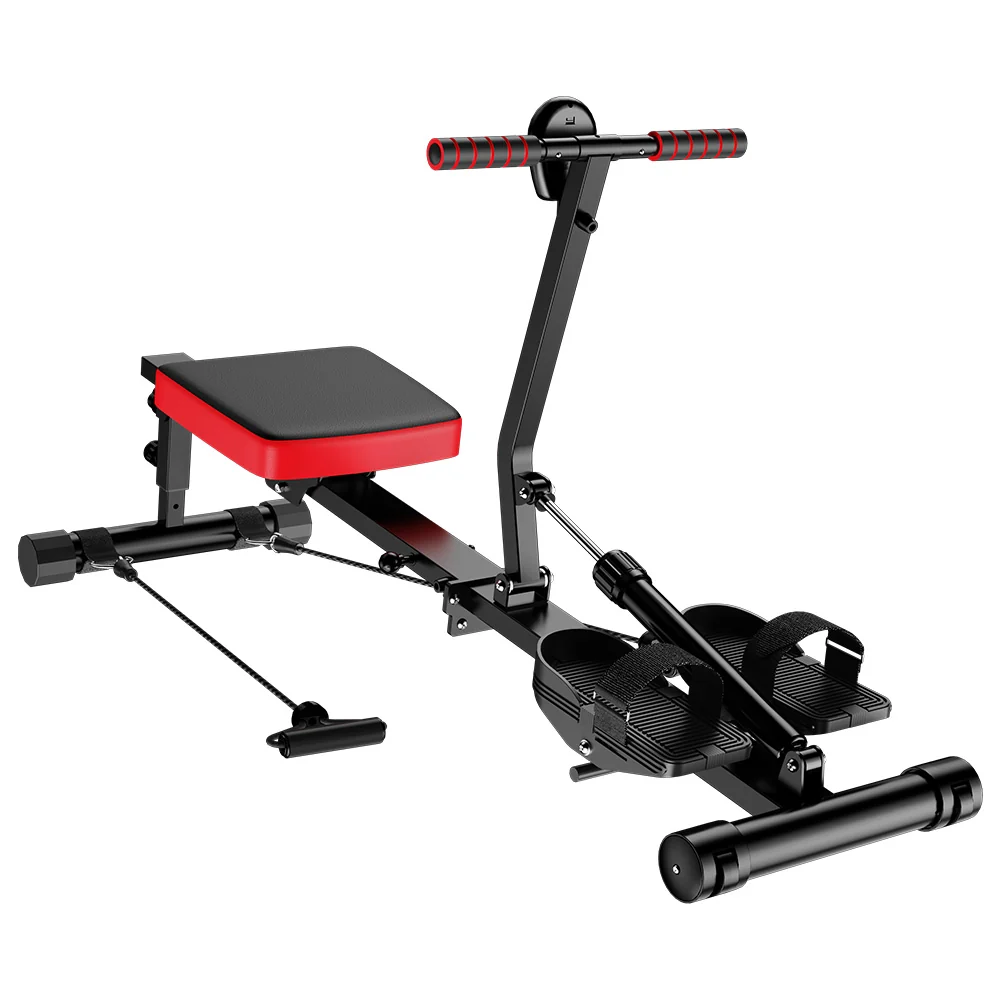
The Hydraulic Rowing Machine, 12-Level Resistance is a more specific proposition: seated, repeated rowing strokes with twelve resistance levels stated in the product name. That makes it a possible fit for readers who want a whole-body cardio movement pattern and prefer seated exercise. The levels give a way to vary resistance, though the product title alone does not tell us how the machine feels across those settings or how its movement compares with other rower designs.
Check the Hydraulic Rowing Machine, 12-Level Resistance page for its operating footprint, rail and seat details, monitor information and storage requirements. The questions are especially relevant if the machine will share a room: a rower needs usable length while in use, even if it can be positioned more compactly between sessions. Its resistance range is a listed feature, not a guarantee that every training style will suit it. Check the machine’s details directly on the rower listing and compare them with the available floor area before settling on this format.
- Look for the stated dimensions and whether the machine is intended to fold or store upright.
- Check how the resistance adjusts and whether its range suits the sessions you plan.
- Consider seat comfort, foot placement and the monitor information shown on the listing.
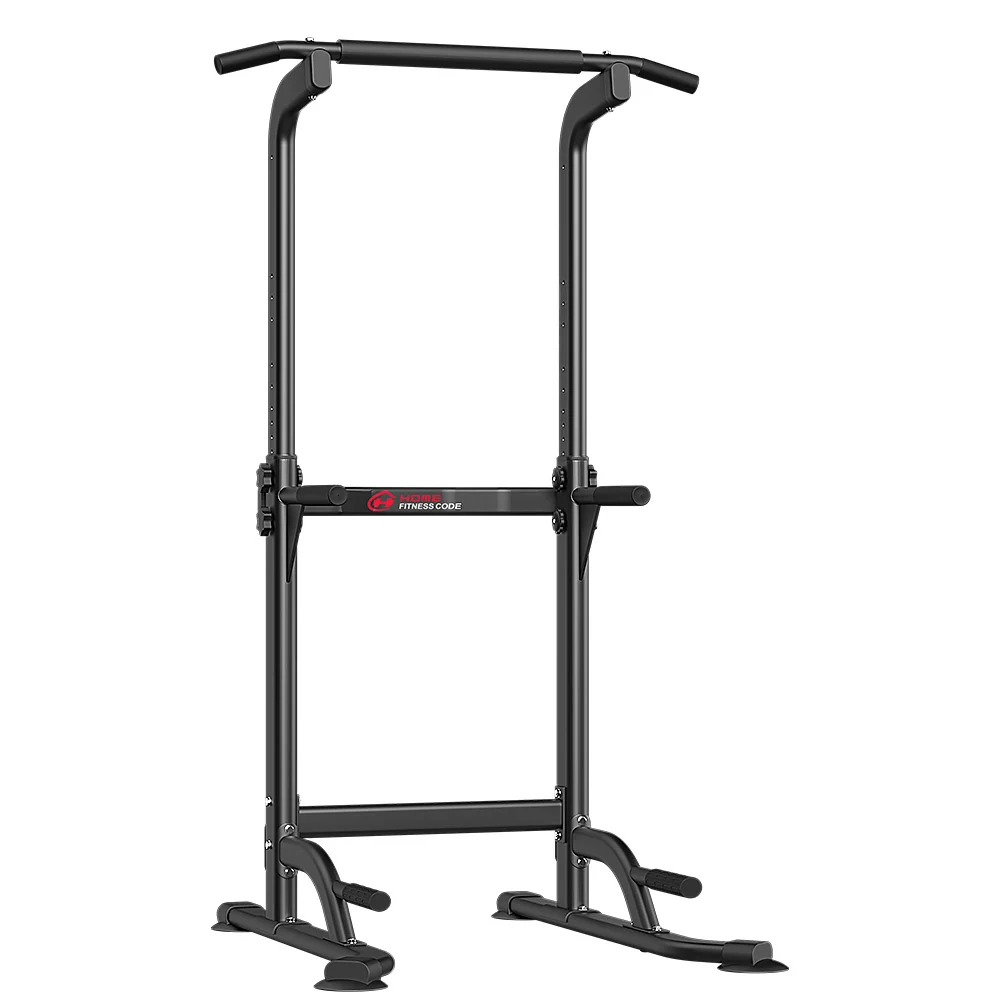
The Power Tower Dip Station D1 focuses on bodyweight strength
Cardio is only one part of the brand’s range. The Power Tower Dip Station D1 is listed as a height-adjustable power tower and pull-up bar, indicating a strength station for movements such as pull-ups and dips. That makes it relevant to people who already know they want a fixed station for bodyweight work, rather than a general-purpose cardio machine.
Height adjustment can be useful across users and exercises, but stability, maximum supported load, footprint and clearance are the more consequential checks. Review the Power Tower Dip Station D1 page for the manufacturer’s specifications and installation guidance. Also consider the floor and ceiling space around it: a station can fit within a room and still lack the clearance needed for a comfortable range of movement. The UK specification page should be checked for height, load and installation information before a station becomes the centre of a routine.
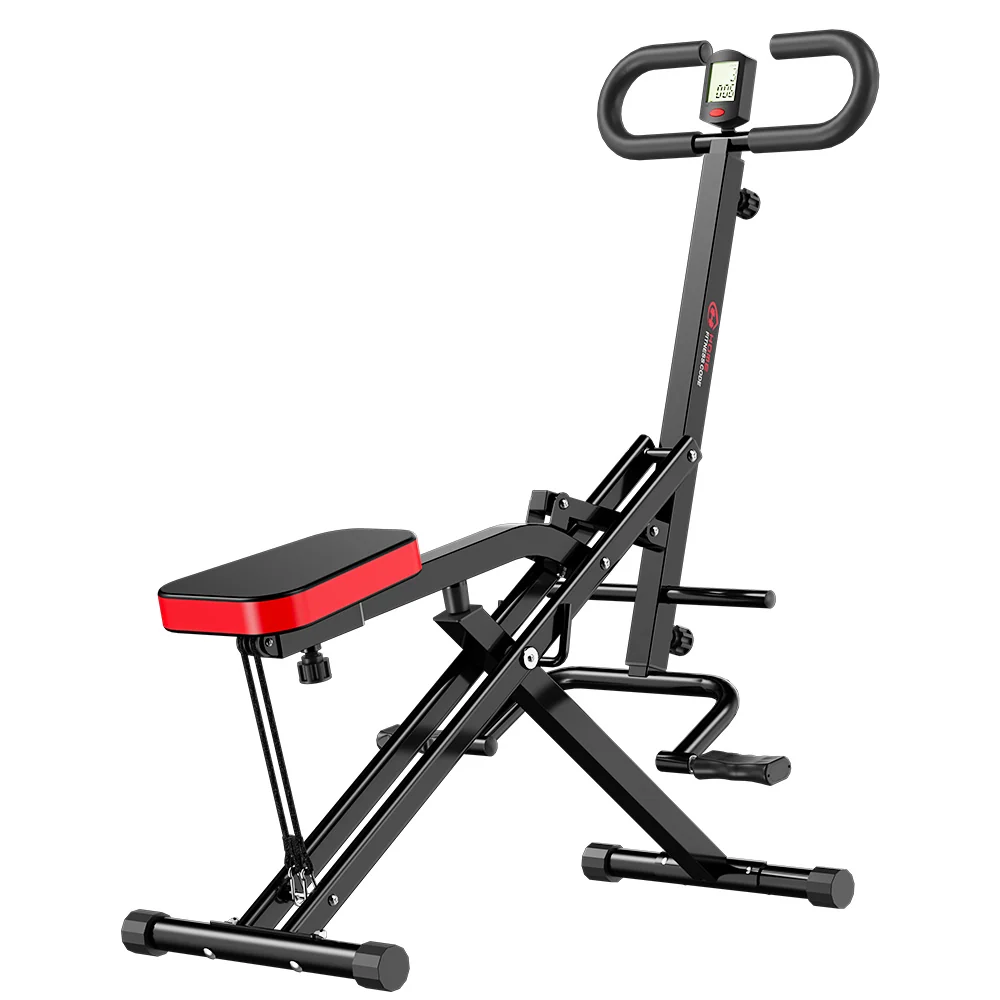
The Foldable Squat Assist Trainer serves a narrower purpose
The squat assist product is a more focused option than a general weight bench or multi-station. Its name describes a foldable trainer for assisted deep squats. This may interest someone seeking support for a particular lower-body pattern, but the listing should clarify how the assistance works, what adjustments are available and which users or movements it is intended for. The Foldable Squat Assist Trainer product page is the right place to verify those details.
A specialised product can be helpful when its use matches a clear routine. It is less compelling as a vague solution to “getting fit” because it covers fewer kinds of training. Before adding it to a home setup, compare its role with exercises you already do and make sure the folding mechanism and storage plan are genuinely practical. Its product details can help clarify whether its assistance and adjustments suit the movement you have in mind.
A few checks make the catalogue easier to navigate
The range is easier to compare when the choice starts with use and room, then moves to product features. A catalogue can list many functions, but the most useful detail is whether the machine supports the sessions a reader expects to repeat. Use product pages to confirm specifications and store pages to verify the policies that apply to the order.
- Define the routine: identify the movement and session frequency before comparing extras.
- Check the full footprint: include clearance for mounting, movement and access around the equipment.
- Read the care and warranty details: confirm what the stated warranty covers and how support is handled.
- Compare the format: folding may help storage, while fixed equipment can suit a dedicated training area.
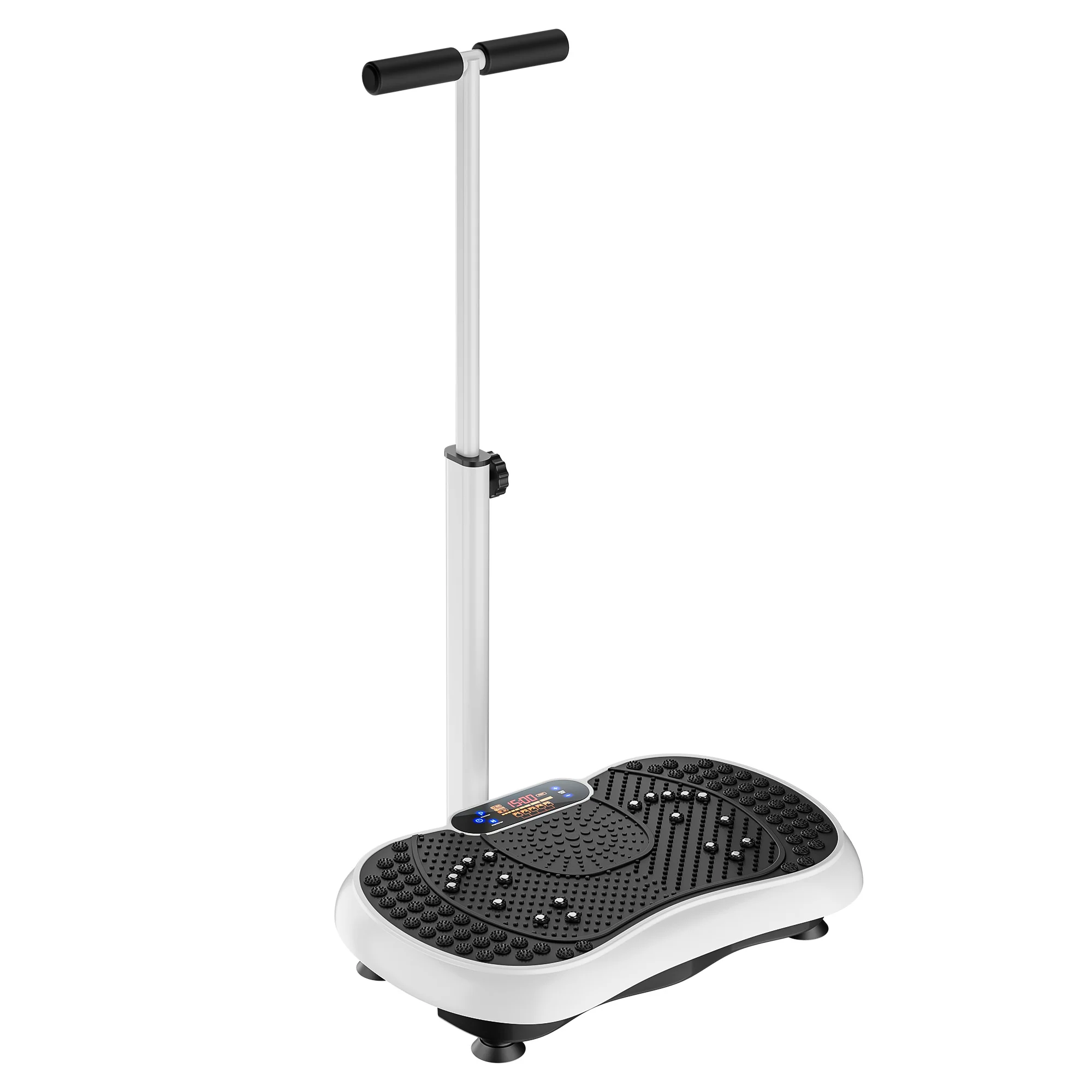
The wider store also lists products such as vibration platforms and benches, which broadens the possible setup beyond the four examples above. For instance, readers can browse the Home Fitness Code collection to see how its categories are currently organised. Product names and specifications can change, so check each UK listing for the current description. For a cardio-focused setup, revisit the folding treadmill listing and rowing machine listing; for strength work, compare the power tower details with the squat trainer details.
The honest verdict
Home Fitness Code is most relevant to people assembling a home routine from practical cardio and strength equipment, especially when folding formats could help with limited room. Its range gives first-time shoppers several distinct starting points: walking, rowing, bodyweight strength or a more focused squat movement.
The limitation is that compactness and product naming cannot answer the main fit questions. Check measurements, intended use, adjustment range, setup and current store terms before choosing. We would start with the single movement you are most likely to repeat, then compare the listing details against the room available.
Home Fitness Code is worth exploring when you want home equipment matched to a specific routine and have checked its real space requirements.