



A research-led look at Jackery’s UK portable power range, its practical strengths and the trade-offs to weigh before choosing a model.
- Jackery focuses on portable power with solar options
- The Explorer 100 Plus suits personal charging
- The Solar Generator 500 v2 balances capacity and portability
- The Solar Generator 1000 Plus v2 favours longer use
- The trade-offs are size, planning and real-world demand
- Jackery fits planned power needs better than vague backup hopes
- The honest verdict
Portable power stations promise a useful middle ground: more capable than a small power bank, without the noise and fuel handling of a generator. The question is whether Jackery has a model that fits your actual devices, trip length or backup plan, rather than simply offering a larger number on a product page.
We reviewed the product information on Jackery’s UK store, focusing on three different sizes and the solar generator bundles shown there. The range covers light personal charging through to a more expandable system, but capacity, portability and solar practicality pull in different directions. You can browse the current Jackery range while comparing those trade-offs.
Heads-up: we earn a commission from some links in this article. It never changes the price you pay.
The short version: Jackery is most compelling if you want a purpose-built portable power station with compatible solar charging options and a clear choice of capacities. The Explorer 100 Plus is the light-use choice, while the Solar Generator 500 v2 and Solar Generator 1000 Plus v2 are more relevant when several devices or longer off-grid use are in the plan. The limitation is that larger capacity adds bulk, and solar output depends on conditions rather than being guaranteed.
Jackery focuses on portable power with solar options
Jackery’s UK range centres on portable power stations, SolarSaga panels and bundles that pair a station with a panel. That gives buyers matched components rather than requiring them to assemble every component from unrelated brands. The store describes models for outdoor trips and household backup, and some Explorer Plus v2 options use LiFePO4 batteries with expansion possibilities. Those are meaningful features, though the right choice still depends on the loads you need to run.
- Portable stations suit device charging away from mains power.
- Solar bundles simplify matching the panel to the station.
- Capacity and portability need to be weighed together.
For a phone, camera or small collection of personal electronics, a compact unit is easier to pack and store. A larger station makes more sense when you need to charge several devices, run higher-demand equipment or keep a household essential available during an outage. Jackery’s panels add another route to replenishment, but they need suitable daylight, placement and time. A bundle can simplify compatibility; it cannot remove the weather variable.
There are three practical strengths in the product information: multiple capacity tiers, paired solar options, and an expansion path on selected models. You can compare Jackery station and solar bundle options to see which combinations are listed. For a system intended to stay in one place, expansion may be more useful than minimum weight; for a weekend bag, it can be unnecessary complexity.
- Start with your devices and their output requirements.
- Check what accessories the current listing includes.
- Choose a larger tier only when the extra runtime has a clear job.
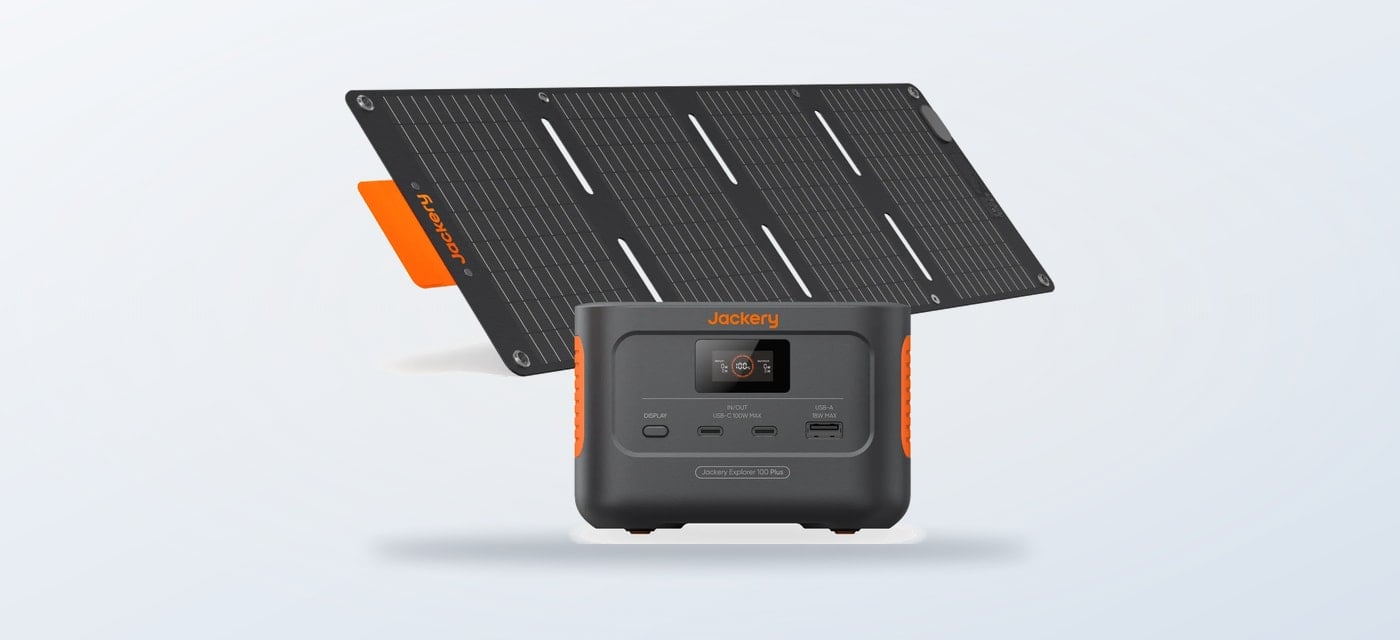
The Explorer 100 Plus suits personal charging
The Explorer 100 Plus Portable Power Station is the compact end of the reviewed range. Jackery lists it with accessories, and its small format makes it the logical model to investigate for phones, cameras and other modest electronics where a wall socket is not always available. Read the Explorer 100 Plus product details to confirm the included accessories and current configuration.
Its advantage is a straightforward use case: bring a modest reserve of power without committing to a larger backup unit. That can work for travel, day outings or keeping essential small devices topped up. The boundary is just as important. A compact station is not a substitute for a high-capacity home backup system, and buyers should check device wattage and the store’s stated output limits before assuming a particular appliance will work.
List the devices and required hours first. If they are mostly personal electronics, the Explorer 100 Plus merits a closer look. You can review Jackery model options and verify each bundle’s contents.
- Useful for several modest loads on a trip.
- More cumbersome than a pocket power bank.
- Panel placement needs daylight and open space.
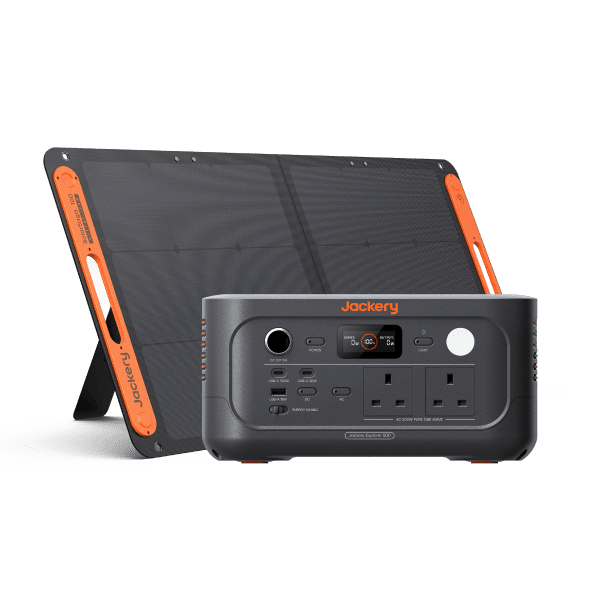
The Solar Generator 500 v2 balances capacity and portability
The Solar Generator 500 v2 occupies the middle ground: a more substantial portable setup than a compact personal-power unit, while remaining aimed at mobile use. The UK store presents it with a solar panel, giving buyers a matched route to recharge away from mains power. See the Solar Generator 500 v2 listing for the exact panel and kit details attached to the current product page.
This tier is worth considering for multi-device trips or a small set of essentials where a compact power bank would be limiting. It is also a more sensible place to start than a large home-oriented system if portability remains central. The trade-off is that a station and panel take space and need careful packing; solar charging requires placing the panel where it can collect useful light, which is not always convenient at a campsite or on a moving itinerary.
Look beyond headline capacity: check output types, charging time, weight and actual device draw. A laptop and lamp demand something different from a heat-producing appliance. Runtime varies with the load, so compare the 500 v2 configuration against your device list.
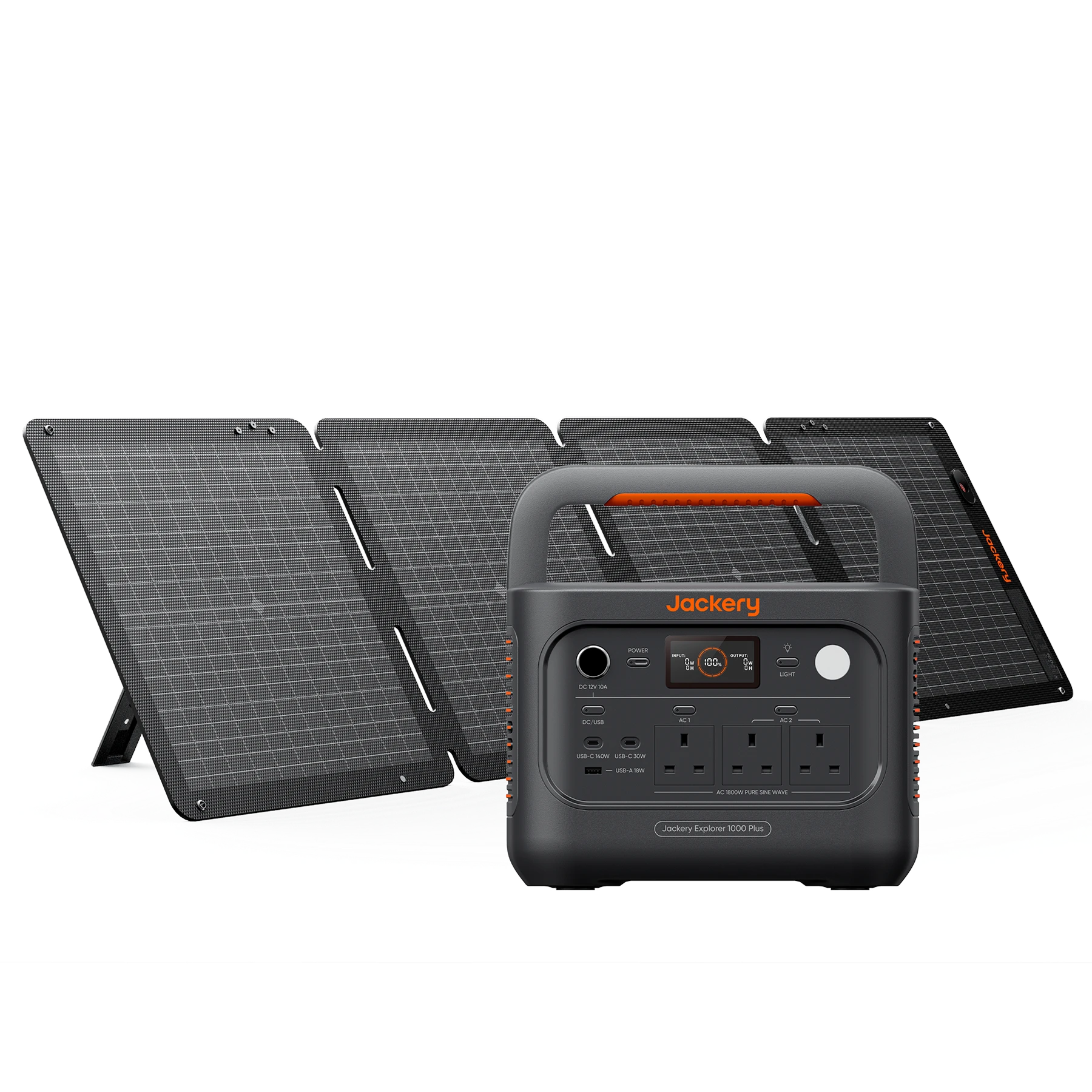
The Solar Generator 1000 Plus v2 favours longer use
The Solar Generator 1000 Plus v2 targets buyers who need a broader reserve and want the option of an expandable setup. Jackery lists solar bundles and a battery expansion combination, so this is the most flexible of the three models considered here. Its UK product page is the place to review the available system configurations and compatibility notes.
More stored energy can be useful for longer outdoor stays or a defined set of household backup needs. It also means more equipment to move and a larger commitment to storage space. The expansion option is helpful only if your usage plan justifies it; extra capacity adds little value if the station is mainly for occasional phone charging. Consider the essential devices first, then their combined wattage and how many hours you expect them to run.
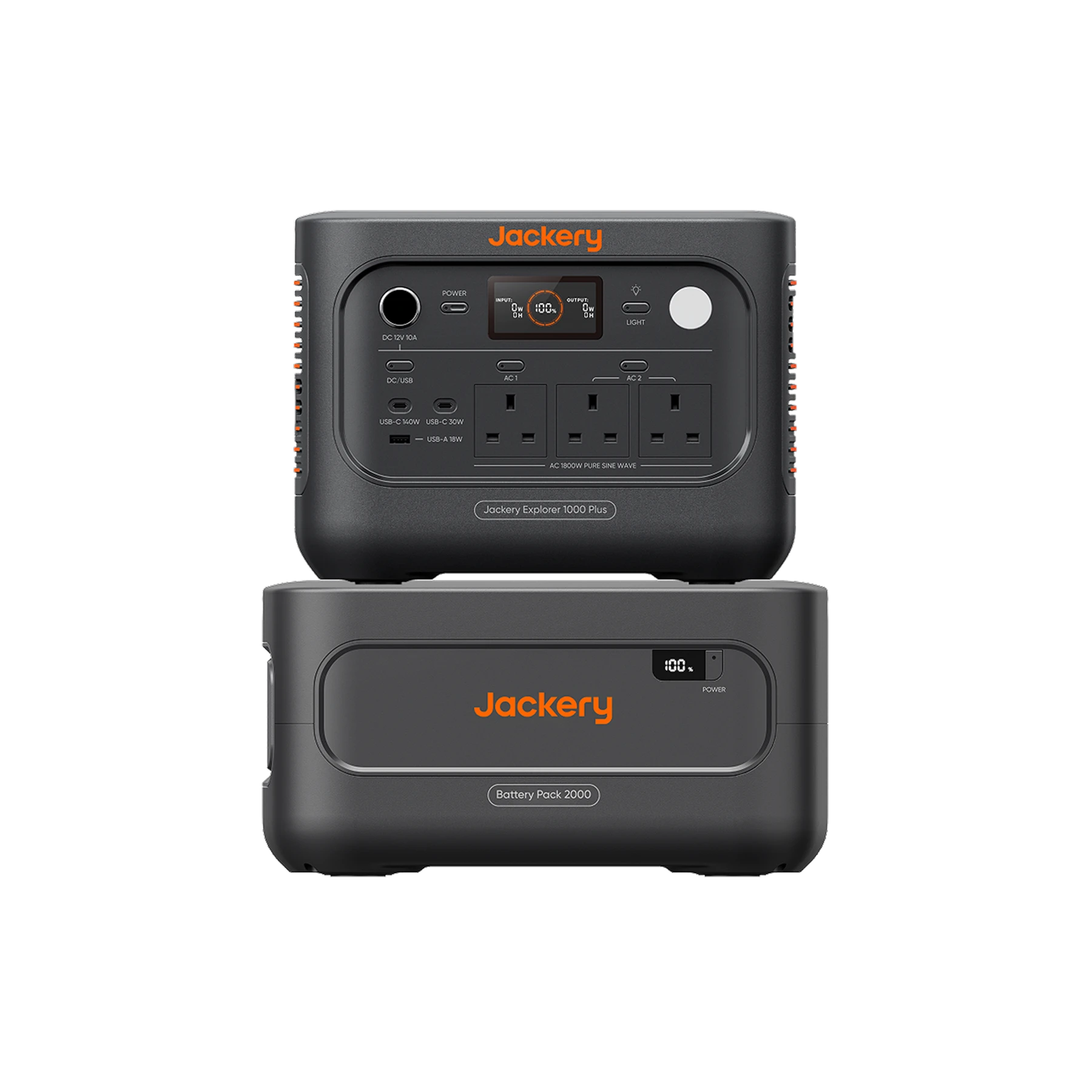
Solar charging is a useful complement, not a fixed daily refill promise. Panel position, cloud cover, season and available daylight all affect what can be collected. For a home backup plan, consider whether you can safely position a panel and how you will use the station indoors. For travel, ask whether the added panel will actually be carried and deployed. Check the 1000 Plus v2 system details alongside the standalone options to avoid buying capacity you will not use.
The trade-offs are size, planning and real-world demand
Portable power is easier to evaluate when the job is specific. Make a short list before choosing:
- Identify the devices that matter, including their wattage and charging connector.
- Estimate how long they need to run between mains charging opportunities.
- Decide whether the station will travel regularly or stay ready for home backup.
- For solar, check panel compatibility and where it can receive unobstructed daylight.
This process may point away from a larger Jackery model. A generous reserve sounds reassuring, but it adds carrying and storage demands. Conversely, choosing the smallest unit simply because it is easiest to carry can disappoint if your use case includes several devices or longer gaps between charges. The best decision is the smallest setup that covers the actual load with a reasonable margin.
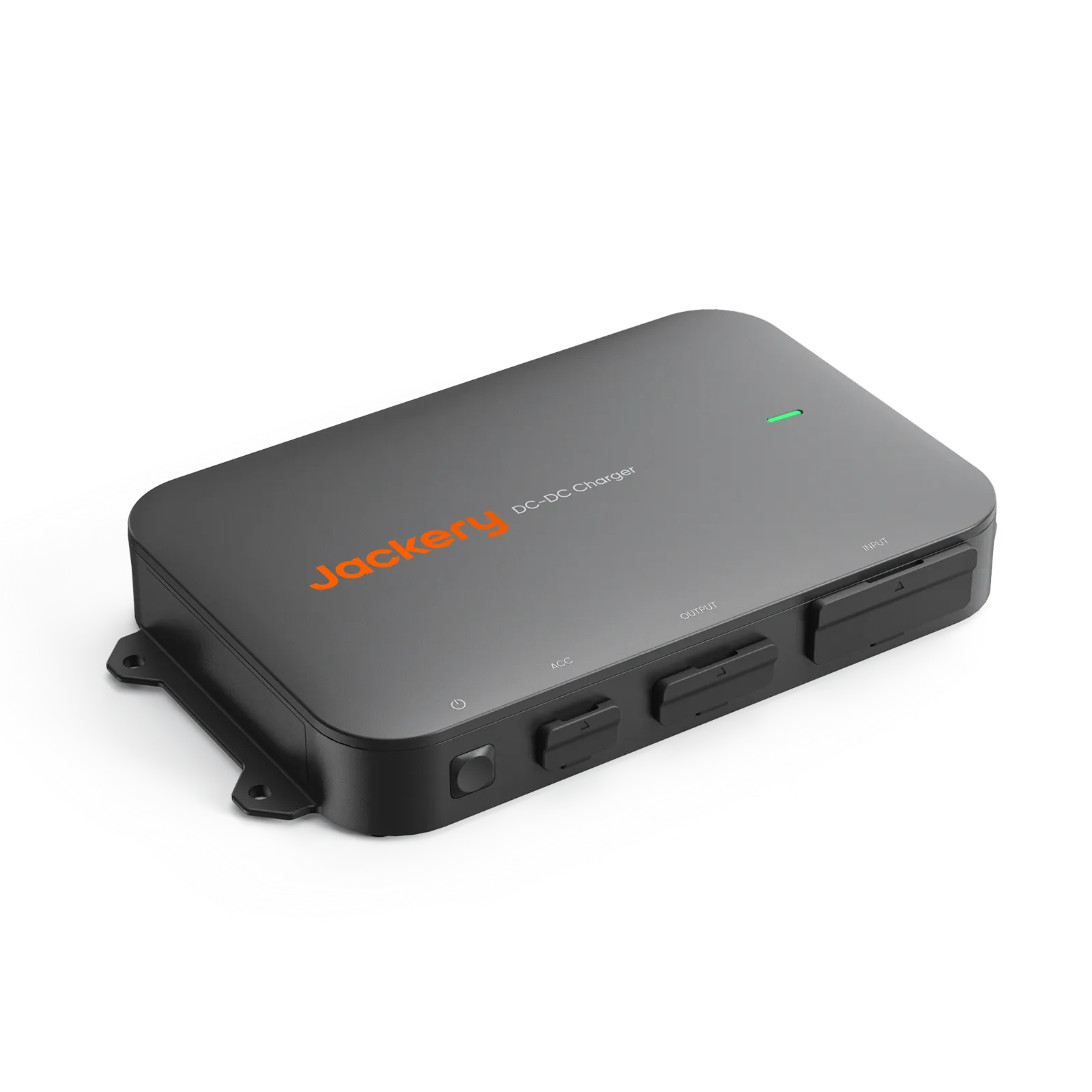
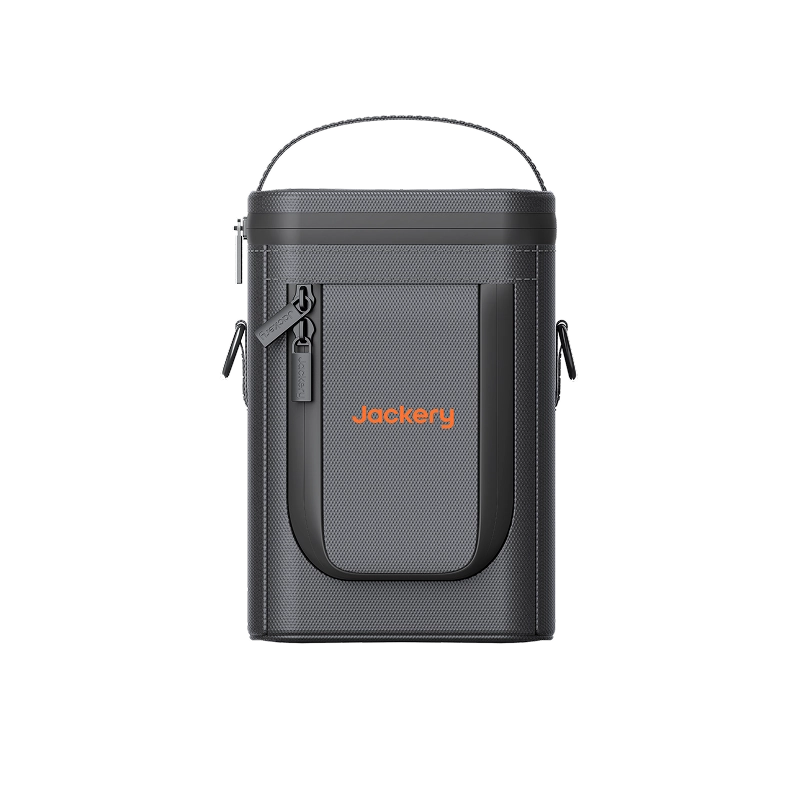
Accessories also deserve scrutiny. The store lists items such as a DC-DC alternator charger and carrying cases, but they are useful only for particular routines and compatible products. If charging from a vehicle is part of your plan, check Jackery listed charging accessories and verify compatibility before choosing. A case may protect equipment in transit, but it does not change the station’s output or capacity.
The product pages are strongest on model-level features and system options. Buyers still need to translate those specifications into their own loads, usage hours and transport limits. Compare the compact Explorer 100 Plus, the Solar Generator 500 v2 and the expandable 1000 Plus v2 against the same checklist so the difference in capacity does not distract from what you will actually power.
- Personal electronics point toward the compact model.
- Several devices make the middle tier worth comparing.
- Longer planned use may justify an expandable configuration.
Jackery fits planned power needs better than vague backup hopes
If you want to compare beyond the three models discussed, see Jackery portable power choices and review the available solar generator bundles. For a closer look at the compact configuration, open Explorer 100 Plus details; for the travel tier, view Solar Generator 500 v2 options; and for expansion, check Solar Generator 1000 Plus v2 options. These product pages let you compare equipment and included components without relying on a headline category alone.
The range is most suitable for people who can name the devices they want to power and value a portable system with solar options. Campers, road-trip planners and households preparing for limited backup may find a useful match. The compact model is easier to justify for electronics; the mid-size bundle serves more varied portable use; and the expandable option is the one to inspect when longer operation matters.
Jackery is less compelling if you expect a small unit to run demanding appliances for long periods, or if you will rarely use the system and have no storage plan. Solar adds flexibility but also requires setup and favourable conditions. These are category-wide limits, not flaws unique to Jackery, and they should shape the purchase before brand preference does.
The honest verdict
Our review finds Jackery’s UK range strongest when portability, a choice of capacity and compatible solar charging all matter. The Explorer 100 Plus has the clearest case for personal-device charging, the Solar Generator 500 v2 looks like the balanced travel choice, and the Solar Generator 1000 Plus v2 suits planned longer use where expansion has a purpose. We recommend comparing the device list and required runtime before choosing, then checking current specifications and bundle contents on the UK store.
The central limitation is practical rather than mysterious: capacity adds weight and cost, while solar performance depends on conditions. If you can work within those constraints, Jackery deserves a place on the shortlist. If you need reliable power for high-draw appliances or an open-ended whole-home backup plan, define those requirements first and compare them with the listed output and runtime figures.
Choose Jackery when a clearly defined portable power need matches the station’s capacity, and treat solar as a useful option whose output depends on conditions.