


A product-page review of Merino Tech’s merino layers and accessories, with the strengths, trade-offs and use cases that matter before choosing a piece.
- Merino Tech builds its range around weight and layering
- The 250 long sleeves make the clearest case for active layering
- The tank and accessories serve different packing jobs
- Merino Tech’s benefits come with care and evidence limits
- The range suits wool-focused wardrobes more than bargain basics
- The honest verdict
Merino Tech makes a focused case for merino wool: temperature regulation, moisture handling and less odor buildup across outdoor activity and daily wear. The 250-weight long sleeve gives the range a clear activewear example. Those benefits are appealing, but they do not make every layer equally useful for every wardrobe. Weight, garment coverage and how often you need to wash or rotate clothing still matter.
We reviewed the brand’s United States product information, not garments through hands-on testing. Here, we look at what its range appears to do well, where the product-page evidence has limits, and which readers are most likely to find a sensible match.
Heads-up: we earn a commission from some links in this article. It never changes the price you pay.
The short version: Merino Tech is worth considering if you want wool layers grouped by garment and weight, especially for hiking, travel or repeated layering. Its strongest case is practical versatility; the trade-off is that fit, care expectations and performance claims need checking against each individual listing.
Merino Tech builds its range around weight and layering
The store organizes clothing around familiar forms: shirts, base layers, thermal sets and accessories. Weight labels such as 165, 180 and 250 give shoppers a starting point for comparing coverage and warmth. The Violet 250 layer is one listing to check for its stated material details. The brand describes its core wool as Australian merino and identifies 17.5-micron fiber on product information. These are useful details to compare, though weight alone cannot predict comfort in every temperature or activity.
Across listings, breathability and moisture management recur alongside temperature regulation and odor resistance. That is a coherent pitch for people moving between exertion and rest, or packing a small clothing rotation. But the language is brand-provided: the site does not present independent comparative test results that would quantify those benefits against other fabrics.
- Choose a close-fitting base layer when you plan to add insulation above it.
- Use lighter garments for warm conditions, indoor wear or a low-bulk travel layer.
- Look at the full garment composition and care instructions before treating wool as a low-maintenance replacement for synthetics.
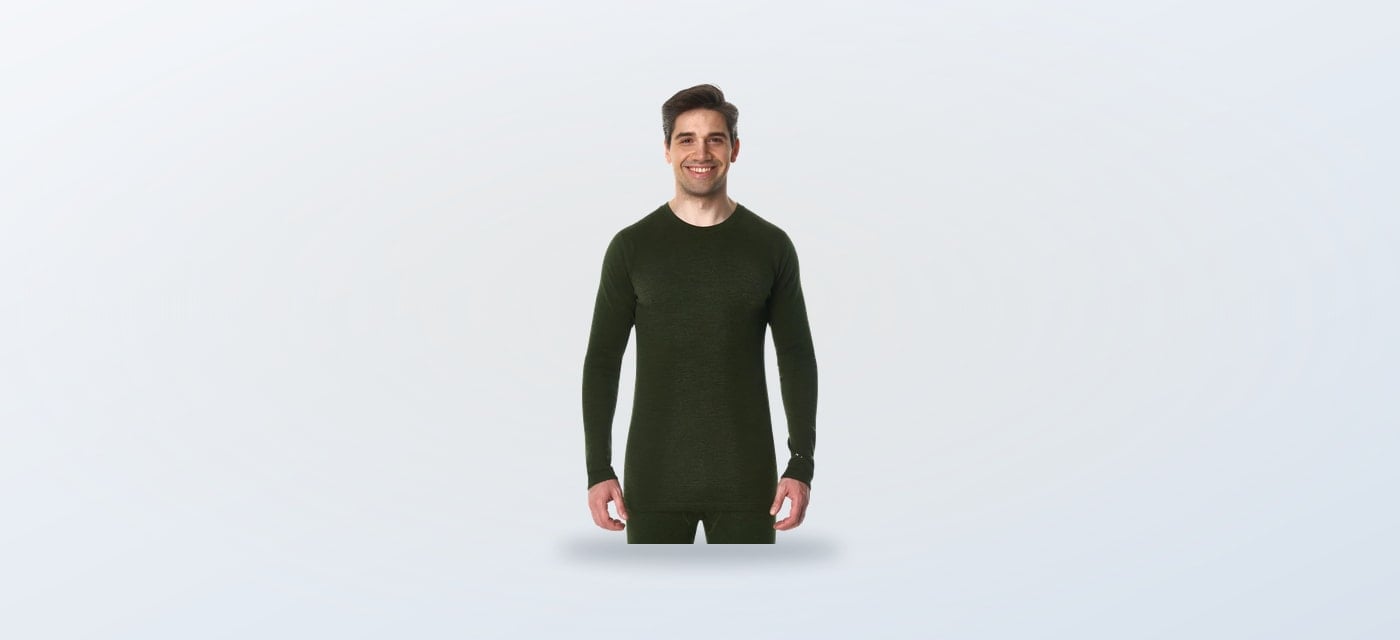
The Army Green 250 long sleeve is a useful reference point when comparing the range. The 165 gaiter is another way to compare a lighter accessory against full coverage. Weight is a guide, not a guarantee. The useful distinction is therefore less “merino versus everything” and more whether a specific garment matches your layering system. The Men Merino Long Sleeve 250 Army Green is positioned as an active long sleeve for variable conditions, while lighter pieces make more sense when insulation is not the main job.
That range structure is a strength for shoppers who already know how they layer. People new to wool may need to work harder to translate a numeric weight into their own climate and activity, especially since the listings do not replace a clear explanation of fit and warmth for every use case.
The 250 long sleeves make the clearest case for active layering
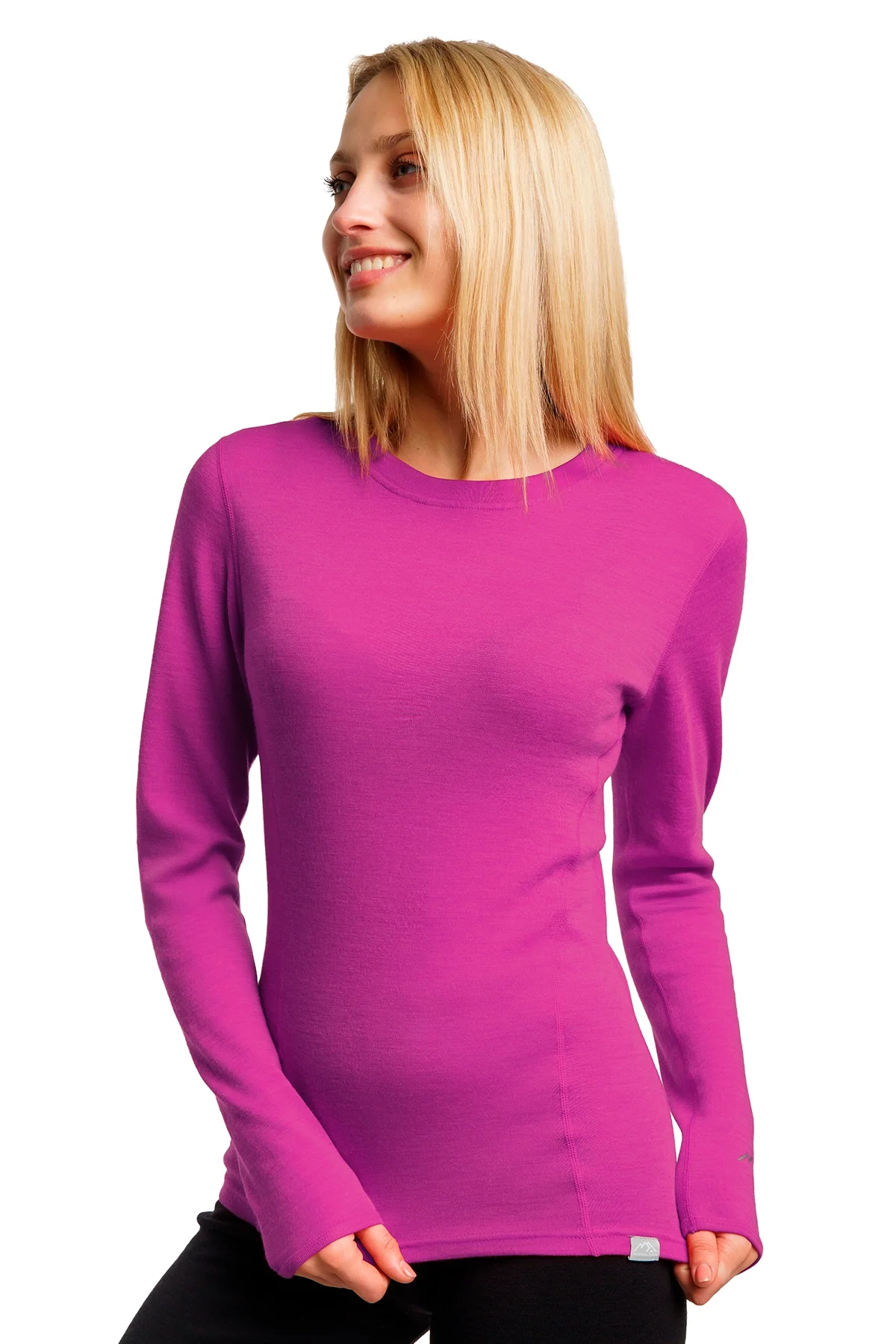
For shoppers comparing colors and cuts, the brand also lists its Women’s Merino Long Sleeve 250 Violet. The Men Merino Long Sleeve 250 Army Green is described for active lifestyles and outdoor use. Its page lists moisture wicking, breathability, odor resistance and natural stretch, along with UV protection. See the listing for the Army Green long sleeve to review its current construction details. Use it as a layering piece. That combination makes the garment a plausible option for hikes where a single base layer may see changing effort levels, or for travel where compact packing matters.
The Women’s Merino Long Sleeve 250 Violet makes a similar case for mobility and layering, with the brand emphasizing warmth in cool weather and breathability when conditions heat up. The Violet long sleeve also sits in this middle layer category. In practical terms, these are more compelling as versatile base layers than as standalone cold-weather systems: the product pages do not establish how warm either will feel for a particular person or wind exposure.
For a first purchase, compare garment measurements, available size guidance and return terms before choosing. The store’s current listing is the right place to check those details, since fit affects whether a layer sits comfortably under a shell or bunches at the waist and sleeves.
The tank and accessories serve different packing jobs
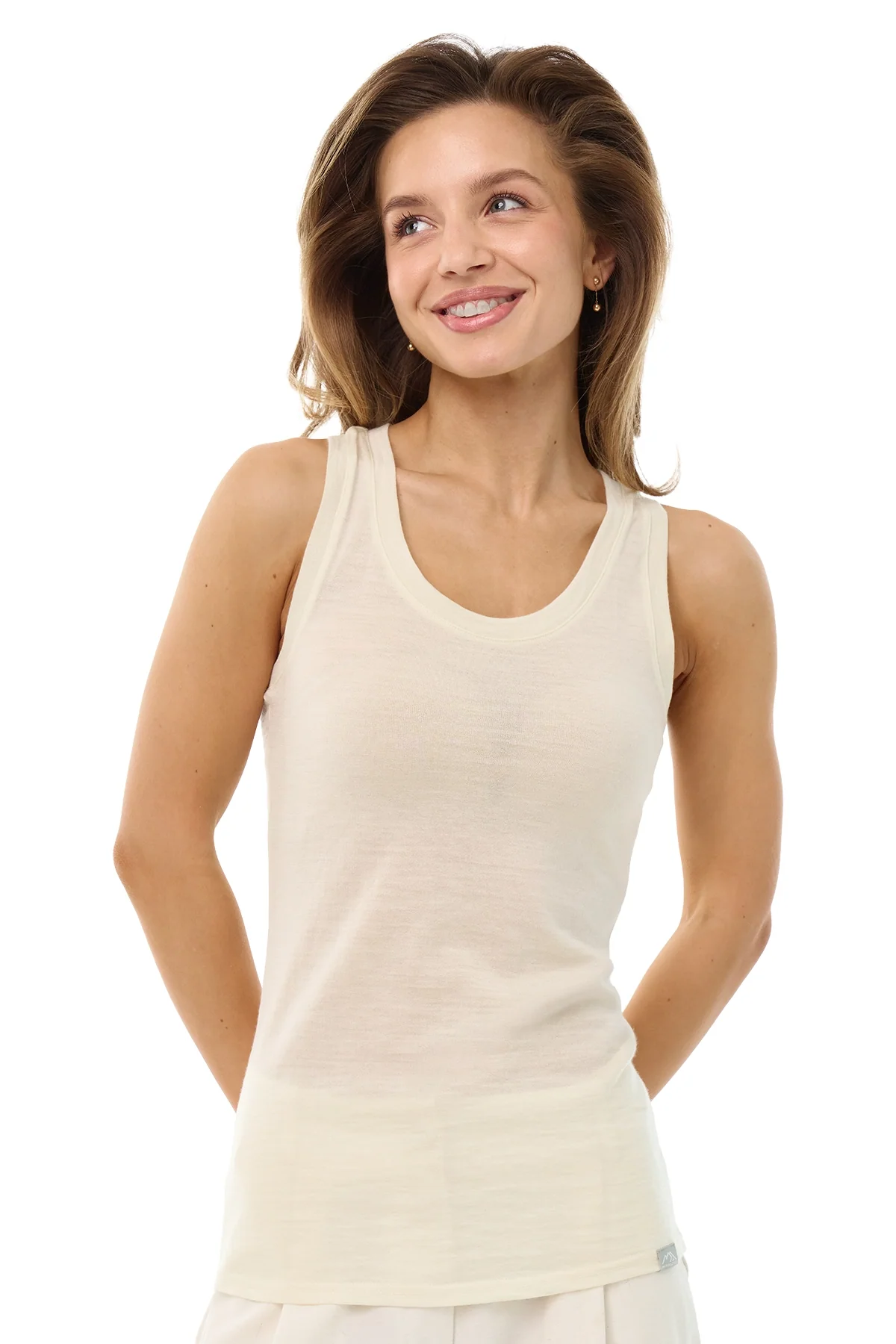
The off-white merino tank is listed as a compact option for warm-weather packing. The Women’s Merino Wool Basic Tank Top Off White is the simplest warm-weather entry in this selection. Its product page describes a lightweight, compact top for travel, workouts and everyday wear, as well as use beneath other pieces. This makes it more adaptable than a heavier thermal set for readers who want one garment that can move between indoor and outdoor routines.
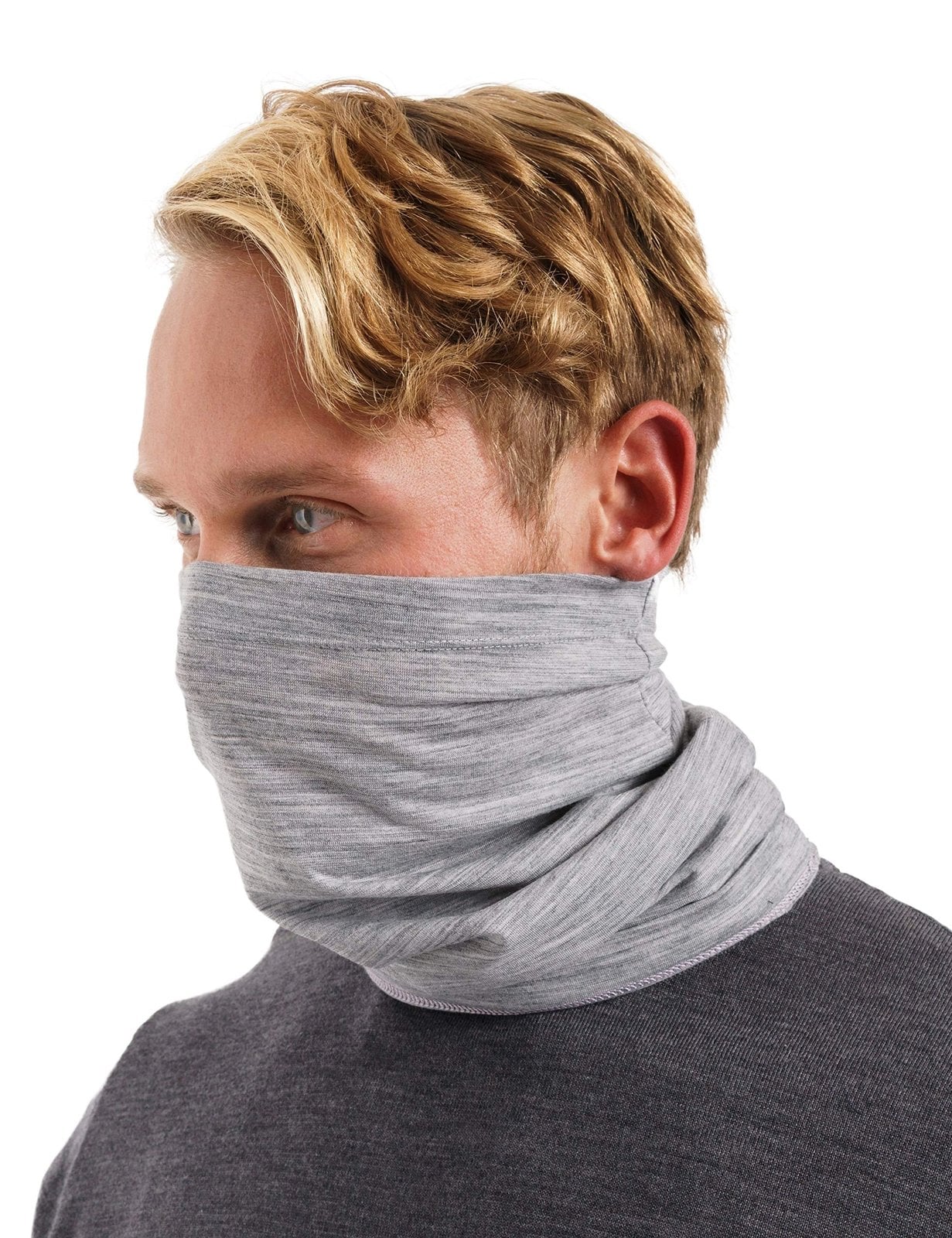
The Heathered Grey 165 gaiter adds another option if you need adjustable coverage. For a small accessory, the Merino Neck Gaiter 165 Heathered Grey is listed with four-way stretch and dimensions of 25 inches by 9.5 inches. The listing says it can be worn as a neck covering or beanie. The Heathered Grey gaiter listing includes the wearing options and dimensions. That format suits travelers and hikers wanting adjustable coverage without committing to a full scarf; check the product photos and use instructions to confirm the shape suits your preferred fit.
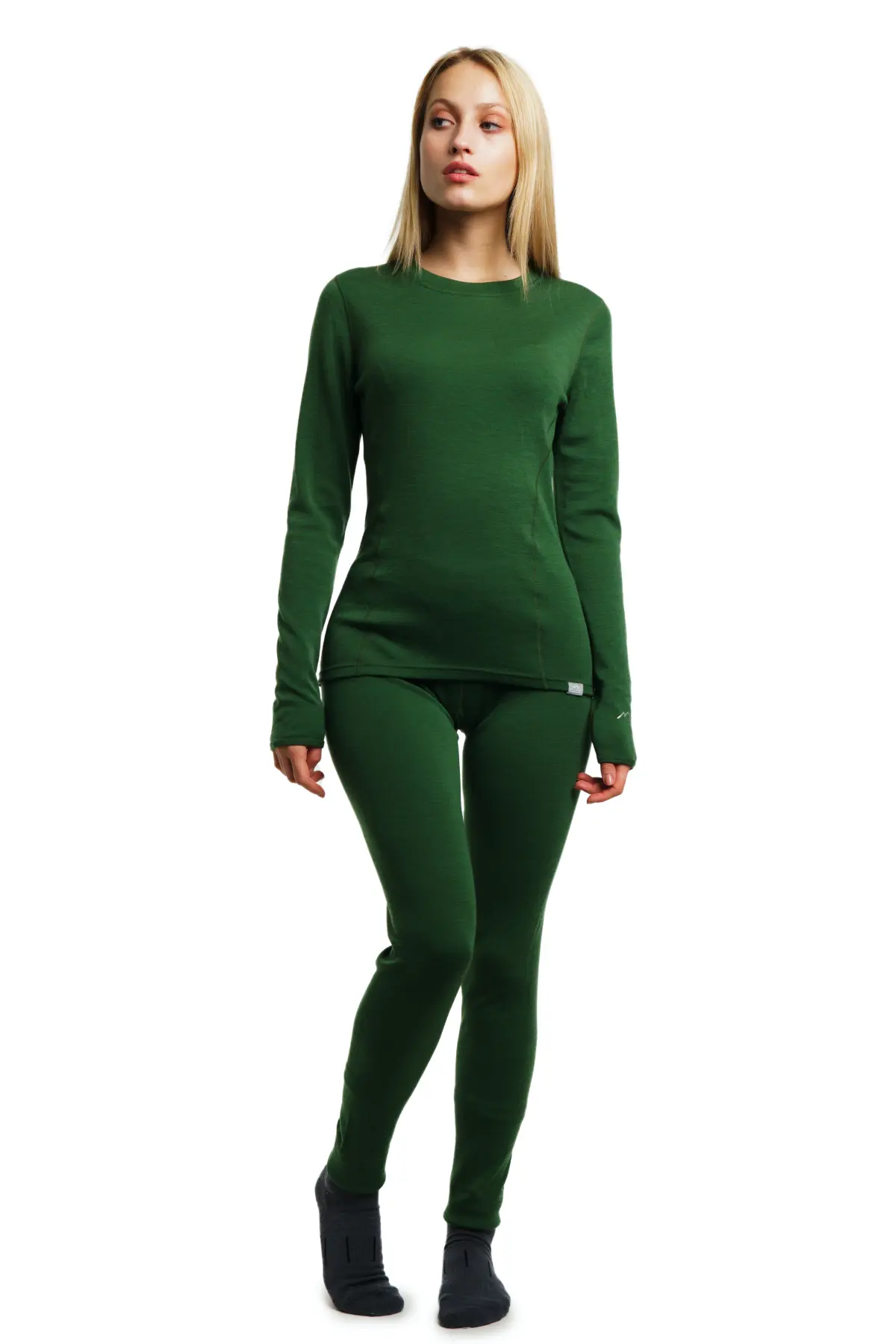
Accessories can be the easier way to test whether you like wool next to skin, but they will not answer questions about a full base layer’s cut or care. By contrast, the Women’s Merino Thermal Set 250 Olive bundles more coverage for a colder-weather wardrobe. Bundle convenience is useful if you need coordinated pieces, although it is less flexible if you only need one layer or are unsure about sizing across a set.
Merino Tech’s benefits come with care and evidence limits
A coherent product story has real appeal: wool can help moderate temperature, and odor resistance may make a garment more useful across a trip. Still, claims such as “all-season” do not make a top a substitute for insulation, rain protection or ventilation chosen for the conditions. The brand’s pages also do not establish comparative durability, shrinkage performance or a verified number of wears between washes.
- Check the fabric composition: some products may combine wool with other fibers for stretch or durability.
- Read care guidance: wool often needs gentler handling than standard gym basics, and the exact label instructions should decide.
- Assess fit details: compare the current size chart and garment measurements, not just the model name.
- Match the weight to the activity: a heavier base layer can feel excessive in warm conditions or high-output exercise.
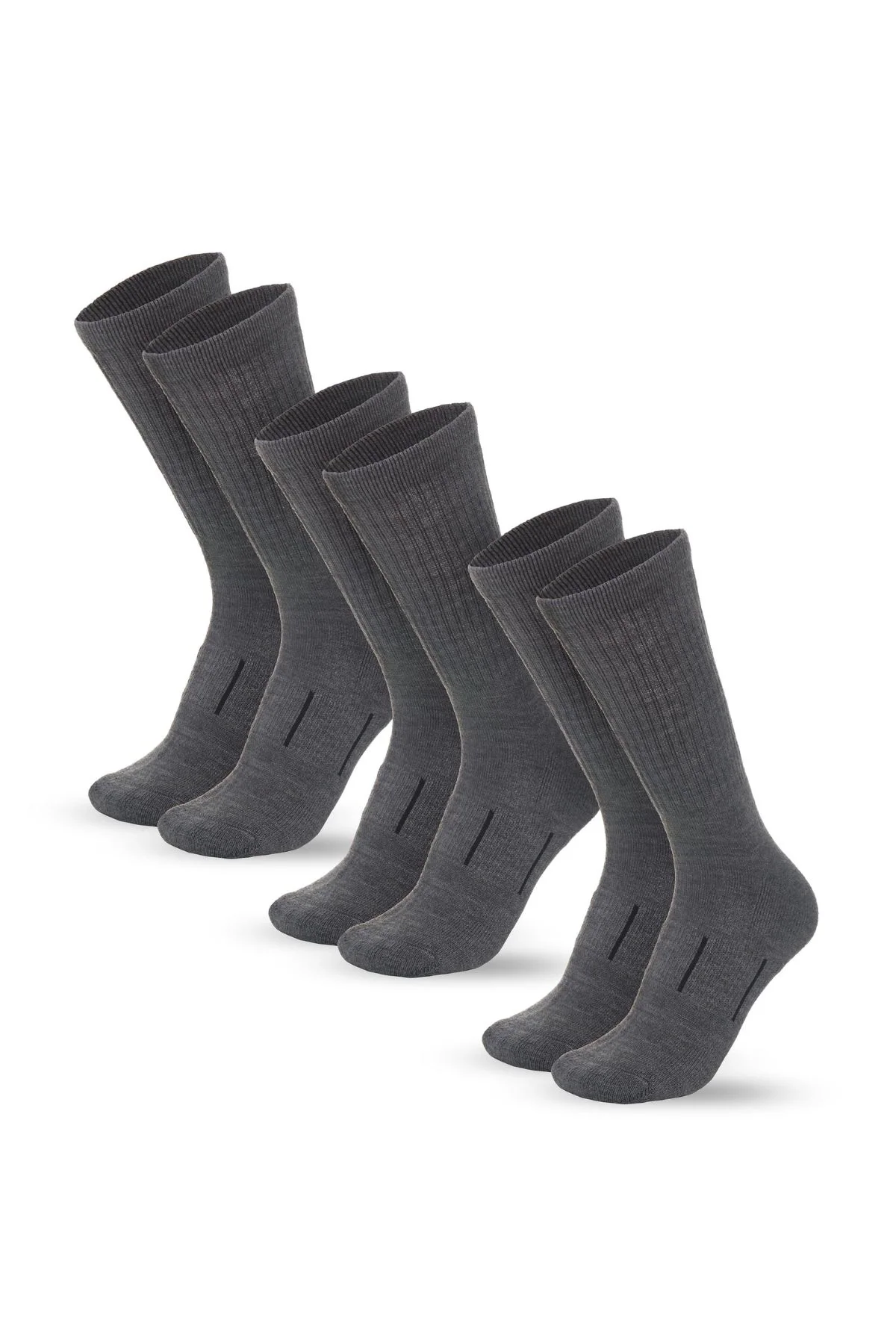
Readers focused on feet can compare the current Dark Grey hiking sock listing alongside the apparel. The hiking sock listing offers one concrete example of blended construction: it identifies 51% merino wool, plus polyester, nylon and spandex, with reinforced heel and toe areas and a seamless toe. The Merino Wool Hiking Socks – Pack of 3 Dark Grey is consequently a more specific hiking option than a generic wool sock, though its durability claims remain the brand’s own description.
The range suits wool-focused wardrobes more than bargain basics
Merino Tech is most relevant to shoppers who value natural-fiber layers, want to pack lighter, or are building a small system across tops and accessories. The product breadth gives those readers several entry points, from a tank to a 250-weight long sleeve and a thermal set. People who prioritize the lowest-cost everyday basics, need extensive third-party performance data, or prefer machine-wash-and-go clothing may find the case less persuasive.
- Best fit: hikers, travelers and outdoor-minded shoppers who already understand layering.
- Possible fit: anyone seeking a breathable wool shirt or compact cold-weather accessory for daily wear.
- Less suited: shoppers who need proven comparative testing, very specific fit assurances or minimal-care garments.
Before deciding, compare the current product description, materials, size chart and care notes for the exact item. The brand positions each piece around comfort and performance, but the important buying decision is still the match between your conditions and the garment’s weight, fit and coverage.
The honest verdict
Our recommendation is measured: Merino Tech has a coherent range for readers who want merino layers across hiking, travel and daily wear, and its weight labels and garment variety make browsing straightforward. The 250 long sleeves are the clearest all-round starting point, while the tank and gaiter cover lighter, more specific needs.
The evidence limitation remains. The main limitation is the evidence available on the store: comfort, odor and performance statements are brand claims rather than independent comparisons, and care and fit deserve attention before choosing. If those trade-offs work for your wardrobe, compare the current options on the United States store and select by use case first.
Merino Tech is a considered option for wool-focused layering, provided you check fit, care and the limits of brand-stated performance claims.