



Compare three distinct Home Fitness Code machines by training style, footprint and the compromises that matter in a home gym.
Choosing home fitness equipment is less about finding one machine that does everything and more about deciding which activity you will repeat. A walking treadmill, a side-to-side stepper and a cable station each invite a different routine, and each asks for a different amount of room and commitment.
We reviewed the United Kingdom product information rather than testing the equipment. Here, we compare the stated features with the practical trade-offs buyers usually weigh: variety, familiarity, storage and whether the machine suits a first purchase or a more settled training space.
Heads-up: we earn a commission from some links in this article. It never changes the price you pay.
The short version: The Folding Treadmill Y5 is the clearest pick for walking and incline-led cardio; the U-Shaped Rock Stepper suits people who want compact, low-impact movement; and the Lat Pulldown & Row Cable Machine is the strength choice for a room that can accommodate a dedicated station. There is no universal winner: choose by the session you most want to make routine.
The three machines solve different training problems
The comparison is between three specific Home Fitness Code options, not three versions of the same machine. The Folding Treadmill Y5 focuses on walking with powered incline. The U-Shaped Rock Stepper uses a lateral rocking movement and includes resistance bands. The Lat Pulldown & Row Cable Machine provides high and low pulley positions for strength exercises. Those differences matter more than a simple feature-count contest.
| Option | Best for | Stated feature | Main trade-off |
|---|---|---|---|
| Folding Treadmill Y5 | Walking cardio | 1-10 km/h; 0%-15% auto incline | Dedicated cardio footprint |
| U-Shaped Rock Stepper | Low-impact movement | Resistance bands and non-slip mat | Less familiar motion |
| Lat Pulldown & Row Cable Machine | Pulley-based strength | High and low pulley station | Needs a settled setup area |
Use the table as a first filter, then check the dimensions, assembly details and current product information on the matching store page. The machine’s headline function is only useful if you have room to use it safely and a plan for fitting it into ordinary days.
The Y5 sets the clearest route into walking cardio
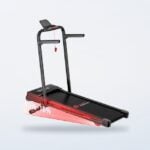
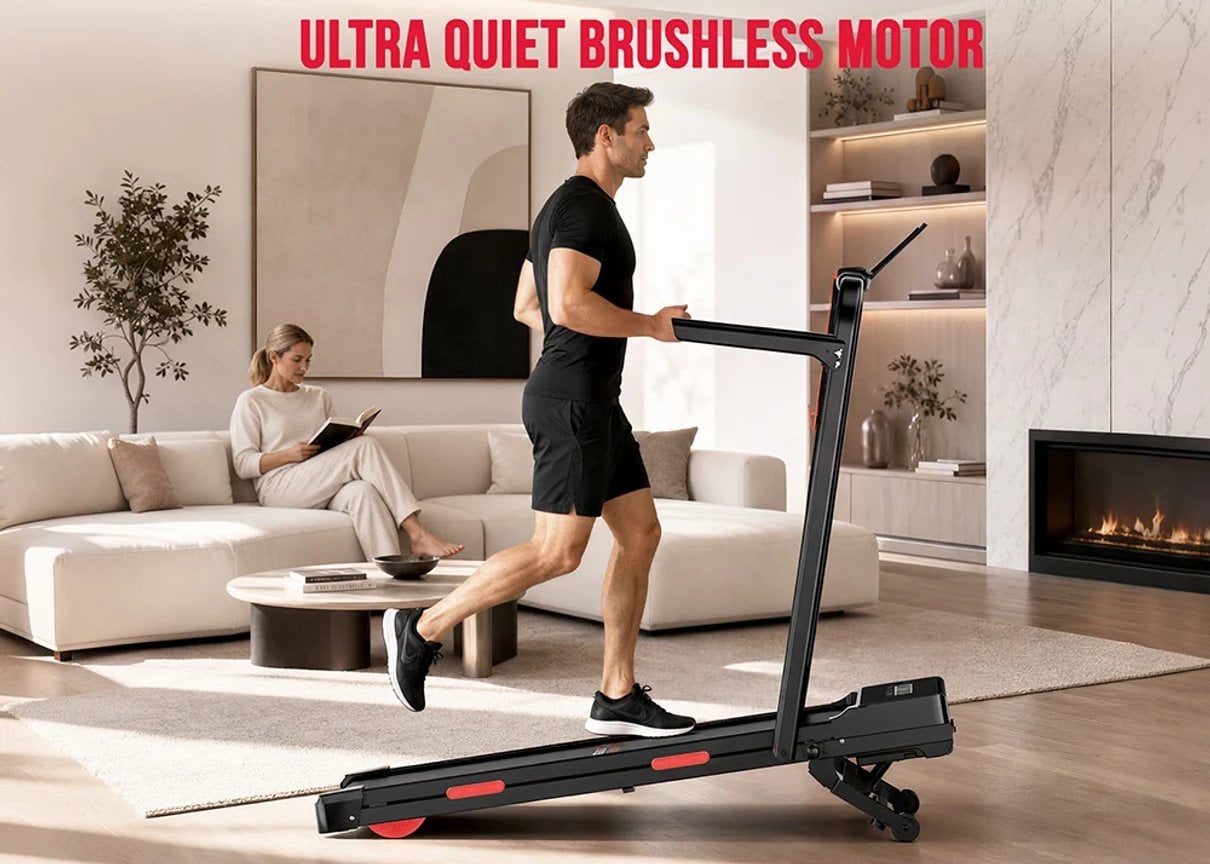
For a buyer whose goal is simply to walk indoors, the Folding Treadmill Y5 is the most immediately legible option. The UK listing states a brushless motor, a speed range from 1 to 10 km/h and automatic incline adjustment from 0% to 15%. Speed and incline provide two ways to vary a walking session without changing the basic activity.
Its advantage over a basic walking pad is the stated automatic incline range, which gives the user a more varied walking profile. It is also a more familiar choice than a lateral stepper for people who already enjoy walking. Yet a treadmill still needs a clear deck area and careful placement; the word folding does not make the footprint disappear when it is open or remove the need to check storage dimensions.
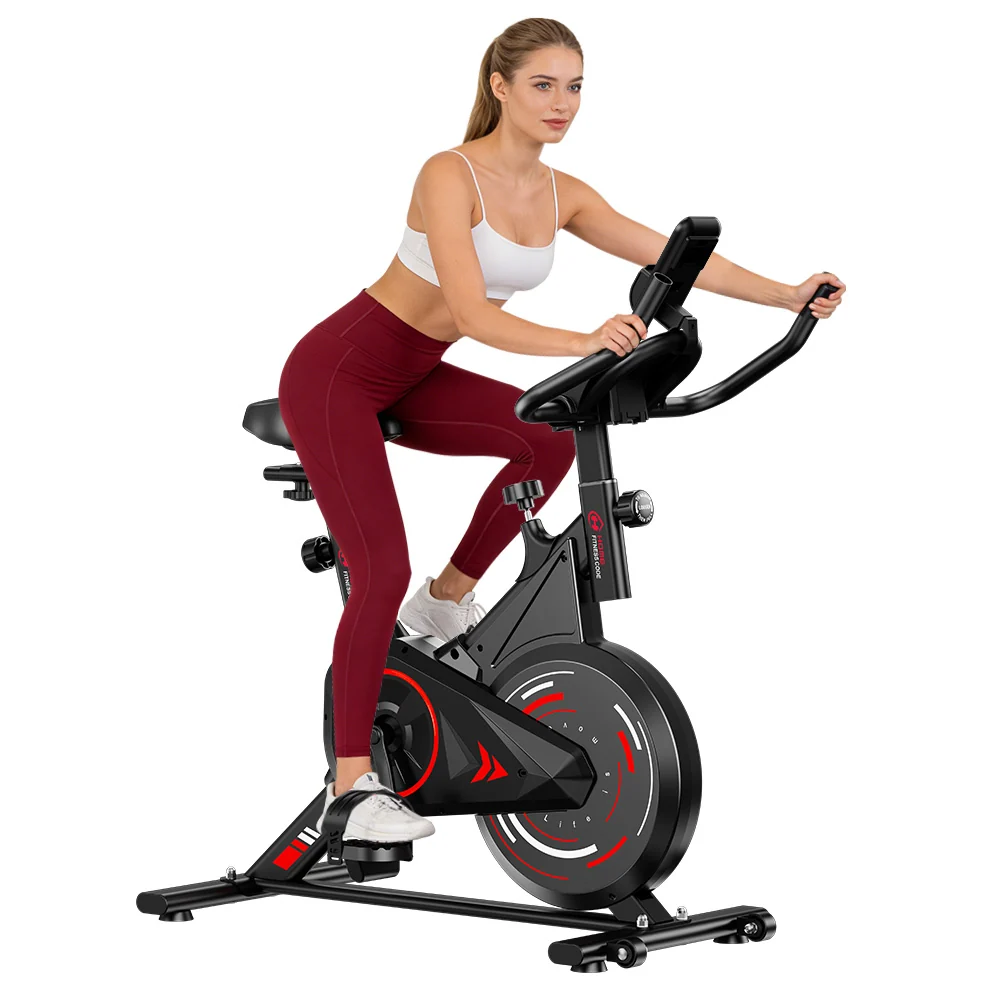
Compared with the store’s Y5 listing, the practical question is whether incline control is useful enough to justify choosing a powered treadmill over a simpler walking pad. If you prefer seated cardio, a conventional exercise bike such as the store’s Stationary Exercise Bike C1 offers a distinct alternative: cycling rather than walking, with adjustable resistance stated on its listing. Neither format is automatically easier to live with; both need a stable location and a routine.
Best for: people who want a familiar walking motion, adjustable pace and incline variation. Limit: buyers with very tight storage or no interest in treadmill-style cardio may find its extra capability irrelevant.
The rock stepper shifts cardio toward lateral motion
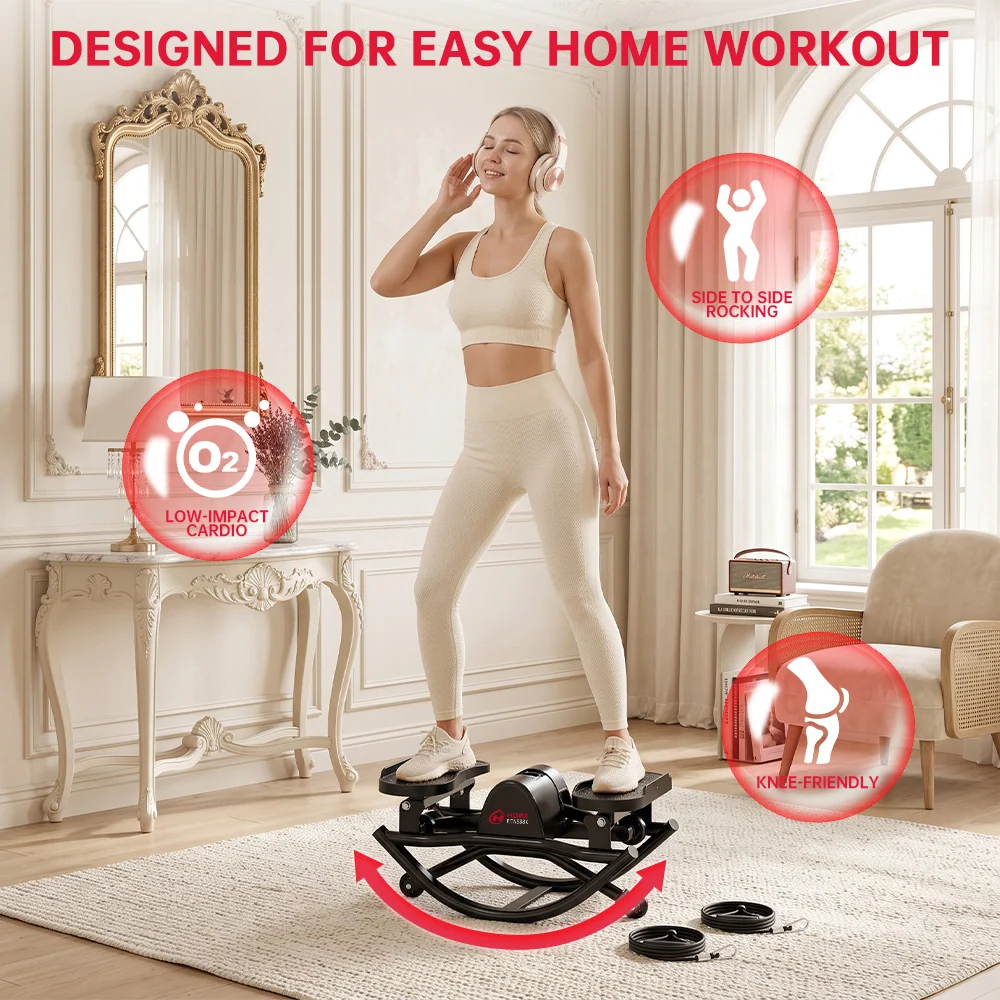
The U-Shaped Rock Stepper is the more compact-feeling alternative in this comparison, although the buyer should verify its actual dimensions and clearance needs. The product name and listing specify a side-to-side rocking action, resistance bands and a non-slip mat. That combination gives it a different role from a treadmill: it offers a short-footprint movement pattern and some upper-body participation through the bands.
This is a useful distinction for people who want low-impact movement in short sessions, especially if repetitive forward walking tends to feel dull. At the same time, a less conventional motion is a preference question. A stepper does not reproduce the pace adjustments or walking feel of the Y5 treadmill, and its bands are not equivalent to a full cable setup. The motion should feel comfortable and controllable before it becomes the centre of a routine.
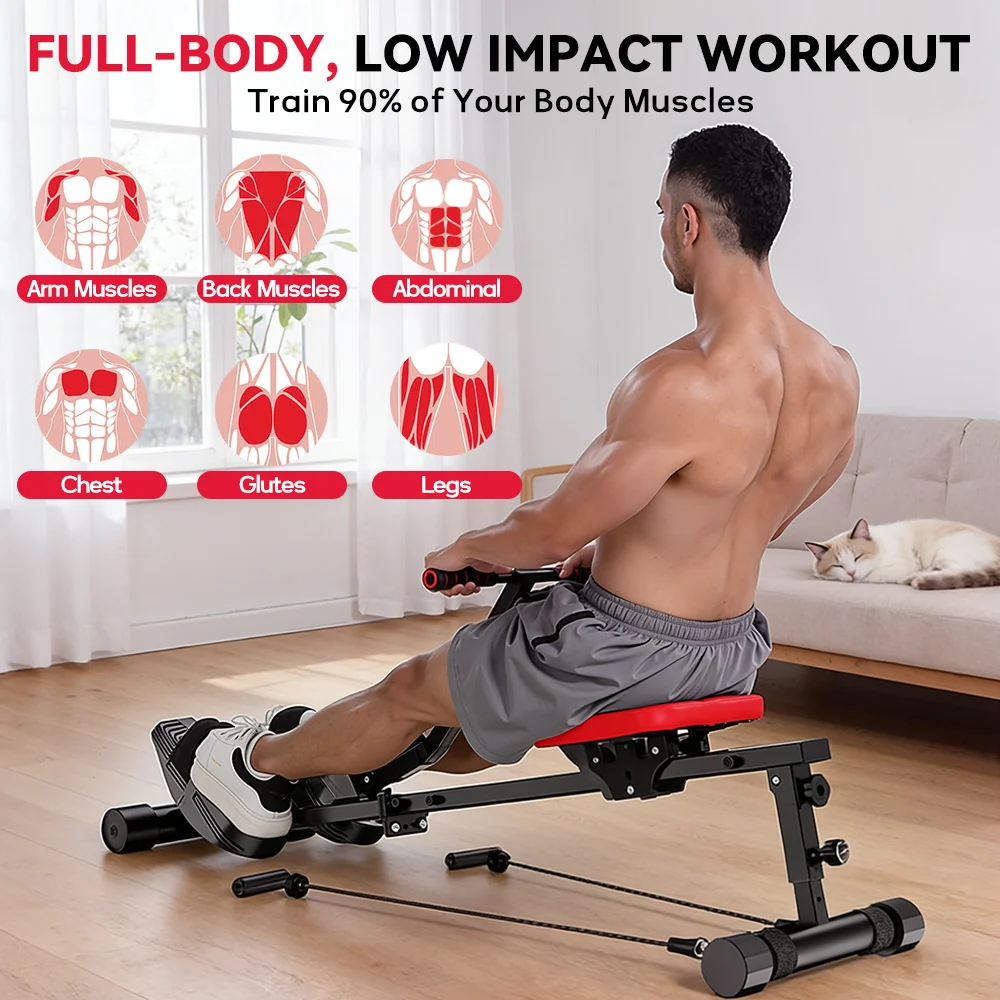
A familiar alternative is the Hydraulic Rowing Machine, which offers a seated pulling rhythm and a different distribution of effort. It may appeal to people who prefer a repetitive stroke rather than a rocking step. For either option, check the product page for how the equipment folds or stores, and leave enough surrounding space for safe movement.
- Choose the stepper if lateral motion and a compact cardio format sound inviting.
- Choose a rower if you prefer seated, repeated pulling movements.
- Choose the treadmill if walking and incline are the features you will use most.
The cable station adds a broader strength menu
The Lat Pulldown & Row Cable Machine differs from both cardio choices because its purpose is resistance training. The UK product listing names high and low pulley stations, which point to a range of pulling exercises rather than one fixed movement. It is the more versatile pick for someone building strength around cable work, provided the user is comfortable learning setup and form.
Versatility comes with a space trade-off. A dedicated pulley station needs a place where the user can move through the exercise, attach or adjust the chosen setup and leave the equipment ready for the next session. This is a less casual purchase than a simple accessory or a pair of adjustable weights. Review the product page dimensions and the room layout before deciding; do not assume the machine can be tucked away as easily as smaller folding equipment.
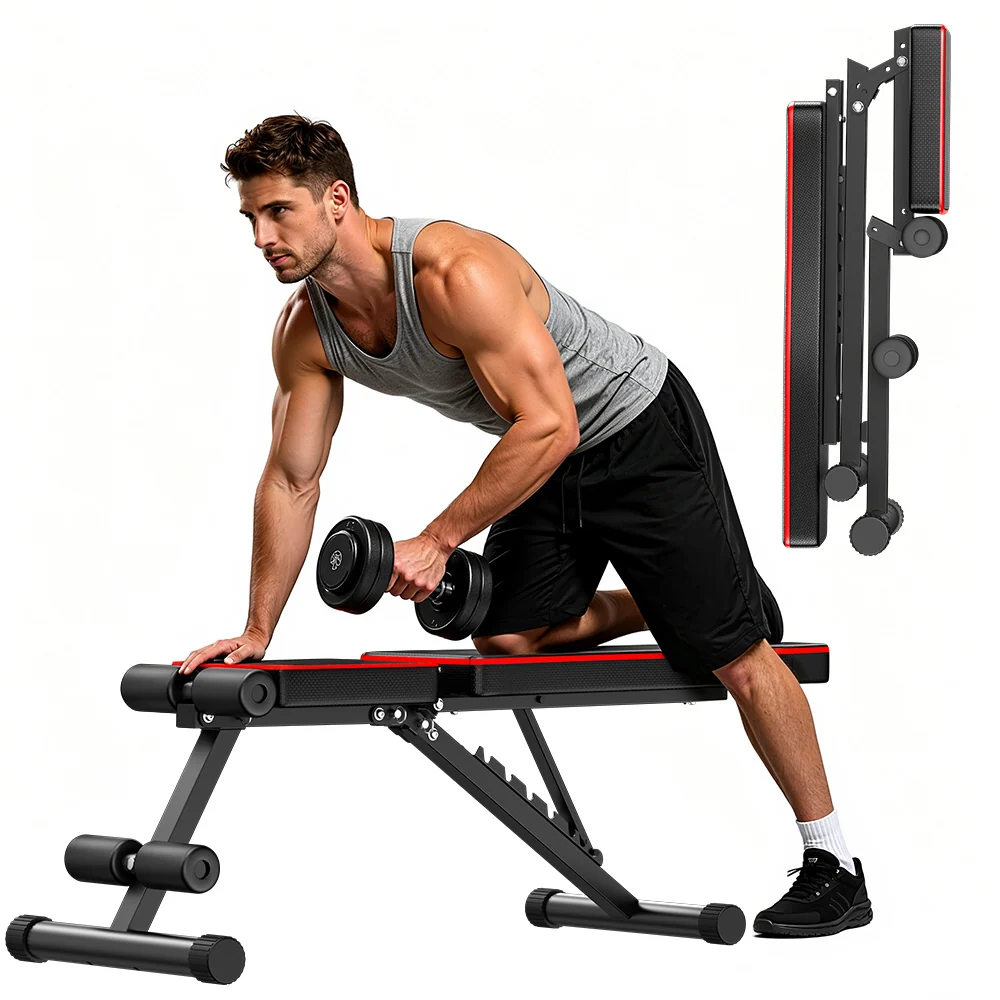
For a less fixed strength setup, a Foldable Workout Bench B1 offers an adjustable backrest and can support a different sort of training when paired with appropriate weights. A bench has less built-in exercise guidance than pulleys, while the cable station occupies a more defined place and makes pulling movements readily available. These are alternatives with different equipment requirements, not direct substitutes.
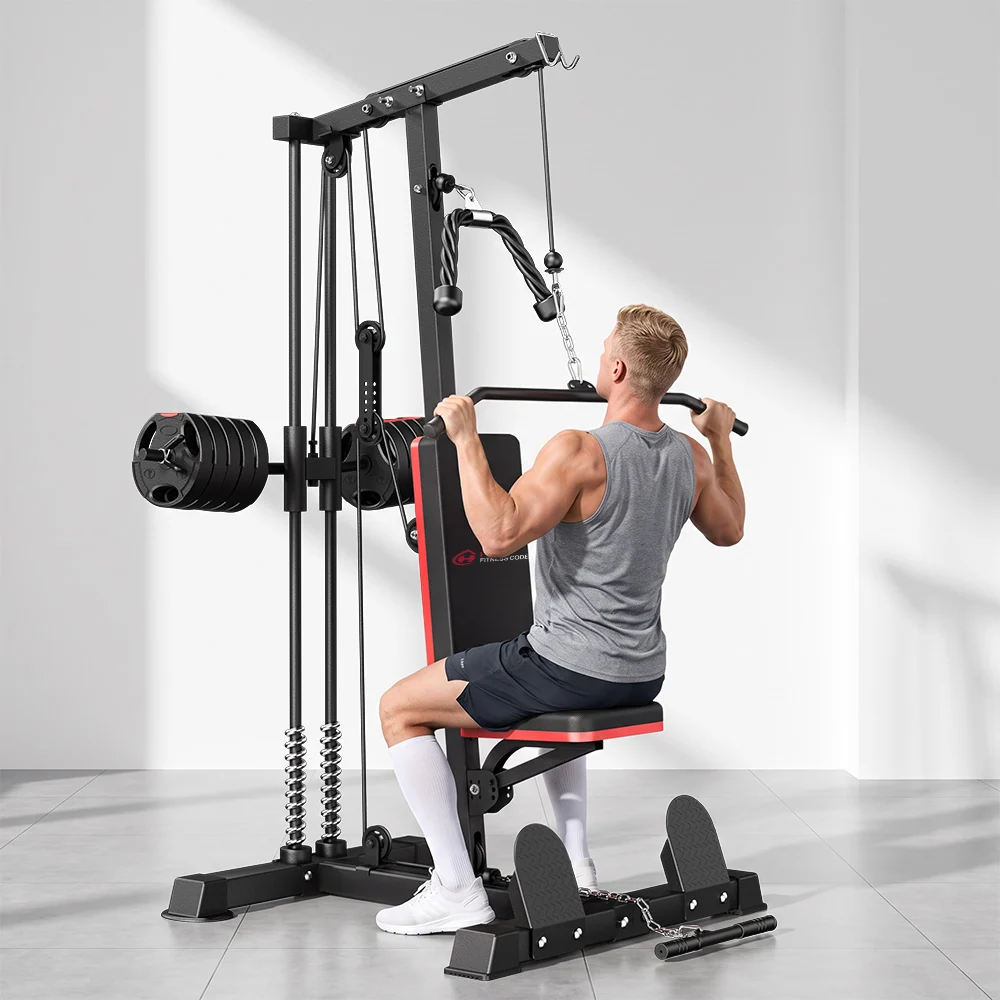
The Home Fitness Code cable station is therefore the strongest match for a buyer with a strength plan already in mind. Beginners should consider whether they know how they would use the pulleys or need instruction. More exercise options can be valuable, but only when they lead to sessions that are safe and repeatable.
Room and repeat use decide the better value
Rather than compare cost using a snapshot that may change, compare what each purchase commits you to: floor area, setup time, movement preference and the rest of your equipment. A larger station may make sense when it replaces several separate strength tools; a compact machine may be the more sensible decision when the available room is shared. The store lists delivery, returns and warranty details on its UK pages, so confirm the current terms alongside the product specifications.
- Measure the equipment footprint and the clearance needed around moving parts.
- Decide whether the machine needs to stay assembled or be folded after each session.
- Match the movement to your actual preference: walking, rocking, rowing or pulley work.
- Check assembly, delivery, return and warranty information before you compare the current price.
There are also typical alternatives outside this three-way choice. A bike or rower can be a better fit for buyers who dislike treadmill walking; resistance bands or free weights can be preferable when storage is the main constraint. Each brings its own learning curve and limitations. A machine earns its place when it lowers the friction to begin a useful session, not merely because a feature list looks broad.
Home Fitness Code covers both cardio and strength categories, but its catalogue variety does not make every model equally suitable for every household. A narrower product can be the better decision when it matches one clear habit. For readers comparing the three featured models, these direct Y5 details, stepper specifications and cable station information help confirm the current size, included components and terms before choosing.
The honest verdict
Our winner by use case is the Folding Treadmill Y5 for straightforward walking cardio, the U-Shaped Rock Stepper for compact low-impact movement, and the Lat Pulldown & Row Cable Machine for a dedicated home strength area. Of these, the treadmill is the easiest recommendation for a broadly familiar routine; the cable station becomes the better choice when strength work is the real priority.
The limitation is that product-page features do not settle questions of comfort, room fit and movement preference. Check measurements and current terms, then pick the machine whose ordinary use sounds most realistic. For most buyers, the best option is the one they can set up safely and return to consistently.
Choose the Y5 for walking, the stepper for compact movement, or the cable station for planned strength work.