


A research-led look at Lit Farms’ strain pages, tier labels and batch documentation can help you decide whether its catalog fits the way you shop.
Shopping for hemp-derived THCA flower online puts a lot of weight on the product page. A strain name can suggest a direction, but it cannot answer every practical question about a specific batch, the shop’s selection tiers or whether the store can ship to your state.
We reviewed the current US storefront and its product information for Lost In Translation, Inc, which operates under the Lit Farms name. The useful question is less whether the catalog sounds appealing and more whether its pages give a shopper enough detail to make a careful, informed choice.
Heads-up: we earn a commission from some links in this article. It never changes the price you pay.
The short version: Lit Farms has a clear cultivar-led catalog, tier choices and batch-linked lab reports, giving detail-oriented adult shoppers several ways to compare listings. The trade-off is that tier labels and state eligibility still require close reading, and a product page cannot substitute for understanding local rules or the limits of hemp-derived products.
- Named cultivar pages give shoppers a concrete comparison point.
- Tier labels and batch reports add details that still need checking.
- State eligibility determines whether the catalog is usable at all.
Lit Farms makes cultivar identity the starting point
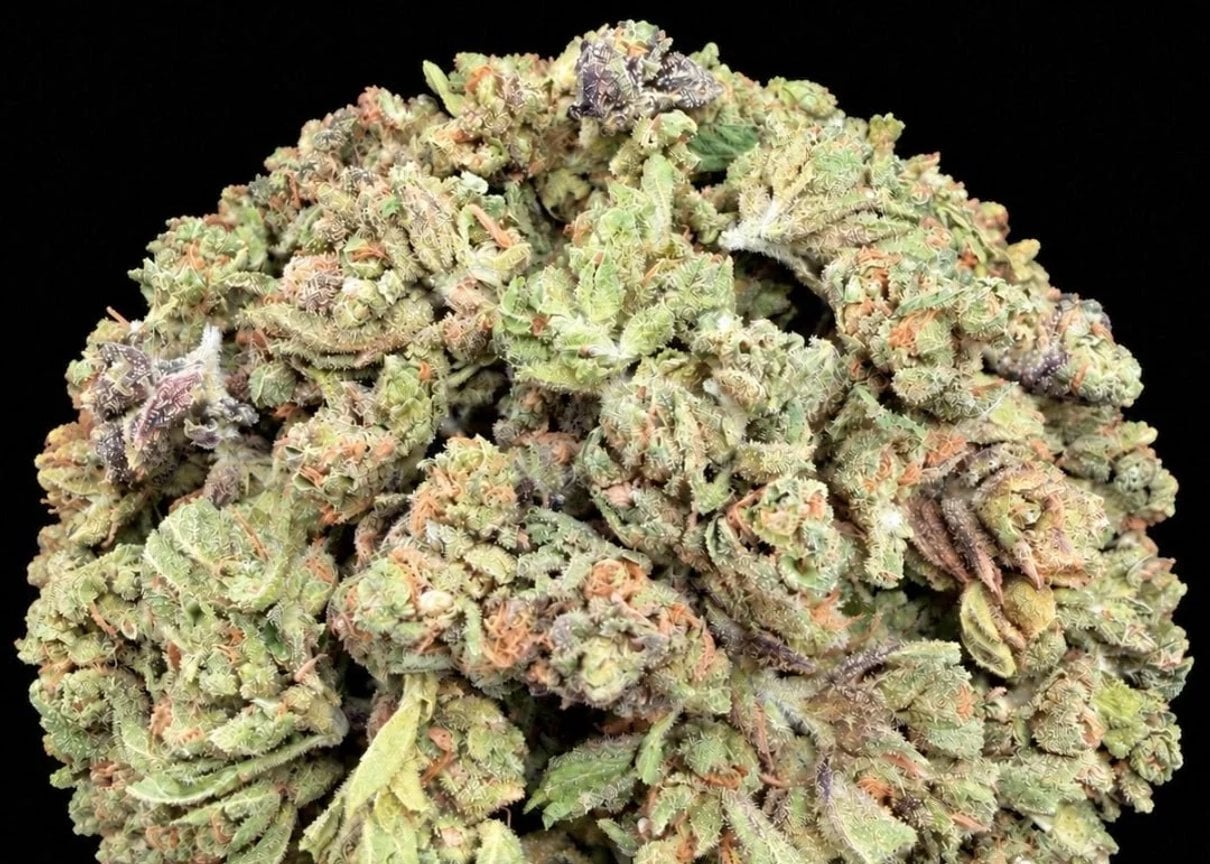
Rather than organizing the visible range only around generic formats, the store presents named flower listings. Blue Andies THCA Flower is one concrete example: the individual page gives a shopper a specific cultivar to assess, instead of asking them to choose from a broad, undifferentiated category. That makes the catalog easier to navigate for people who arrive with a strain name in mind.
The same approach appears in Gas Face THCA Flower and Rocket Fuel THCA Flower. Product-level names create a more useful comparison starting point than a page that merely says “flower.” Readers can inspect each listing’s own description and supporting information; a name by itself, however, is not evidence of a predictable experience or a guarantee that two batches will be identical.
That distinction matters in a category where descriptive language can easily outrun what a buyer can verify from a screen. Lit Farms’ strength is the ability to browse by specific offering and then evaluate the page details. Its limit is familiar to online shopping: pictures and cultivar copy do not let a shopper independently assess aroma, freshness, handling or how a batch will suit them.
Three listings show the value and limits of profile browsing
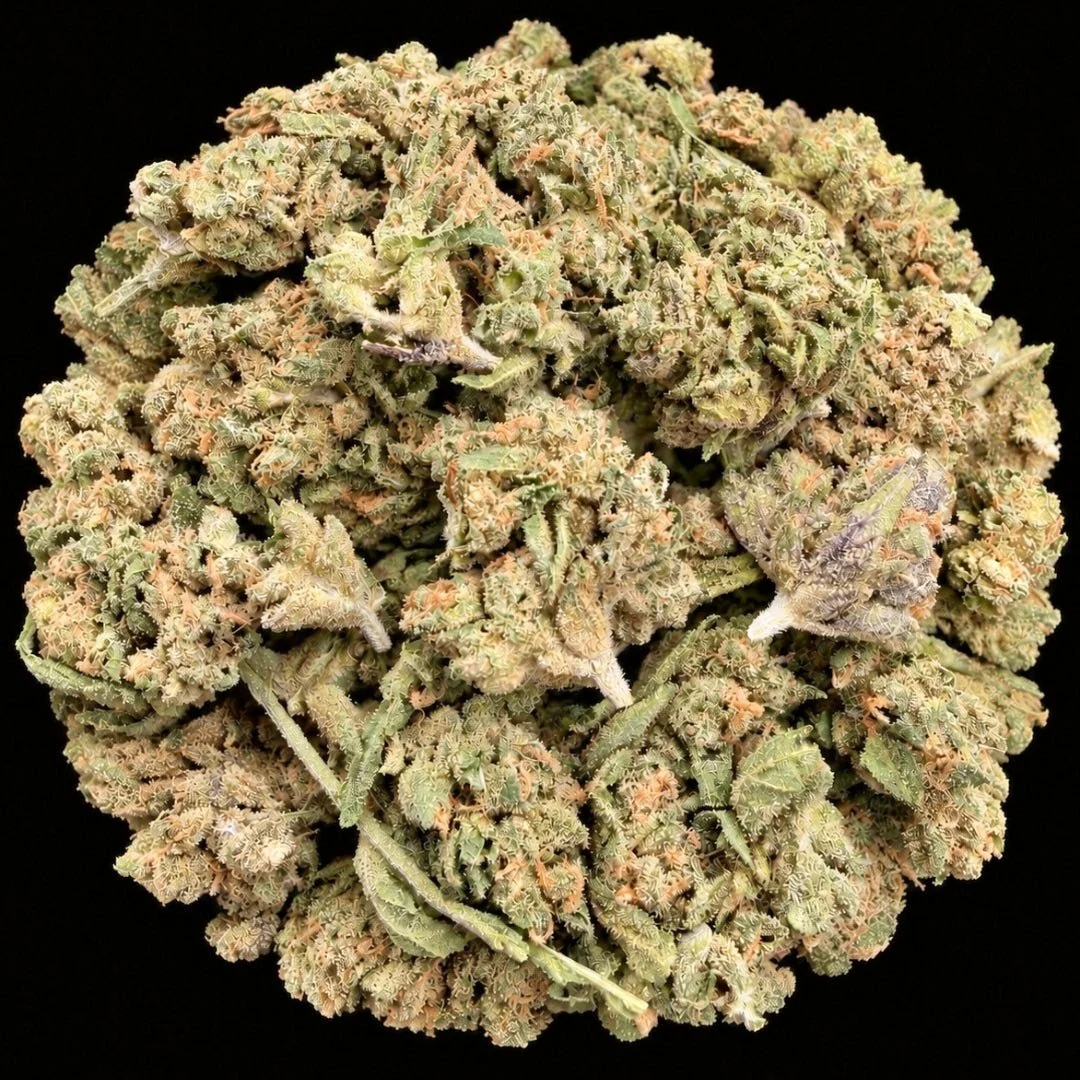
Comparing a few real product pages is a good way to see how the shopping model works. Start with Blue Andies THCA Flower, then use Gas Face THCA Flower as another named option. The point is not to assume one is superior, but to compare what each live page actually says and whether its current batch information is available.
Rocket Fuel THCA Flower adds a third page to that exercise. A careful comparison should separate the store’s profile language from verifiable batch facts. When descriptions use aroma or flavor notes, treat them as the brand’s characterization. A linked lab report can add measurable information about the tested sample, but it does not establish every quality a shopper might care about.
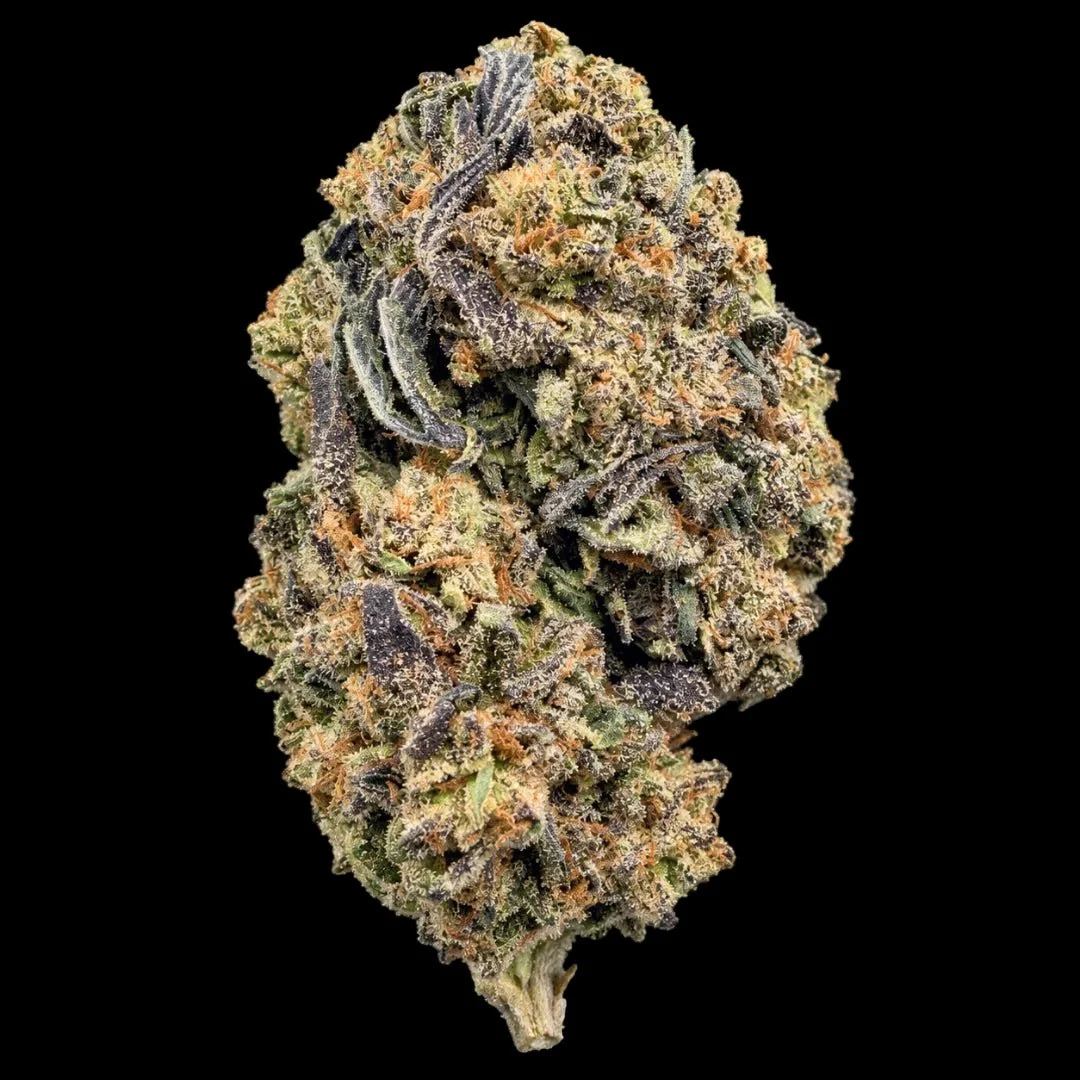
- Read the product description as the store’s account of that cultivar.
- Check that the COA corresponds to the batch or listing being considered.
- Review the state restrictions and current availability before making a decision.
This is a practical strength for shoppers comfortable doing a little comparison work: the store offers named pages rather than forcing a single default choice. It is less helpful for someone who expects a page title to function as a full recommendation. Product names do not tell you whether the cannabinoid profile is right for your needs, and individual responses vary. If you are uncertain about legal status, health effects or interactions, pause and consult an appropriate qualified source before considering a hemp-derived product.
The catalog also changes over time. A page you can inspect now may later be unavailable, while a replacement batch may have different lab documentation. Reopen the Blue Andies listing or the Gas Face listing when you are ready to check details, rather than relying on a saved description or an old screenshot.
The tier labels add selection detail, not certainty
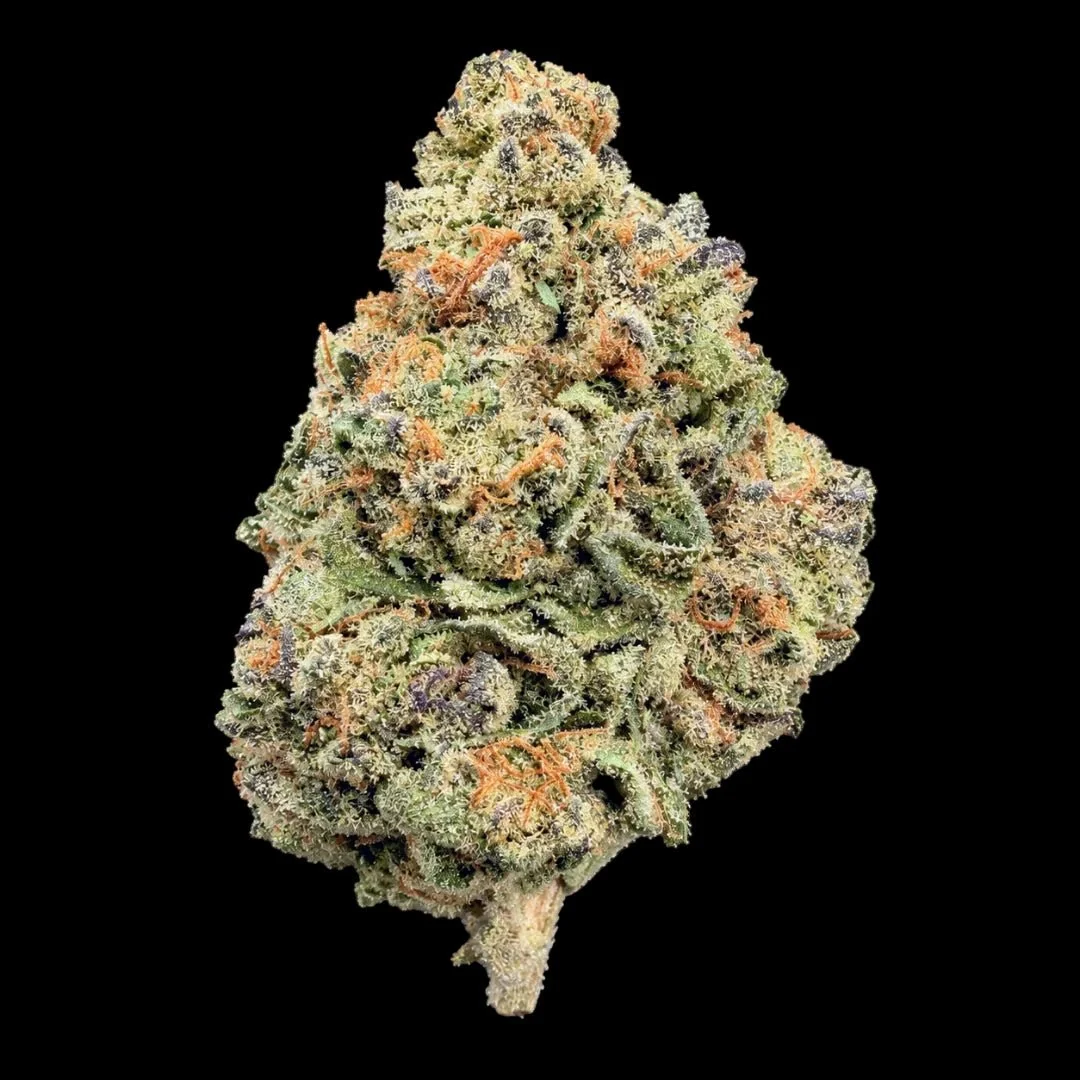
Lit Farms presents Essential, Preferred and Supreme as additional selection tiers. That gives a shopper another way to think about the available flower and its presentation, alongside the cultivar name. It may help someone who has already settled on a listing but wants to see what selection options the store currently shows.
The tier system is not a replacement for reading the actual product page. A label alone may not answer the questions that matter most to an individual buyer: what specific selection is available, what quantity or format applies, and which COA is associated with it. Details can vary by listing and availability, so inspect the options directly on Blue Andies and Rocket Fuel instead of inferring an exact grade or outcome from the tier name.
For an informed buyer, the tier approach is useful as a browsing lens, not as a universal quality scale. Before choosing, check what the site says the tier changes for that product, compare the available selection, and see whether the listing’s current documentation matches your expectations. Where the explanation feels incomplete, that is a reason to seek clarification or choose only when you have enough information.
Batch COAs make the product pages more useful
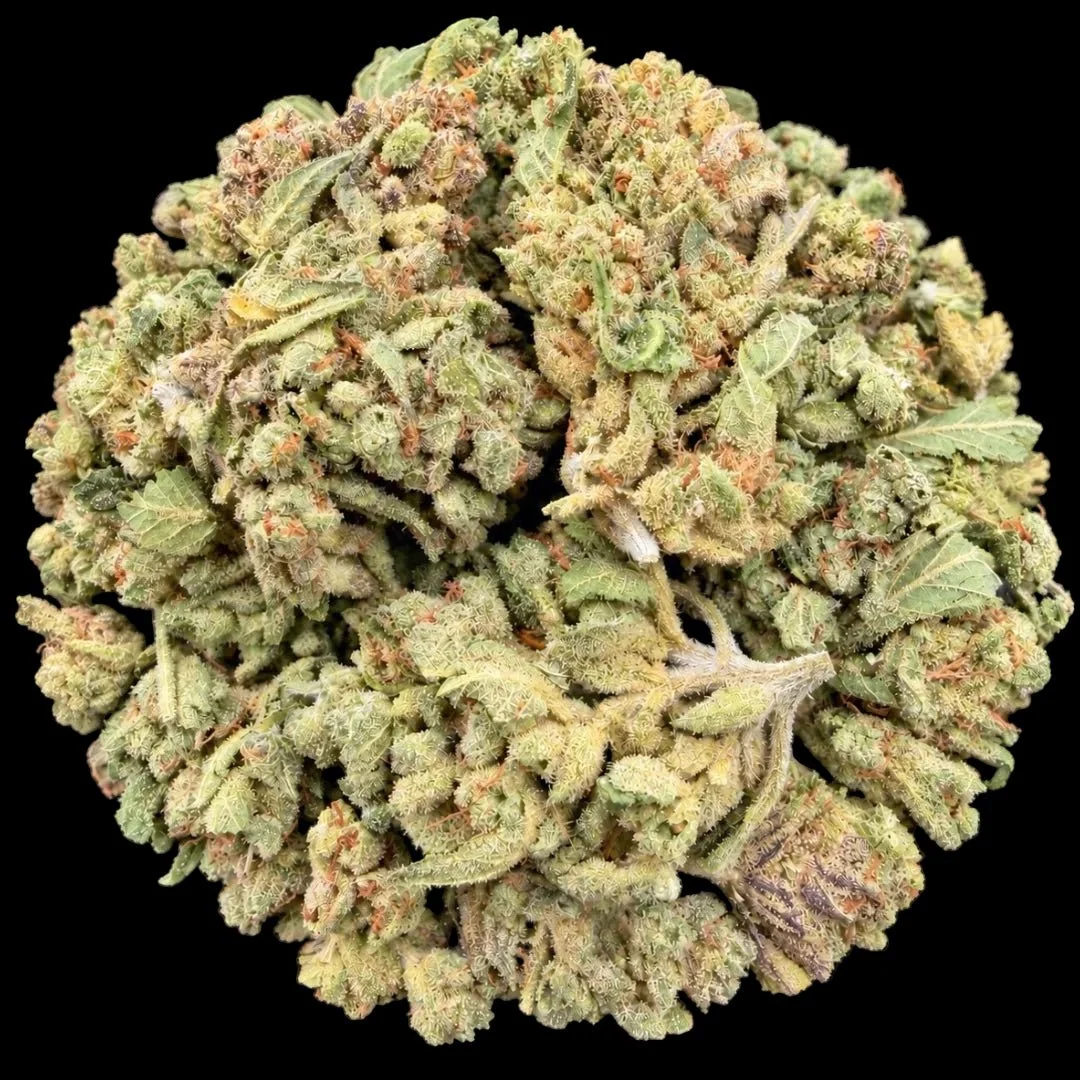
One of the stronger features described in the store research is the presence of batch-specific third-party certificates of analysis. The listed reports cover categories including cannabinoids, terpenes, residual solvents, pesticides and heavy metals. For a buyer, this is more actionable than relying on strain copy alone: it offers information tied to testing, provided the report is accessible and clearly associated with the product or batch on offer.
Use the COA as a document to read, not a blanket endorsement. Confirm the sample or batch reference, the lab and report date, and the categories actually tested. A report has a defined scope; it cannot tell you everything about storage, freshness, handling or your individual response. If Gas Face or Rocket Fuel is under consideration, follow the report linked from that live page and verify it matches the current offering.
This documentation feature is a meaningful positive for readers who want more than marketing language. The limitation is that a link is only valuable if a shopper can interpret it and connect it to the item being sold. A COA does not establish that a product is safe for every person, lawful in every jurisdiction, or suitable for a particular use.
State eligibility is the main practical constraint
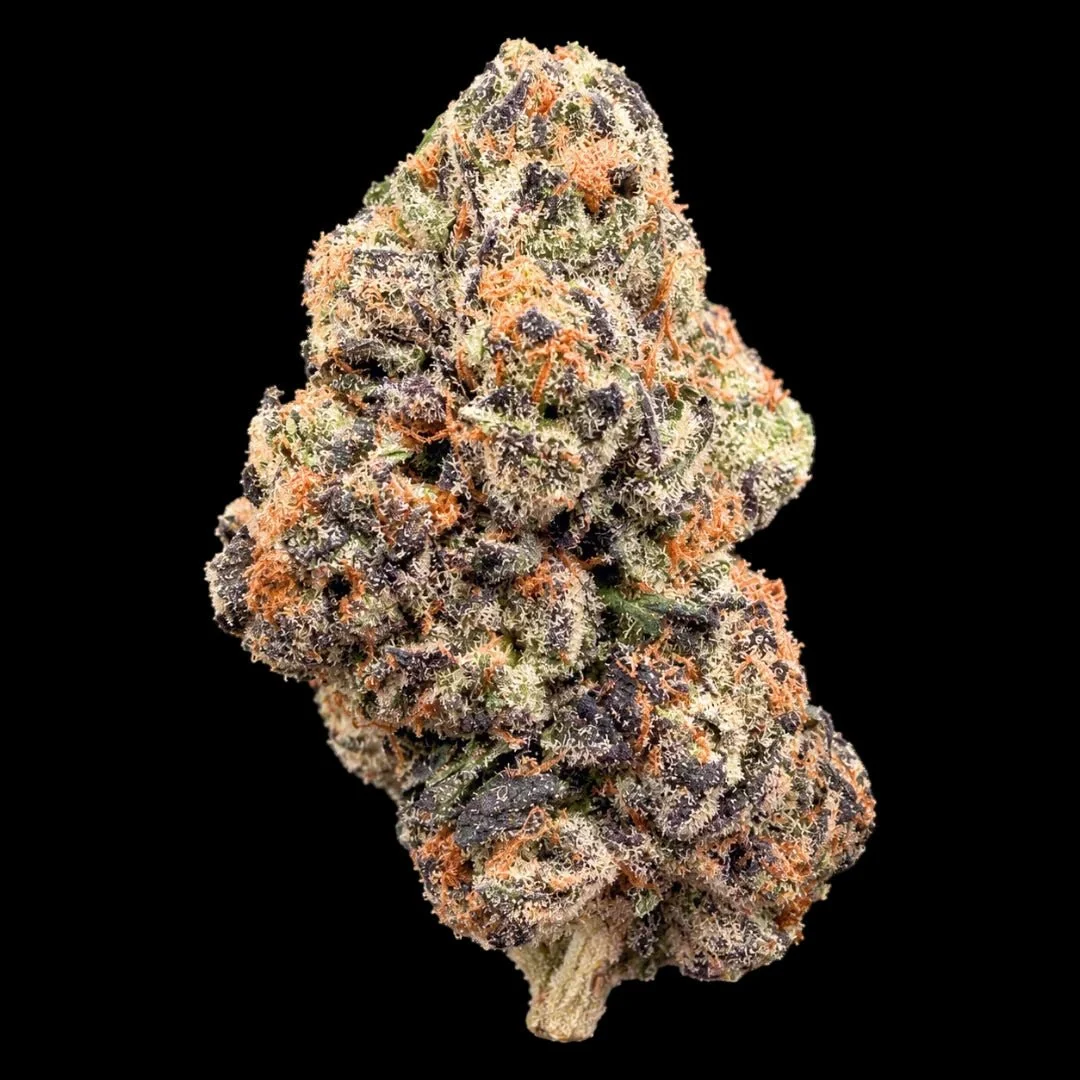
Even a clear product page is not enough if the store cannot serve the reader’s location. Lit Farms applies state shipping restrictions and an age eligibility requirement of 21+, according to the cached storefront information. Check the current policy and checkout eligibility before investing time in comparing a particular item. Rules can differ by location and can change, so the store’s shipping screen is not a substitute for understanding local requirements.
That makes the store a better fit for adults who are comfortable checking eligibility and reading product details than for shoppers looking for a frictionless, one-click recommendation. Start by checking whether your destination is eligible, then inspect the current batch report and the specific tier options on the Blue Andies page, Gas Face page or Rocket Fuel page. Availability and current price are best confirmed on the live store page.
- Confirm that your state is eligible for shipping.
- Check the live product page for current stock and selection details.
- Read the report linked to the current product batch.
- Consider applicable legal and health questions before purchase.
Those checks are not unique to Lit Farms, but they shape whether its strengths are useful to you. If you want named offerings, the option to compare selection tiers and linked testing information, the catalog provides a coherent research path. If you need certainty about local legality or medical suitability from a retailer’s page, it cannot provide that answer.
The honest verdict
Our review of the store’s product information finds a genuine strength in the combination of specific cultivar listings and batch-linked COAs. Blue Andies, Gas Face and Rocket Fuel show how the catalog gives readers concrete pages to compare, while the tier labels add another selection dimension. That is a useful structure for an adult shopper willing to read descriptions, confirm the report and check eligibility.
The limitation is that none of these signals settles every question: tier names need product-level explanation, lab reports have a defined scope, stock changes, and state rules can prevent an order. We recommend Lit Farms for informed shoppers who value cultivar-specific browsing and documentation, provided they verify those live details first. Readers seeking a simple universal recommendation or answers to health and legal questions should look beyond the product page before deciding.
Lit Farms is worth considering for detail-oriented adults who will check the batch report, tier options and state eligibility before choosing.