




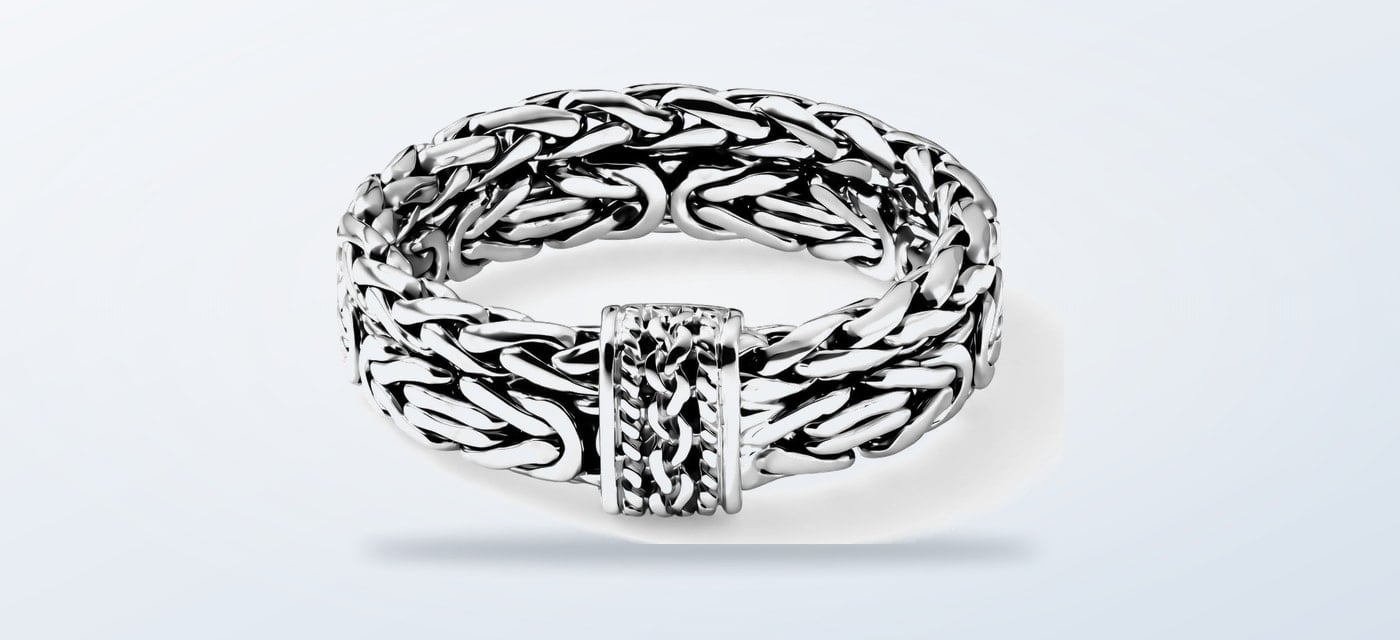
A research-led look at the materials, product detail and range variety that make The Jewellery Channel useful for some jewellery shoppers, with the checks others should make before choosing.
Choosing jewellery online often begins with a material or a colour in mind, then quickly turns into a question of fit, finish and what the listing actually tells you. The Jewellery Channel combines a broad online catalogue with live TV shopping, so there are several ways to browse its selection.
We reviewed the UK store’s published range and product information. The question is whether its variety and listing details help buyers narrow the choice. The catalogue breadth is a strength when shoppers have time to compare.
Heads-up: we earn a commission from some links in this article. It never changes the price you pay.
The short version: The Jewellery Channel is strongest for shoppers who like comparing gemstones, pearls and metal finishes across a broad catalogue. Its product pages make material and design distinctions visible, but buyers who need extensive independent grading or verification should check the individual listing carefully before deciding.
- Material variety is the strongest reason to browse.
- Product detail supports a more careful shortlist.
- Some buyers will need to verify additional information.
The Jewellery Channel gives material choice real breadth
The clearest strength is the range of material choices and the number of directions in which a shopper can browse. The UK store spans gemstone jewellery, pearl designs and metal finishes, with lifestyle goods elsewhere in the catalogue. Live TV shopping sits alongside the online range, offering another way to encounter pieces and hear them described. That combination suits browsers with a general idea who want to compare several styles before settling.
That breadth is most meaningful when a product page names the material and construction. A multicolour bead necklace, a freshwater pearl strand and shell pearls may all read as “statement necklaces” in a quick scroll, yet they make different promises in appearance and material. Browse the necklace range to compare those distinctions. Product-level detail gives a buyer a starting point to compare what the store is actually offering. Browse The Jewellery Channel’s jewellery selection with a specific material or use in mind, then use the product pages to narrow the field.
For a considered browse, we would start with a short list of criteria rather than the store’s merchandising language. The following checks make the catalogue easier to evaluate. A quick review is enough to surface a mismatch:
- Material first: distinguish freshwater pearls from shell pearls and gemstone beads.
- Fit next: check the listed length and whether an extender or a stated clasp is included.
- Finish matters: note whether a metal is solid, plated or described by a tone.
- Evidence last: look for the specific product details that support the description, not just the collection label.
These are practical filters, though listings do not all offer the same depth. The catalogue’s breadth rewards careful comparison; it can also make a quick, impression-led choice less reliable. Compare available styles against your shortlist.
Necklace listings show why details change the decision
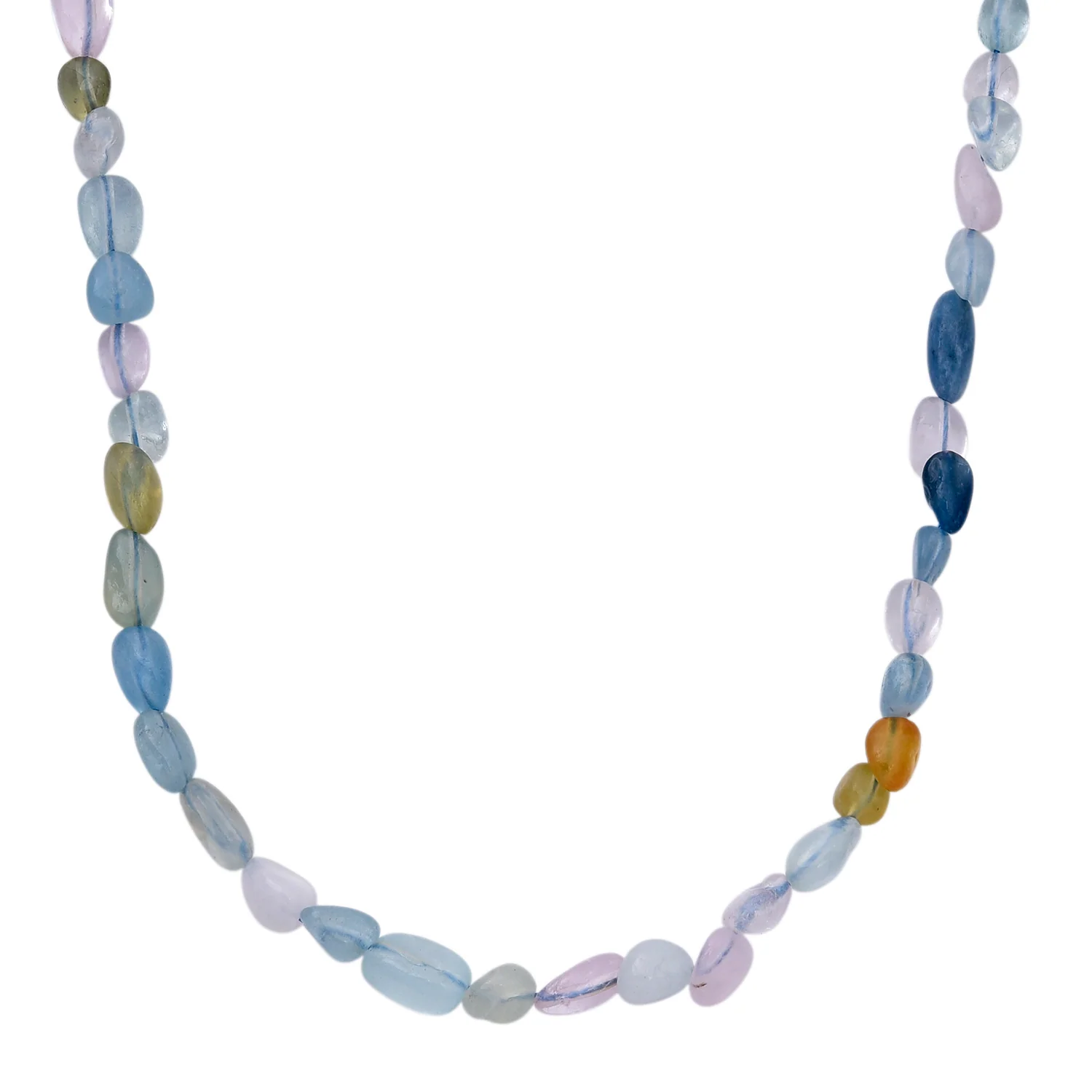
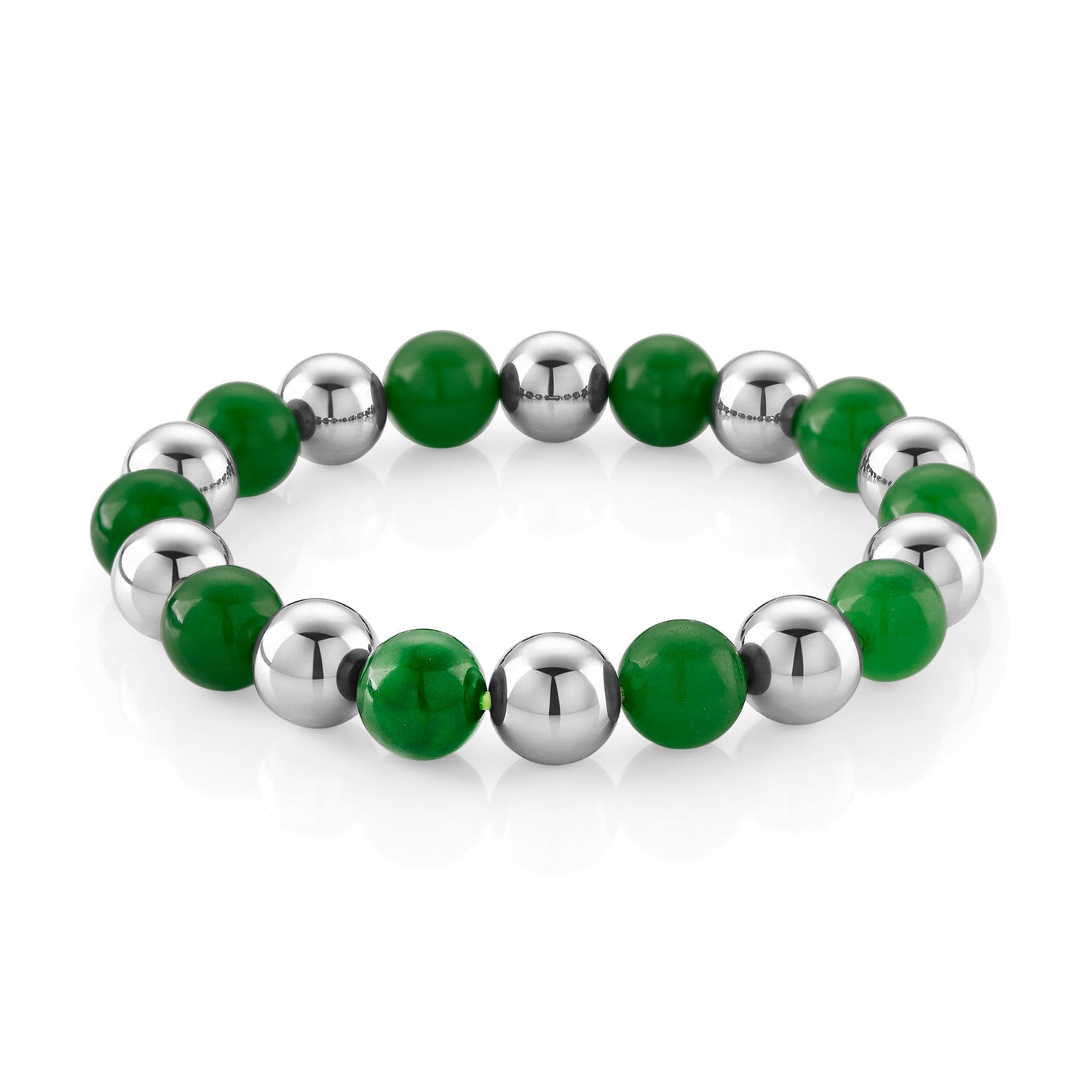
The Multi Beryl Beads Necklace is a good example of a listing with concrete selection cues: the product title identifies beryl beads, a listed 18-inch length with a 2-inch extension, and a 90-carat total. Those details help a buyer understand both the colour-led character of the piece and how its length can be adjusted. They do not, by themselves, answer every question about stone treatment, bead uniformity or how the necklace will sit on a particular person, so the listing remains the right place to check the finer points.
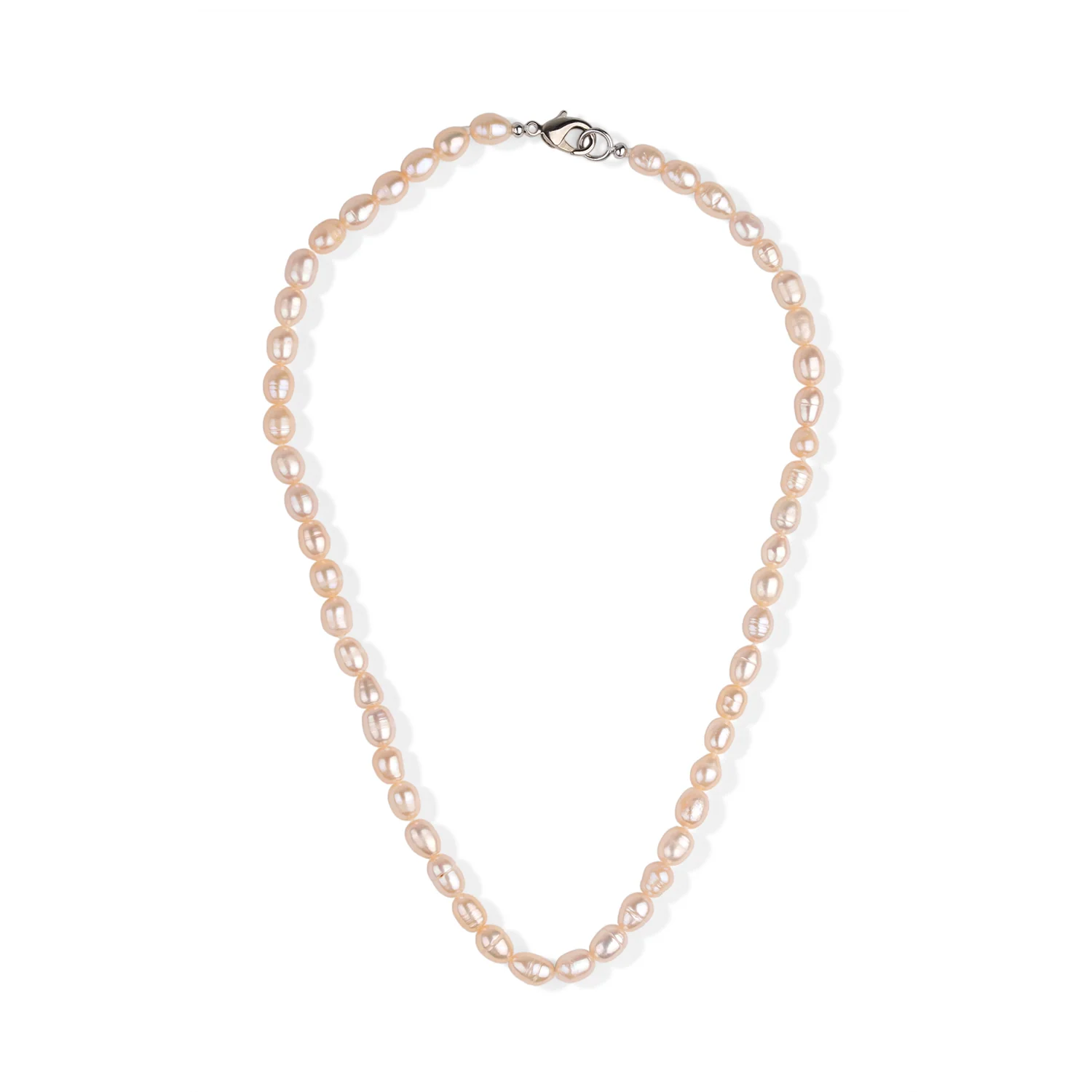
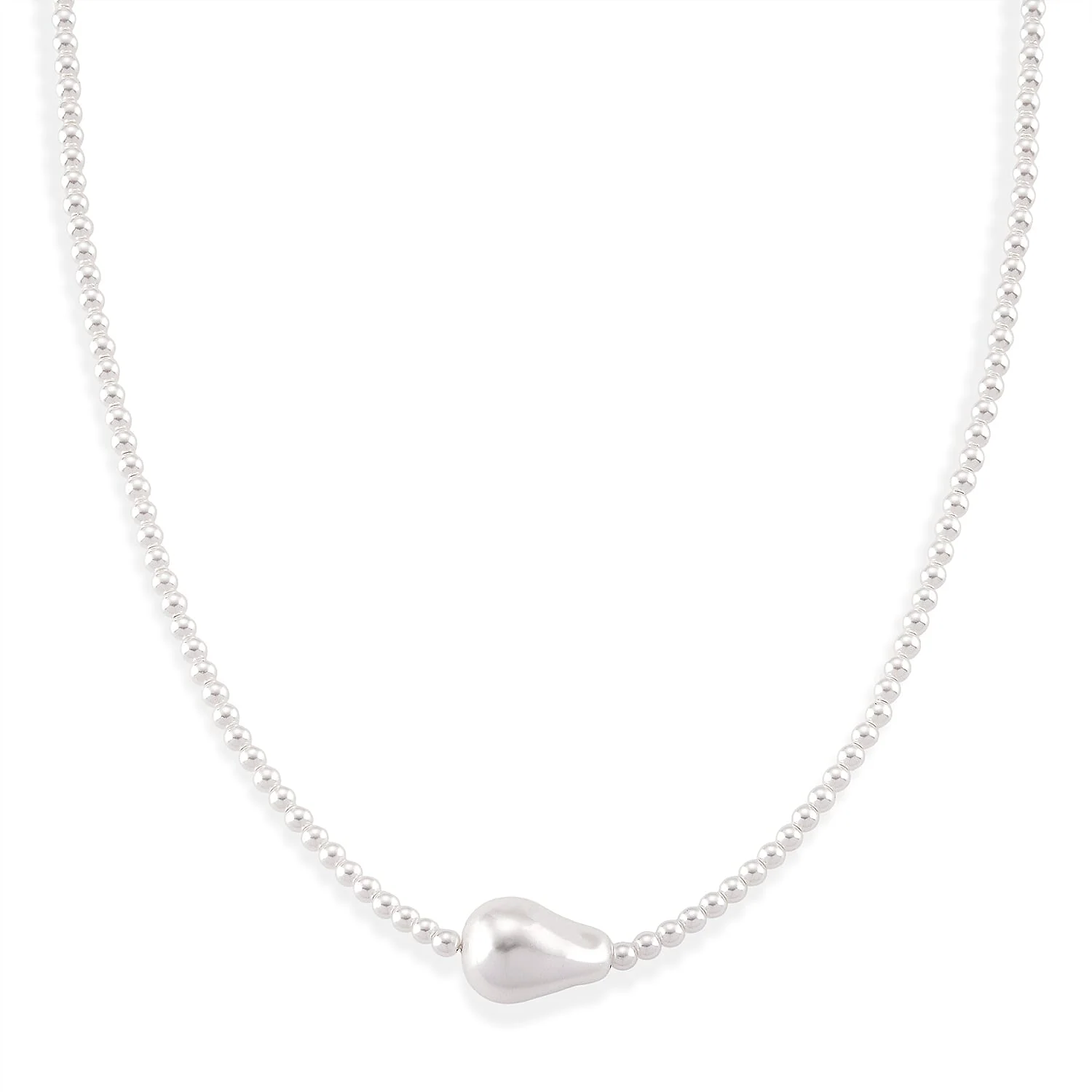
The Peach Freshwater Pearl Necklace makes a different proposition. The store names freshwater pearls, gives a 16-inch length and calls out a lobster clasp. A shopper choosing a pearl strand can use those specifics to compare it with a longer or more adjustable design, and the peach colour may suit someone after a warmer accent than classic white. We would still check the listing’s photographs and any further material notes rather than assuming that every pearl strand has the same finish or consistency. Review the pearl listing for its stated details.
A third listing, the White Shell Pearl Beads Necklace, specifies shell pearls and a silver-tone finish, along with a listed 18-inch length and extension. That makes it useful for shoppers who want the look of a pale pearl-style strand and prefer a described finish. The wording also illustrates a key limitation: shell pearl is not the same material category as freshwater pearl, and silver tone describes appearance rather than establishing a solid silver construction. Buyers should keep those distinctions in view when comparing listings. Check the shell pearl page to confirm the finish and dimensions.
Taken together, these examples show the range’s value and its burden. The range offers several material and style pathways, but asks shoppers to read descriptions closely. For people who enjoy that process, it is a useful choice architecture; for a gift shopper who wants one obvious answer with little research, the catalogue can feel like more work.
The ring range adds a different material question
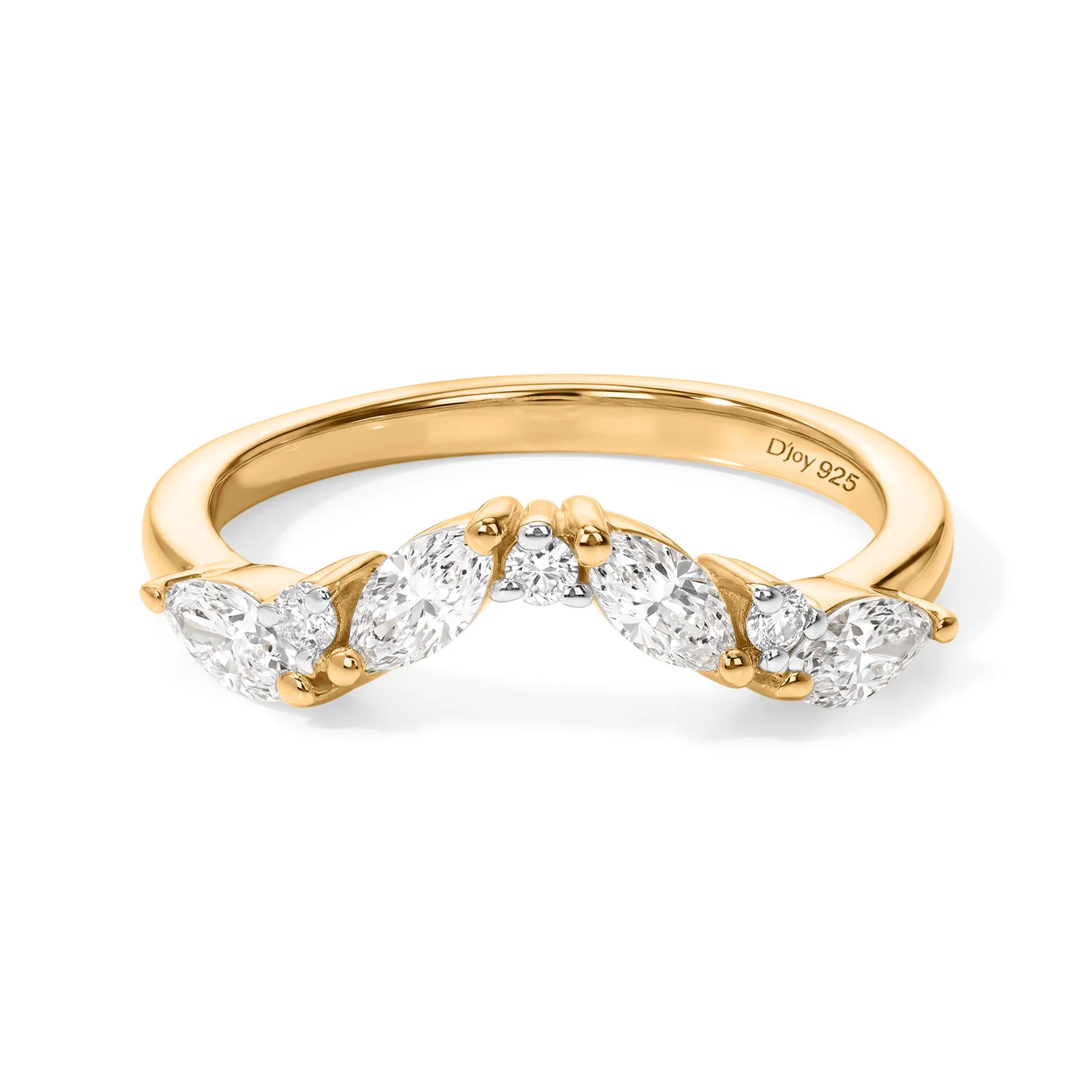
The D’Joy Moissanite Wishbone Ring broadens the picture beyond necklaces. Its title identifies moissanite and describes the setting as 18K vermeil yellow gold plated sterling silver. The wishbone shape gives it a recognisable profile, while the named stone and base material provide useful comparison points for shoppers considering a ring rather than a strand.
The material wording deserves attention. A gold-plated sterling silver description tells the reader more than a generic “gold tone” label, but it still calls for a careful look at the full product information, including ring sizing and care. We would not infer durability or long-term wear from the title alone. Read the ring’s full listing for current sizing and care information. This is where the store’s stated emphasis on product detail is helpful, while also showing why an editorial review should not turn a listing into a guarantee about how a piece will perform.
There is a straightforward way to compare this kind of product without getting pulled into broad claims. Check the stated stone, the metal beneath any plating, the sizing information, and whether care guidance is available. If any of those facts matter to your decision and are not clear on the page, pause and seek clarification from the retailer. Review the current ring and jewellery listings with those questions in mind.
- Confirm whether the listed metal is a base metal, sterling silver or another material.
- Separate a named gemstone from general colour or appearance language.
- For rings, verify the available size and the store’s sizing guidance.
- Read care and return information before choosing a piece as a gift.
This approach fits the brand’s strongest feature: the catalogue provides enough named variation to compare. The weaker point is that variety itself does not replace independent documentation. Shoppers seeking detailed grading evidence for every stone or a very narrow, tightly curated edit may find they need more information than the product page supplies.
Live shopping complements a catalogue built for browsing
The Jewellery Channel’s live TV format is a meaningful distinction from an online-only jewellery retailer. It can give shoppers another presentation of the range and a more guided route through product stories. Explore the current jewellery range after browsing. The online catalogue, in turn, allows readers to revisit the product details and compare categories at their own pace. Used together, those channels can make discovery easier for someone who is unsure which material or style to start with.
Still, a broadcast description and a written listing serve different purposes. For a considered purchase, the product page should settle concrete questions: what material is named, what dimensions are stated, which finish is described and what the retailer says about delivery and returns. The brand’s UK site includes delivery and returns information, which is a useful part of the decision, especially when buying a gift. Read the store information alongside the product details. Check the collection and the relevant product details before making a final selection.
That division of labour is sensible: use live shopping or broad browsing for ideas, then use the written product details to confirm whether a piece matches the brief. The store is less suited to shoppers seeking a minimalist range with independent certification consistently shown. A wide retail catalogue often asks the shopper to do more sorting, and The Jewellery Channel is no exception.
A careful comparison suits this range best
We see three types of shopper getting the clearest value from the store. First are material-led browsers who are deciding between gemstone beads, freshwater pearls and shell pearls. Second are shoppers who enjoy comparing colour, shape and finish before choosing. Third are people open to discovering a piece through a live presentation, then checking the details online. The strength for all three is choice supported by detail in product-specific descriptions.
The fit is less compelling for buyers who want a highly edited range or who expect all questions about quality and provenance to be answered at a glance. A page title can provide a good first filter, but it cannot substitute for details such as a ring size, care guidance or fuller stone information. Check the product details for the candidate you choose. Compare the styles that match your criteria, and only carry a candidate forward when its description supports what matters to you.
Before selecting any item, we recommend a short final pass through the listing:
- Match the named material to the piece you actually want, especially for pearl and plated-metal terminology.
- Check dimensions, extension or sizing information against how you expect the item to fit.
- Look for care, delivery and returns details that are relevant to your purchase.
- Compare the product photos with the written description and follow up on any material uncertainty.
This process suits shoppers who like researching a purchase. Those who expect a quick recommendation to do the comparison may find the range less convenient. Treat it as a starting point, then check the exact product page.
The honest verdict
The Jewellery Channel earns a positive recommendation for shoppers who want breadth across gemstones, pearls and jewellery finishes, and who are willing to compare product details. The named materials, dimensions and construction notes on individual listings make that comparison more grounded than browsing by appearance alone. Live TV shopping gives the brand an additional discovery route, while the UK site keeps the catalogue and practical store information together.
Its limitation is the same one that comes with a broad catalogue: useful details vary by listing, and a product title cannot establish every point about quality, provenance, fit or care. Our recommendation is to shortlist by material and design, then verify the details on the specific page before choosing. That makes The Jewellery Channel a good fit for deliberate browsers, with more research required from buyers who need fuller independent evidence. View the available jewellery and check each listing.
The Jewellery Channel is worth considering when you want material variety and are prepared to check each product’s details.
For shoppers whose shortlist is ready, the product pages are the place to confirm fit, materials and the store’s practical terms.