



A look at Bravissimo’s fit-led origins, practical design priorities and the products that show how its lingerie and swimwear range works.
Shopping for lingerie can be more complicated when standard size ranges leave few options for support, shape or personal style. Bravissimo built its name around that gap, giving shoppers a specialist destination for bras and related clothing designed with fuller busts in mind.
For a first-time reader, the useful question is not simply whether the brand sells bras. It is how fit influences the collection, what else sits alongside lingerie, and what the product pages can tell you before choosing a size. We reviewed the US store’s brand and product information to map that out.
Heads-up: we earn a commission from some links in this article. It never changes the price you pay.
The short version: Bravissimo is a specialist lingerie retailer whose US range connects bra sizing with everyday bras, sports styles and bra-sized swimwear. Its focus can make a broad set of shapes and support needs easier to browse, while the fit still depends on individual measurements, preferred coverage and current size availability.
Bravissimo grew around a gap in lingerie sizing
The brand says it was founded in 1995 to support women with bigger boobs. Readers curious about the current categories can start with the Bravissimo collection, then follow the designs that match their needs. That origin story explains why its identity is closely tied to fit rather than a single aesthetic: the store brings together a range of shapes, coverage levels and support approaches under one specialist umbrella.
This focus matters because bra sizing is not a simple scale from small to large. Two bras in the same nominal size can feel different because of cup shape, wire width, strap placement, fabric stretch and the cut of the band. Bravissimo’s product assortment gives those differences a visible place in the shopping journey, with descriptions that emphasize construction and intended use.
For shoppers, the practical benefit is more choice within a fit brief. The trade-off is that the specialist premise does not remove the need to check measurements and style details. A product can be made for fuller busts and still not suit every body, outfit or support preference.
Fit shows up in the details of each design
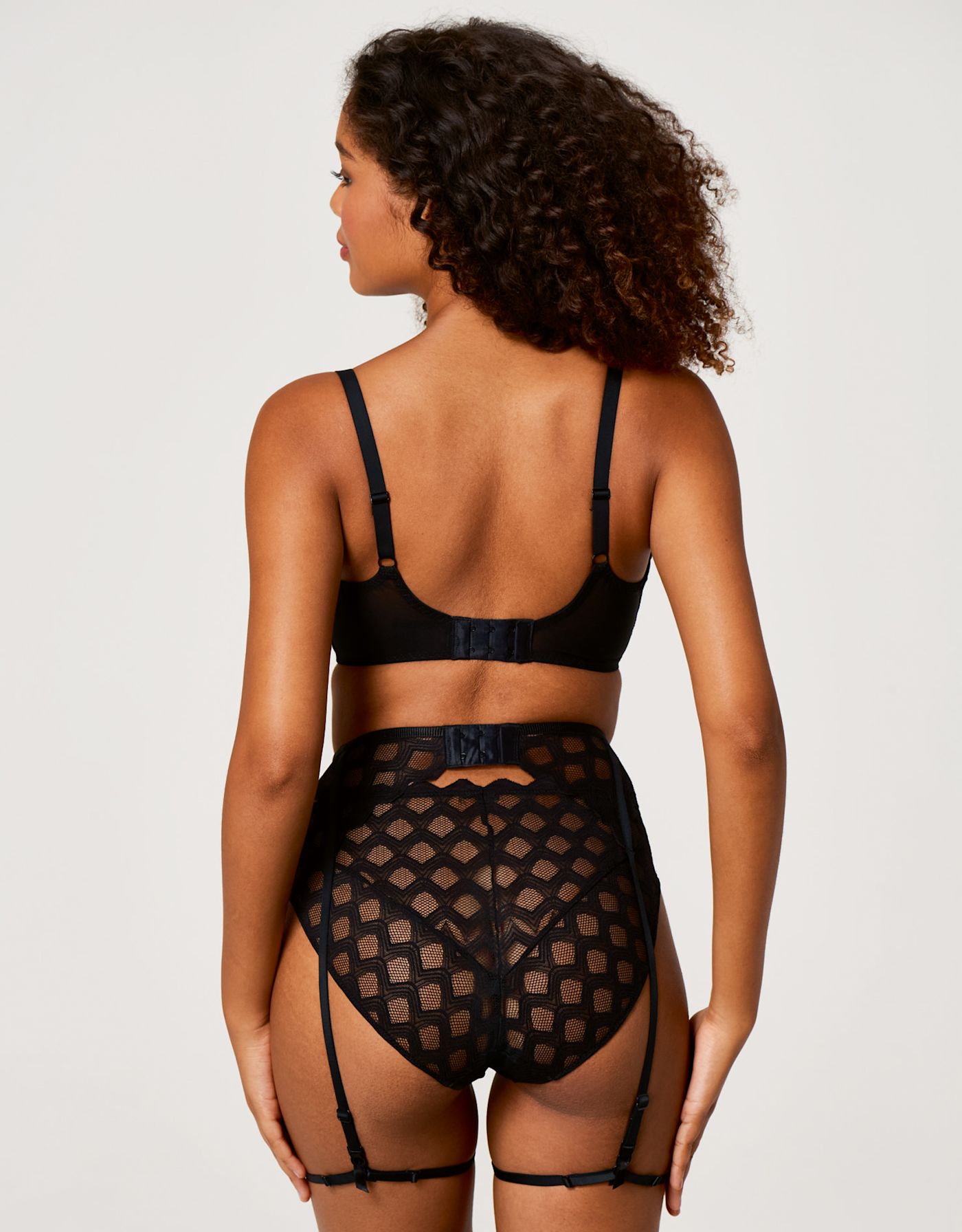
One way to understand the range is to compare how individual products express the same broader priority. The Esmae Bra brings stretch lace and decorative texture into the mix. It offers a more visibly styled option for shoppers who want lingerie with detail, while the product page is the place to confirm its current color and size availability.
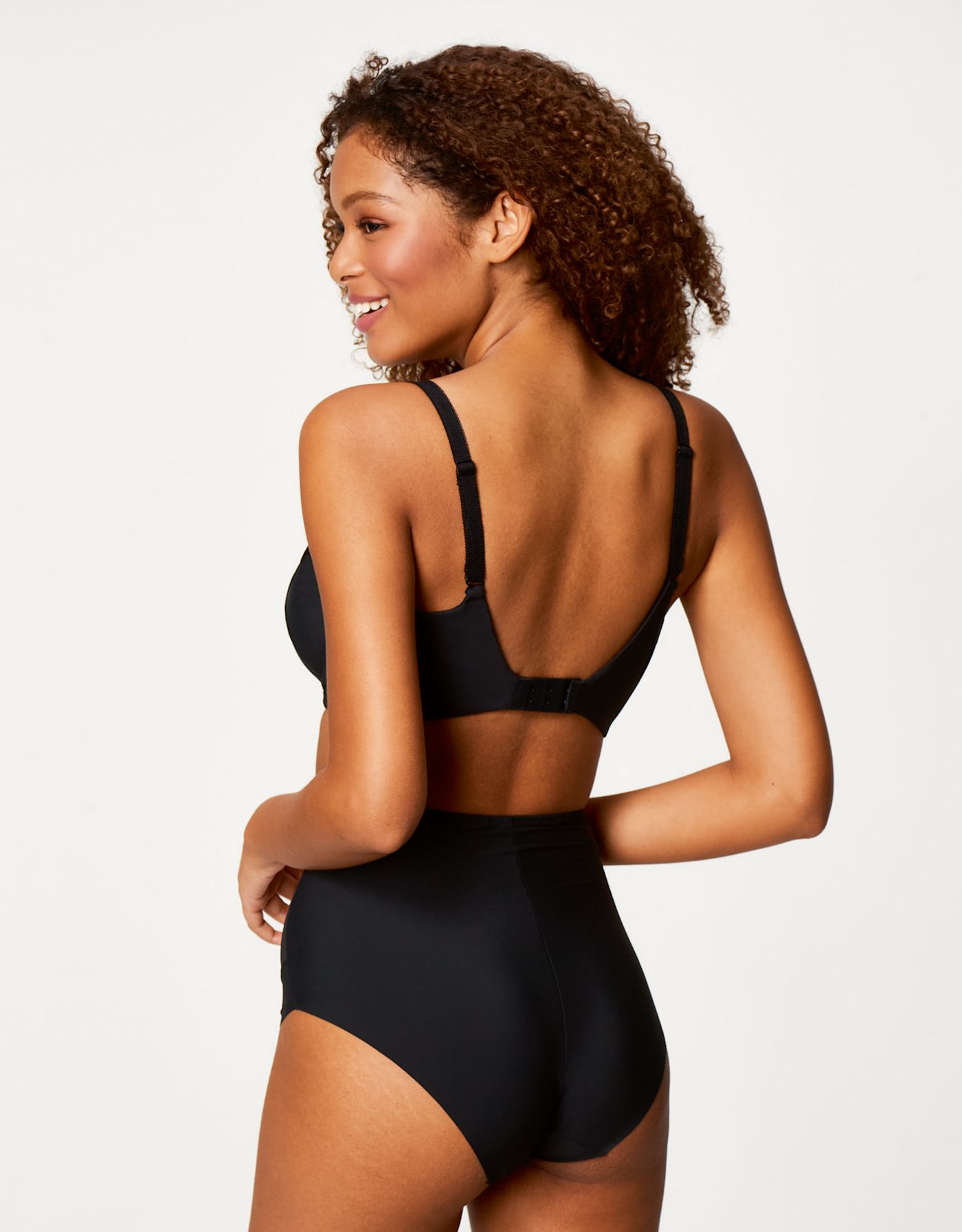
By comparison, the Evolution Comfort Bra gives a sense of the everyday-support side of the offer. Its name and product-page presentation position it as a comfort-led full-cup bra, a useful contrast to lace-first styles when the priority is a smoother, less decorative look beneath clothes.
These examples show why a brand overview is more useful when it looks at design purpose as well as size range. Consider the neckline and fabric of the clothes you wear most, whether you prefer a smooth cup or visible lace, and how much coverage you want. Those filters make the catalogue easier to navigate than searching by a broad label alone. For a lace-led option, revisit the Esmae Bra details; shoppers seeking a simpler finish can compare the Evolution Comfort Bra page.
- For texture: look at styles such as Esmae and check the lace placement against the clothes you plan to wear.
- For a quieter finish: compare smooth or comfort-oriented cups such as Evolution Comfort.
- For support during movement: browse the dedicated sports-bra category and review its activity and strap notes.
- For sizing questions: use the brand’s fitting resources, then confirm the size chart and product details.
Bravissimo’s own fitting guidance is a useful starting point, not a guarantee. A fitting appointment or guide can help narrow the field, but a bra’s comfort also depends on how its specific shape works for you. Stock can change as well, so treat product descriptions as a way to form a shortlist rather than a promise that every option will be available.
Swimwear extends the fit focus beyond bras
The brand’s US store also carries swimwear, including bra-sized tops. This is a meaningful extension of the same idea: shoppers can look for a familiar cup-size approach in a category where support and coverage can be harder to assess from a standard S-to-XL label.
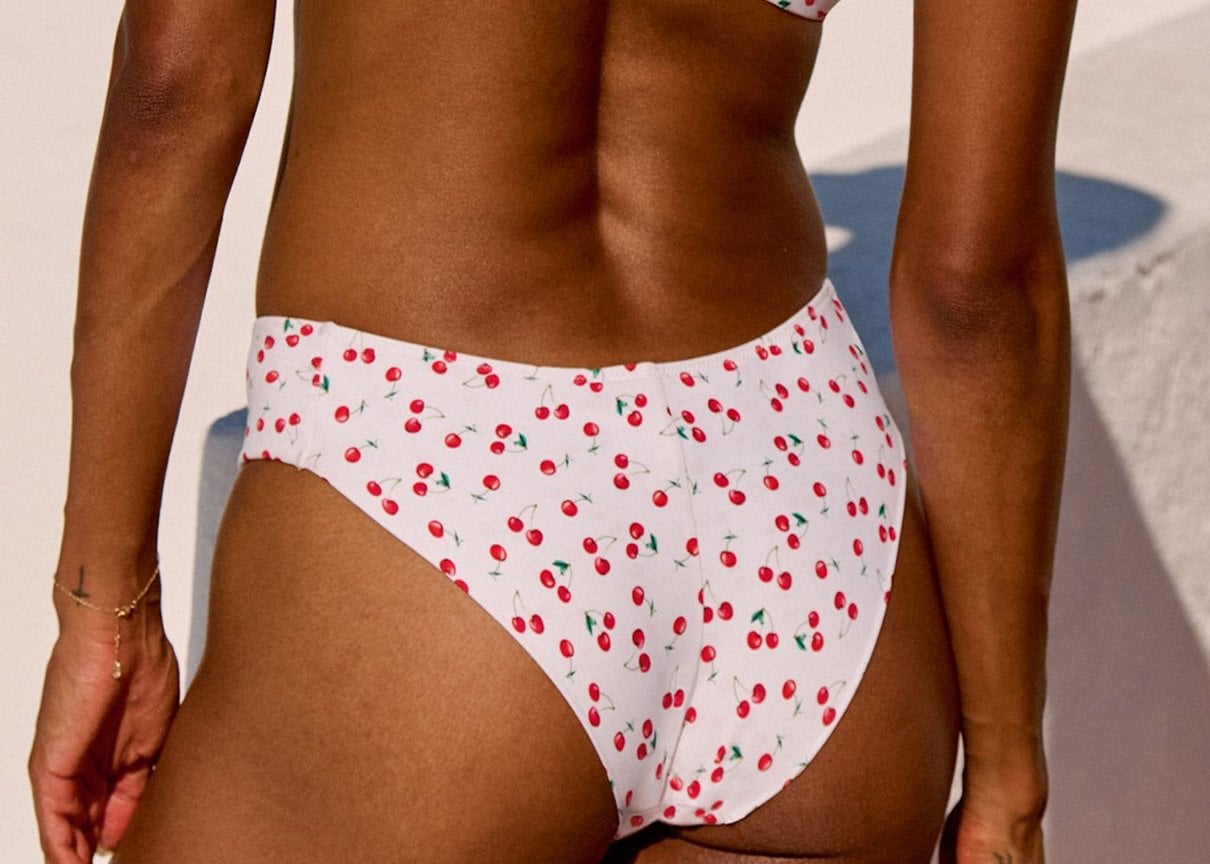
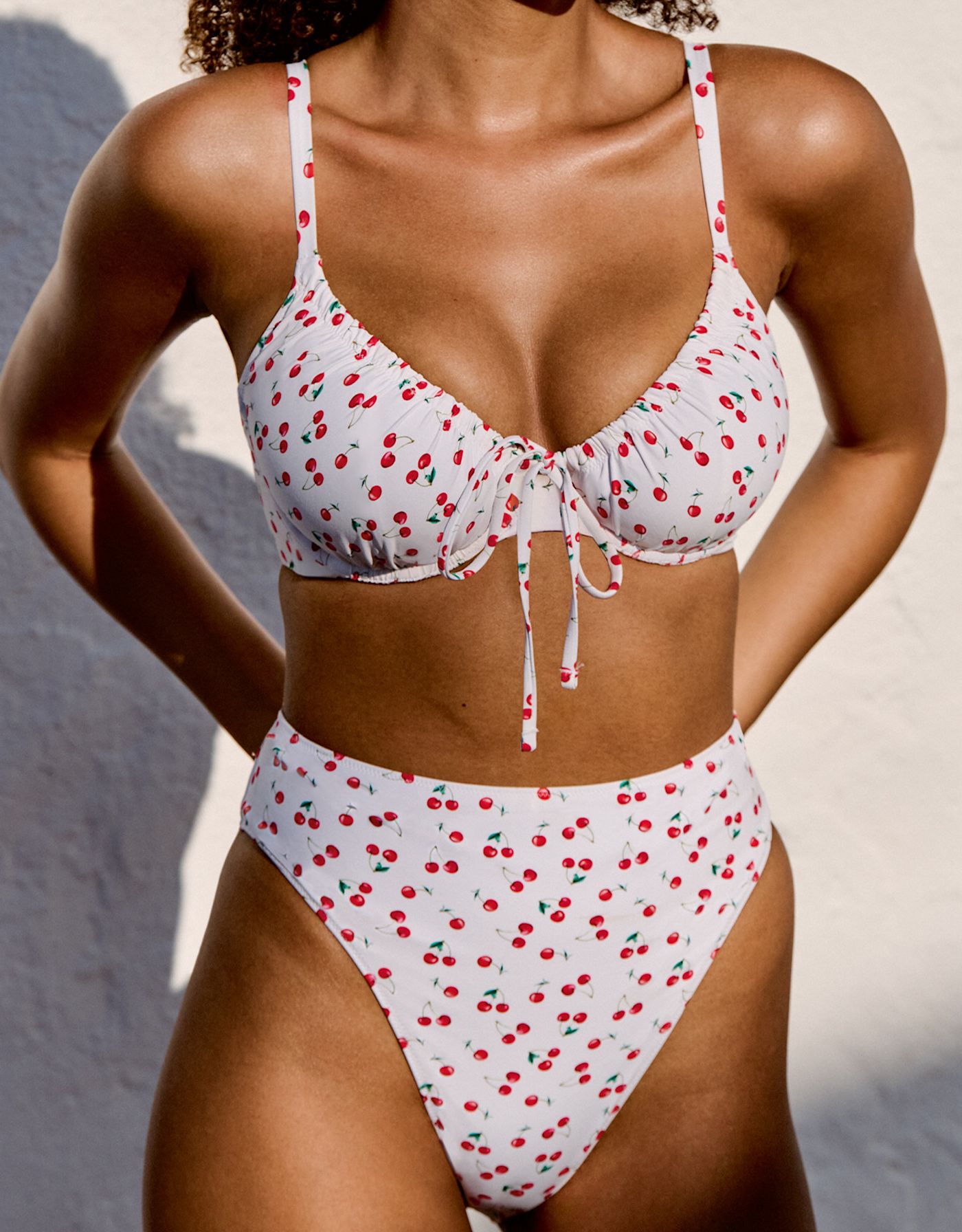
The Copacabana Bikini Top is a concrete example. The store presents it as a plunge bikini top in a cherry print. That combination gives it a more fashion-forward role than a plain swim basic, while the bra-sized format keeps fit in view. Check the product page for the matching bottoms, available sizes and construction notes before treating it as a complete set.
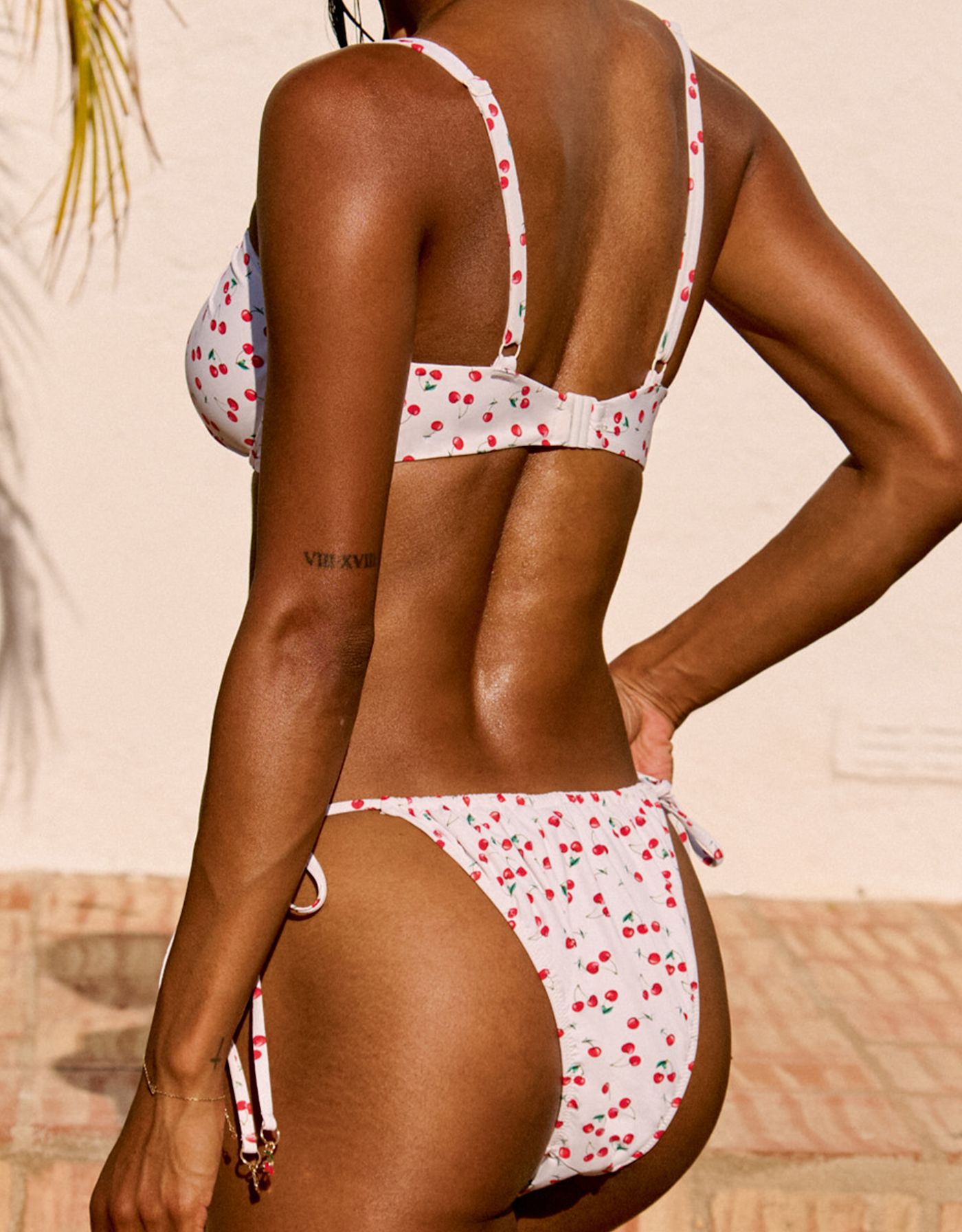
A swim top should be considered as its own fit decision. The Copacabana Bikini Top page gives the specific shape and print details to compare with your preferred swimwear coverage. Think about the neckline you prefer, how much coverage feels comfortable, whether you need adjustable straps, and what kind of activity you expect it to handle. The Copacabana product details can answer product-specific questions, but they cannot predict personal comfort in the water.
At a category level, the breadth is useful: lingerie remains the center, but sports bras and swimwear give the store a role across more than one part of a wardrobe. Readers looking for everyday basics, a specialist support option or swimwear can begin in one place and compare details within each category.
A specialist store helps narrow the search
Bravissimo’s appeal is clearest for someone who has struggled to find a broad enough selection of fuller-bust lingerie at general retailers. The store organizes its assortment around different designs rather than presenting fit as an afterthought. Product descriptions and fitting support add context that can help readers move from a vague need to a more focused shortlist.
That support is valuable, but it does not make every product interchangeable. A full-cup shape, plunge neckline and stretch-lace cup solve different wardrobe needs. Fabric, seams and strap adjustment can matter just as much as the size label, and a useful fit resource cannot replace checking those details or trying a style when possible.
- Start with the garment you need: everyday bra, sports support or swimwear.
- Choose a shape based on neckline, coverage and the clothes it will sit beneath.
- Read product notes for fabric, construction and care, then use the current size guide.
- Check the US product page for live size and color options before deciding. Product references can help with a first pass: Esmae for stretch lace, Evolution Comfort for a full-cup direction and Copacabana for swim.
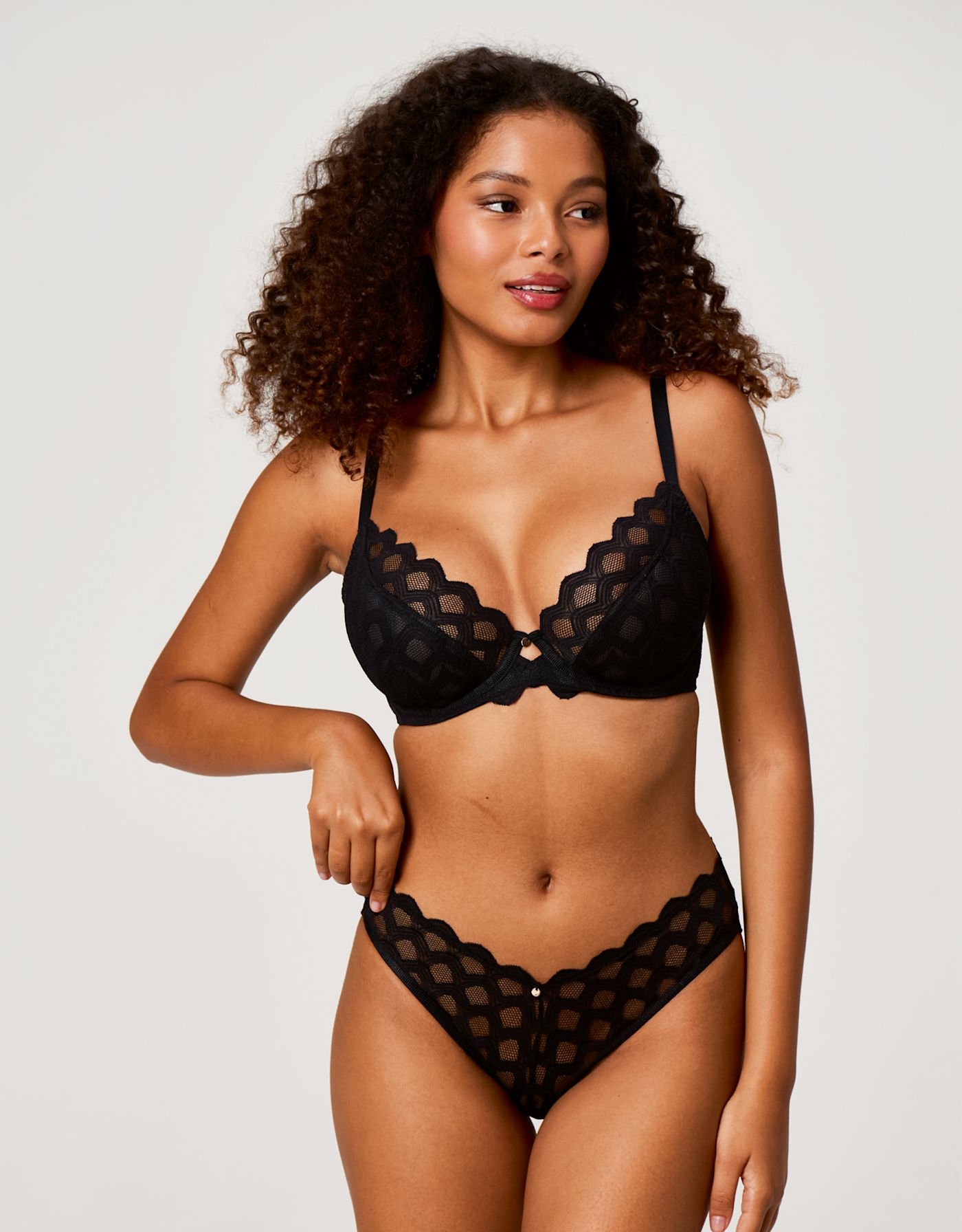
For a first visit, we would browse by use and shape rather than choosing from a brand reputation alone. Esmae, Evolution Comfort and Copacabana illustrate three different destinations within the range: decorative lingerie, a comfort-oriented bra and bra-sized swimwear. The wider collection adds more options, but these examples show the logic behind it. You can compare the Esmae product notes with the Evolution Comfort information before deciding which design direction fits your wardrobe.
The honest verdict
Bravissimo gives fuller-bust shoppers a clear reason to look: fit is central to its lingerie offer, and the same sizing focus reaches into sports bras and swimwear. Its range is more informative when read as a set of distinct shapes and uses, not as one universal solution.
The limitation is straightforward: a specialist focus cannot promise an individual fit, and available sizes or colors can change. If the brand’s approach sounds relevant, start with the category you need and compare construction and size guidance on the US store.
Bravissimo is worth exploring if you want a broader, fit-led choice in lingerie and swimwear, provided you still check each style against your own fit needs.