




A research-led look at the range, the details its product pages provide and the checks shoppers should make before choosing a piece.
A jewellery retailer can look compelling in a product photograph, but the useful questions sit underneath it: what materials are named, how much can you learn about a gemstone, and can you compare different kinds of pieces without leaving the same catalogue? The Jewellery Channel combines an online UK store with live TV shopping, and its range moves from accessible crystal designs to rings with precious metals and named gemstones.
We reviewed the available store and product information rather than purchasing or handling pieces. That makes this an assessment of the shopping proposition and the evidence a shopper can inspect, not a claim about how jewellery feels or wears in person.
Heads-up: we earn a commission from some links in this article. It never changes the price you pay.
The short version: The Jewellery Channel is most useful for shoppers who enjoy browsing varied gemstone and metal combinations and are willing to check individual specifications. Product pages give a starting point for material comparisons, while photographs and live presentation cannot replace close inspection, sizing checks or a clear understanding of care and setting details.
- Its catalogue spans crystal, lab-grown stones and precious-metal designs.
- Product titles often surface the core material distinction.
- Each page still needs a close read for fit, dimensions and terms.
The Jewellery Channel makes material variety its clearest strength
The catalogue’s strongest editorial feature is range. One listing can focus on colourful crystals and a tone finish, while another specifies lab-grown stones set in sterling silver. That breadth of styles gives shoppers useful alternatives within one store, especially when the goal is to compare appearance and stated composition rather than follow a single luxury or minimalist aesthetic. The store describes a broad jewellery and lifestyle catalogue, and live shopping sits alongside its online listings. Readers can browse the current jewellery options as they compare categories.
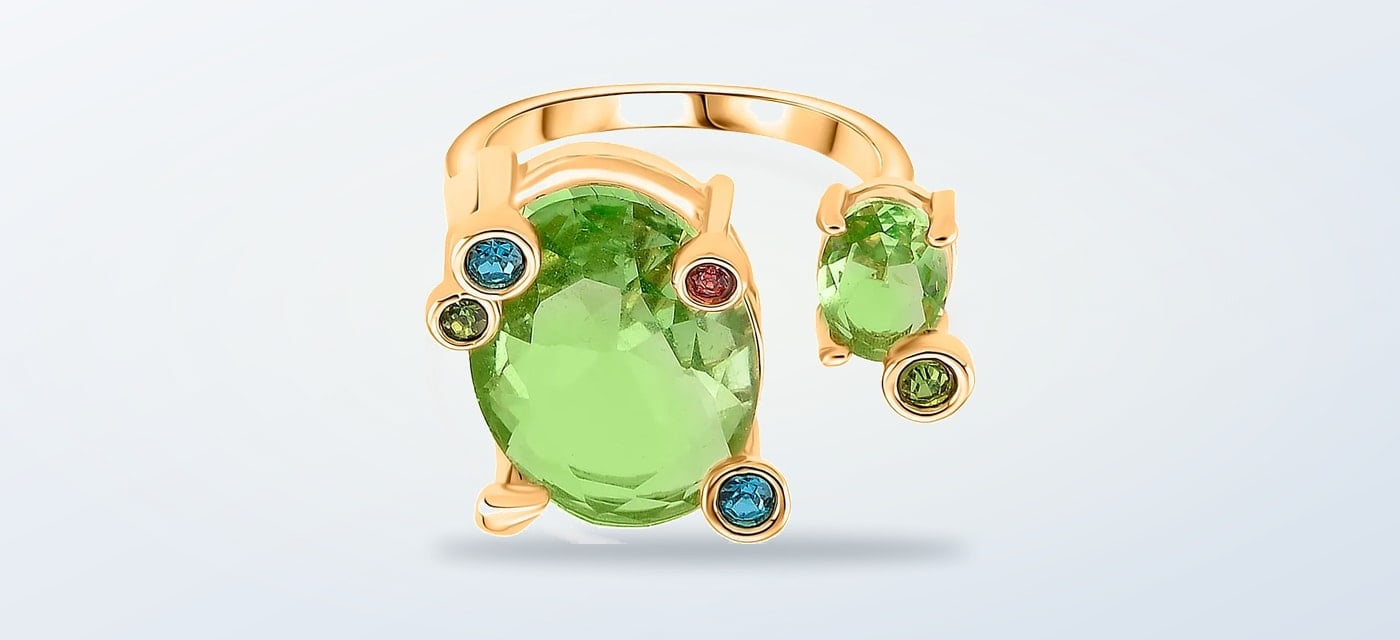
For example, the Austrian Multi Color Crystal Adjustable Ring is presented as a multicolour crystal design with an adjustable construction and yellow-gold-tone finish. The listing title makes those points easy to understand at a glance. Shoppers can inspect the ring details and compare its styling with other designs. Before deciding, it is still sensible to open the Austrian Multi Color Crystal Adjustable Ring listing and check the full description for dimensions, fit guidance and care notes.
- Check the stone name and whether it is described as lab-grown.
- Separate solid-metal descriptions from plated or overlay finishes.
- Use measurements and terms to confirm whether the piece fits your needs.
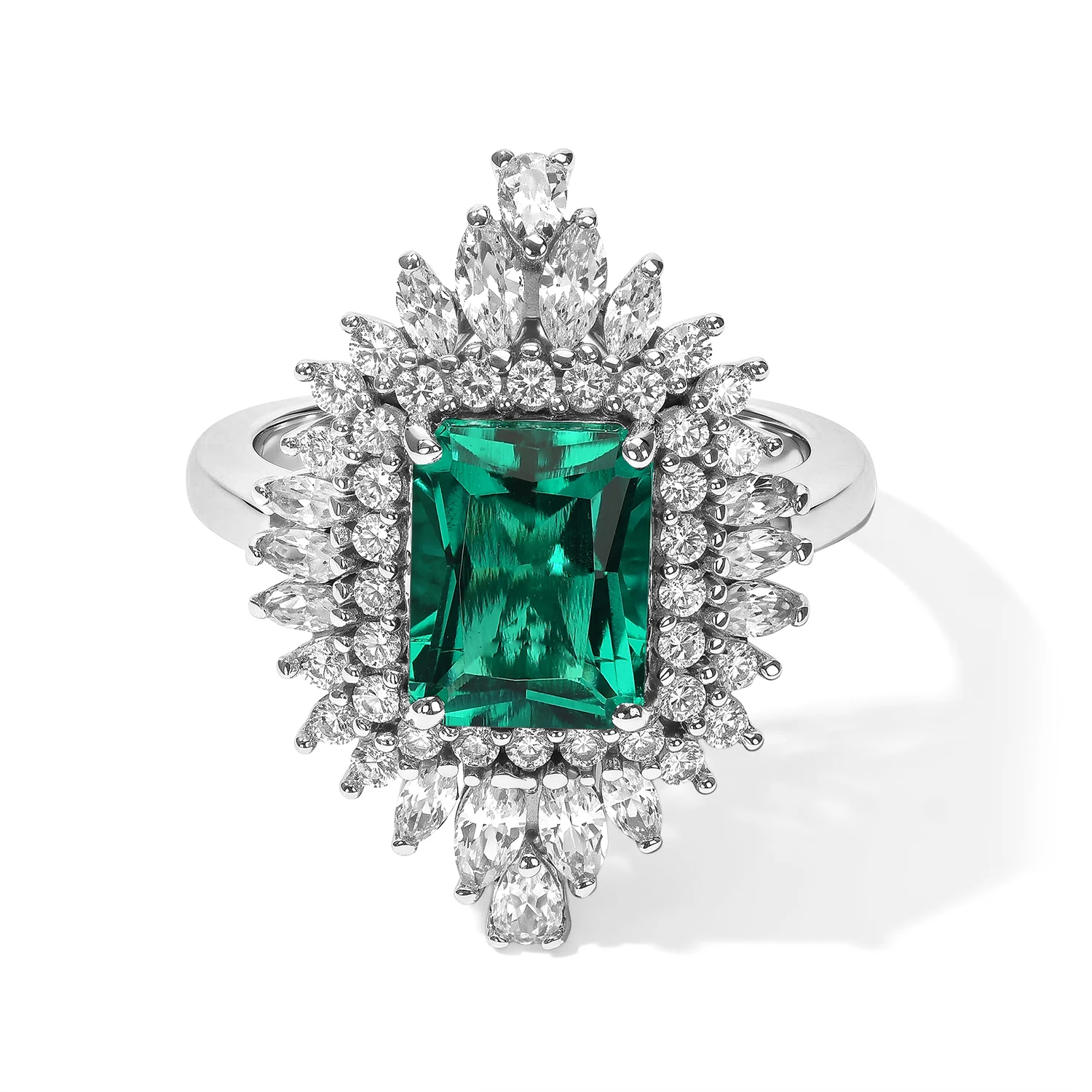
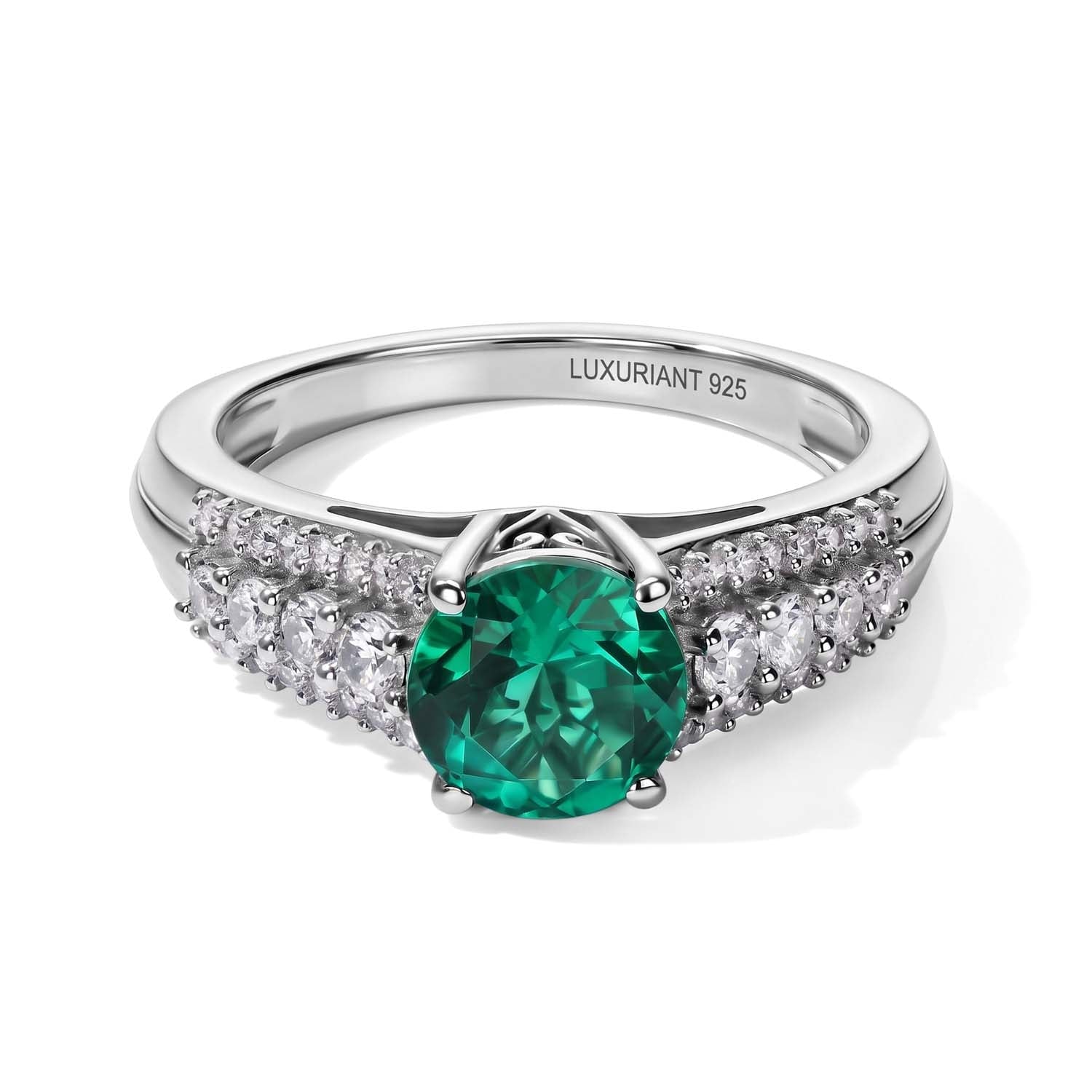
A more detailed gemstone proposition appears in the Luxuriant AAA Lab Grown Columbian Emerald & White Zircon Halo Ring. Its listing names a lab-grown Colombian emerald, white zircon, rhodium-overlay sterling silver and a halo design. Those details are more informative than a generic gemstone label: they tell a shopper what the central stone is described as, what surrounds it and what metal finish is specified. The Luxuriant halo ring product page is the right place to verify the current full specification.
This level of naming is a practical advantage for comparison, but not a substitute for independent grading or an in-person view. Buyers should distinguish between a stone’s stated identity and a broader quality assessment. In particular, check whether the product page spells out the information that matters to you, including stone treatment, dimensions and any grading documentation.
The product pages support comparison, with details to verify
The third useful example is the D’Joy Lab Grown Columbian Emerald & Lab Grown Diamond Ring. The cached product title identifies both stones as lab-grown and describes sterling silver with a gold-plated finish. That creates a different comparison point from the Luxuriant halo ring: both foreground emerald, but the accompanying stones and stated metal treatment differ. The D’Joy emerald and diamond ring listing lets shoppers examine the specific configuration rather than rely on a broad collection page.
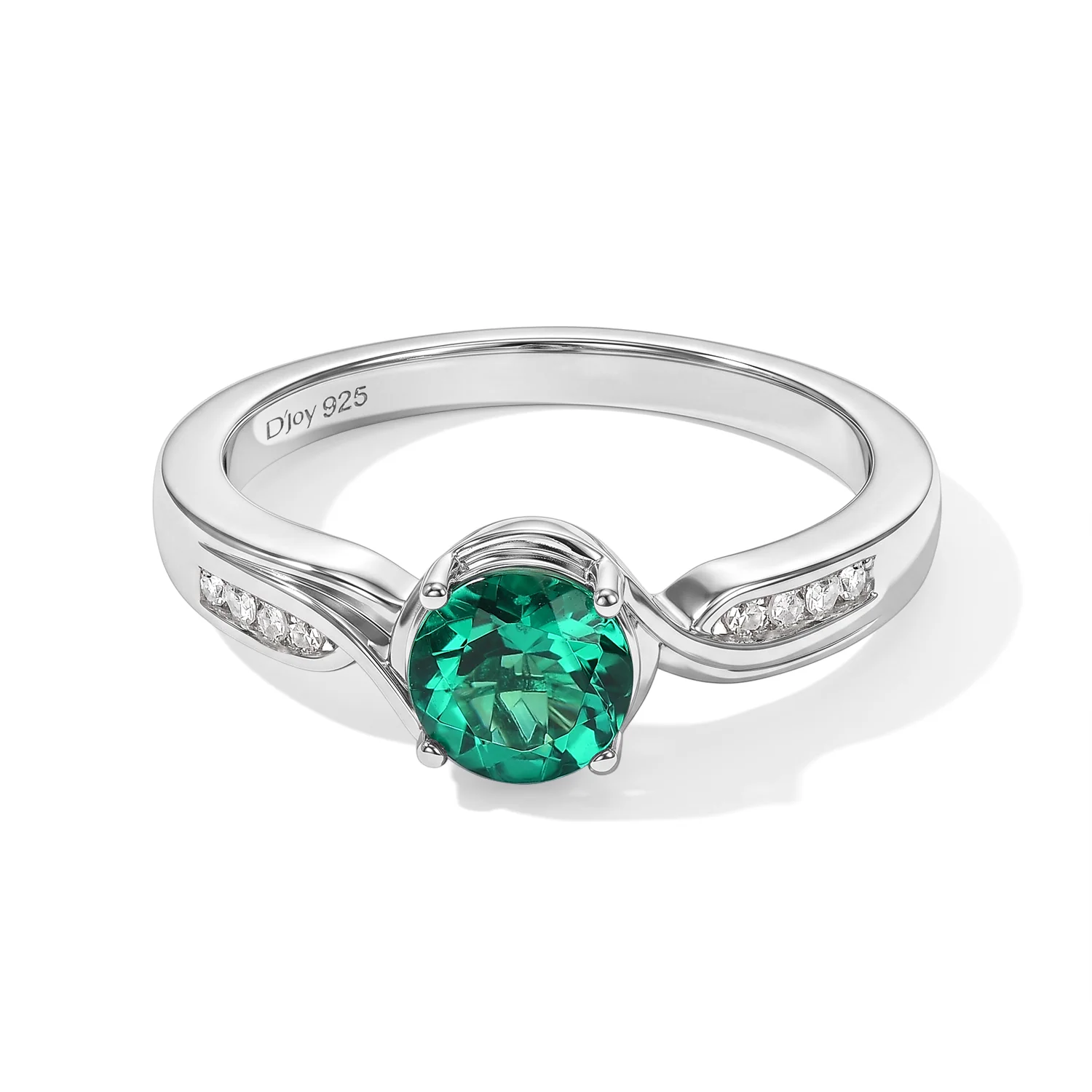
The distinction matters because product names can compress a lot of information into a few words. A setting style, a plated finish and the identity of accent stones all affect what a customer is comparing. The store’s product pages list material, gemstone and dimension information, which is a useful foundation. Shoppers should still check that the full page answers their own practical questions, including ring size availability, dimensions, return terms and care.
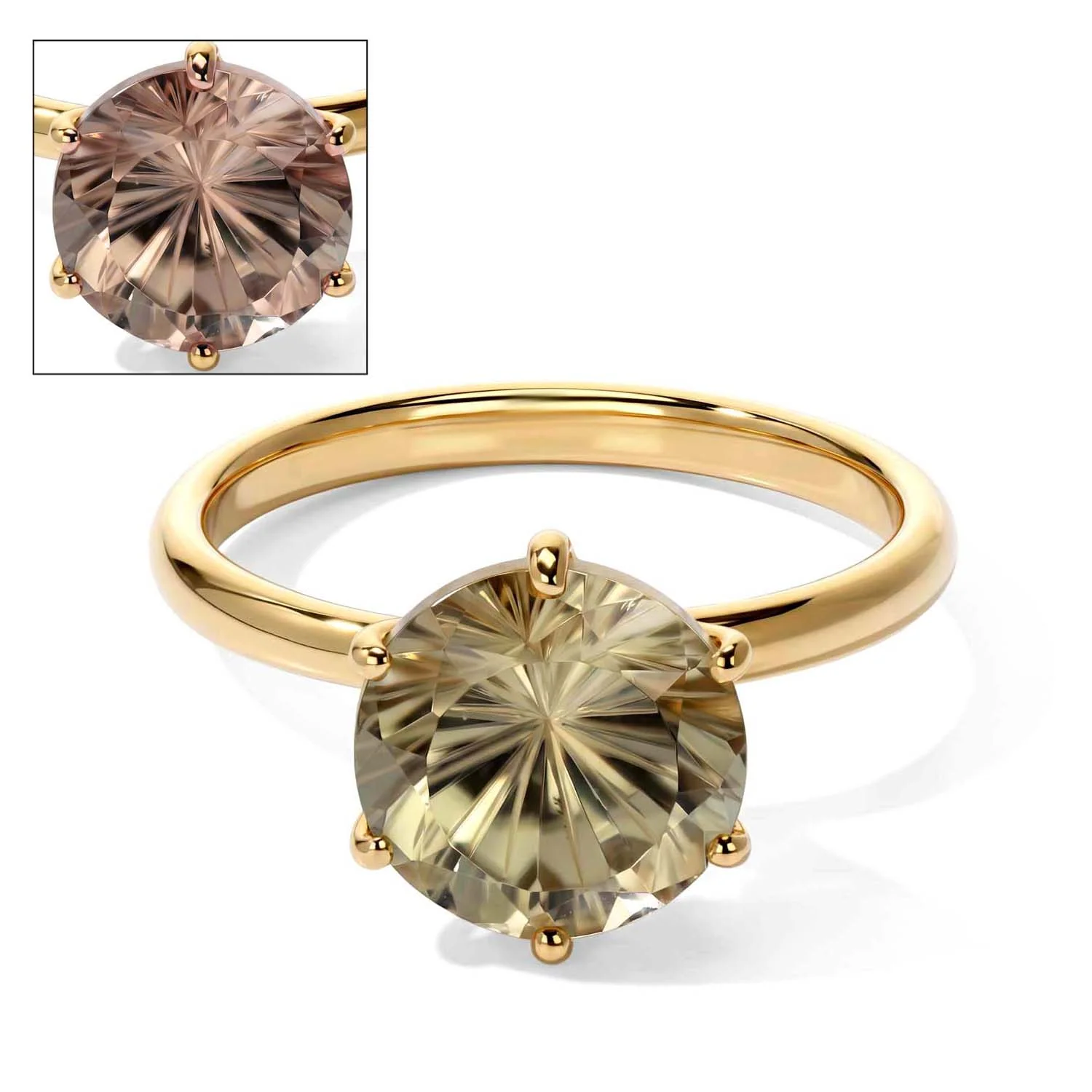
A fourth example stretches the material range further: a 14K Yellow Gold AAA Turkizite Solitaire Ring, named as a turquoise-style gemstone solitaire in yellow gold. The 14K gold description provides a different material proposition from overlay or plated finishes. That is helpful context, but the exact stone naming and full description should be read carefully on the 14K yellow-gold solitaire ring page before treating the title as a complete specification.
- Crystal: colourful styling and an adjustable form.
- Lab-grown stones: named emerald and accent-stone combinations.
- Gold designs: check carefully whether the listing specifies solid gold or an overlay.
The range suits browsers who compare before choosing
The Jewellery Channel’s format will appeal most to shoppers who want visual browsing and a broad mix of styles. Live TV can add another way to see pieces presented, while the online store gives more time to inspect listing details. These are complementary ways to browse, although neither removes the need to verify the written product information.
A careful shortlist can stay simple:
- Choose the material first: solid gold, a plated or overlay finish, and sterling silver are not interchangeable descriptions.
- Compare gemstone names and whether the listing says a stone is lab-grown.
- Read measurements and sizing notes before relying on a product image for scale.
- Check care, delivery and returns information on the relevant UK store pages.
That process is especially useful across the examples above. The crystal ring is about colourful styling and an adjustable design; the crystal ring listing should answer the fit questions. The Luxuriant emerald halo listing is a named-stone and halo-setting option, while the D’Joy ring details describe a different combination of lab-grown stones. These individual pages are more useful than assuming that every item in a category follows the same material standard.
There are limits to what the format can establish. Studio photography can communicate shape and colour, but it may not settle questions about scale, comfort, finish or the way a piece looks in ordinary light. A live segment can add context, but it is still a presentation. We would treat both as browsing aids and let the written listing, policies and a shopper’s own requirements guide the final decision.
Some shoppers will want more independent detail
The store’s breadth can complicate selection. Similar-looking products may differ in metal, stone type, overlay or setting, so a fast scroll is a weak way to judge like-for-like value. Jewellery value also depends on factors that a title alone cannot establish, such as stone quality, craftsmanship and documentation. That means a shopper should not use the retail presentation as independent proof of durability or investment value.
Before committing to a specific piece, we recommend checking these points on its product page:
- Confirm the full metal description and distinguish solid metal from a plated or overlay finish.
- Look for stone dimensions, ring sizing information and any stated treatment or grading details.
- Read the care instructions and the UK delivery and returns terms that apply to that item.
For shoppers comparing a precious-metal piece with a fashion-led design, begin with the exact wording. The yellow-gold solitaire listing and the rhodium-overlay sterling-silver halo ring describe materially different purchases. A product photo shows the silhouette, but only the listing and policies can help settle the practical questions around composition and ownership.
The available product photographs also include an amethyst earring, extending the examples beyond rings.
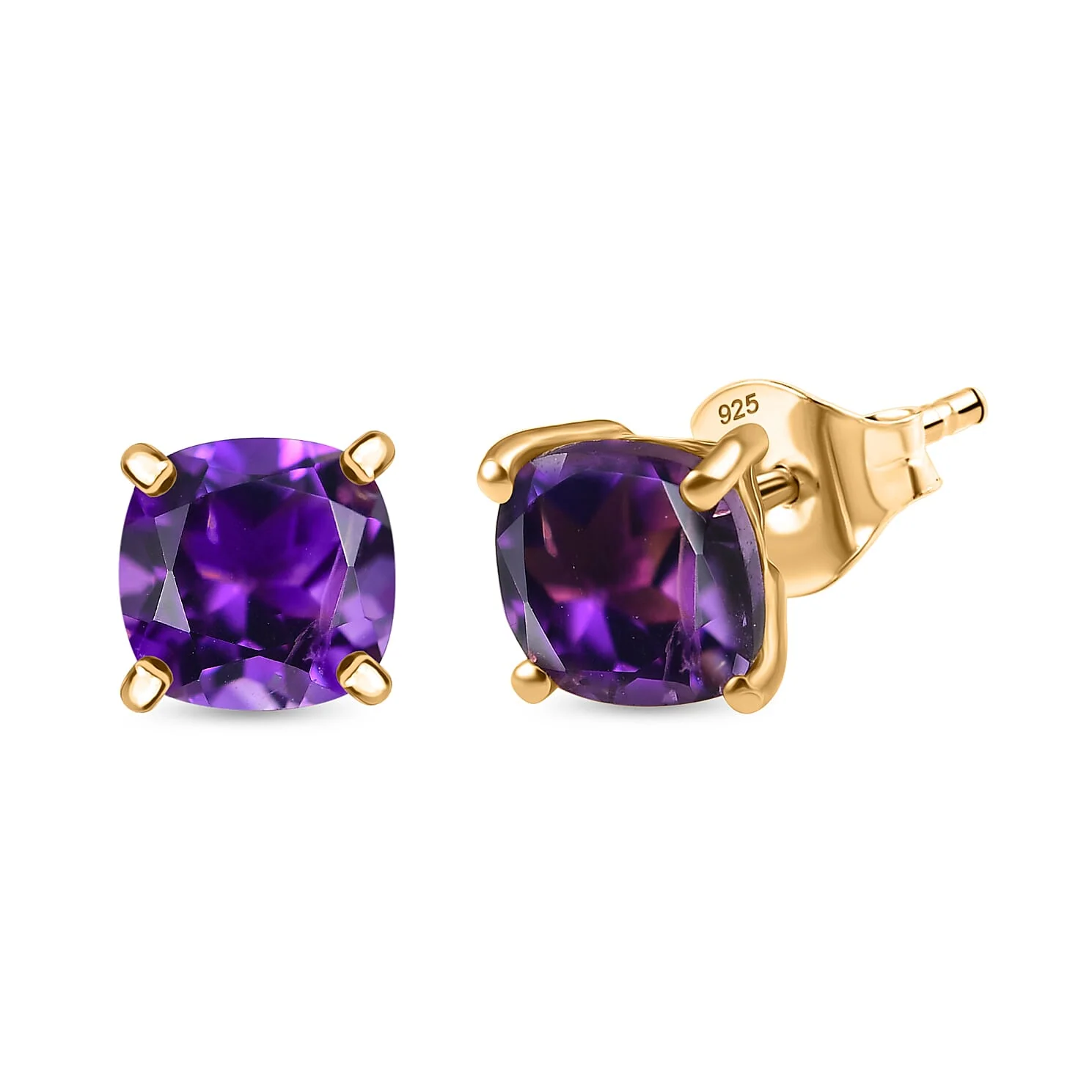
This separate earring listing illustrates how the range changes across jewellery forms.
The same specification-first discipline applies if browsing beyond rings. Earrings and pendants broaden the choice, and the cache includes designs such as an African amethyst earring in gold-overlay sterling silver. That example underscores why the full material phrase matters: the stone and the metal construction both shape the offer. Use each product page to confirm those specifics rather than generalising from a collection label or a neighbouring item.
The honest verdict
The Jewellery Channel earns a qualified recommendation for shoppers who enjoy comparing gemstone styles and want a mix of material choices within one UK retailer. Its clearest strengths are breadth, product titles that often name key materials and stones, and the option to browse through both online listings and live presentation. The adjustable crystal ring, D’Joy emerald and diamond design and yellow-gold solitaire show how varied those choices can be.
The main limitation is important: catalogue detail is not the same as independent assessment, and photographs cannot answer every question about scale, finish or wear. It is a good fit for curious shoppers prepared to read specifications and policies carefully; those seeking extensive third-party grading or a tightly edited specialist selection may want more documentation before deciding.
We recommend The Jewellery Channel as a broad, comparison-friendly catalogue when shoppers verify each item’s materials, measurements and terms before choosing.