




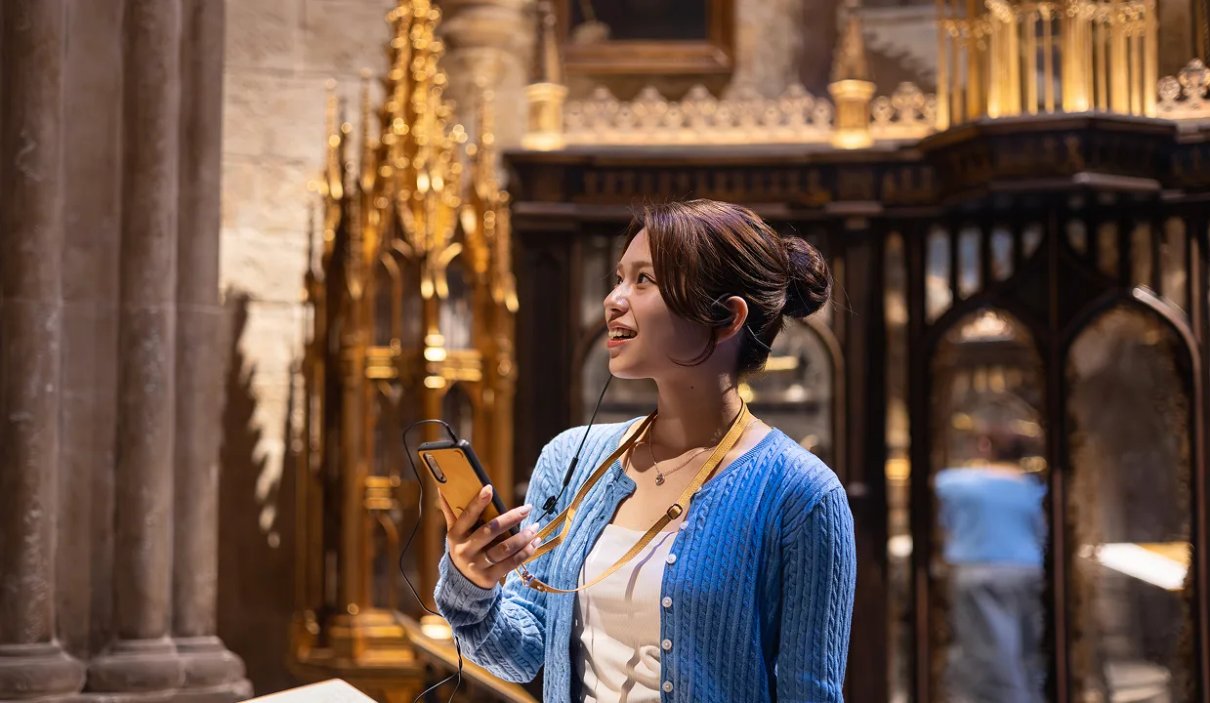
A close look at the Digital Guide’s audio, themed routes and practical fit for visitors who want more context as they explore the Studio Tour.
The Warner Bros. Studios Japan Studio Tour is designed around film sets, props and production detail, so a visitor can spend much of the day looking closely and moving at their own pace. The question for anyone weighing an add-on is whether extra narration deepens that visit or simply adds another thing to carry and manage.
The official site presents the Digital Guide as a themed, audio-led way to explore, with features that differ from a standard printed guide. We reviewed the published product information and visit instructions, rather than relying on hands-on claims.
Heads-up: we earn a commission from some links in this article. It never changes the price you pay.
The short version: The Digital Guide is the more suitable add-on for visitors who want spoken production context and a route-led layer while exploring. Its strengths are the themed stops, listed language options and a distinct audio experience; its limitation is that the value depends on choosing to pause and listen during a visit that many fans may prefer to navigate freely.
The Digital Guide layers film context onto the visit
The official description positions the Digital Guide around the making of the films and the secrets behind the Wizarding World. The guide is designed with house colors and includes house-specific spots to visit, giving its route a little structure without replacing the broader Studio Tour experience. The page notes a reward after ten locations, a concrete reason for younger visitors or completion-minded fans to follow its trail.
- Production context: background on the film-making process.
- House route: themed stops that give exploration a thread.
- Audio: a listening experience that can add focus to set details.
Audio is central to the offer. Warner Bros. Studios Japan describes a sound experience powered by Sony technology, and lists five listed languages: Japanese, English, Simplified Chinese, Traditional Chinese and Korean. That combination can help visitors who prefer spoken context or want to explore in a language they are comfortable with. The product details and current availability are on the official Digital Guide page, alongside the wider visit enhancement information.
In practical terms, the guide appears best viewed as an optional companion rather than the point of the day. The tour’s large-scale environments reward looking around, and listening can focus attention on details that might otherwise pass unnoticed. At the same time, audio adds a second pace to follow. Visitors who like reading plaques briefly and moving on may get less from it than fans who enjoy stopping for background and production notes.
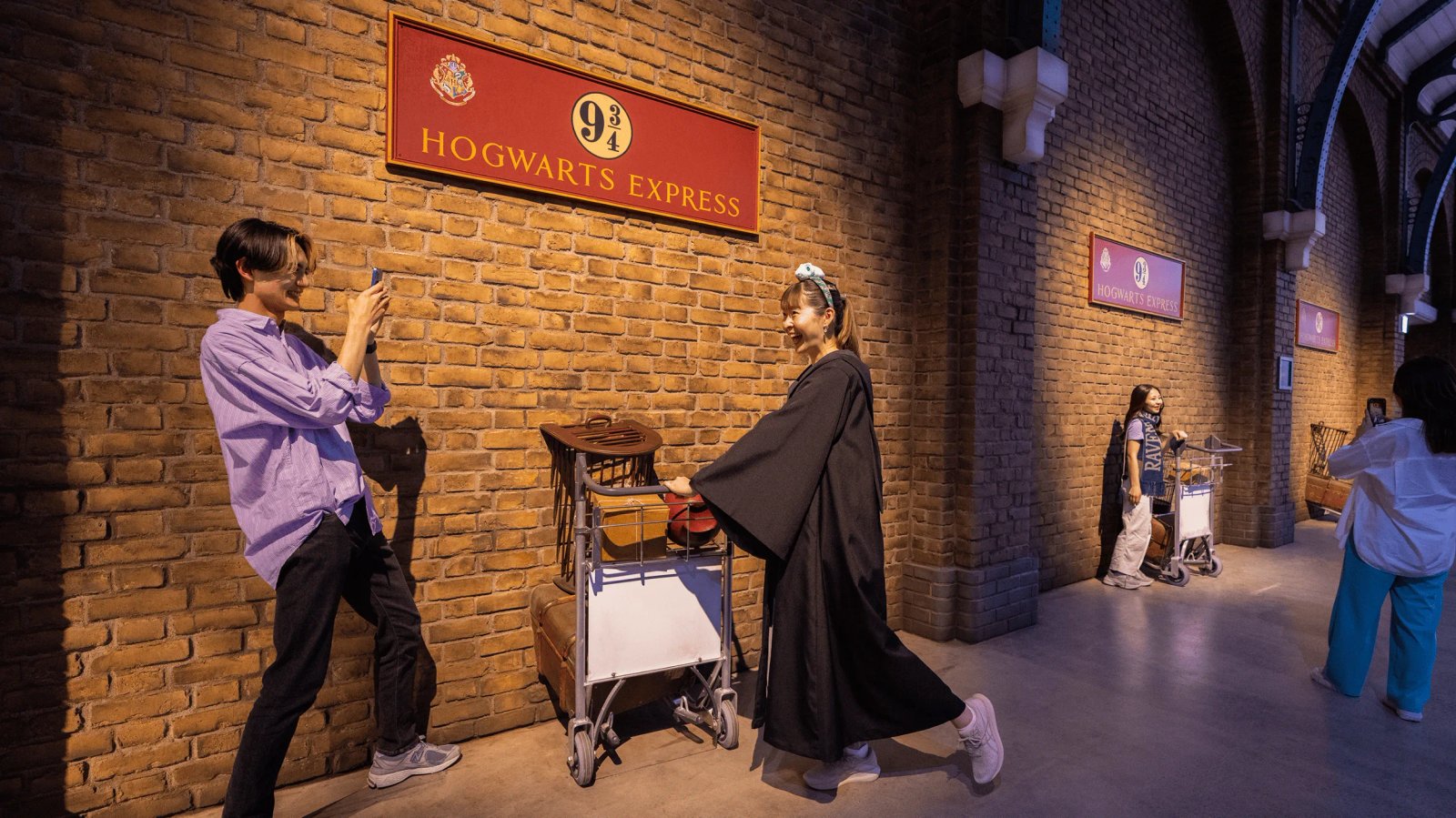
Collection at the counter makes timing part of the choice
The official instructions say visitors collect and return the Digital Guide at the Visitor Services counter on the day. That keeps the process tied to the actual visit rather than a separate online download, but it also means the guide is one more step in the arrival routine. Readers should check the current instructions and availability when planning, particularly if they are organizing a tightly timed start.
There are three sensible questions to ask before adding it to a visit:
- Would spoken narration help you notice production choices and small set details?
- Do you want a themed route and the goal of visiting ten guide locations?
- Will you enjoy stopping to listen, rather than treating the tour as a continuous walk?
If those answers lean yes, the Digital Guide has a clear role. It can give a solo visitor a companionable thread through the tour, help a family turn exploration into a shared checklist, or provide a more structured layer for a repeat fan who already knows the main story. Current access information belongs on the official guide listing; the broader admission ticket details remain a separate planning decision.
The Official Guidebook suits a slower kind of detail
The Official Guidebook is the closest companion in spirit, but it serves a different habit. The official site describes it as a keepsake with production stories and photographs of sets, props and costumes, in Japanese and English editions. A book can be browsed at a chosen pace and revisited afterwards; the Digital Guide is more suited to context in the moment.
That difference makes the guidebook a stronger fit for readers who want a tangible record or like lingering over images and behind-the-scenes writing. It is less suited to someone who wants hands-free listening while moving through the attraction. The store information is grouped under the official Official Guidebook and retail page. Visitors can also review the guidebook details before deciding whether a printed keepsake belongs in their plan.
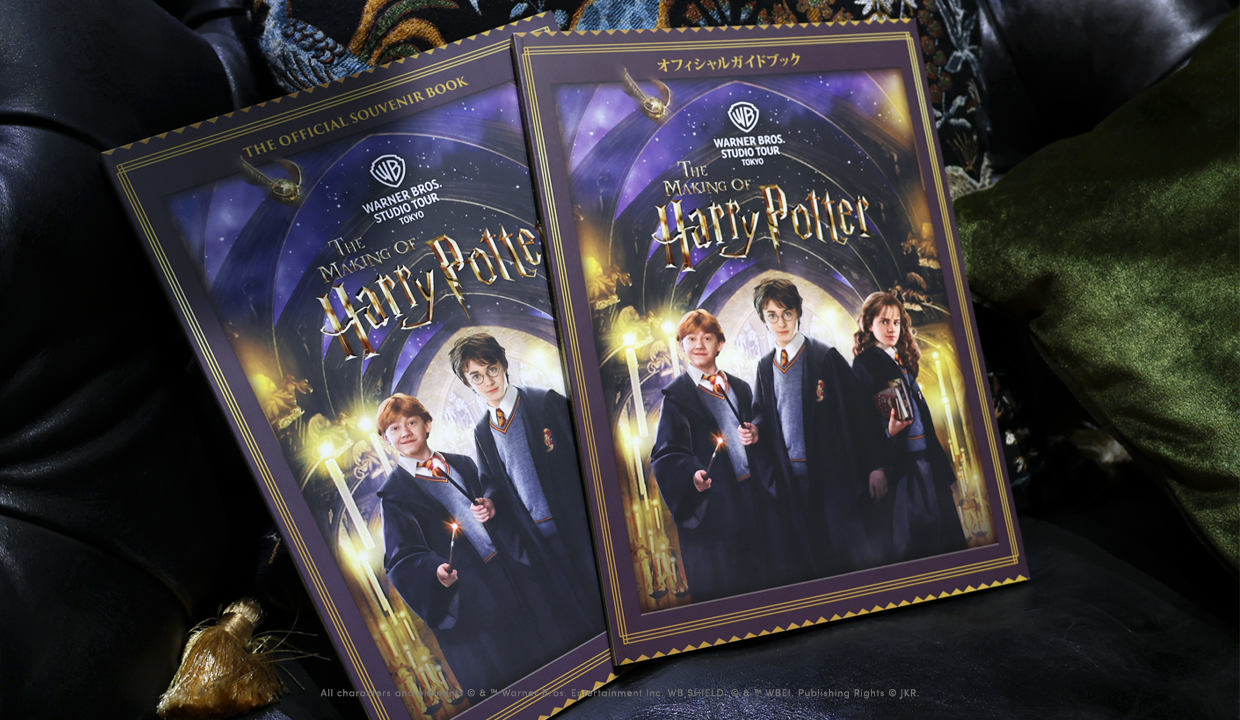
For a quick format check, the distinction looks like this:
- Digital Guide: audio and themed locations while walking.
- Official Guidebook: a photo-led printed keepsake for browsing at your own pace.
- Admission ticket: the required foundation for the visit itself.
The admission ticket still sets the day’s foundation
The Digital Guide does not replace admission. The Studio Tour admission ticket is the core purchase that determines entry and visit timing, with ticket options and availability handled separately on the official site. Start by checking the current admission ticket options, then decide whether an additional layer of interpretation suits the group.
This order matters for families and visitors with limited time. A ticket establishes the visit; the guide influences how you experience it once inside. Someone planning a relaxed day around close observation may have more opportunities to use the audio than a visitor trying to keep a large group moving on a strict schedule. The official ticket page is the place to confirm entry conditions before arranging extras.
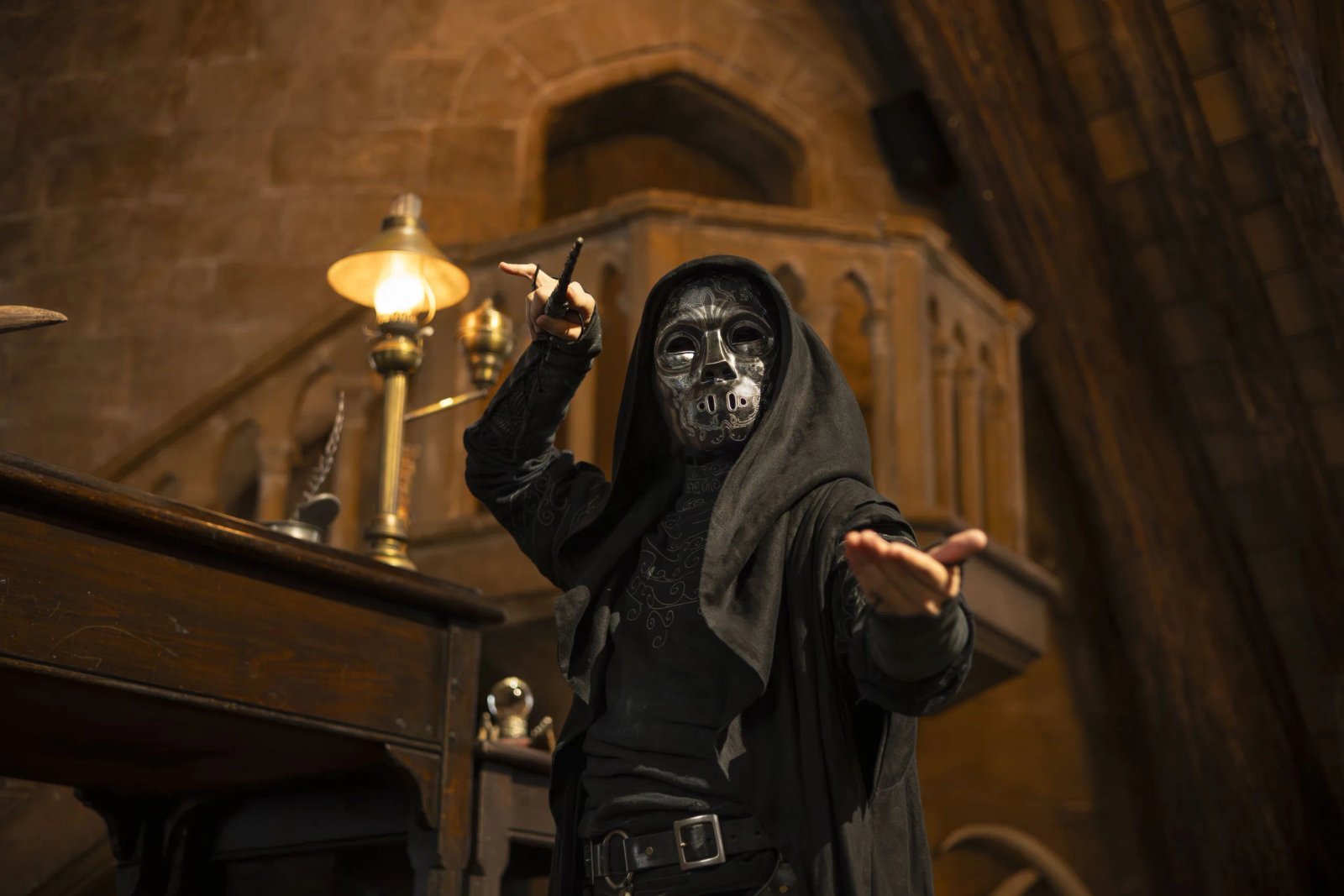
For readers comparing the three offerings, the distinction is straightforward: admission secures the visit, the Digital Guide adds narrated context, and the Official Guidebook preserves detail in print. The attraction’s seasonal displays and food are supporting parts of the larger outing, rather than reasons on their own to choose an audio device.
The audio format rewards curious, unhurried visitors
The product’s strongest audience is the visitor who wants to understand how the screen worlds were made, not only recognize familiar rooms. House-colored design gives the experience a fan-oriented identity, while dedicated locations and film-making commentary make it more than a generic audio track. Its multilingual support also makes the listing relevant to international visitors, subject to what is available at the time of booking.
Families may like the locations as small milestones, though children who want to move quickly may not stay engaged with listening. Adult fans and detail-focused repeat visitors are more likely to appreciate how narration directs attention. A group can also split its approach: one person follows the guide while another takes photographs or browses at their own pace. The published Digital Guide description is useful for checking whether its themes fit your interests.

Visitors who are likely to enjoy it often share a few preferences:
- They like film-making commentary as well as recognizable sets.
- They are comfortable pausing for spoken material.
- They enjoy having a light route or location goal during a long visit.

The honest verdict
We recommend the Digital Guide to visitors who enjoy audio interpretation, want film-making context and will take their time through the Studio Tour. Its themed route and listed language options give it a distinct purpose, while the counter collection and listening pace are practical considerations to weigh. Visitors who mainly want a photo-rich souvenir may find the Official Guidebook a more natural companion.
Plan around the admission ticket first, then use the official Digital Guide details to check current availability and collection instructions. The format has a clear point of difference, but the best choice depends on whether listening makes your visit richer or interrupts the way you prefer to explore.
Choose the Digital Guide if narrated film context will make you slow down and look closer.