
A research-led look at Lit Farms’ strain range, product documentation and practical limits, with guidance on the shoppers most likely to find the store useful.
A THCA flower store’s value depends on more than strain names. Product information, batch documents and shipping eligibility all matter. This review examines the US store operated by Lost In Translation, Inc through its published pages.
We assess the catalog, a few flower listings and the decisions left to shoppers. Descriptions reflect brand claims, not independent product testing.
Heads-up: we earn a commission from some links in this article. It never changes the price you pay.
The short version: Lost In Translation, Inc has a clear strength in named THCA flower listings, tier choices and product pages that link to batch-specific lab reports. That makes the store most useful to adults who already know what profiles they want and will check eligibility carefully. Stock and state restrictions are meaningful limits, and the store’s descriptions cannot establish how a product will feel to an individual.
Lit Farms makes cultivar choice the center of its catalog
Lit Farms organizes much of its US store around named cultivars and three tiers: Essential, Preferred and Supreme. Readers can also browse the current store menu before narrowing down. The store says the tiers share the same genetics and lab testing while flower selection and presentation differ. For a buyer comparing strains, that framework makes the first decision relatively legible: choose a profile, then decide whether the tier distinction matters for the intended use.
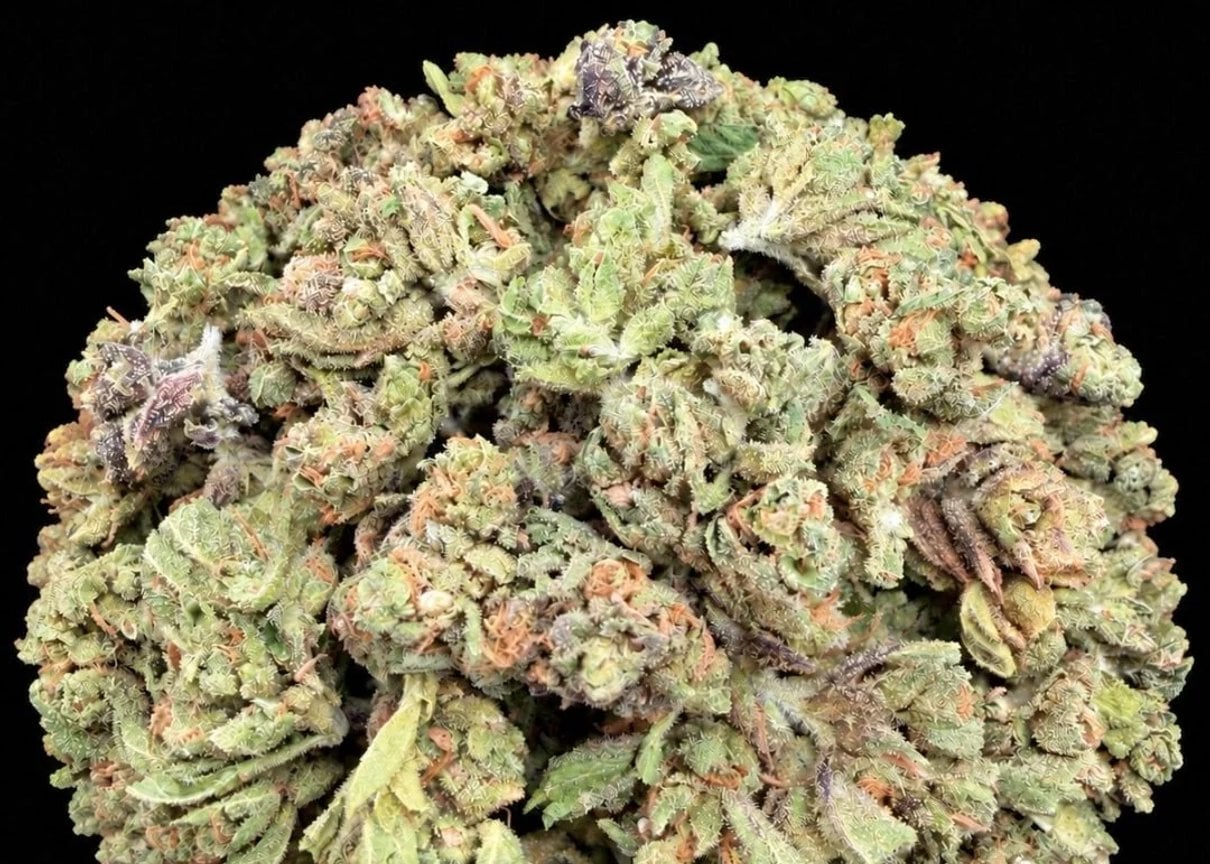
A useful example is Blue Andies THCA Flower. Its page describes a balanced hybrid with blueberry, mint and creamy vanilla notes, and links to a certificate of analysis for the harvest. Those details give a reader concrete points to compare with other profiles. They remain descriptions, though; aroma language is not a guarantee that every batch or person’s perception will match.
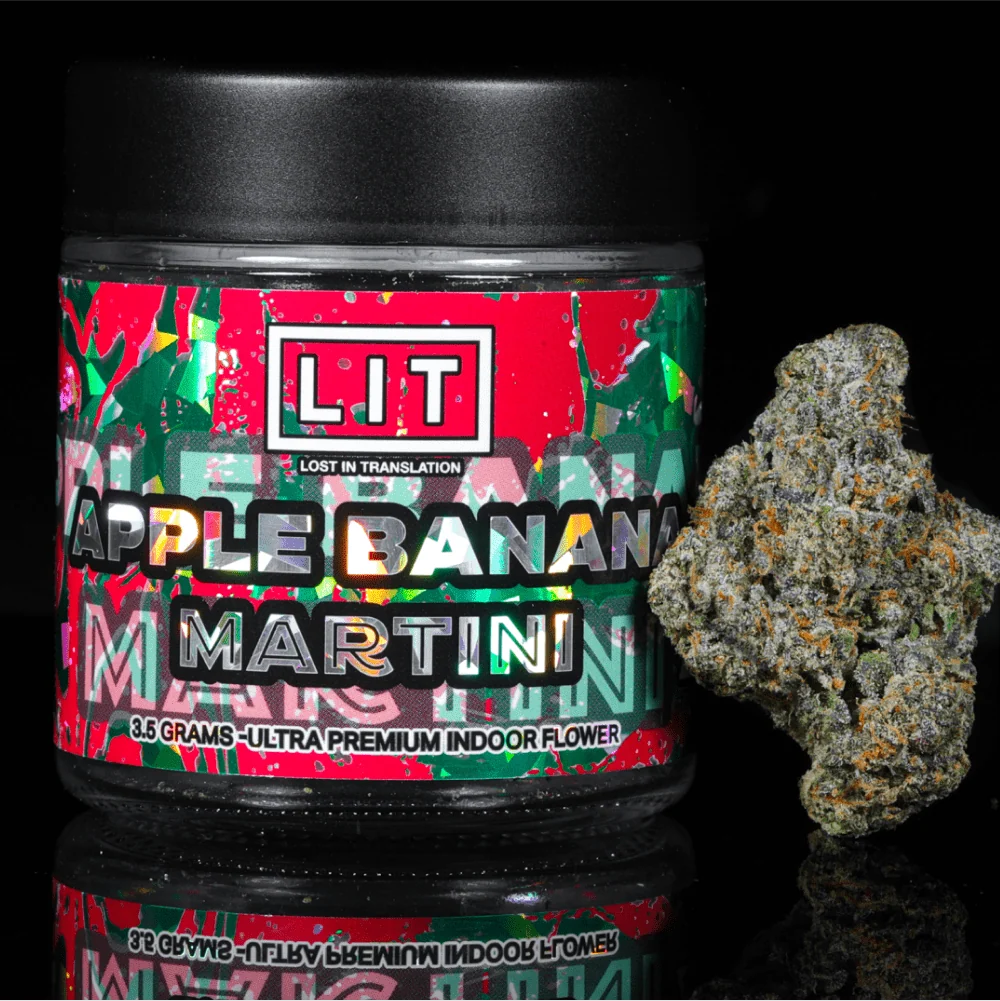
- Start with the profile: compare the store’s stated flavor and aroma notes across listings.
- Read the selected tier: Essential, Preferred and Supreme describe different selection and presentation according to the brand.
- Open the current listing: availability and batch documents can change.
- Keep the claims in context: brand copy is not independent evidence of an individual’s likely response.
Tier choices add selection detail, not a new cultivar
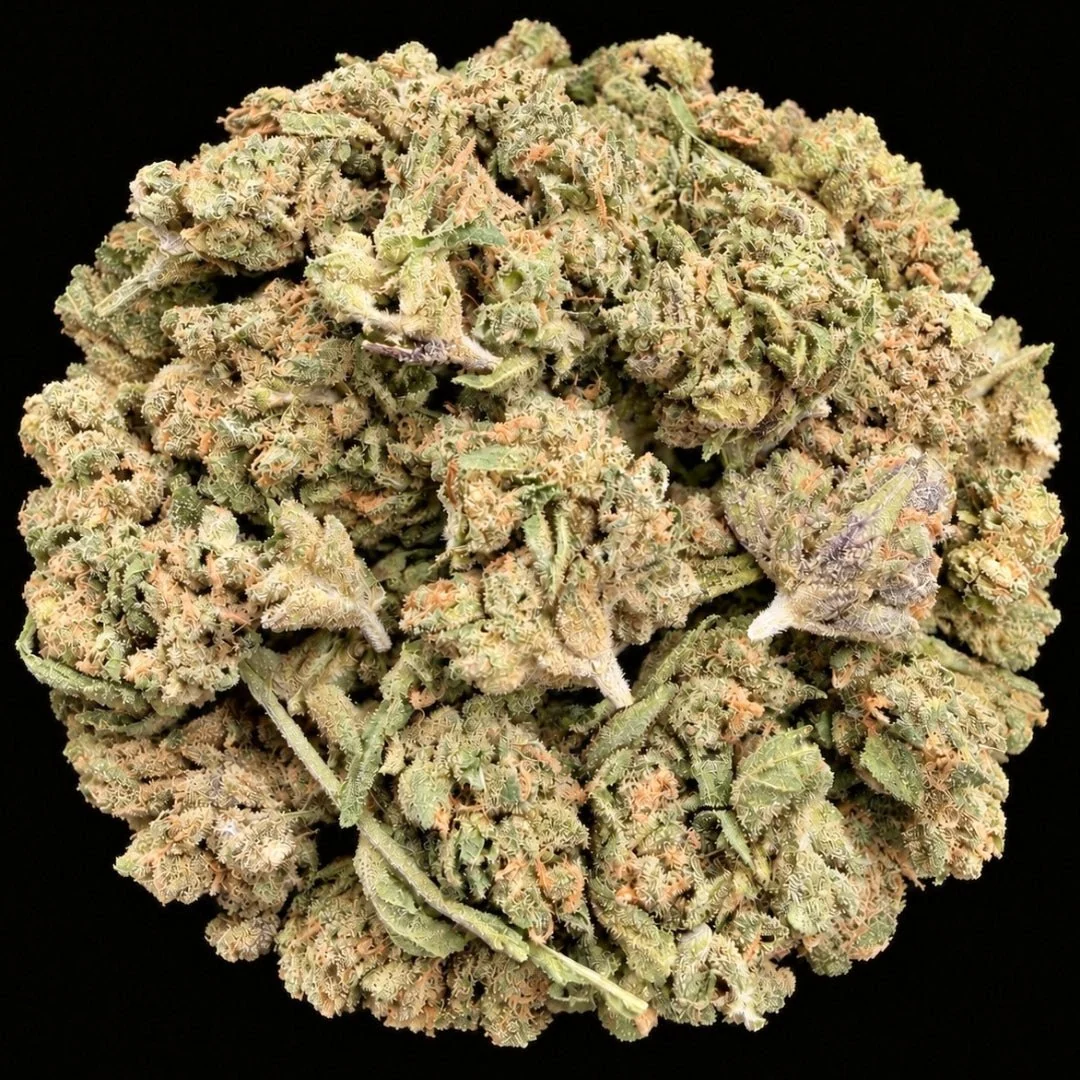
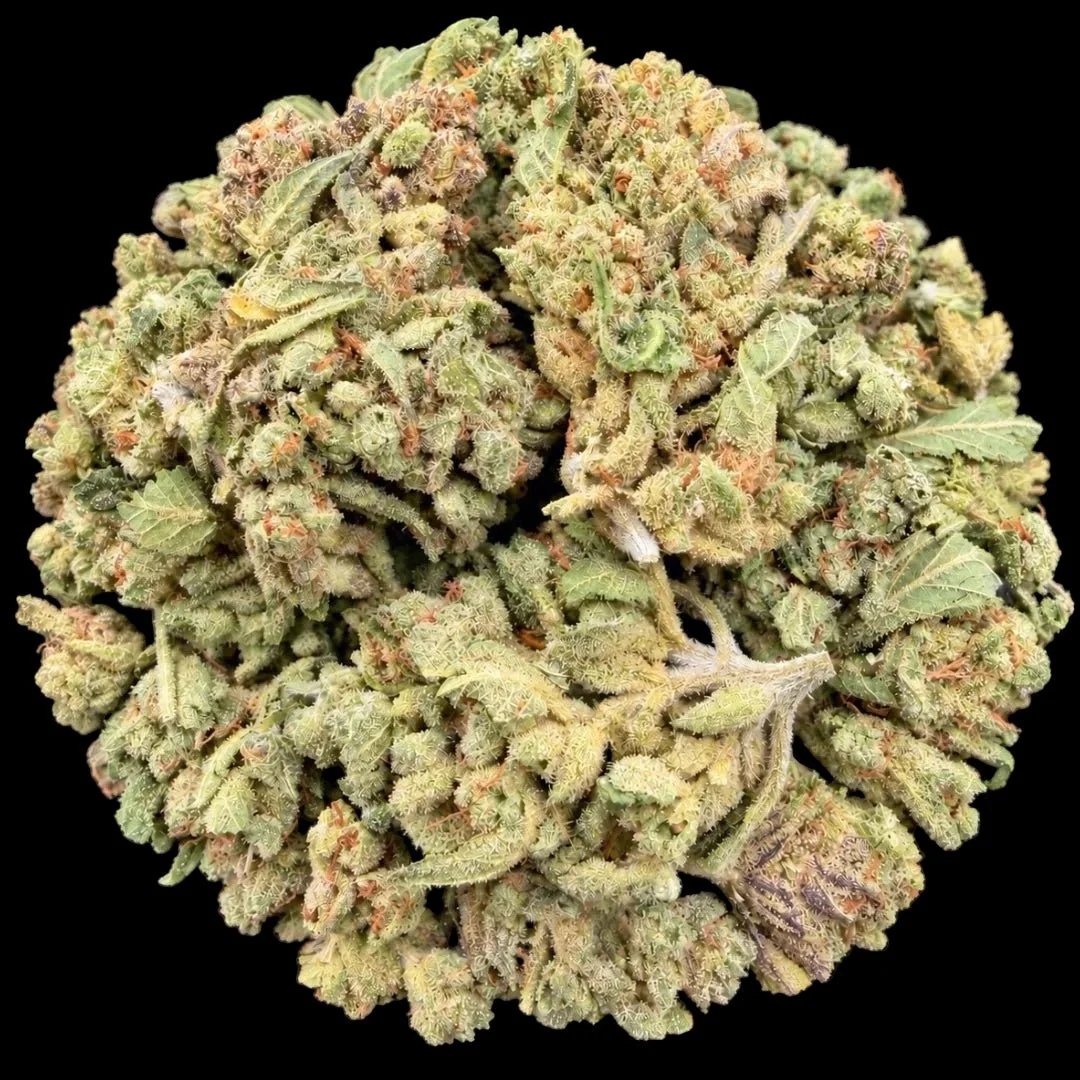
The three-tier setup is one of Lit Farms’ more practical shopping features, because it separates the strain decision from the selection grade. According to the store, Essential is its value tier, Preferred broadens the selection, and Supreme represents hand-selected buds with denser structure and stronger trichome coverage. The store says genetics and cultivation are shared across tiers, so the tier is chiefly about the flower selection and presentation. You can view the live tier menu alongside that explanation. The Essential, Preferred and Supreme options should be checked on the live catalog.
That distinction can help a buyer avoid treating the highest tier as automatically necessary. For context, the store’s tier overview lays out the brand’s own descriptions. A shopper focused on trying a profile may reasonably compare available Essential and Preferred options first; someone prioritizing the store’s stated visual and terpene-selection criteria may look at Supreme where offered. Those are store-defined differences, not independently measured grading standards, so a buyer should decide whether the described selection matters enough to justify the current listing’s cost.
- Choose one or two cultivar profiles before comparing tiers.
- Confirm the tier and size that are actually selectable on the live page.
- Compare the store’s tier description with your own priorities, rather than assuming higher means necessary.
- Review the COA linked for the relevant batch and return to the listing for updated availability.
Shoppers who want to browse beyond these examples can view the current THCA flower options and use the live pages to confirm which cultivars and tiers remain available.
Batch COAs make product pages more useful
Documentation is a notable strength in the pages reviewed. Lit Farms links product-specific certificates of analysis and says third-party testing covers cannabinoid content, terpenes, residual solvents, pesticides and heavy metals. A batch-linked report gives a more concrete basis for checking the store’s lab claims than a general assurance alone.
The useful habit is to open the report attached to the product page, confirm that it corresponds to the product or batch being considered, and read the test categories rather than relying only on a summary number. The store’s catalog also provides a COA library, but the product-level document is the relevant starting point for a specific flower. Open the current product page to locate its report. Documentation can support a review of measured test results; it cannot establish quality in every sense or predict an individual experience.
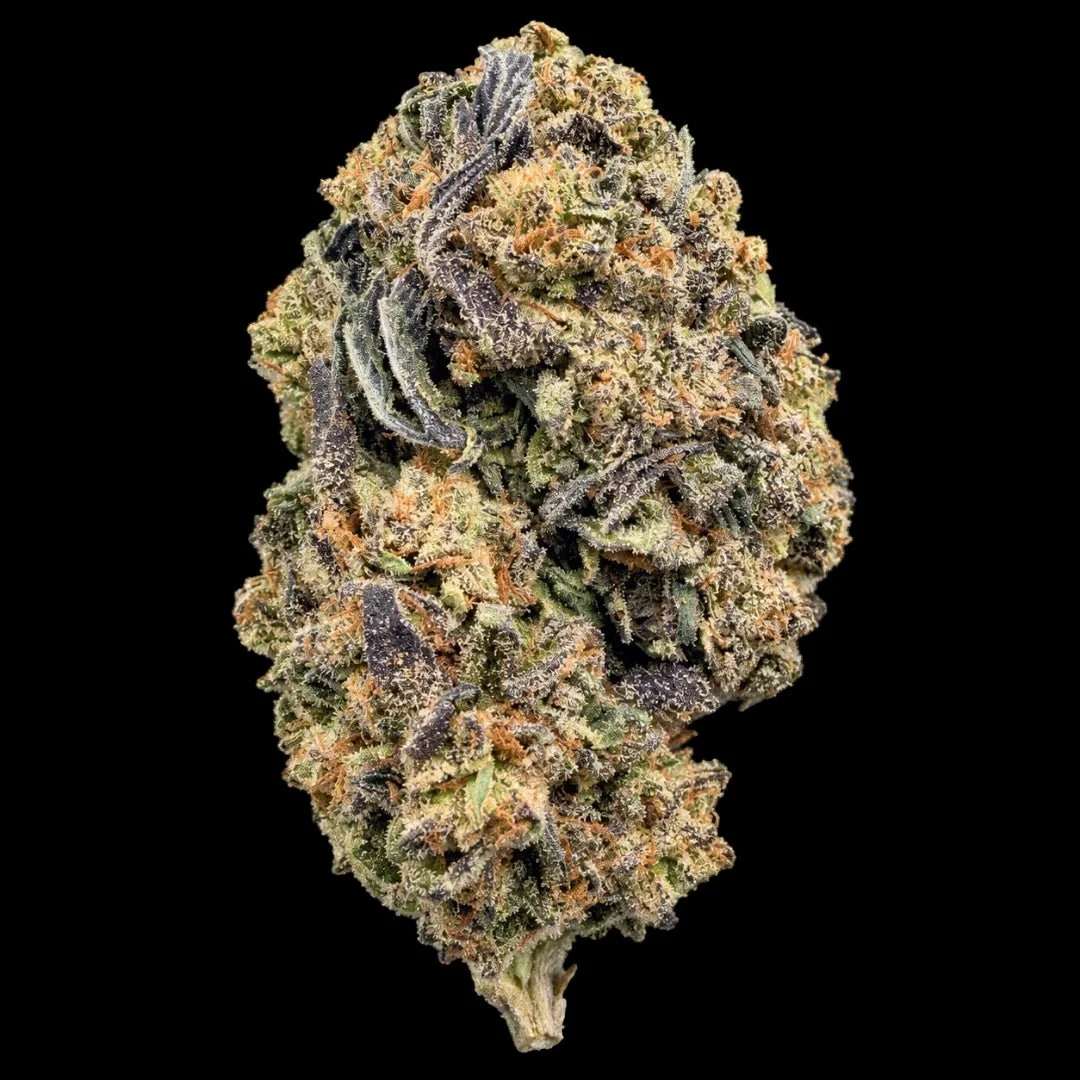
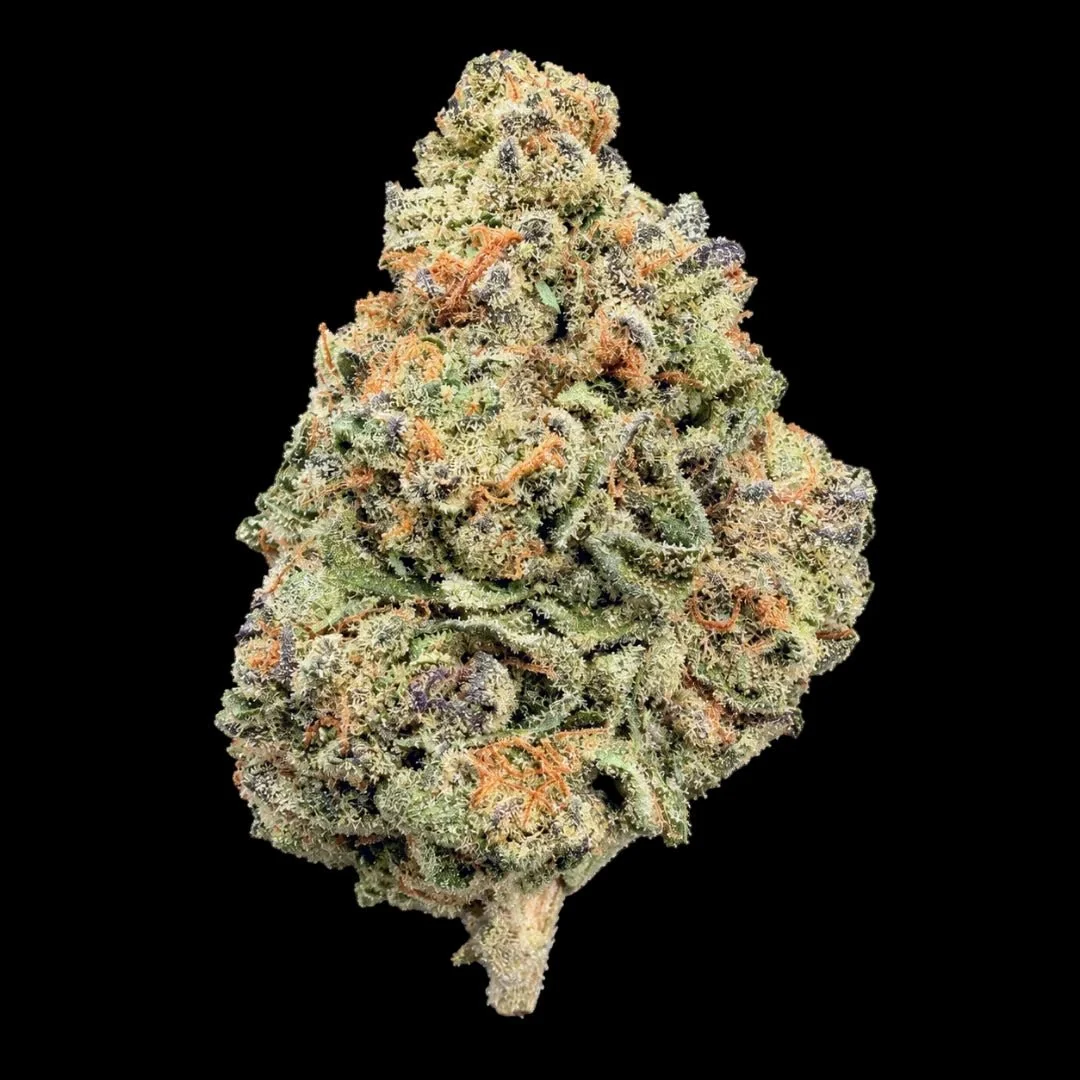
This is particularly helpful when comparing cultivars such as Gas Face and Blue Andies, because each product page can be assessed on its own terms. Readers can compare the listed profile and the linked batch information without assuming that one cultivar’s report applies to another. If the document is missing, unclear or does not match the product being viewed, pause and seek clarification from the store before relying on it.
- Match the report to the product and batch shown on the live listing.
- Check which analytes and safety screens the document actually reports.
- Use the stated terpene profile as batch information, not as a promise of taste or effect.
- Recheck the product page if the store changes the selected batch or listing.
State eligibility and stock narrow the choice
The biggest practical limitation is that the US store does not ship every product to every state. The store displays shipping restrictions and eligibility notices; the excluded locations and applicable rules can vary with product and jurisdiction. Adults must meet the store’s stated age requirement, and local laws can impose further limits. A general statement about hemp-derived products is not a substitute for checking the rules that apply where you live.
Availability also shifts. Several tiers or sizes may be unavailable on an individual product page, and a familiar cultivar may appear in a different selection later. This makes exact product recommendations less durable than the store-level strengths: named listings and linked documentation help with research, but readers should verify the live page before making a decision. The store’s own shipping and product notices should be read in full.
Cost is another variable to evaluate without leaning on old figures. It can depend on cultivar, selected tier and size, and the store’s current listing. We recommend checking the current product page directly and comparing equivalent selections, rather than carrying an old price or promotion into a later decision. The same caution applies to delivery terms and any displayed availability. Readers can review Lit Farms shipping details during the same check.
For a careful check, readers can review the store’s shipping policy and then revisit the product page for the actual item. It is also sensible to confirm age eligibility, local restrictions and the exact contents of the selected option before proceeding. These are ordinary checks for a regulated category, but they materially affect whether an otherwise appealing strain is a practical choice.
The store suits informed shoppers more than shortcut seekers
Lit Farms’ clearest audience is an adult shopper who already has a shortlist or at least knows which descriptive profiles they prefer. That person can use cultivar notes to filter the catalog, compare tier descriptions, and inspect a relevant COA. The store’s named choices and product-level information make that workflow more grounded than a page built only around broad categories.
It is a less complete fit for someone who expects the store itself to answer every question about effects, suitability or local legality. Product copy is written by the brand, and its tier language reflects the brand’s own framework. A reader who needs independent assessments should consult appropriate external sources for that question, while using Lit Farms for current product availability and documentation. The individual product listings remain the best place to confirm what the store currently states.
The honest verdict
Lost In Translation, Inc earns a qualified recommendation as a research-friendly store for adults who already know what kind of THCA flower they want to compare. Lit Farms combines named cultivars, tier distinctions and linked product COAs in a way that supports a more informed shortlist. The recommendation is strongest for buyers willing to read the specific listing and verify the details.
The limitation is substantial: tier language and strain descriptions are brand-provided, availability changes, and shipping eligibility varies. The store is not a substitute for independent product evaluation or checking local rules. If those caveats fit your expectations, use the product pages to compare current options and make your own eligibility checks. Start with the current Lit Farms store options and verify each detail on its own page.
We recommend Lit Farms for informed shoppers who value named cultivars and batch documentation, provided they verify availability and state eligibility first.