




A look at the choices behind Segway’s scooters and e-bikes, with a practical way to decide which part of the range deserves your attention.
- Segway puts several kinds of electric mobility under one roof
- The MAX G3 shows Segway’s commuter-scooter priorities
- Myon and Xafari give the e-bike range different characters
- Xyber extends the lineup toward high-energy riding
- The range is easiest to navigate by starting with a real trip
- Store breadth helps, while ownership details still need attention
- The honest verdict
The name Segway is familiar to many people through personal transport, but its current US store covers a much broader set of electric rides. It lists scooters, commuter and off-road e-bikes, recreational formats, plus parts and accessories. That breadth raises a useful question for a first-time reader: what is the idea tying these products together, and where is a sensible place to begin?
The clearest answer comes from the range itself. Segway brings several kinds of powered personal mobility under one store, then presents model-specific features and use cases. That makes the brand worth understanding as a lineup, rather than assuming every product is intended for the same rider or trip.
Heads-up: we earn a commission from some links in this article. It never changes the price you pay.
The short version: Segway’s store combines practical transport with recreational electric rides, and the products differ most in how they fit a route and routine. The MAX G3, Myon and Xafari illustrate three distinct directions; start with the trip you repeat, then compare fit and ownership details.
Segway puts several kinds of electric mobility under one roof
The brand’s current range is not a single-format proposition. Its US store separates electric scooters from e-bikes and recreational rides, and it also lists parts and accessories. That arrangement matters because a commuter scooter, an urban e-bike and a recreational vehicle solve different jobs, even when they share an electric powertrain and a familiar badge.
A useful way to read the range is as a set of choices about posture, distance, terrain and purpose. Scooters keep the rider standing and can suit compact trips. E-bikes add a seated position and bicycle-style handling. Recreational models make leisure part of the brief. Segway’s product pages provide individual specifications and feature descriptions, so readers can compare models at the level where the decision actually happens.
- Transport: scooters and commuter e-bikes for repeated journeys.
- Mixed terrain: e-bike models that the store positions for varied surfaces.
- Recreation: products designed around leisure and off-road use.
- Ownership: the same store lists compatible parts, accessories and support resources.
The MAX G3 shows Segway’s commuter-scooter priorities
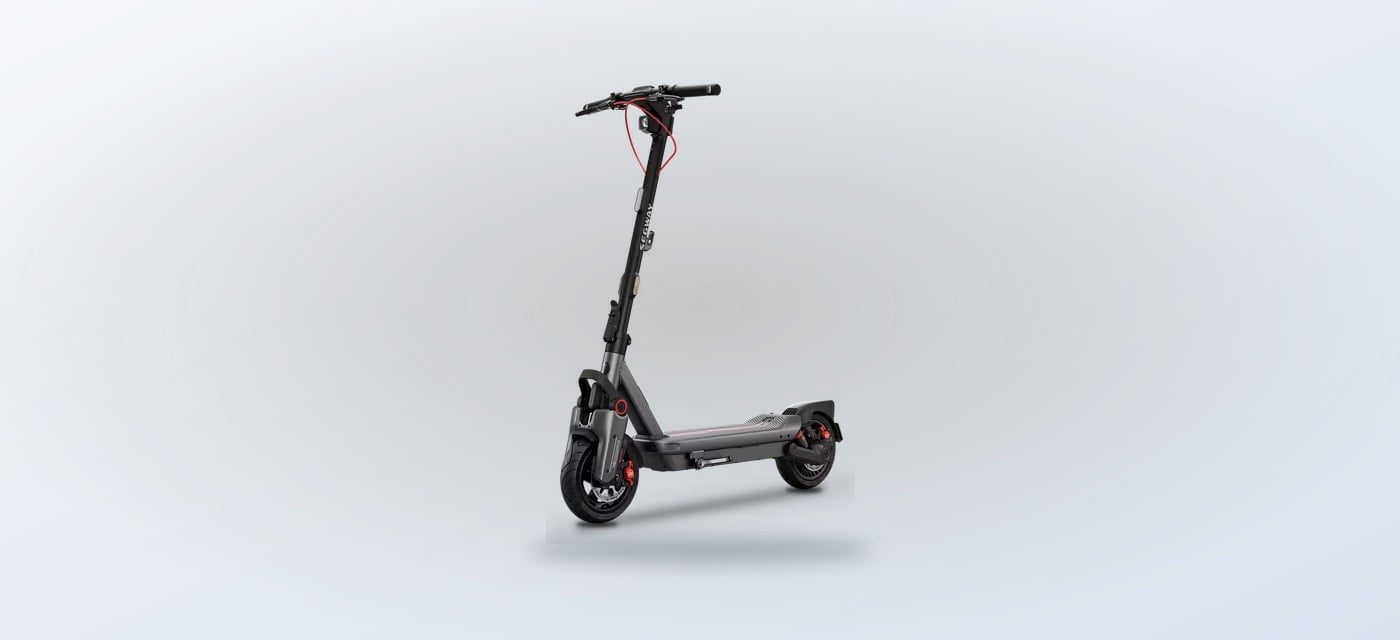
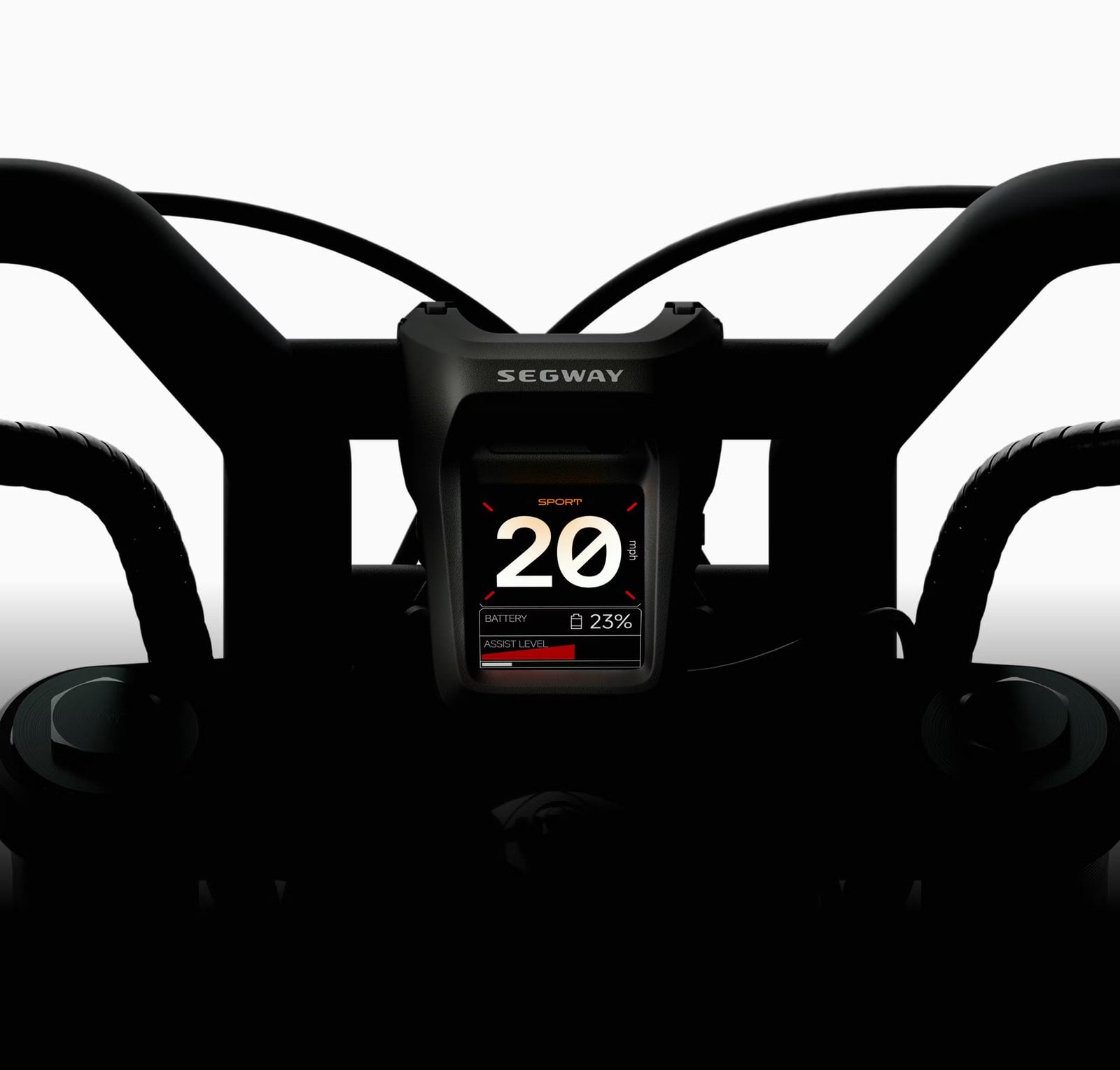
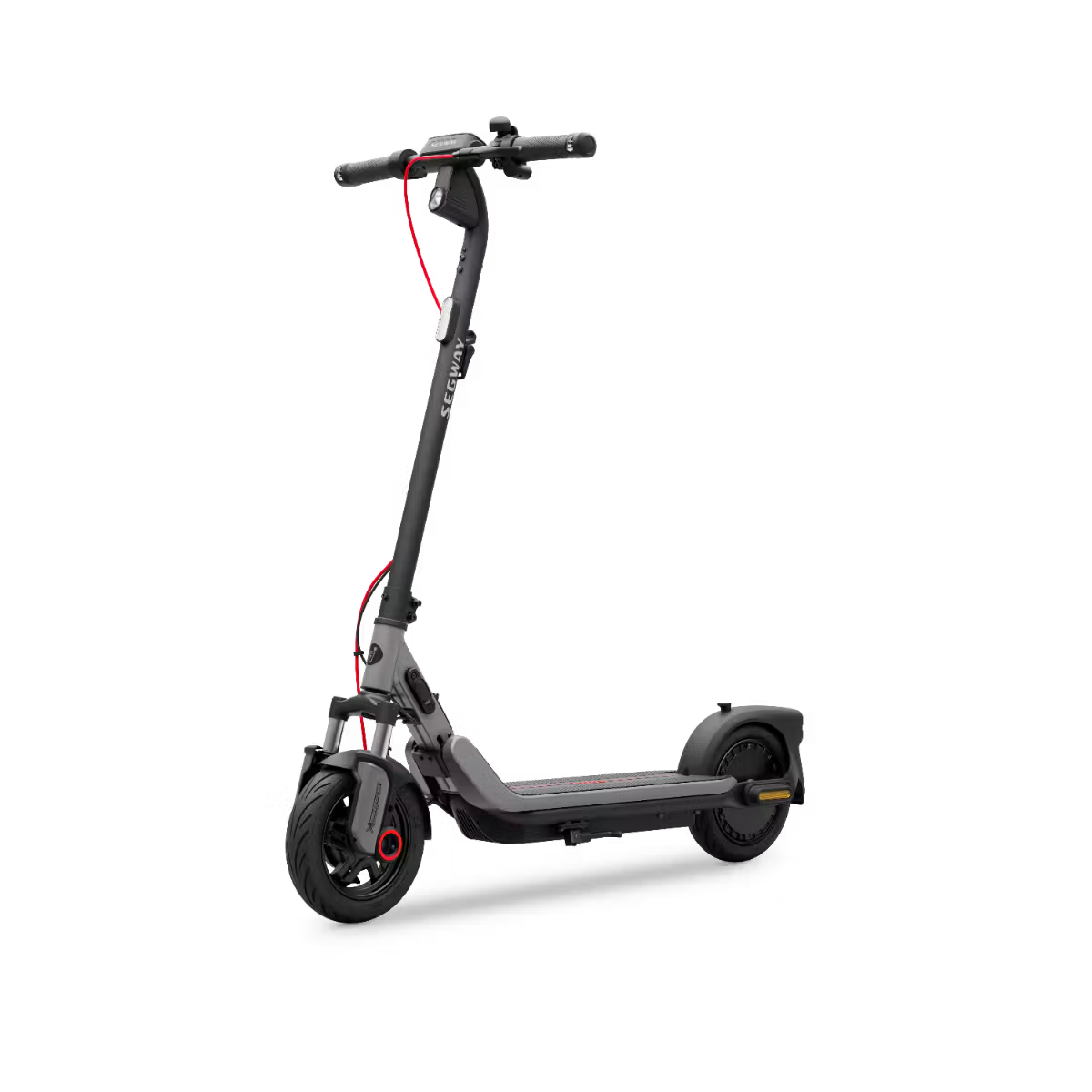
The Segway MAX G3 is a helpful entry point for readers whose first question is about scooter commuting. The official listing calls out a smart display and dual suspension, pairing ride information with a feature intended to address surface variation. Those listed features give shoppers concrete points to compare for a regular commute, although the right fit still depends on local routes and storage.
The store’s page for the Segway MAX G3 is the place to check its complete specification and the current product configuration. A product page can tell you what the manufacturer lists; it cannot decide whether the scooter’s dimensions, charging routine or handling suit your particular commute. Compare those practical points before treating a headline feature as a reason to choose.
For a first-time shopper, this model makes the scooter side of Segway easier to understand: it is a self-contained format with controls and suspension integrated into the ride. Consider it when a standing position works for your trip and when you have a realistic plan for carrying, locking and charging it.
Myon and Xafari give the e-bike range different characters
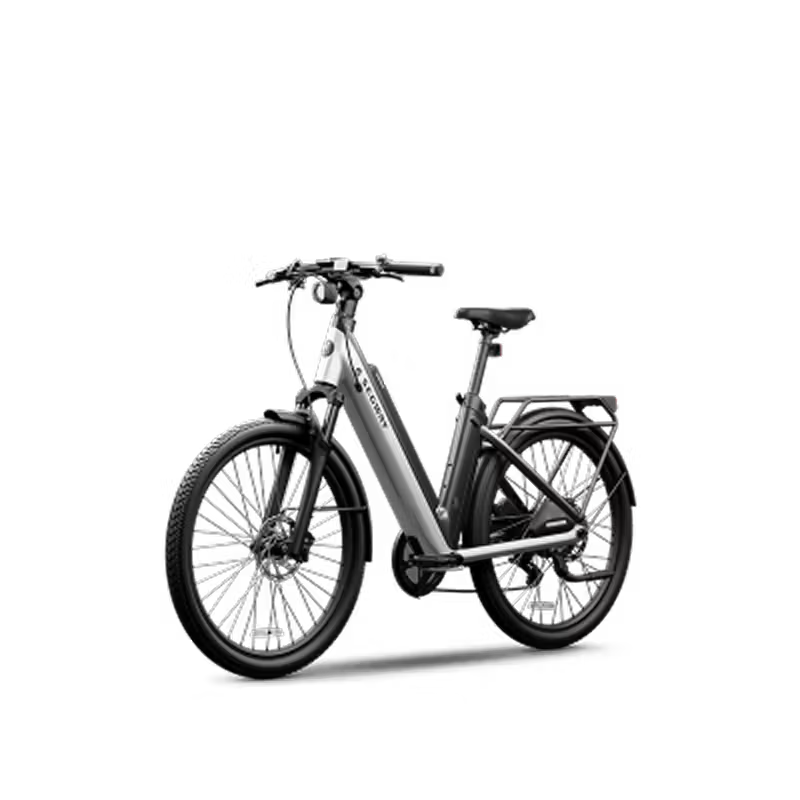
Segway’s e-bikes make the range less scooter-centric. The store positions the Myon for urban riding and describes electronic shifting and smart lighting. That combination speaks to an everyday bicycle routine: the assistance and shifting are part of the ride system, while lighting matters when trips begin or end in lower light. The exact experience depends on setup and conditions, so check the product details for the version sold in your region.
The silver Segway Myon eBike is an especially clear reference for a shopper comparing seated transport with a scooter. If you already ride a conventional bicycle, compare frame fit and riding position first. If you are new to e-bikes, give equal attention to charging, storage and the support available for routine maintenance.
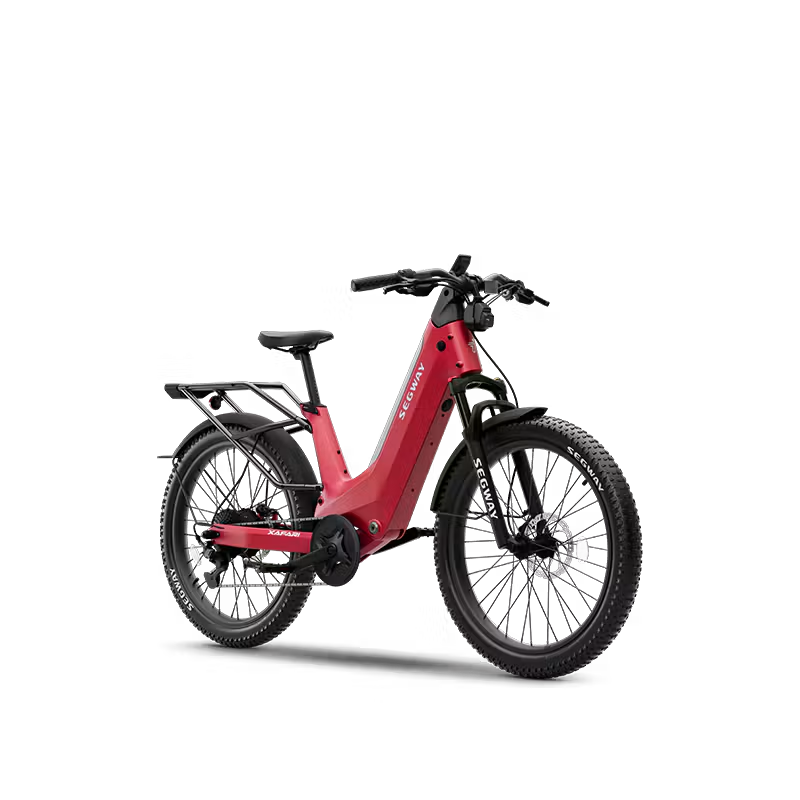
The Xafari points in another direction. Segway describes it as a fat-tire, all-terrain e-bike, and its product presentation leans toward varied ground rather than a city-only commute. Wider tires and a more adventure-oriented design can make the model’s role easy to read, but the label “all-terrain” should still prompt a closer look at the specific surface, riding conditions and equipment described on the official page.
Readers drawn to that use case can review the Segway Xafari Red eBike listing for the details of that configuration. The useful question is not whether it looks more capable in a photograph; it is whether your regular routes make its format relevant. For mostly paved errands, a more urban bike may be the simpler match.
Xyber extends the lineup toward high-energy riding
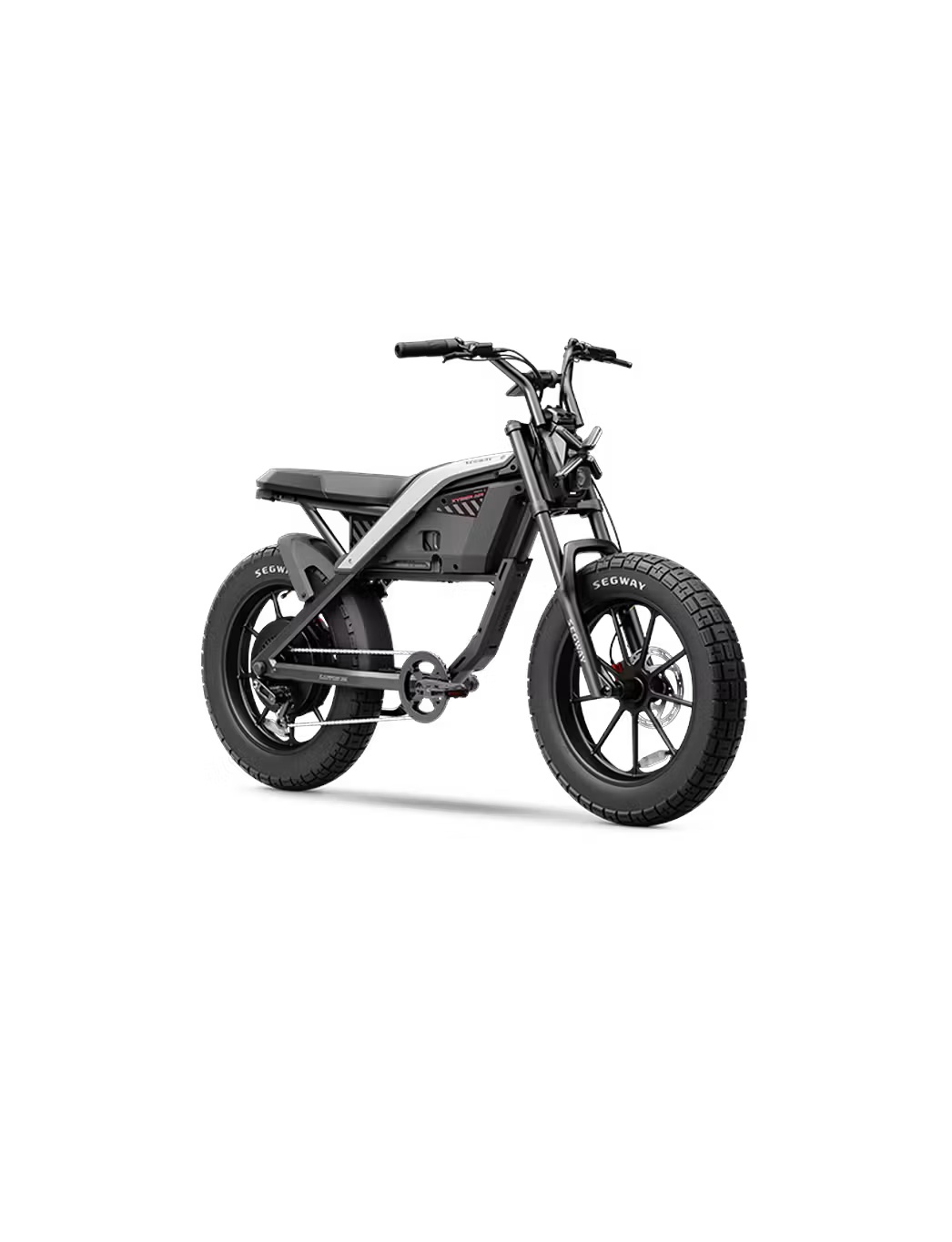
The Xyber sits at the more performance-oriented end of Segway’s e-bike presentation. Its page and imagery communicate a more assertive riding identity than the urban-focused Myon. That distinction is useful in a brand overview because it shows that Segway is not presenting every e-bike as a variation on a commuter bicycle. Some products are aimed at riders who prioritize a different pace, setting and style of use.
The Segway Xyber eBike page is the right place to inspect its listed features and intended-use notes. Before comparing the Xyber with a utility-focused model, check local rules and the store’s specification carefully; speed and equipment categories can affect where a vehicle is appropriate. We are describing the product information published by Segway, not reporting a ride test.
The range is easiest to navigate by starting with a real trip
A wide catalog can feel like a lot of choice, but the first decision can be simple. Name the trip you want to improve, then eliminate formats that do not fit the route or your home setup. That approach keeps brand recognition and feature count from becoming substitutes for fit.
- Write down the route, including hills, surface changes and the distance between stops.
- Decide whether standing or seated riding better fits the length and character of the trip.
- Check storage, charging access, carrying needs and where the vehicle can be secured.
- Read the product page for the exact configuration, support information and required accessories.
For a short urban journey, a scooter may be the natural place to compare. For regular travel that benefits from a seated position, begin with the e-bike family. If recreation or mixed terrain is central, compare the models Segway specifically positions for those uses, rather than expecting a commuter format to cover every scenario.
Store breadth helps, while ownership details still need attention
Having product pages, listed parts and accessories, and support information on the same official store is useful for research. A reader can move from model specifications to related equipment without changing merchant. Segway’s pages also give product-specific language that helps distinguish the range. This is useful context, though those resources do not by themselves answer every question about service availability or repair convenience in a particular town.
Before committing to any electric ride, look at the details that sit outside the feature list. Confirm the product’s dimensions and weight against your storage space. Check charging requirements and the maker’s care guidance. Consider what happens if your regular route changes or if you need to carry the vehicle on stairs or in a car. These points often determine whether a technically appealing model remains convenient after the first week.
Price is another comparison to make on the store, but a static article should not anchor the choice to a changing figure. Cost can vary with model, configuration and included equipment. Check the product page for the current listing, then compare what is included and what your routine may require separately.
- A scooter may reduce the footprint of a short trip, but it requires a comfortable standing ride and a secure place to park.
- A commuter e-bike offers a seated format, with fit and storage taking more planning.
- An all-terrain or recreation-led model is most compelling when its intended setting matches your actual use.
- Parts and accessories are useful context, but local support remains a separate ownership question.
The honest verdict
Segway is worth a closer look for readers who want to compare multiple forms of electric personal mobility from one manufacturer. Its range is the story: the MAX G3 represents the scooter commute, Myon the urban e-bike, Xafari mixed-terrain intent, and Xyber a more performance-led direction. That variety gives first-time readers a concrete way to start, provided they shop by route and riding position.
The limitation is that a broad lineup does not remove the work of checking fit, local use rules, service options and storage. Segway’s product pages are a strong starting point for stated features, but readers still need to match those details to real life. If the range has a clear appeal, begin with one product family and compare the official specifications before moving to the next.
Segway makes the most sense when you choose by the trip first and the model second.