




A guide to the UK retailer’s TV-and-online shopping format, broad jewellery selection and the details worth checking before choosing a piece.
- The Jewellery Channel pairs live presentation with a broad online range
- The range moves between colourful stones and everyday forms
- Product details are the best guide to value and suitability
- The shopping format suits browsing, with a little extra checking
- The range suits shoppers who like comparing materials and styles
- The honest verdict
Jewellery shopping can start with a very specific idea – a coloured stone, a chain for everyday wear, or a ring that feels more expressive than a plain band. The harder part is often finding a retailer whose range makes those different starting points easy to explore.
The Jewellery Channel brings a broad jewellery catalogue together with live TV shopping. For a first-time visitor, that combination is the key to understanding the brand: product discovery is part of the offer, while the product page remains the place to verify the details that matter before deciding.
Heads-up: we earn a commission from some links in this article. It never changes the price you pay.
The short version: The Jewellery Channel may suit shoppers who like browsing across gemstones, metals and styles, and who value seeing jewellery presented through a live shopping format as well as online. Its range is broad, so the most useful habit is to compare each listing’s materials, stone information, dimensions and care details rather than relying on a headline name alone.
The Jewellery Channel pairs live presentation with a broad online range
The retailer’s identity sits at the intersection of television shopping and ecommerce. Its UK site brings a broad catalogue online, alongside live TV shopping for people who enjoy browsing through a broadcast format. That combination can make an unfamiliar stone or design easier to encounter, but the individual listing is still essential for checking exact specifications.
For a new visitor, the advantage is breadth: one visit can move from classic-looking gold pieces to colourful gemstone designs and more decorative statement jewellery. That makes the catalogue useful for browsing by occasion or visual preference. It also means that the name of a collection is only a starting point; metal type, stone identity, dimensions and construction are the details that tell you what a specific item actually is.
- Watch for material wording: solid gold, plated finishes and base metals are different propositions.
- Check stone descriptions: confirm the named gemstone and any stated treatment or setting information.
- Use dimensions: measurements help translate a product photo into a more realistic sense of scale.
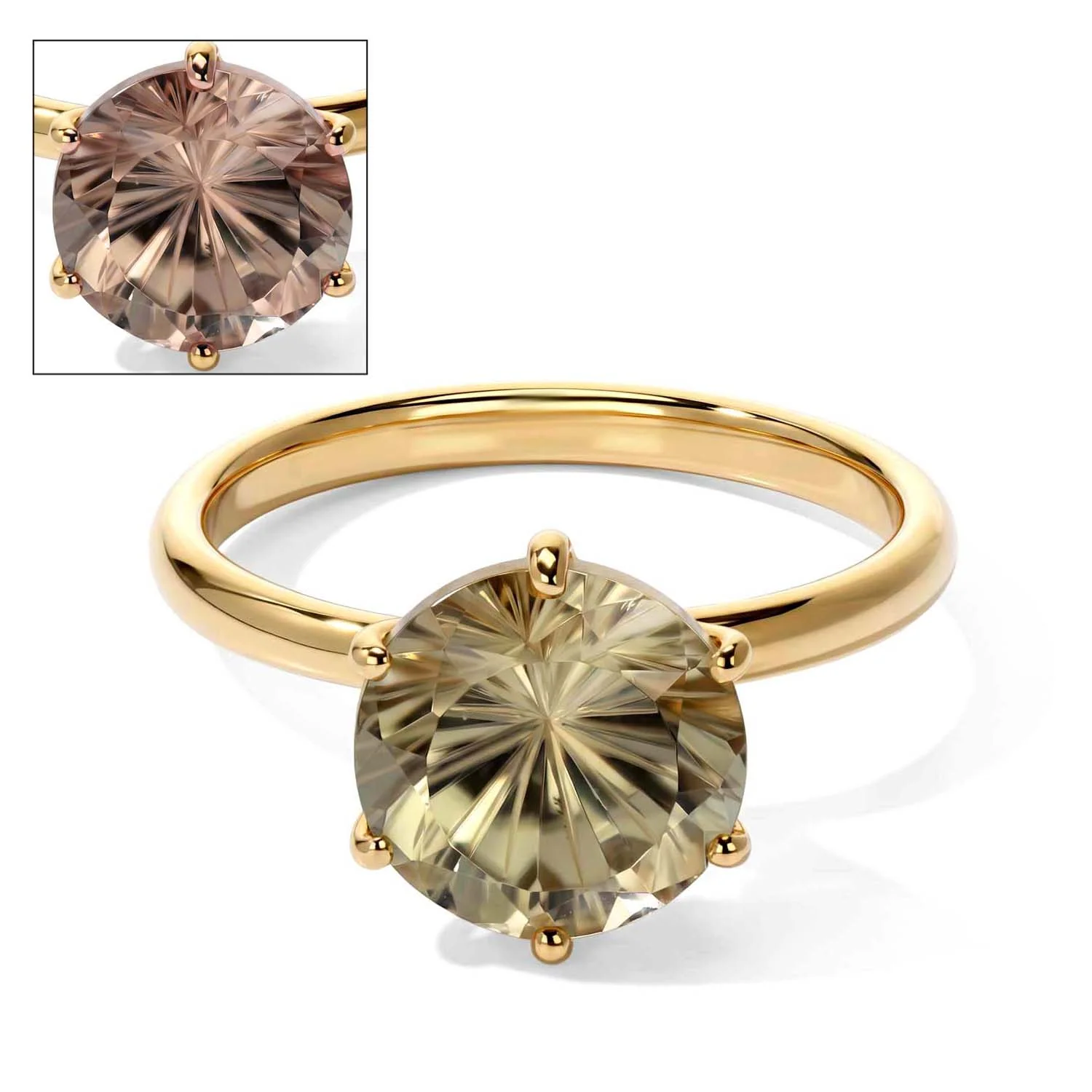
The product pages provide concrete examples. The 14K Yellow Gold AAA Turkizite Solitaire Ring is described as a 14K yellow gold solitaire design with a turquoise-colour centre stone, and its listing includes a gold weight and carat information. Those details make it easier to assess the piece on its own terms, rather than treating “solitaire” as enough information to decide.
The range moves between colourful stones and everyday forms
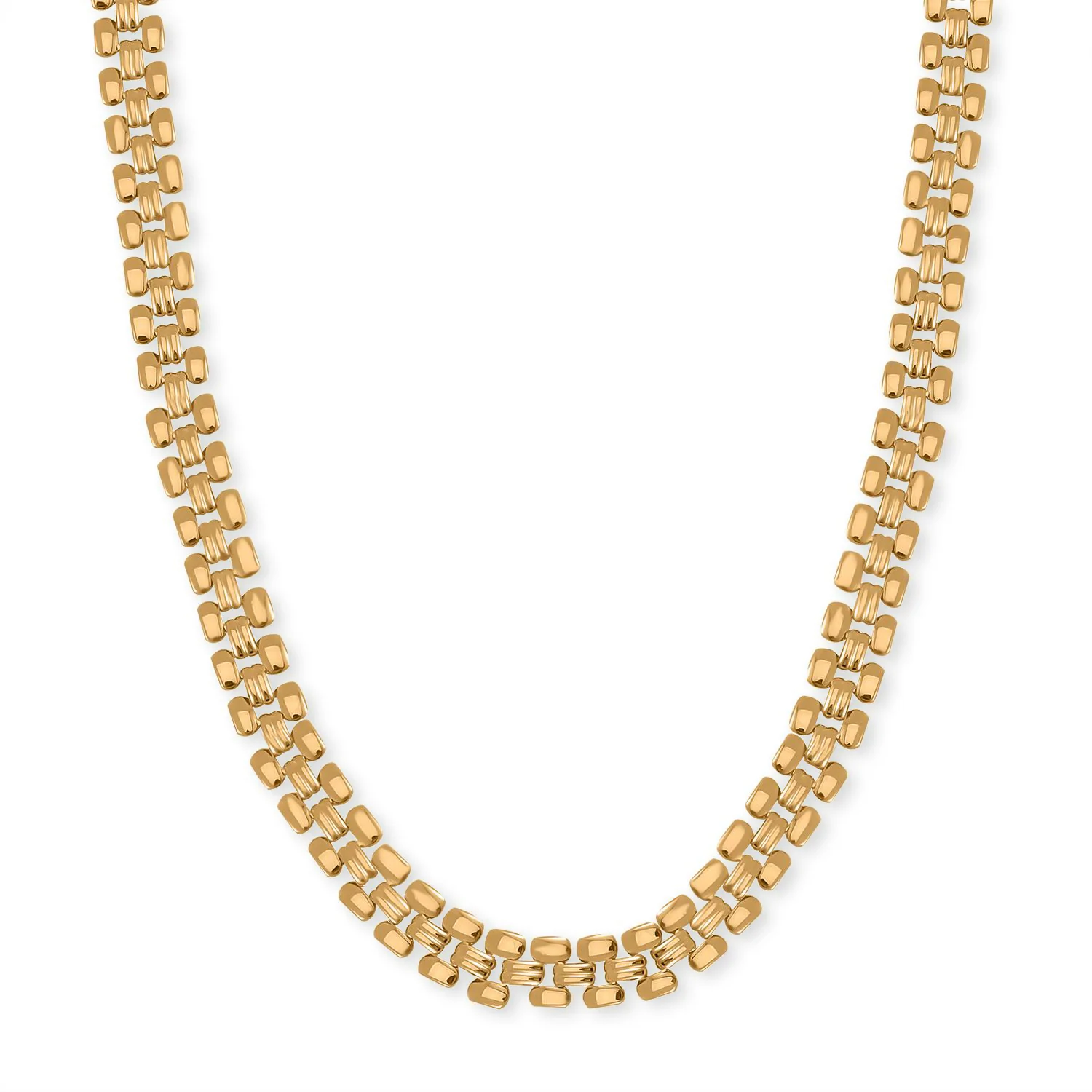
One clear thread through the selection is the variety of materials and visual styles. A shopper drawn to a vivid centre stone might begin with the Turkizite solitaire ring; someone looking for a more linear piece may prefer the Fancy Necklace in Pure Yellow Brass, whose listing identifies both its material and size. These are distinct kinds of jewellery, which is useful for seeing how varied the catalogue can be within a single brand.
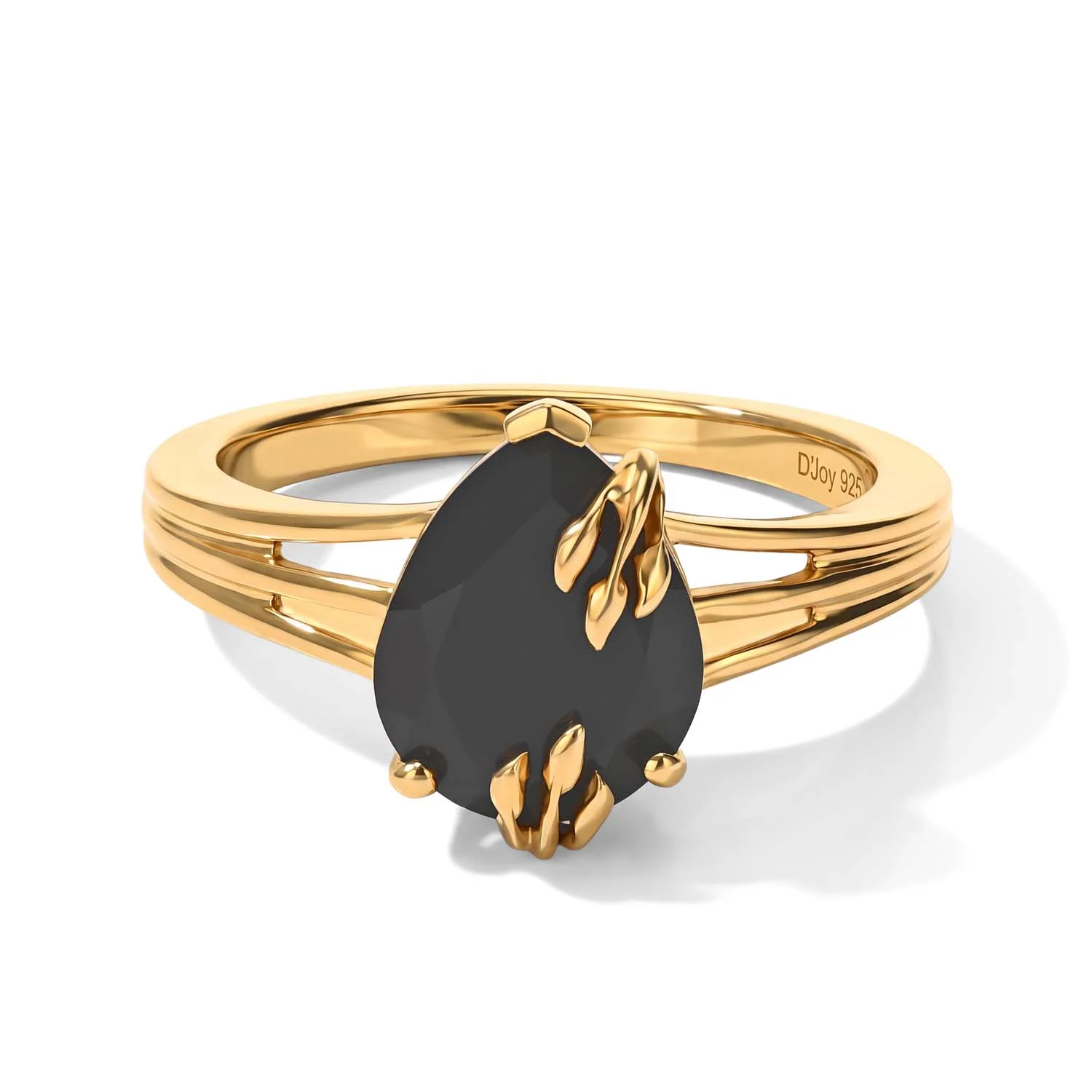
There are also pieces built around darker stones and more detailed settings. The D’Joy Black Spinel Solitaire Ring uses yellow gold plated sterling silver and black spinel, while the D’Joy Black Spinel Living Creature Ring takes a more sculptural direction in the same broad material family. Together, they show why looking at setting and design matters as much as the stone name.
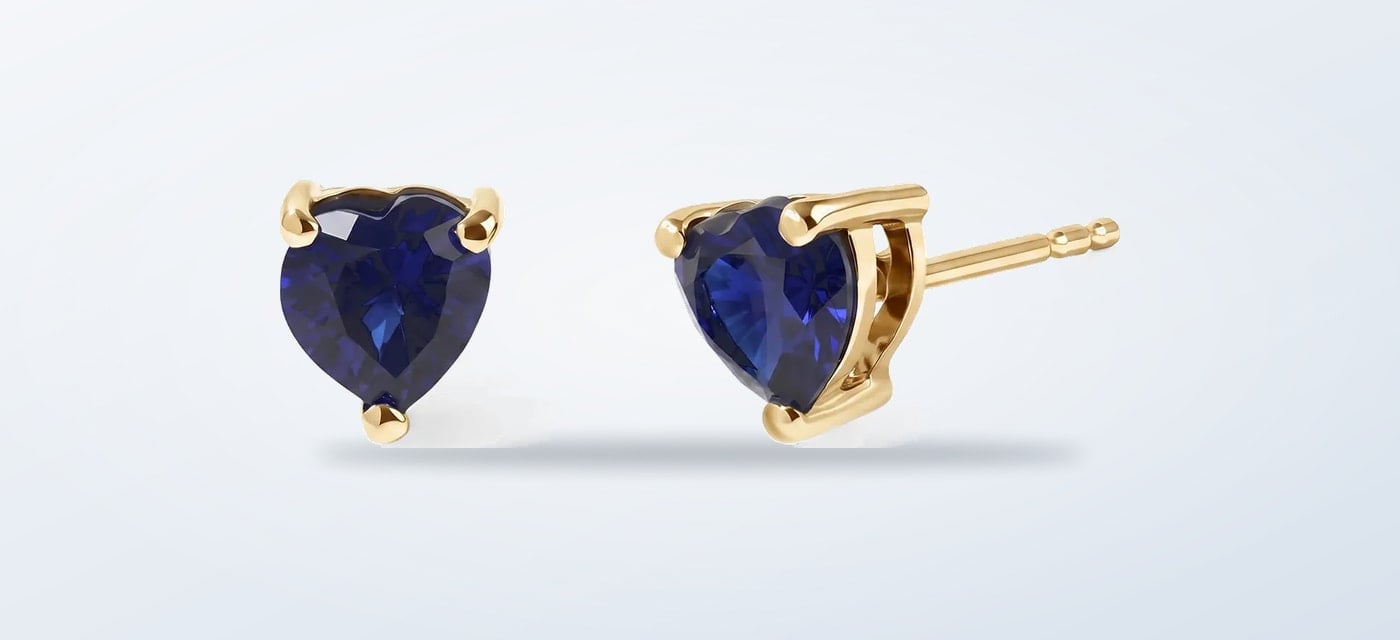
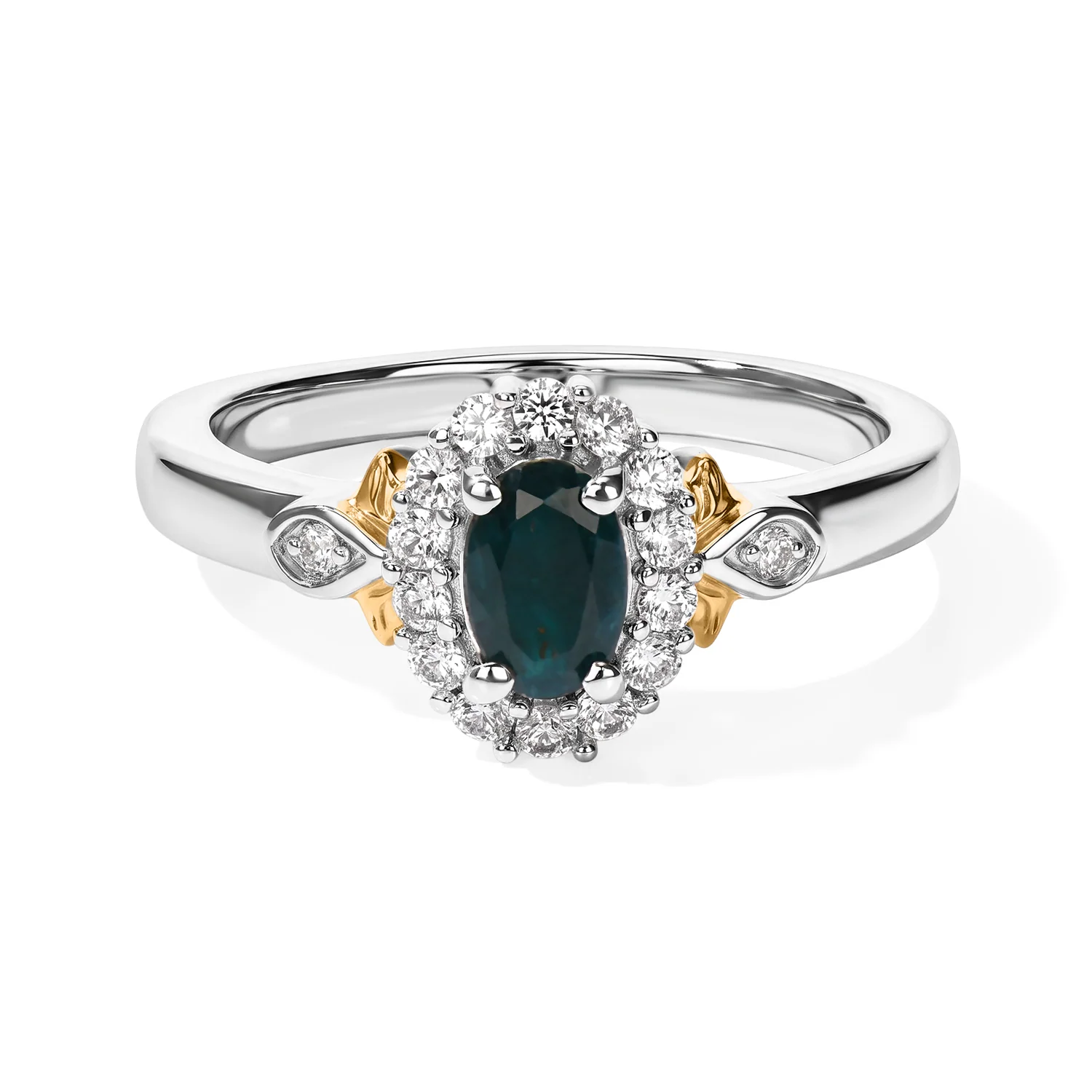
Other listing examples reinforce that breadth: the range includes a black spinel floral ring in platinum overlay sterling silver, a grandidierite and white zircon halo ring in two-tone plating, and a Masoala sapphire stud earring in yellow gold plated sterling silver. A yellow gold plated sterling silver Figaro necklace offers a chain-led option. These names are useful entry points, but each linked page should be checked for current availability and full specifications.
- For a coloured focal point: compare the centre stone, setting and stated measurements on gemstone rings.
- For a simpler daily shape: look at chains and earrings, then check length, fastening and material.
- For a statement look: inspect decorative settings and profile photos, alongside dimensions.
Product details are the best guide to value and suitability
In jewellery, value is not a single feature. It depends on the materials, stone, weight, workmanship and the kind of wear a buyer expects. The Jewellery Channel product pages can help readers make that assessment by listing material and gemstone information, as well as dimensions where provided. Compare like with like: a plated sterling silver design and a brass necklace should not be judged by the same material expectations.
Photos are helpful for understanding colour and overall design, but they cannot tell the whole story about scale or feel. A ring’s carat figure does not by itself explain how large it looks on the hand, and a necklace size does not necessarily describe how it will sit on every wearer. Use the specification text, image gallery and any available size guidance together. For the solitaire example, review the listed gold weight on the Turkizite ring page. Compare the necklace dimensions with the stated size on the yellow brass necklace listing.
The UK homepage surfaces delivery and returns information. Those policies can affect whether an item fits a gift deadline or a considered purchase, so check the current terms before placing an order. The gold solitaire listing and brass necklace page are separate product records, so confirm each one individually. For a first visit, this is a more reliable route than assuming every item shares identical fulfilment or return conditions.
- Read the full material description, including plating and base metal.
- Check stone details, stated weight and dimensions against your priorities.
- Review delivery, returns and care information on the live UK product page.
The shopping format suits browsing, with a little extra checking
Live presentation gives shoppers another way to encounter a large jewellery selection. It can also make browsing feel event-led. The trade-off is familiar to any broadcast shopping format: presentation is not a substitute for a calm comparison of specifications, and availability can change as the retailer updates its catalogue.
That is why we would treat television as an inspiration tool and the product listing as the decision tool. If a piece catches your eye during a segment, note its name and then inspect the UK page. Confirm the exact finish, measurements and stone details before comparing it with another option. For gift buying, consider whether the recipient prefers understated or decorative designs and check the delivery and return terms with the same care. The Turkizite solitaire details can be weighed against the more ornate Living Creature ring details.
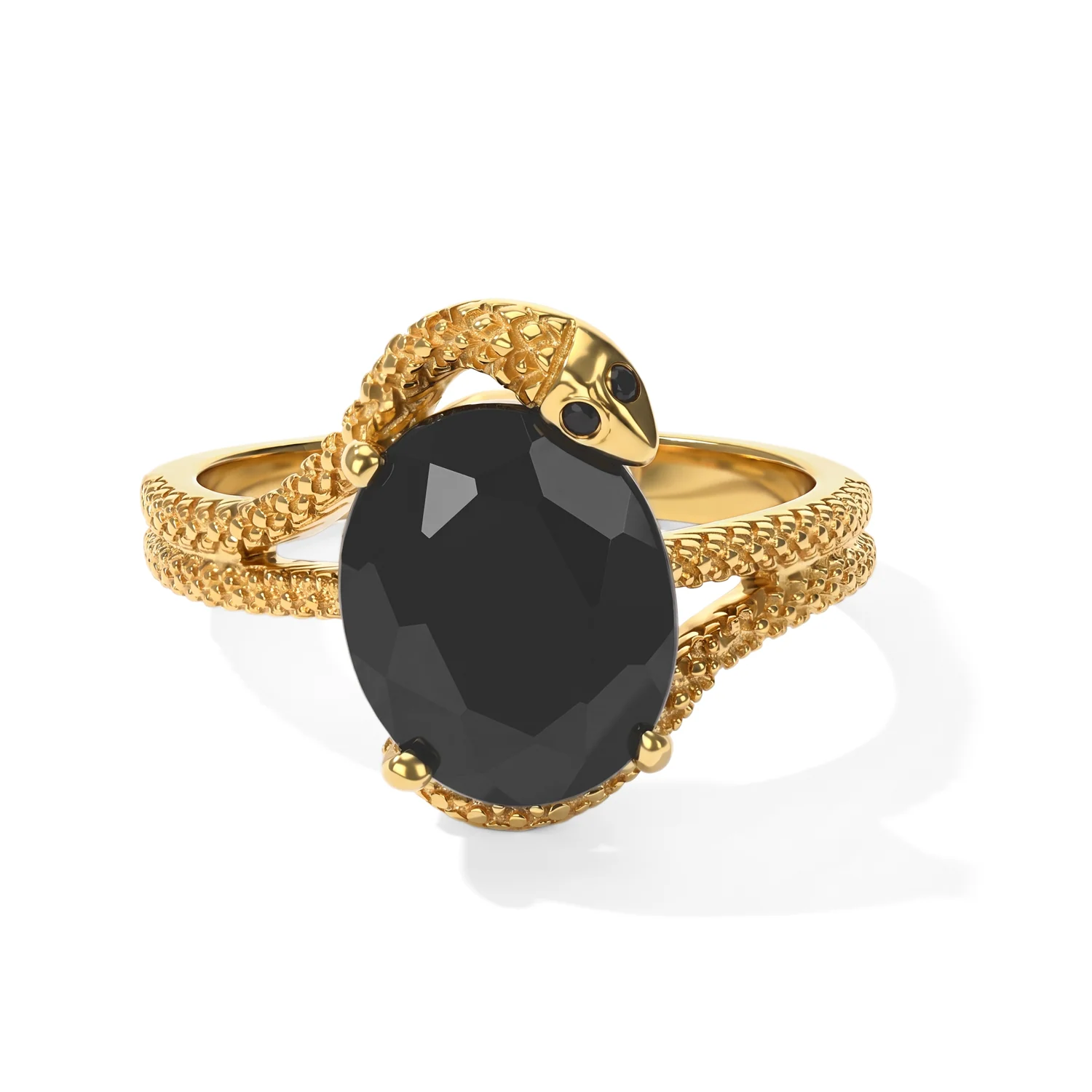
Navigation by category can also help narrow the choice. Rather than scanning everything, decide first whether you want a ring, necklace or earrings, then filter by metal tone, stone colour or design. From there, a small shortlist is easier to compare than a full catalogue. A useful starting pair could be the black spinel solitaire and sculptural black spinel ring, with the yellow brass necklace as a contrast in material and form. The D’Joy black spinel solitaire, D’Joy living creature ring and yellow brass fancy necklace show how different the choices can be in silhouette and material even before considering occasion or styling.
The range suits shoppers who like comparing materials and styles
We see the brand as a better fit for curious browsers than for someone who has already decided on one exact specification. The live format offers an additional route into the range, while the online listings let readers compare stone, finish and dimensions at their own pace. If a large selection feels distracting, begin with a form you wear often, then narrow by material and setting. A broad catalogue is most useful when you arrive with one or two practical filters.
The honest verdict
The Jewellery Channel is worth exploring if you want one UK destination with varied jewellery and a live presentation option. Its strongest practical feature is the combination of breadth and product-level details: shoppers can browse widely, then check materials, stones and dimensions on individual pages. The available examples range from a gemstone solitaire to a brass necklace and more decorative black spinel rings, so the brand is not limited to one look.
The limitation is that breadth asks for discernment. A wide catalogue can be harder to compare, and television presentation cannot replace checking specifications, fit and current delivery or returns terms. We recommend using the brand’s broadcasts for ideas and its live product listings for the final decision. If that sounds like your kind of browsing, begin with a category or stone you already like and compare a few pieces carefully.
Explore The Jewellery Channel for range and presentation, then choose by verified material, stone and fit details.